
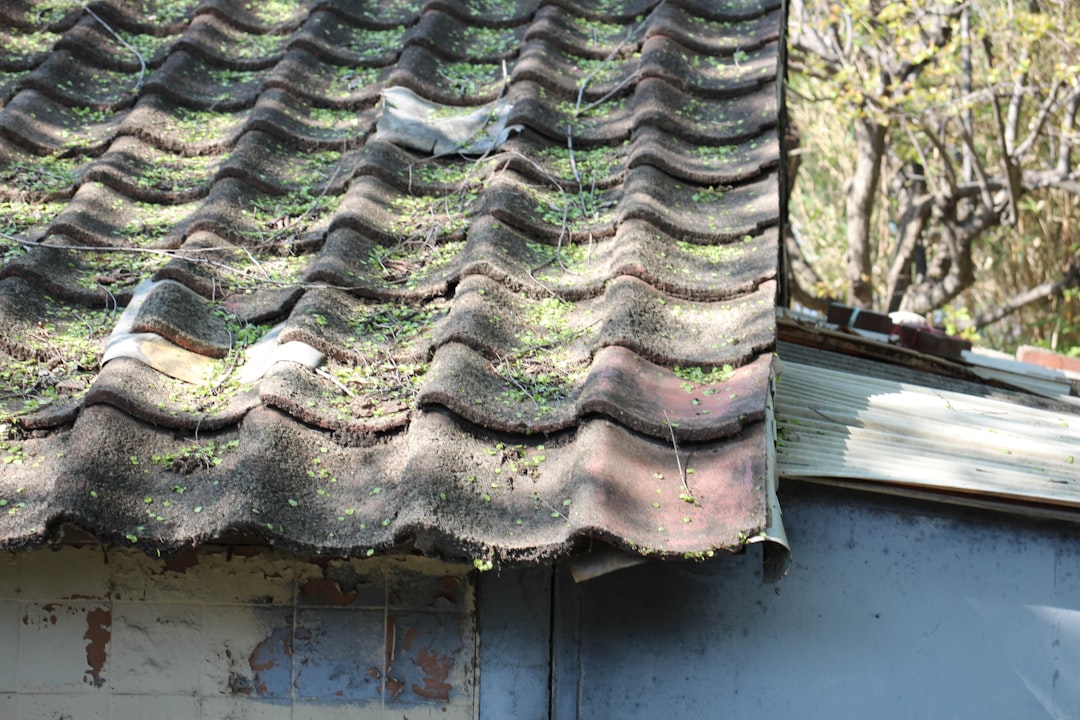
Garage Roof Repairs Near Me: 15 Years of Roofing Experience Solving Your Problems
After 15 years running Kingwood Roofing and completing over 2,500 roofing projects, I've seen every garage roof problem imaginable. From small leaks that ruin stored family treasures to complete structural failures that threaten the entire building. This article exists because I've watched too many homeowners struggle with the same questions you're asking right now. How do I find reliable garage roof repairs near me? What should repairs actually cost? How do I avoid getting scammed? I've compiled everything I've learned from thousands of customer projects, manufacturer specifications, and building code requirements to give you the honest answers you deserve.
The information here comes directly from our project files, industry data from the National Roofing Contractors Association, and hands-on experience with every roofing material available. We'll walk through real repair scenarios we've encountered in Kingwood and surrounding Texas communities. You'll learn how to identify problems early, understand repair options, budget accurately, and choose the right contractor. My goal is simple: give you the knowledge we'd give our own family members facing garage roof issues.
Identifying Common Garage Roof Problems
Garage roofs face unique challenges that differ from main house roofs. They often receive less maintenance and inspection attention. Through our customer call logs, we've identified the most frequent issues homeowners discover. Water stains on interior walls or ceilings signal leaks that need immediate attention. Missing or damaged shingles create entry points for water and pests. Sagging roof sections indicate structural concerns requiring professional assessment. Peeling paint on garage ceilings often means moisture problems above.
Leak Detection and Assessment
Finding leaks requires systematic investigation. Start by examining the roof during daylight hours. Look for damaged flashing around vents and edges. Check for cracked or missing shingles in obvious locations. Inspect the interior during rain to trace water entry points. Use a garden hose to simulate rainfall if no precipitation is forecast. Mark all suspected leak areas with chalk for professional reference. Document findings with photos showing problem locations clearly.
Structural Damage Indicators
Structural issues demand immediate professional evaluation. Visible sagging between rafters suggests decking problems. Cracked or split rafters require structural reinforcement. Rotting wood around eaves compromises roof integrity. Rusted metal components need replacement to prevent collapse. These problems often stem from long-term water intrusion or inadequate original construction. Addressing structural concerns promptly prevents more extensive damage.
Garage Roof Repair Cost Breakdown
Understanding repair costs prevents budget surprises. Our project data shows garage roof repairs typically range from $500 to $4,000 in the Kingwood area. Simple shingle replacement might cost $150-$400 for materials and labor. Flashing repairs generally run $200-$500 depending on complexity. Complete roof replacement averages $2,500-$7,000 based on material selection. Emergency leak repairs often carry premium pricing of $300-$800 for immediate response.
Material Cost Factors
Material choices significantly impact overall expenses. Asphalt shingles remain most affordable at $80-$120 per square. Metal roofing costs $150-$600 per square installed. Tile and slate options range from $300-$1,000 per square. Underlayment adds $40-$80 per square to material costs. Flashing materials run $20-$50 per linear foot. Always factor in 10-15% extra materials for waste and mistakes during installation.
Labor and Additional Expenses
Labor constitutes 40-60% of total repair costs. Basic shingle repairs might require 2-4 hours at $45-$75 per hour. Complex structural repairs can demand 20-40 hours of skilled labor. Permit fees add $50-$300 depending on municipality requirements. Dumpster rental for debris removal costs $200-$400 weekly. Unexpected issues discovered during repairs often increase final bills by 10-25%.
Roofing Material Options Compared
Choosing appropriate materials ensures long-term satisfaction. Asphalt shingles offer affordability and easy installation according to GAF manufacturer specifications. Metal roofing provides superior durability and weather resistance. Tile options deliver classic aesthetics with heavy weight considerations. Rubber membranes work well for flat garage roofs with drainage concerns. Wood shakes offer natural beauty but require more maintenance than alternatives.
Asphalt Shingle Performance
Three-tab shingles remain popular for garage applications. They typically last 15-25 years with proper installation. Architectural shingles provide enhanced durability and longer warranties. Impact-resistant options withstand hail damage better than standard products. Color selection affects heat absorption and energy efficiency. Proper installation following manufacturer guidelines maximizes product lifespan and performance.
Metal Roofing Advantages
Metal panels offer 40-70 year lifespans when properly maintained. Standing seam systems provide excellent weather protection. Corrugated metal offers economical durable solutions. Metal reflects heat reducing cooling costs in garage spaces. Proper installation requires specialized tools and expertise. Expansion and contraction considerations affect fastener placement and performance.
Professional Repair Process Explained
Quality repairs follow established procedures for reliable results. Our teams begin with comprehensive safety setup including fall protection systems. We conduct thorough inspections documenting existing conditions with photos. We obtain necessary permits before starting work according to local requirements. We protect surrounding property with tarps and barriers. We remove damaged materials systematically preserving reusable components.
Step-by-Step Repair Methodology
Start by clearing the work area of vehicles and stored items. Install protective measures around landscaping and structures. Set up appropriate access equipment like ladders or scaffolding. Remove damaged roofing materials down to the decking surface. Inspect and repair roof decking as needed before re-covering. Install new underlayment according to manufacturer specifications. Apply new roofing materials with proper fastening techniques. Install or replace flashing at critical junctions. Complete final cleanup and debris removal. Conduct water testing to verify repair effectiveness.
Quality Control Measures
Proper installation requires multiple quality checks. Verify material quantities match project requirements before starting. Confirm all tools and safety equipment function correctly. Check weather forecasts to avoid working during precipitation. Inspect completed sections before moving to adjacent areas. Document installation with photos for warranty and reference purposes. Conduct final inspection with homeowner before considering project complete.
DIY vs Professional Repair Considerations
Choosing between DIY and professional repairs involves careful evaluation. Simple shingle replacement might suit capable homeowners with proper safety knowledge. Complex flashing repairs typically require professional training and experience. Structural issues demand licensed contractor involvement for safety and code compliance. Insurance claims usually require professional documentation and repairs. Time constraints often make professional services more practical than extended DIY projects.
When DIY Makes Sense
Minor shingle replacement on low-pitch roofs suits DIY approaches. Cleaning gutters and downspouts prevents water backup issues. Applying roof cement to small cracks offers temporary leak protection. Removing debris from roof surfaces maintains proper drainage. Applying reflective coatings can improve energy efficiency. Always use proper safety equipment and avoid working alone on elevated surfaces.
Professional Services Recommended
Any repair involving structural components requires professional expertise. Electrical work near power lines demands licensed electricians. Working on steep roofs exceeds most homeowner capability levels. Permitted work must meet building code standards verified by inspections. Warranty claims require manufacturer-certified installation methods. Complex flashing details around chimneys or walls need specialized knowledge.
Finding Reliable Local Roofing Contractors
Selecting qualified contractors ensures project success. Verify proper licensing through Texas Department of Licensing and Regulation databases. Check insurance coverage including workers compensation and liability policies. Review manufacturer certifications indicating specialized training. Examine online reviews across multiple platforms for consistency. Request local references from recent similar projects. Compare multiple estimates before making final decisions.
Vetting Contractor Credentials
Proper vetting prevents problems during projects. Confirm business registration with Texas Secretary of State. Verify physical business address beyond PO boxes. Check Better Business Bureau ratings and complaint history. Require proof of manufacturer certifications like GAF Master Elite status. Confirm crew qualifications and experience levels. Ensure written contracts include all project details and payment terms.
Understanding Contract Details
Comprehensive contracts protect both homeowners and contractors. Include specific material brands, colors, and quantities. Detail work scope with clear start and completion dates. Specify payment schedule tied to project milestones. Outline cleanup and debris removal responsibilities. Include warranty information for materials and labor. Define change order procedures for unexpected discoveries. Specify dispute resolution methods before issues arise.
Insurance Claims for Roof Damage
Navigating insurance claims requires specific knowledge and documentation. Most homeowners policies cover sudden damage from storms or falling objects. Gradual deterioration from age or lack of maintenance typically isn't covered. Document damage thoroughly with date-stamped photographs before making temporary repairs. Contact your insurance provider promptly to initiate claims process. Obtain professional assessments to support claim submissions. Keep detailed records of all communications and documentation.
Documentation Requirements
Proper documentation strengthens insurance claims. Take photographs showing overall damage context and specific issues. Create written descriptions of damage with dates discovered. Save weather reports confirming storm events causing damage. Keep receipts for temporary protection measures. Maintain records of contractor assessments and estimates. Document all conversations with insurance representatives including names and dates.
Working With Insurance Adjusters
Professional interactions with adjusters facilitate claim processing. Be present during adjuster inspections to point out all damage areas. Provide copies of contractor estimates for comparison. Ask questions about coverage details you don't understand. Request written explanations for denied claim portions. Consider hiring public adjusters for complex or high-value claims. Understand your policy's depreciation calculations for roof age considerations.
Preventive Maintenance Strategies
Regular maintenance extends garage roof lifespan significantly. Conduct visual inspections twice yearly during spring and fall seasons. Clean gutters and downspouts quarterly to prevent water backup. Trim overhanging tree branches that could damage roofing materials. Remove debris accumulation that traps moisture against roof surfaces. Check flashing integrity around vents and edges annually. Monitor interior spaces for early signs of leaks or moisture problems.
Seasonal Maintenance Checklists
Spring maintenance focuses on winter damage assessment. Inspect for missing or damaged shingles from ice and snow. Check flashing around chimneys and vents for separation. Clean winter debris from gutters and roof valleys. Verify proper attic ventilation as temperatures rise. Summer maintenance addresses heat and storm concerns. Ensure proper drainage to prevent standing water. Check for hail damage after severe storms. Confirm reflective surfaces remain undamaged.
Professional Maintenance Services
Annual professional inspections catch problems homeowners might miss. Certified roofers identify early signs of deterioration. Infrared scans detect moisture intrusion within roofing systems. Professional cleaning removes damaging biological growth. Flashing inspections prevent common leak sources. Structural assessments identify developing problems before failures occur. Maintenance contracts often provide priority service during emergency situations.
Frequently Asked Questions
How urgent are garage roof repairs?
Repair urgency depends on damage severity and weather conditions. Active leaks during rainfall require immediate attention to prevent interior damage. Missing shingles should be addressed within days to avoid water intrusion. Structural concerns demand same-day professional assessment. Cosmetic issues might wait for convenient scheduling. Always err toward prompt repairs since small problems become major expenses when neglected.
What garage roof pitch works best?
Roof pitch affects material options and drainage effectiveness. Minimum 3:12 pitch works with standard asphalt shingles according to International Building Code requirements. Lower pitches require specialized materials like modified bitumen or membrane systems. Steeper pitches provide better water shedding but increase installation difficulty. Existing structure limitations often dictate pitch options for repair projects rather than ideal preferences.
Can I repair just part of my garage roof?
Partial repairs work when damage is localized and materials remain available. Matching existing shingles becomes difficult after several years due to sun fading. Building codes often require entire roof replacement when超过 25% of surface needs repair. Partial repairs might compromise warranty coverage on newer sections. Consider roof age and material availability when deciding between partial and complete replacement approaches.
How long should garage roof repairs last?
Repair longevity depends on materials, installation quality, and maintenance. Properly installed asphalt shingle repairs typically last 15-25 years. Metal roof repairs might continue functioning 30-50 years. Flashing repairs generally remain effective 10-20 years with proper installation. Complete roof replacement provides longest service life when using quality materials installed correctly. Regular maintenance significantly extends any repair's effective lifespan.
What roofing materials work best for detached garages?
Material selection balances cost, durability, and aesthetics. Asphalt shingles offer economical reliable performance for most applications. Metal roofing provides superior weather resistance and longevity. Tile options suit homes with complementary architectural styles. Rubber membranes work well for flat or low-slope garage roofs. Consider matching main house materials for cohesive property appearance when budget allows.
How do I verify contractor credentials?
Verification involves multiple confirmation steps for protection. Check state licensing through official databases rather than contractor claims. Require certificate of insurance copies directly from providers. Confirm manufacturer certifications through brand websites. Validate business registration with secretary of state offices. Search court records for litigation history. Contact references from recent similar projects for performance feedback.
Should I be present during roof repairs?
Presence during critical project phases ensures proper communication. Being available during initial tear-off allows inspection of underlying structure. Final walk-through participation confirms work completion satisfaction. Daily check-ins facilitate progress updates and question resolution. Continuous presence isn't necessary with established reputable contractors. Balance oversight needs with respecting crew workspace and efficiency requirements.
Real Project Case Studies
Actual project examples illustrate common scenarios and solutions. The Johnson family discovered water stains on their garage ceiling after heavy rains. Inspection revealed deteriorated flashing around a roof vent. We replaced the flashing, repaired damaged decking, and matched existing shingles. Total cost was $850 with completion in one day. The Miller's detached garage showed sagging along the ridge line. Assessment found inadequate original rafters spacing. We installed supplemental framing and completely re-roofed the structure. Project totaled $4,200 taking three days.
Storm Damage Recovery
Severe hail storms frequently damage garage roofs in our region. The Davis property lost numerous shingles during a spring storm. We worked with their insurance company to document damage thoroughly. Complete roof replacement using impact-resistant shingles cost $3,600 after deductible. The project included upgraded underlayment for enhanced protection. The homeowner appreciated our handling of insurance paperwork and communication.
Preventive Replacement Success
Proactive replacement avoids emergency situations. The Wilson's 25-year-old garage roof showed widespread granule loss. Rather than waiting for leaks, they scheduled complete replacement. We installed architectural shingles with improved warranty coverage. The $2,900 project included new gutters and downspouts. Scheduled completion during dry weather prevented interior damage risks. The homeowners gained peace of mind knowing their stored vehicles and belongings remained protected.
Industry Statistics and Trends
Roofing industry data provides context for decision making. The National Roofing Contractors Association reports average roof replacement costs increased 12% from 2022-2024. Insurance claim data shows hail causes 40% of roof damage claims in Texas. Manufacturer testing indicates proper installation affects roof lifespan more than material quality alone. Building code updates increasingly address wind resistance requirements in storm-prone regions. Energy efficiency considerations drive cool roofing material adoption for garage applications.
Regional Considerations
Local conditions significantly influence repair approaches. Texas heat accelerates asphalt shingle aging compared to cooler climates. High humidity promotes biological growth on north-facing roof surfaces. Frequent severe weather demands robust flashing details and secure fastening. Building codes address specific wind load requirements for our region. Material selection should account for temperature extremes and UV exposure levels characteristic of Southeast Texas.
Conclusion and Next Steps
Garage roof repairs demand careful consideration and informed decisions. Understanding common problems helps identify issues before they become emergencies. Knowing realistic cost ranges prevents budget surprises during project execution. Selecting appropriate materials ensures long-term satisfaction with repair outcomes. Choosing qualified contractors provides peace of mind during complex projects. Proper maintenance extends service life and protects your investment.
Your next steps should include thorough inspection of your current garage roof condition. Document any concerns with photographs and notes. Research local contractors with proper credentials and positive reputations. Obtain multiple estimates for comparison before making final decisions. Address urgent repairs promptly to prevent additional damage. Consider long-term value rather than just initial cost when evaluating repair options. Your garage protects valuable possessions and vehicles – its roof deserves proper attention and care.