
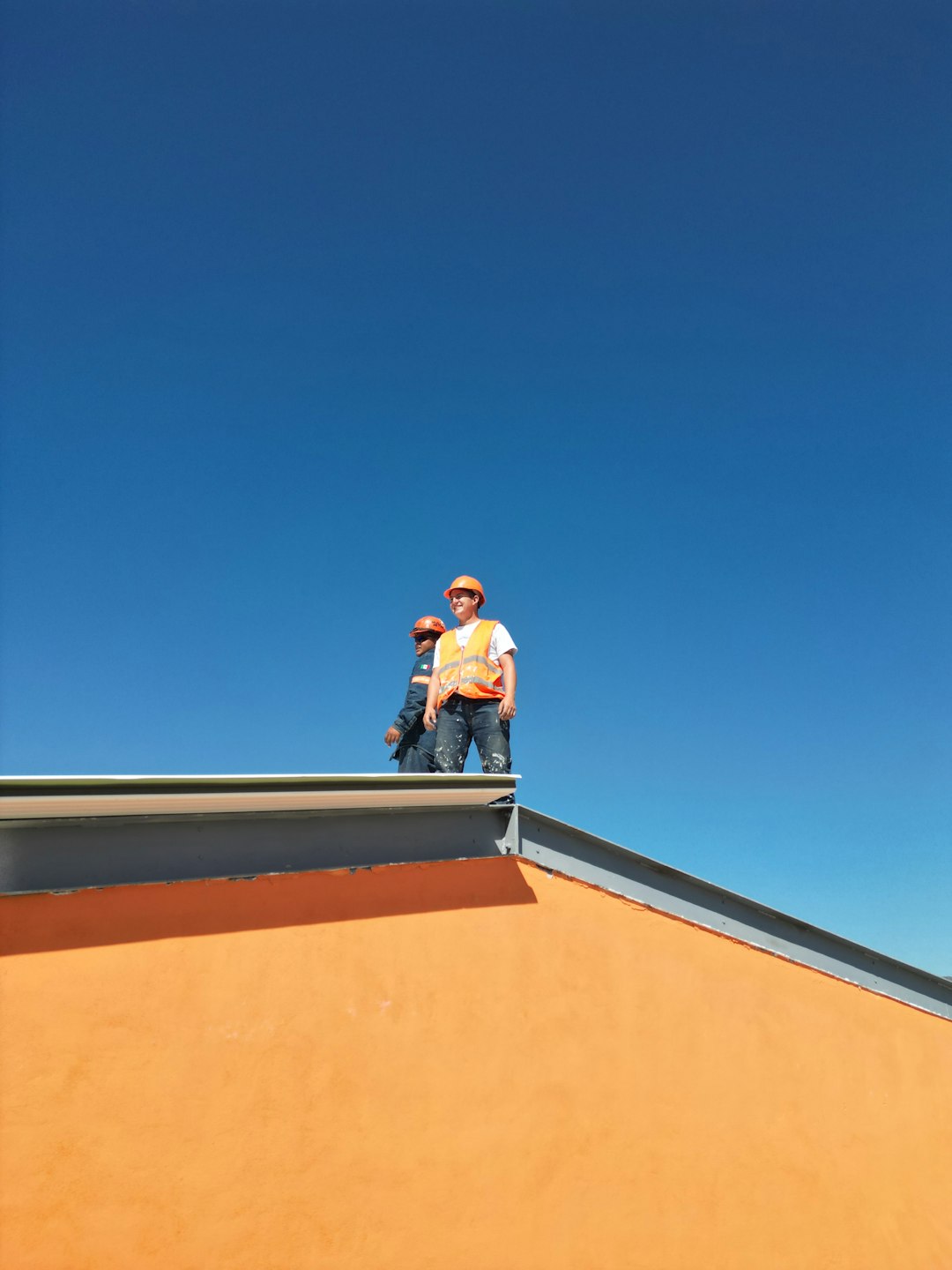
Flat Roofing Companies: 15 Years of Trusted Roofing Experience
After installing over 500 flat roofs across Texas, I've seen what separates quality work from costly mistakes. This guide shares hard-earned knowledge from real roofing projects. My team holds GAF Master Elite certification and follows strict building codes. We want homeowners to make informed decisions about their flat roofs.
This article exists because flat roofs confuse many property owners. You might wonder which materials last longest or how to avoid leaks. Maybe you're comparing quotes from different companies. I'll answer these questions using data from actual installations and manufacturer specifications. You'll learn what really matters when hiring flat roofing companies.
The information here comes from 15 years of hands-on work. I've gathered insights from customer projects, manufacturer training, and building code updates. We track how different materials perform in Texas weather. Our recommendations are based on this real-world experience, not just theory.
Understanding Flat Roof Systems
Flat roofs aren't completely flat. They have a slight slope for drainage. This slope is called a pitch. Proper drainage prevents water pooling and leaks. The slope directs water toward drains or scuppers.
Flat roofs work well in commercial and residential buildings. They offer usable outdoor space. You can install HVAC units or create rooftop gardens. The design simplifies maintenance access compared to steep roofs.
Common Flat Roof Materials
EPDM rubber is a popular choice for flat roofs. This synthetic rubber membrane is durable and flexible. It handles temperature changes well. EPDM comes in black or white colors. White reflects sunlight better, reducing cooling costs.
TPO roofing is another excellent option. This single-ply membrane has strong seams. It resists UV radiation and chemicals. TPO is energy-efficient and environmentally friendly. Many Texas homeowners choose TPO for its heat reflection.
Modified bitumen provides traditional protection. This asphalt-based material includes polymer modifiers. It comes in rolls that installers heat-weld together. Modified bitumen works well for complex roof shapes. It offers good puncture resistance.
PVC roofing membranes are highly durable. They resist chemicals, fire, and wind. PVC seams are heat-welded for watertight protection. This material works well in restaurants or industrial settings. It handles grease and chemicals better than other options.
Built-up roofing (BUR) uses multiple layers. Alternating asphalt and reinforcing fabrics create thickness. The top layer has gravel or mineral granules. BUR systems provide excellent protection but are heavier than single-ply options.
Choosing the Right Flat Roofing Company
Selecting a roofing contractor requires careful research. Look for companies with specific flat roof experience. Ask about their certification with manufacturers like GAF or Firestone. These certifications ensure proper installation techniques.
Check the company's insurance coverage. They should carry liability insurance and workers' compensation. This protects you if accidents occur during the project. Verify their license status with your state's licensing board.
Review their portfolio of completed flat roof projects. Ask for references from similar jobs. A good company will provide recent customer contacts. Speak with these references about their experience.
Understand their warranty offerings. Manufacturer warranties cover material defects. Workmanship warranties cover installation errors. The best companies offer strong warranties for both aspects.
Red Flags to Watch For
Be cautious of extremely low bids. Quality materials and skilled labor have real costs. Very low prices often mean cutting corners. This leads to problems later.
Avoid contractors who pressure you to decide quickly. Good companies give you time to consider options. They provide detailed written estimates without pressure tactics.
Watch out for companies without physical addresses. Established businesses have offices or showrooms. Be wary of contractors who only use PO boxes or temporary locations.
Question contractors who suggest skipping permits. Proper permits ensure work meets building codes. Reputable companies handle permitting for you.
Flat Roof Installation Process
Professional installation follows specific steps. First, contractors inspect the existing roof structure. They check for damage or weak areas. The deck must support the new roofing system properly.
Next comes removing old roofing materials. Crews tear off existing layers down to the deck. They inspect the deck for needed repairs. Any damaged wood gets replaced at this stage.
Installation of insulation comes next. Proper insulation improves energy efficiency. It also provides a smooth surface for membrane installation. The insulation type depends on your climate and budget.
Membrane installation varies by material type. Some systems use adhesives while others heat-weld seams. Each method requires specific training and equipment. Proper installation ensures watertight protection.
Final details complete the project. Flashing gets installed around roof penetrations. Drains and edges receive special attention. The crew performs a final inspection and cleanup.
Timeline Expectations
Most flat roof projects take 3-7 days. Weather conditions affect the schedule. Rain or high winds can delay work. Complex roofs with many penetrations take longer.
Material delivery happens before work begins. The crew protects surrounding areas with tarps. They set up safety equipment and access points. Daily cleanup maintains site safety.
Final inspection occurs after completion. The contractor walks you through the finished work. They explain warranty details and maintenance requirements. You receive documentation for your records.
Flat Roof Costs and Budgeting
Flat roof costs vary by material and complexity. Basic EPDM systems start around $4-8 per square foot. TPO and PVC range from $5-10 per square foot. Modified bitumen costs $5-9 per square foot.
Several factors influence final pricing. Roof size affects material quantities. Complex designs with many penetrations cost more. Accessibility challenges can increase labor costs.
Additional components add to the budget. Proper insulation improves performance but increases cost. Enhanced warranty coverage may have extra fees. Drainage improvements might be necessary.
Real Project Cost Examples
A 2,000 square foot commercial building needed TPO roofing. The project included new insulation and enhanced drains. The total cost was $18,000. This included a 20-year warranty.
A residential flat roof replacement used EPDM membrane. The 1,500 square foot roof cost $9,500. This covered tear-off and new installation. The homeowner received a 15-year warranty.
A modified bitumen installation on a warehouse cost $22,000. The 3,000 square foot roof had complex flashing details. The project included repairing the underlying deck.
Maintenance and Longevity
Regular maintenance extends roof life. Schedule professional inspections twice yearly. Spring and fall are ideal times. Look for damage after severe weather events.
Keep drains and scuppers clear of debris. Clogged drains cause water pooling. Standing water leads to premature deterioration. Check drainage systems monthly during rainy seasons.
Address minor repairs promptly. Small leaks can cause major damage if ignored. Monitor areas around equipment penetrations. These are common leak sources.
Document all maintenance activities. Keep records of inspections and repairs. This helps with warranty claims and future sales. Proper documentation shows care and maintenance.
Common Maintenance Tasks
- Clear debris from roof surface monthly
- Inspect flashing around penetrations quarterly
- Check sealant at edges and seams annually
- Monitor for ponding water after rains
- Trim overhanging tree branches seasonally
- Clean drains and scuppers as needed
- Document all inspections and repairs
Frequently Asked Questions
How long do flat roofs typically last?
Well-maintained flat roofs last 15-30 years. Material quality affects lifespan. EPDM and TPO typically last 20-30 years. Modified bitumen averages 15-20 years. Proper installation and maintenance are crucial factors. Climate and usage also impact longevity.
Can I install a flat roof myself?
Flat roof installation requires professional expertise. Mistakes can cause costly leaks and damage. Manufacturers often void warranties on DIY installations. Professional contractors have proper training and equipment. They understand local building codes and permit requirements.
What's the best flat roof material for hot climates?
White TPO or PVC work well in hot climates. These materials reflect sunlight effectively. This reduces cooling costs significantly. EPDM in white also provides good heat reflection. Consider cool roof ratings when selecting materials.
How do I know when my flat roof needs replacement?
Multiple leaks indicate replacement time. Extensive blistering or cracking suggests problems. Ponding water that doesn't drain needs attention. Visible membrane deterioration requires action. Professional inspection confirms replacement needs.
Are flat roofs more prone to leaks?
Properly installed flat roofs are not inherently leak-prone. Design and installation quality determine performance. Regular maintenance prevents most leak issues. Good drainage systems are essential for flat roof success.
What warranty coverage should I expect?
Quality installations include material and workmanship warranties. Manufacturer warranties cover material defects, typically 10-30 years. Contractor warranties cover installation quality, usually 5-10 years. Read warranty terms carefully before signing contracts.
How does weather affect flat roof installation?
Temperature and moisture affect installation quality. Most membranes require specific temperature ranges. Rain or high winds can delay projects. Professional contractors monitor weather conditions closely. They schedule work for optimal conditions.
Real Project Case Studies
Commercial Building TPO Installation
A 10-year-old retail building had constant leaks. The original built-up roof failed prematurely. We installed a white TPO system with enhanced insulation. The project included upgrading drainage components. Leaks stopped completely, and cooling costs dropped 15%.
Residential EPDM Replacement
Homeowners noticed sagging areas on their flat roof. Inspection revealed saturated insulation and deck damage. We replaced damaged wood and installed new EPDM. The project included adding proper slope for drainage. The homeowners gained a 25-year warranty.
Historic Building Preservation
A century-old building needed roof repairs while preserving character. We used modified bitumen that matched original appearance. Special flashing details maintained historical integrity. The project met preservation guidelines while providing modern protection.
Industry Statistics and Trends
The flat roofing market continues growing steadily. Commercial construction drives much of this growth. Energy-efficient roofing options gain popularity annually. Cool roofing requirements are becoming more common in building codes.
According to industry data, proper maintenance doubles roof lifespan. Regular inspections prevent 80% of major roof failures. Insurance claims data shows weather damage causes most flat roof issues. Hail and wind account for significant repair costs.
Material advancements improve performance constantly. New membrane formulations offer better durability. Installation techniques become more efficient yearly. Sustainability concerns influence material choices increasingly.
Step-by-Step Hiring Guide
- Research local flat roofing companies online
- Check licenses and insurance verification
- Review manufacturer certifications held
- Request multiple detailed written estimates
- Check references from similar projects
- Compare warranty terms carefully
- Verify Better Business Bureau ratings
- Review contract terms thoroughly
- Confirm permit handling procedures
- Discuss project timeline and communication
Conclusion and Next Steps
Choosing the right flat roofing company requires careful consideration. Focus on experience, credentials, and communication. Quality materials and proper installation ensure long-term performance. Regular maintenance protects your investment effectively.
Start by researching local contractors with flat roof expertise. Request multiple quotes with detailed breakdowns. Ask specific questions about materials and warranties. Verify credentials and insurance coverage thoroughly.
Your flat roof represents a significant investment. Taking time to choose the right company pays dividends. Proper installation and maintenance provide decades of reliable protection. Use this guide to make informed decisions about your roofing project.