
Flat Roof Replacement: Your Complete Guide from a Contractor with 15+ Years Experience
I've been replacing and repairing flat roofs across Texas for over fifteen years. I've completed more than 2,500 roofing projects and hold multiple manufacturer certifications, including those from GAF and Firestone. This article exists because I've seen too many homeowners overwhelmed by the flat roof replacement process. They face confusing choices, unexpected costs, and fear of making the wrong decision. My goal is to give you the same knowledge I share with my own clients, so you can approach your project with confidence and clarity. The information here comes directly from my work on hundreds of residential and commercial flat roofs, combined with manufacturer installation guidelines, local building codes, and ongoing industry training. I'll explain not just what to do, but why certain methods work better, based on what I've seen succeed and fail in the real world.
Replacing a flat roof is a major investment in your property's protection. Unlike sloped roofs, flat roofs present unique challenges with drainage, material selection, and long-term durability. This guide will walk you through every step, from recognizing when replacement is necessary to choosing the right contractor. I'll share practical insights you won't find in generic brochures, like how Texas heat affects different membranes or why proper flashing details matter more than the brand name. My methodology is simple: recommend solutions that have proven reliable for my customers over many years, not just what's trendy or cheapest. Let's turn this complex project into a manageable, successful upgrade for your home or building.
When Do You Really Need a Flat Roof Replacement?
Knowing when to repair versus replace saves thousands of dollars. As a contractor, I look for specific, undeniable signs that a roof has reached its end. Multiple leaks in different areas are a clear red flag. One leak might be a simple fix, but water finding new paths through old material means systemic failure. Extensive blistering or bubbling across the surface indicates the membrane layers are separating. This compromises waterproofing completely. Severe alligatoring—cracks that look like reptile skin—shows the material has lost its flexibility and is breaking down. Ponding water that remains for more than 48 hours after rain signals drainage issues that patches cannot solve.
Key Indicators of Roof Failure
Look for these physical signs on your roof. Membrane shrinkage pulls material away from edges and flashings, creating gaps. This is common on older modified bitumen roofs. Rotting or sagging decking felt from underneath, in an attic or top-floor ceiling, means water has soaked the structural layer. A spongy feeling when walking on the roof indicates saturated insulation, which loses its R-value and adds weight. Frequent granular loss from single-ply membranes leaves the top layer exposed to UV degradation. I always recommend a professional inspection if you see two or more of these issues. The National Roofing Contractors Association (NRCA) provides excellent resources on roof lifecycle expectations.
Age and Material Life Expectancy
Material type dictates realistic lifespan. Built-up roofing (BUR) with gravel surfacing typically lasts 15-25 years. Modified bitumen, often called "torch-down," has a 10-20 year range. Single-ply membranes like TPO and EPDM offer 20-30 years when installed correctly. PVC membranes can also reach 20-30 years. These are manufacturer estimates; real-world longevity depends heavily on installation quality, maintenance, and climate. In Texas, intense UV exposure can shorten these ranges. If your roof is within 5 years of its expected lifespan and showing problems, replacement is usually more cost-effective than major repair.
Choosing the Right Flat Roof Material: A Hands-On Comparison
Selecting material is your most important decision. Each type has pros, cons, and ideal applications. I've installed them all and can tell you what works where. TPO (Thermoplastic Polyolefin) is a popular single-ply, white membrane. It's highly reflective, which saves on cooling costs in hot climates. It's also resistant to chemicals, algae, and fire. Seams are heat-welded, creating a strong, watertight bond. However, lower-quality TPO can become brittle over time. I recommend 60-mil or thicker membranes from reputable manufacturers like GAF or Firestone.
EPDM (Ethylene Propylene Diene Monomer) is a synthetic rubber membrane, usually black. It's incredibly durable and flexible in cold temperatures. Installation often involves ballast (stones) or full adhesion. The black color absorbs heat, which can be a drawback in summer but helps melt snow in winter. Seaming requires specialized tape or adhesive, which is a potential failure point if done poorly. PVC (Polyvinyl Chloride) is another single-ply option. It's highly resistant to fire, chemicals, and punctures. Seams are heat-welded like TPO. PVC tends to be more expensive but offers excellent long-term performance for commercial applications.
Modified Bitumen and Built-Up Roofing
Modified bitumen rolls are asphalt-based with polymer reinforcements. They are installed using torch-applied, cold adhesive, or self-adhering methods. Torch-down creates a very strong bond but requires a certified, careful installer due to fire risk. This material is excellent for roofs with lots of penetrations (pipes, vents) because it's easy to flash and seal. Built-up roofing (BUR) involves alternating layers of asphalt and reinforcing fabrics, topped with a gravel surface. It's a time-tested, durable system but is very heavy and labor-intensive to install. BUR provides good impact resistance but is less common in new residential work today.
Material Selection Guide for Homeowners
- Prioritize Reflectivity for Energy Bills: Choose white TPO or a reflective coating if reducing cooling costs is a top goal, especially in Texas.
- Consider Roof Traffic: If you need regular HVAC servicing, a more puncture-resistant material like PVC or a protected membrane roof (PMR) is wise.
- Evaluate Climate Demands: For areas with large temperature swings, EPDM's flexibility is a major advantage.
- Think Long-Term: Always compare the manufacturer's warranty terms, not just the length. What exactly is covered?
The True Cost of Flat Roof Replacement: Breaking Down the Numbers
Costs vary widely based on material, roof size, and complexity. As a ballpark, residential flat roof replacement in our area typically ranges from $8 to $20 per square foot. This translates to $8,000 to $40,000 for an average home. This wide range exists for good reasons. Material cost is one factor. TPO and EPDM are often in the $4-$8 per sq. ft. range for material and installation. Modified bitumen might be $5-$10 per sq. ft. PVC is usually the most expensive, at $6-$12 per sq. ft. These are installed prices from a qualified contractor.
Labor is a significant portion. A complete tear-off (removing old layers) adds cost but is almost always recommended. It allows for proper inspection of the deck. Installing new insulation (required by modern energy codes) adds $2-$5 per sq. ft. but improves efficiency dramatically. Complexity drives price. A simple, large, square roof is most economical. Each penetration (pipe, vent, skylight), wall intersection, or interior drain adds labor time for proper flashing. Roof height and access difficulty also affect the quote. I always provide a detailed, line-item estimate so homeowners understand what they're paying for.
Real Project Cost Examples
Let me share two recent examples from my work. A 1,500 sq. ft. residential garage with a simple, rectangular shape received a 60-mil TPO system. We did a full tear-off, replaced damaged decking in a small section, added new polyiso insulation, and installed the membrane. The total was around $14,500. Another project was a 2,800 sq. ft. low-slope roof on a home with multiple HVAC units, plumbing vents, and two interior drains. We used a reinforced modified bitumen system. The complexity increased the price to about $38,000. The key is to get 3-4 detailed quotes that specify material brand, thickness, insulation R-value, and warranty details.
Understanding Your Quote
A proper quote should include several items. It must list the exact manufacturer and product name (e.g., "Firestone 60-mil TPO UltraPly"). It should specify the insulation type and R-value. The scope of work must state "complete tear-off to deck" or explain why not. It needs to detail the flashing method at all edges and penetrations. The warranty information—both manufacturer material warranty and contractor workmanship warranty—must be clear. Payment terms should be reasonable, with a significant portion due upon completion. Beware of quotes drastically lower than others; they often cut corners on material quality or insulation.
The Professional Installation Process: What to Expect
A proper installation follows a meticulous sequence. Day one usually involves site preparation and the tear-off. Crews will protect your landscaping and set up dumpsters. They'll remove all old roofing materials down to the structural deck. This is a noisy, messy day. The deck is then thoroughly inspected. Any rotted or soft wood is replaced. This critical step prevents future problems hidden beneath the new roof. The crew will then install new insulation boards, fastened securely to the deck. This layer provides thermal value and creates a smooth surface for the membrane.
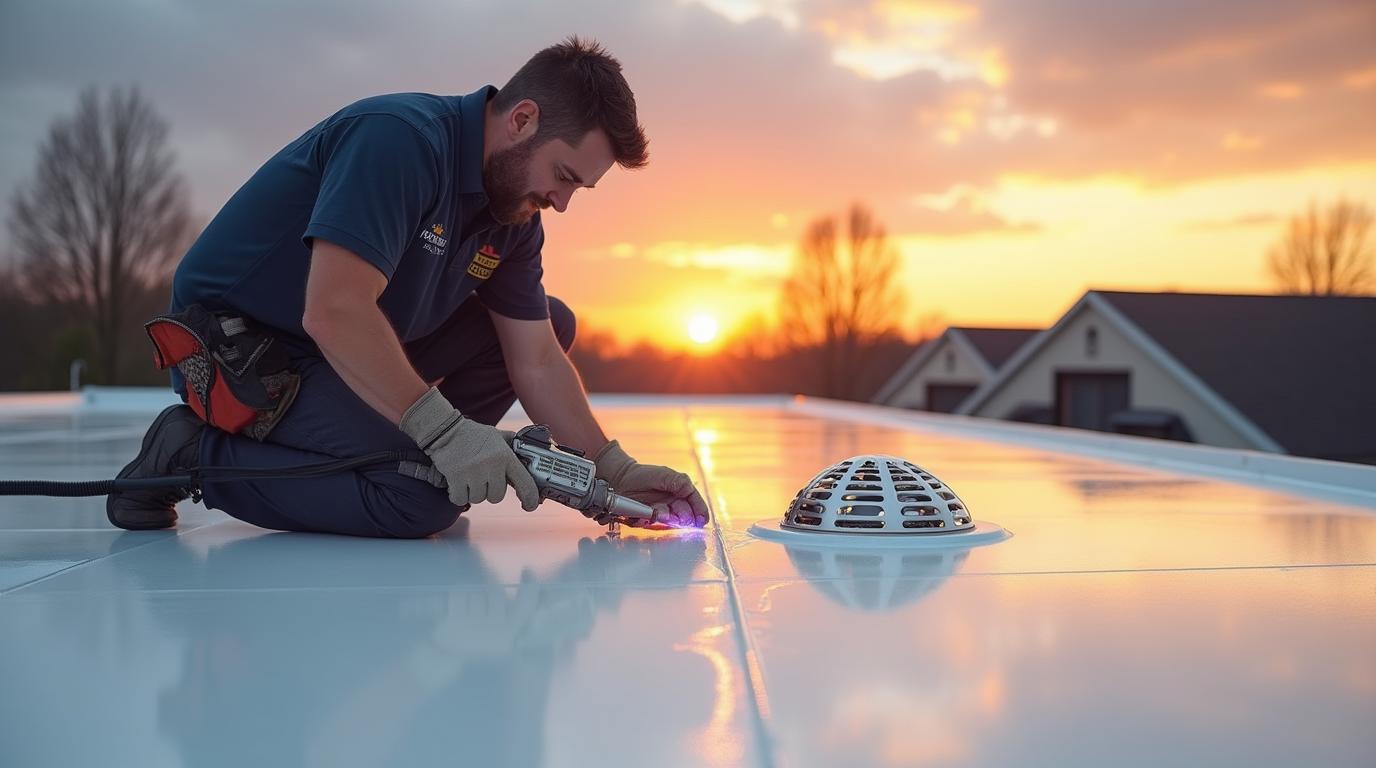
The waterproof membrane installation comes next. For single-ply systems, rolls are laid out and loosely attached. Seams are then cleaned and heat-welded with specialized equipment. This creates a continuous, monolithic sheet. For modified bitumen, rolls are heated with a torch or adhered with cold adhesive, overlapped precisely. All flashings—where the roof meets walls, pipes, or edges—are installed with meticulous detail. These are the most common leak points, so extra attention is paid here. Finally, the system is inspected for any flaws, seams are tested, and the site is cleaned thoroughly.
Critical Steps Homeowners Should Verify
- Deck Inspection: Insist on a written report of the deck condition after tear-off. No new roof should go over compromised wood.
- Proper Fastening: Insulation and membrane must be fastened according to wind uplift codes for your region. This is non-negotiable.
- Seam Integrity: For TPO/PVC, seams should be wide, consistent, and properly welded. For EPDM, seam tape should be fully adhered with no bubbles.
- Flashing Height: Wall flashings should extend up the wall at least 8 inches and be integrated with the wall's water-resistant barrier.
- Drainage: The final roof should have positive slope to drains or scuppers, with no areas of ponding water.
Timeline and Disruption
Most residential flat roof replacements take 2-5 days, depending on size and weather. There will be noise from tear-off and nail guns. There will be vibrations. It's wise to remove fragile items from walls and shelves in top-floor rooms. The crew will need clear access to the roof, often using ladders against the house. Discuss work hours with your contractor beforehand. Good communication minimizes stress. A final walk-through with the project manager is essential. They should explain the work done, show you key details, and provide all warranty documentation.
Warranties, Insurance, and Protecting Your Investment
Warranties are not all equal. The manufacturer's material warranty covers defects in the roofing membrane itself. These often range from 10 to 30 years. However, they typically require installation by a certified contractor and may be prorated over time. The contractor's workmanship warranty covers installation errors, like seam failures or flashing leaks. This is usually for 2-10 years. The most valuable package is a manufacturer's system warranty that includes both material and labor, but it requires the contractor to be an approved installer in good standing.
Homeowner's insurance may cover a replacement if damage is caused by a covered peril, like hail or a fallen tree. The process requires documentation. You need a detailed report from a professional roofer stating the cause and extent of damage. Your insurance company will send an adjuster to inspect. It's highly beneficial to have your contractor present during the adjuster's inspection to ensure all damage is noted. Keep records of all maintenance, as insurers may deny claims for roofs they deem poorly maintained. The Insurance Information Institute offers guidance on this process.
Practical Maintenance Tips from the Field
Your new roof's lifespan depends heavily on maintenance. Perform a visual inspection twice a year, in spring and fall. Look for debris accumulation, especially around drains. Clogged drains are the number one cause of flat roof water problems. Check for any punctures, cuts, or seam openings. Keep the surface clean. Gently remove leaves, branches, and dirt. Avoid pressure washing, which can damage seams and flashings. Trim overhanging tree branches to prevent abrasion and limit debris. Ensure all HVAC units and other equipment have proper, non-penetrating curbs or pads. Never allow unqualified personnel to walk on the roof without protective mats. Schedule a professional inspection every 2-3 years. A trained eye can spot minor issues before they become major leaks.
Frequently Asked Questions (FAQ)
Can I install a new flat roof over the old one?
Sometimes, but I rarely recommend it. A tear-off to the deck allows for a proper inspection of the wood underneath. It also prevents adding excessive weight to the structure. Most building codes allow only two roof layers maximum. Installing over an old roof often voids the new material's warranty. The only exception might be a single-ply roof over an existing, perfectly sound single-ply roof, but this is a case-by-case decision.
How long will the replacement process take?
For a typical 2,000-3,000 square foot residential roof, plan for 3-4 full working days. This includes tear-off, deck repair, insulation, membrane installation, and flashing. Weather is the biggest variable. Rain will stop work, as installing membranes requires a dry surface. Complex roofs with many penetrations or unusual shapes will take longer. Your contractor should provide a realistic schedule upfront.
What is the best flat roof material for a hot climate like Texas?
For heat and UV resistance, white reflective membranes are superior. TPO is an excellent choice due to its high reflectivity, heat-weldable seams, and resistance to algae. A white PVC membrane is also very effective. If you prefer EPDM, consider a white-coated version or plan to apply a reflective coating after installation to reduce heat absorption and energy costs.
Will replacing my flat roof improve my home's energy efficiency?
Absolutely, if done correctly. Modern building codes require higher insulation R-values than older roofs have. Adding new polyiso or XPS insulation during replacement significantly reduces heat transfer. Furthermore, choosing a reflective (white or light-colored) membrane reduces the "heat island" effect on your roof, lowering the temperature of the air directly above it and reducing the cooling load on your HVAC system. This can lead to measurable savings on summer electricity bills.
How do I find a reliable flat roofing contractor?
Look for specific qualifications. They should be licensed and insured in your state. They should hold certifications from major manufacturers (GAF, Firestone, Carlisle). Ask for references for similar flat roof projects, not just shingle work. Check their standing with the Better Business Bureau. Ensure they provide detailed, written contracts and warranties. Avoid contractors who ask for full payment upfront or only accept cash. A reputable roofer will be happy to explain their process and show you examples of their work.
What questions should I ask during the estimate?
Ask these key questions. Will you perform a full tear-off? What is the exact brand and specification of the membrane and insulation? Are you certified by that manufacturer? What is the warranty and what does it exclude? Will you obtain the necessary permits? Who will be the project foreman on site? How will you protect my property and clean up? What is the payment schedule? Getting clear answers separates the professionals from the rest.
Conclusion: Your Path to a Secure, Long-Lasting Roof
Replacing your flat roof is a significant decision, but armed with the right information, it becomes a straightforward path to securing your property. The key takeaways are simple. First, understand the signs that necessitate replacement versus repair. Second, invest time in selecting the right material for your specific climate and building use. Third, choose your contractor based on their flat roof expertise, certifications, and transparency, not just the lowest price. A quality installation is more important than the material brand itself.
Your next step is to get a professional assessment. Even if you're just curious, having a certified roofer inspect your current roof provides a baseline. Use the knowledge from this guide to have an informed conversation with them. Ask about deck condition, drainage options, and insulation upgrades. Remember, this is a long-term investment. A properly installed flat roof should provide decades of trouble-free service, protecting everything underneath it. Don't rush the process. Take the time to plan, budget, and select the right partner for the job. Your future self will thank you for the peace of mind a solid, dry roof provides.