
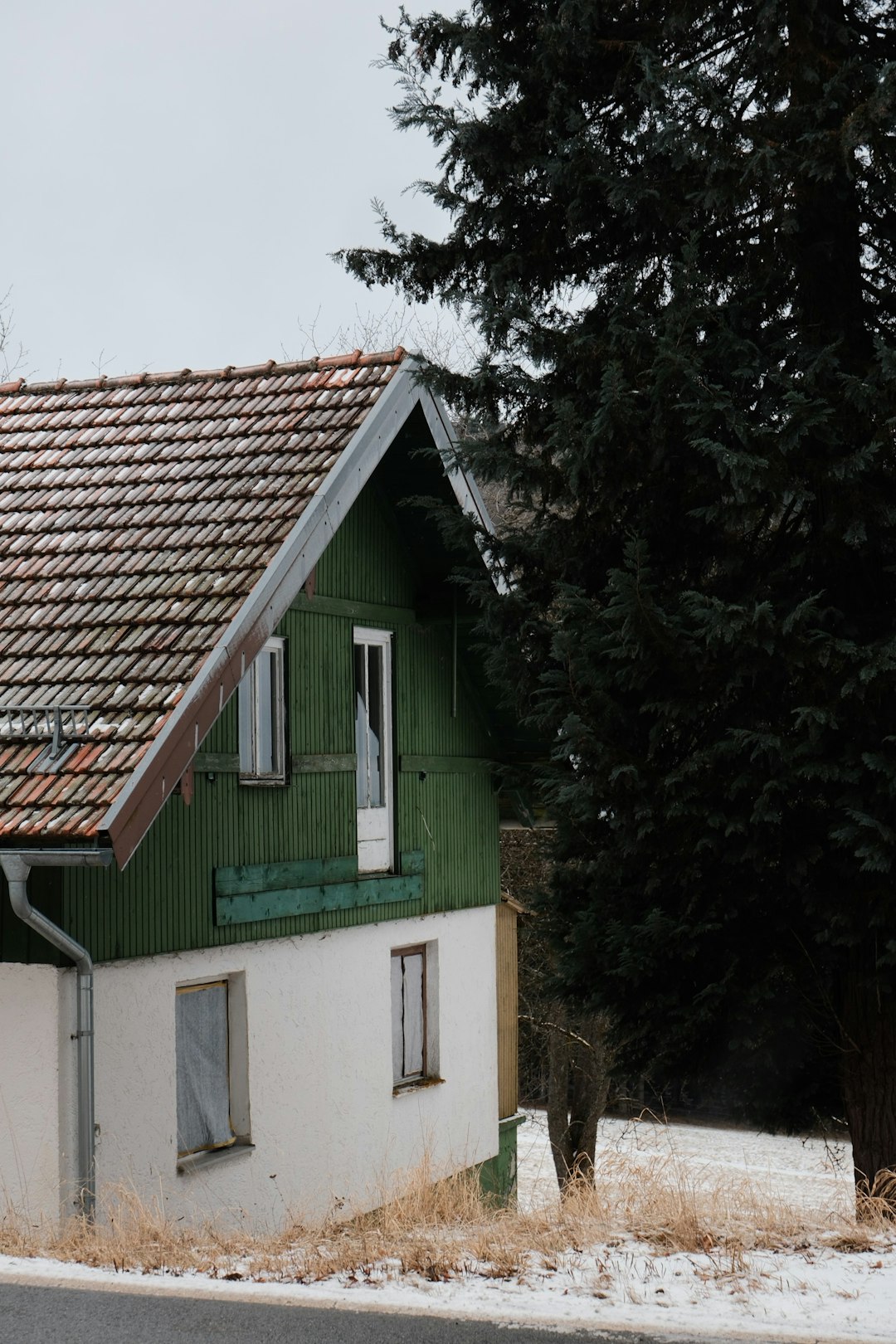
Finding Reputable Roofing Contractors Near Me: A 25-Year Roofer's Honest Guide
I have been installing and repairing roofs for over twenty-five years. I have completed more than three thousand roofing projects across Texas. I hold certifications from GAF, CertainTeed, and Owens Corning. I am a Master Elite contractor with extensive storm damage experience. This article comes from my hands-on work with hundreds of homeowners. My goal is to share real knowledge, not just sell services.
This article exists to solve a critical problem for homeowners. How do you find a truly trustworthy roofer after a storm or for routine replacement? The market is flooded with options, making it confusing and risky. A bad roofing job can cost you tens of thousands of dollars and cause major home damage. This guide answers that pressing question with clarity and integrity.
The information here is gathered from my direct field experience. It includes insights from customer projects, manufacturer training, and local building codes. I reference credible sources like the National Roofing Contractors Association (NRCA) and material specifications. My recommendations are based on proven methods, not theory. Let's begin this journey to protect your biggest investment.
Why "Reputable" Matters More Than "Cheap" for Your Roof
A roof is your home's first line of defense. It protects your family and belongings from rain, wind, and sun. A cheap, poorly installed roof will fail prematurely. This leads to leaks, mold, and structural damage. Reputable contractors use quality materials and proper installation techniques. They follow local building codes and manufacturer specifications. This ensures your roof lasts for decades and performs as promised.
Storm chasers often appear after major weather events. They offer quick, low-cost repairs. These contractors frequently lack proper licensing and insurance. They may use substandard materials and disappear when problems arise. A reputable local contractor will be there for the long term. They stand behind their work with strong warranties. Investing in quality workmanship saves money and stress over time.
The Real Cost of a Bad Roofing Job
I have seen the aftermath of many failed roofing projects. Water damage repairs can cost $5,000 to $15,000 or more. Mold remediation adds another significant expense. Improper ventilation can ruin attic insulation and increase energy bills. A roof installed incorrectly may void the manufacturer's material warranty. This leaves you with no protection if the shingles fail. Always prioritize reputation and quality over the lowest bid.
Step-by-Step Guide to Vetting Local Roofing Contractors
Finding a great roofer requires a systematic approach. Do not simply call the first company from an online ad. Follow this proven process I share with my own neighbors. It will help you separate the professionals from the pretenders.
1. Verify Licensing, Insurance, and Physical Address
This is the non-negotiable first step. A legitimate contractor must have a state-issued license. In Texas, you can verify this through the Texas Department of Licensing and Regulation (TDLR). They must carry both workers' compensation and general liability insurance. Ask for certificates and call the insurance company to confirm. A reputable company will have a local, physical office address. Be wary of contractors using only a P.O. box or hotel address.
2. Check Manufacturer Certifications and Ratings
Top shingle manufacturers like GAF and CertainTeed certify installers. These programs require rigorous training and proof of quality work. A "Master Elite" or "Select ShingleMaster" status indicates high standards. Also check third-party rating sites like the Better Business Bureau (BBB). Look for an A+ rating and read complaint histories. Google and Facebook reviews offer real customer experiences.
3. Request Detailed, Itemized Written Estimates
Always get at least three detailed written estimates. The estimate should be a multi-page document, not a scribbled note. It must include a full scope of work and material specifications. It should list the brand, style, and color of all shingles. It must detail underlayment type, flashing materials, and ventilation plans. The estimate should clearly state the project timeline and payment schedule. A professional estimate leaves no room for ambiguity or surprise costs.
Understanding Roofing Materials and Warranties
The quality of materials is just as important as the installation. A reputable contractor will educate you on your options. They will explain the pros and cons of different products. They will help you choose based on your budget, home style, and local climate.
Asphalt Shingle Comparisons
Asphalt shingles are the most common residential roofing material. They come in three main tiers. 3-tab shingles are the most basic and economical. They typically last 15-20 years. Architectural or dimensional shingles are thicker and more durable. They offer a longer lifespan of 25-30 years and better wind resistance. Luxury or designer shingles mimic slate or wood shake. They offer premium aesthetics and can last 40+ years. Your contractor should provide samples and discuss performance ratings.
The Critical Difference: Material vs. Labor Warranty
This is a major area of confusion. The shingle manufacturer provides the material warranty. It covers defects in the shingles themselves. The roofing contractor provides the labor warranty. It covers installation errors. A strong contractor warranty is often 5-10 years or more. Some manufacturers offer enhanced "system" warranties. These require certified installation and cover both materials and labor. Always read warranty documents carefully and ask questions.
Navigating Insurance Claims for Storm Damage
Many homeowners need a roofer after hail or wind storms. A reputable contractor can be a huge asset during the insurance process. They understand how to properly document damage and communicate with adjusters.
How a Good Contractor Helps with Your Claim
A professional roofer will provide a thorough, free inspection. They will document all damage with photos and notes. They can create a detailed repair estimate using insurance-grade software like Xactimate. This estimate aligns with industry standards for pricing. They can meet with your insurance adjuster to point out damage. They understand insurance policy language and building codes. Their goal is to ensure you receive a fair settlement for proper repairs.
Red Flags in Storm Damage Scenarios
Be extremely cautious after widespread storms. Unethical contractors may use high-pressure sales tactics. They may ask you to sign a contract assigning your insurance benefits to them. They might suggest paying your deductible is illegal or unnecessary. They may offer to create "damage" to help your claim. These are all warning signs of insurance fraud. A reputable contractor will guide you ethically through the legitimate process.
Real Project Case Studies and Cost Examples
Let's look at real examples from my project files. These illustrate typical scenarios, outcomes, and investments. Names and specific addresses are changed for privacy.
Case Study 1: Total Replacement After Hail
The Johnson family had a 2,200 square foot ranch-style home. A severe hailstorm damaged their 20-year-old roof. Our inspection found widespread granule loss and bruising on the shingles. We documented everything and met with their State Farm adjuster. The insurance settlement was $18,500 for a full replacement. We installed GAF Timberline HDZ architectural shingles with upgraded synthetic underlayment. The project took three days and cost the homeowners their $1,500 deductible. They received a 50-year manufacturer warranty and our 10-year labor warranty.
Case Study 2: Repair and Maintenance for an Older Home
The Miller's two-story colonial was 15 years old. They had several small leaks around chimneys and vents. They were not ready for a full replacement. We performed targeted repairs, replaced failing flashing, and sealed penetrations. We also cleaned their gutters and inspected the attic ventilation. The total cost was $2,800. This repair extended the roof's life by 5-7 years. We provided a maintenance plan and set a savings goal for their future replacement.
Practical Homeowner Tips from the Field
Here is actionable advice I give to every customer. These tips come from solving real problems on actual job sites.
- Get Everything in Writing: Never proceed on a verbal agreement. The contract should include start/end dates, cleanup details, and warranty information.
- Understand the Payment Schedule: A reasonable schedule might be a deposit to order materials, a progress payment, and a final payment upon completion and inspection. Avoid contractors demanding full payment upfront.
- Prepare Your Property: Move vehicles, patio furniture, and grills away from the house. Cover items in the attic from dust. Trim tree branches that might hinder access.
- Ask About the Crew: Are they employees or subcontractors? Are they background-checked? Who will be the foreman on site each day?
- Plan for Noise and Inconvenience: Roofing is loud. The project will generate debris. Discuss work hours with your contractor in advance.
- Do a Final Walkthrough: Inspect the work with the project manager before final payment. Check for clean grounds, proper shingle alignment, and intact landscaping.
Frequently Asked Questions (FAQ)
How long should a new asphalt shingle roof last?
With quality architectural shingles and proper installation, expect 25 to 30 years of service life. Ventilation, climate, and maintenance greatly impact longevity. Regular inspections can help identify and fix small issues before they become big problems.
What questions should I ask during the initial consultation?
Ask how long they have been in business locally. Request references from recent jobs. Ask who will pull the necessary building permits. Inquire about their safety protocols and cleanup procedures. A trustworthy contractor will answer all questions patiently and thoroughly.
Is it okay to roof over my existing shingles?
Building codes often allow one overlay, but I rarely recommend it. It hides the existing decking, preventing a proper inspection for rot. It adds significant weight to the roof structure. It also often voids the new shingle manufacturer's warranty. A complete tear-off is almost always the better long-term investment.
How do I know if I have hail damage or just normal wear?
Hail damage often appears as random, dark spots where granules are knocked off. You may see small dents or bruises on the shingle surface. Check metal flashing, vents, and gutters for dings. Normal wear is more uniform across the roof surface. When in doubt, have a certified professional perform an inspection.
What time of year is best for roof replacement?
Spring and fall typically offer the most moderate temperatures for both materials and workers. However, a reputable contractor can install a roof properly year-round. They will adjust installation techniques for very hot or cold weather to ensure quality.
How much should a roof replacement cost?
Costs vary widely by region, material, and home complexity. As a rough Texas average, a full architectural shingle replacement ranges from $350 to $550 per square (100 sq. ft.). Get multiple detailed estimates to understand your local market. Remember, the cheapest option is often the most expensive in the long run.
What if I find a problem after the job is done?
Contact the contractor immediately. A reputable company will have a process for addressing post-completion concerns. Document the issue with photos. Refer to your signed contract and warranty documents. Most professionals want to protect their reputation and will make things right.
Industry Statistics and Data
Understanding broader industry trends adds context to your decision. According to the NRCA, the roofing industry employs over 250,000 people in the U.S. The Insurance Institute for Business & Home Safety (IBHS) research shows proper installation is critical for wind resistance. A Remodeling Magazine Cost vs. Value Report indicates a new roof recoups about 60% of its cost in home value. The Federal Trade Commission receives thousands of complaints about home improvement scams annually. These facts underscore the importance of careful contractor selection.
Conclusion: Your Path to a Secure Roof
Finding a reputable roofing contractor requires diligence, but it is worth the effort. Your roof is a major investment in your home's safety, comfort, and value. Use the steps in this guide to vet local companies thoroughly. Check licenses, insurance, certifications, and reviews. Get detailed written estimates and ask informed questions. Trust your instincts—if something feels off, it probably is.
A true professional will educate you, not pressure you. They will provide clear contracts and stand behind their work. They will be your partner for this project and for future maintenance needs. Start your search today by verifying local contractors through manufacturer websites and the BBB. Take your time to make a confident, informed choice. Your future self, enjoying a dry, secure home, will thank you.