
Felt Roofing Contractors Near Me: A 25-Year Roofer's Honest Guide to Finding the Right Pro
My name is Mike, and I've been installing and repairing roofs for over 25 years. I've personally overseen more than 3,000 roofing projects, from small shed repairs to massive commercial buildings. I hold certifications from major manufacturers like GAF and CertainTeed, and I'm a certified Master Roofer. This article exists because I've seen too many homeowners get confused or taken advantage of when searching for "felt roofing contractors near me." You're not just looking for a name in a directory. You're looking for a trustworthy partner to protect your biggest investment. This guide will give you the insider knowledge I've gained from decades in the field, helping you make an informed, confident decision. I wrote this based on real customer projects, direct work with material manufacturers, and strict adherence to building codes like the International Residential Code (IRC). My goal is to save you time, money, and stress by sharing what really matters.
Felt roofing, also called asphalt-saturated underlayment, is a critical component of your roof system. It's the protective layer installed directly on the roof deck, beneath the final shingles or tiles. Its job is to provide a secondary water barrier. A good contractor knows how to install it correctly. A bad installation can lead to leaks, wood rot, and costly repairs. This guide will walk you through everything: understanding the material, evaluating contractors, knowing the right questions to ask, and understanding the entire process from estimate to completion. I'll share real project examples, cost breakdowns, and common pitfalls to avoid. Let's get started.
What is Felt Roofing Underlayment? The Contractor's Perspective
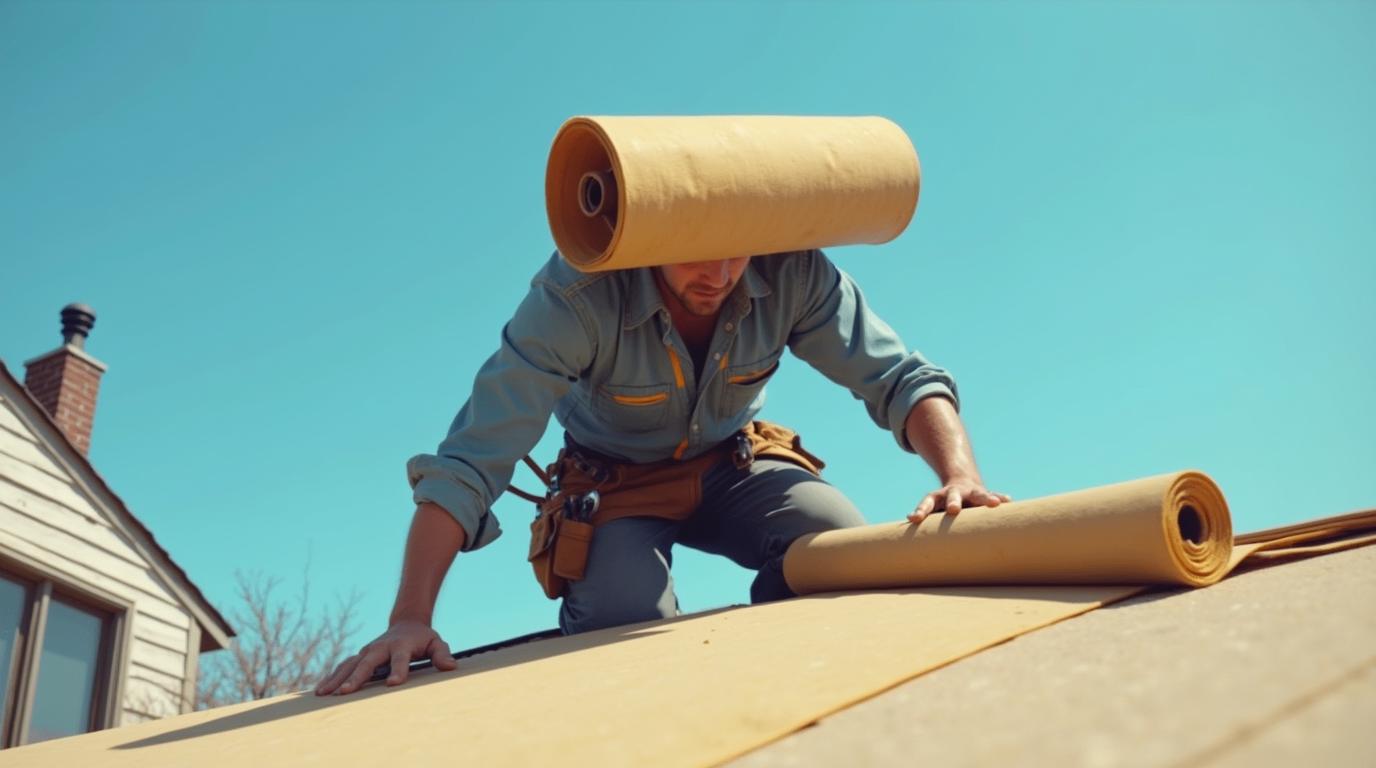
Many homeowners hear "felt" and think of the craft material. Roofing felt is completely different. It's a durable, asphalt-saturated paper or fiberglass mat. It comes in rolls, typically 3 feet wide. We roll it out across the plywood or OSB roof deck before the final roof covering goes on. Its primary purpose is temporary weather protection during construction and a secondary barrier if water gets past the shingles. From my experience, a proper underlayment installation is one of the most overlooked yet vital steps in a quality roof.
Types of Roofing Felt: #15 vs. #30 and Synthetic Options
The two traditional weights are #15 and #30. The number refers to the weight in pounds per 100 square feet (a "square" in roofing terms). #15 felt is thinner and lighter. #30 felt is thicker, heavier, and more durable. For most residential re-roofing projects in our area, #30 felt is the standard I recommend and use. It provides better tear resistance and longevity. However, the industry has evolved. Synthetic underlayments, made from polypropylene or similar materials, are now very common. They are lighter, stronger, and often have better slip resistance for worker safety. Brands like GAF FeltBuster and CertainTeed RoofRunner are excellent. I often use synthetic for its durability and ease of installation, but traditional felt still has its place, especially in certain climates or for specific architectural styles.
Why Proper Installation is Non-Negotiable
You can buy the best material, but if it's installed poorly, it's useless. The key is in the details. Felt must be installed with the correct overlap. Horizontal rows should overlap by at least 2 inches. Vertical seams (where rolls meet end-to-end) should overlap by at least 4 inches. It must be fastened securely with cap nails or staples to prevent wind uplift. Around valleys, chimneys, vents, and walls, special flashing techniques are required. I've been called to fix leaks where the underlayment was installed with barely any overlap or insufficient fasteners. The entire system failed because this foundational step was rushed. A qualified contractor knows and follows the manufacturer's installation instructions and local building codes to the letter.
How to Find and Vet "Felt Roofing Contractors Near Me"
Typing "felt roofing contractors near me" into a search engine gives you a list, but not a qualified list. Your goal is to separate the professionals from the storm chasers and handymen. Here is my step-by-step vetting process, the same one I'd tell my own family to use.
Step 1: Look for Credentials and Proof of Business
First, verify they are a legitimate, local business. They should have a physical business address (not just a P.O. box). Check for a valid state contractor's license. In Texas, you can verify a roofer's license through the Texas Department of Licensing and Regulation (TDLR). Ask for their license number and look it up. They must carry general liability insurance and workers' compensation insurance. Ask for a certificate of insurance (COI) and call the provider to confirm it's current. A professional will have this ready. A hesitant contractor is a major red flag.
Step 2: Evaluate Experience and Specialization
How long have they been in business under the same name? A company with 10+ years of local history is generally more stable. Ask specifically about their experience with felt underlayment installation. Do they primarily do full roof replacements, or just repairs? A contractor who does full replacements will have a deeper understanding of the entire system, including underlayment. Look for manufacturer certifications. These are not easy to get. They require training and often require the contractor to carry certain insurance levels and offer strong warranties. A GAF Master Elite or CertainTeed Select ShingleMaster contractor, for example, has passed rigorous standards.
Step 3: Check Reviews and Ask for References
Online reviews on Google, BBB, and Facebook are a good starting point. Read the negative reviews carefully. Do they mention issues with communication, cleanup, or follow-up? Look for patterns. More importantly, ask the contractor for 2-3 references from recent jobs similar to yours. A confident contractor will provide them. Call those references. Ask specific questions: Was the crew professional? Was the site cleaned daily? Did the project stay on schedule and budget? Was there any follow-up after completion?
Understanding the Cost: A Real Project Breakdown
Homeowners are often surprised by roofing costs. It's a significant investment. Let me break down the costs for a typical 2,000-square-foot roof replacement, including felt underlayment, to give you a realistic picture. Remember, prices vary by region, material choice, and roof complexity.
For a standard asphalt shingle roof replacement, the national average cost is between $8,500 and $16,000. The felt underlayment itself is a relatively small portion of the total material cost. A roll of #30 felt might cost $30-$50, and you'll need about 10-12 rolls for that size roof. So, the material cost for felt is roughly $300-$600. However, the labor to install it properly is baked into the overall installation price. The real cost differences come from the quality of the shingles, the complexity of the roof (lots of valleys, dormers, and pitch increase cost), and the cost to remove and dispose of the old roof. A contractor offering a price that seems too good to be true is almost certainly cutting corners—often on the underlayment, flashing, or ventilation, which are less visible but critically important.
What Should Be Included in a Quote?
A detailed, written estimate is essential. It should include:
- Scope of Work: A clear description: "Complete tear-off and replacement of existing roof system."
- Materials List: Specific brands and products (e.g., "CertainTeed Landmark TL shingles, #30 synthetic felt underlayment, aluminum drip edge, galvanized nails").
- Labor Details: Includes tear-off, disposal, installation, and cleanup.
- Warranty Information: Details on both the manufacturer's warranty on materials and the contractor's workmanship warranty (at least 2-5 years is standard for a pro).
- Payment Schedule: Never pay 100% upfront. A common schedule is a small deposit to schedule, a progress payment when materials are delivered, and the final payment upon satisfactory completion and inspection.
- Timeline: Expected start and completion dates.
The Installation Process: What to Expect Day-by-Day
Knowing what will happen reduces anxiety. Here's a typical timeline for a full roof replacement from a professional crew.
Day 1: Preparation and Tear-Off
The crew arrives early. They will lay tarps around your house to protect landscaping and set up a dump trailer. They will remove all old shingles, underlayment, and nails down to the bare wood deck. They will inspect the deck for rotten or damaged wood. This is a crucial step. Any compromised wood must be replaced before proceeding. You should budget for this possibility; most estimates include a small allowance for wood replacement.
Day 2: Underlayment and Flashing Installation
This is the heart of the job. With a clean, solid deck, they begin installing the new underlayment. They start at the eaves (bottom edge) and work up. Each row overlaps the one below. It is fastened securely. Next, they install metal drip edge along the eaves and rakes (sides). Then, they install step flashing around chimneys and sidewalls, and valley flashing in roof valleys. This metal work is critical for directing water away from vulnerable areas. A good crew takes their time here.
Day 3: Shingle Installation and Cleanup
The final roof covering is installed according to the manufacturer's specs. The crew works methodically, ensuring proper alignment and nailing patterns. Ridge vents are installed for proper attic ventilation. Finally, they perform a meticulous cleanup. They use magnetic rollers to pick up nails from your yard, driveway, and flower beds. The dump trailer is removed. The site should look as good or better than when they arrived.
Common Felt Roofing Problems and How Contractors Fix Them
Even with a good roof, problems can arise. Here are the most common issues I see with felt underlayment and how they are properly addressed.
Problem 1: Wrinkles and Bubbles
If felt is installed on a damp deck or during high humidity, it can wrinkle or bubble as it dries. These wrinkles can telegraph through the shingles and create pockets where water can sit. Fix: The only proper fix is to remove the affected section and re-install it on a dry deck, ensuring it's rolled out smoothly and fastened flat.
Problem 2: Insufficient Fastening
Underlayment that is only stapled in the center or with too few fasteners can be caught by wind and tear. This exposes the roof deck. Fix: The entire sheet must be re-fastened with cap nails or staples every 12-24 inches along the edges and in the field, following the manufacturer's guidelines.
Problem 3: Improper Overlaps
Shallow overlaps are a direct path for water intrusion. Water can wick uphill between the layers. Fix: The overlapping area must be lifted, and a new strip of underlayment must be installed beneath the upper layer to create a proper, shingled overlap of at least 2 inches.
Felt Roofing and Insurance Claims: What Your Contractor Should Know
If your roof is damaged by hail or wind, you may file an insurance claim. A knowledgeable contractor can be a huge help. They should be willing to meet with your insurance adjuster. They can point out damage you might miss, like bruising on the felt underlayment (which indicates a compromised deck) or creased shingles. They should provide a detailed, line-item estimate for the repair that matches insurance company software formats (like Xactimate). Be wary of any contractor who pressures you to sign over your insurance benefits or who offers to cover your deductible—this is often insurance fraud. A professional contractor works with you and your insurer to ensure a fair settlement and a proper repair. Resources like the Insurance Information Institute can help you understand your policy.
Frequently Asked Questions (FAQ)
How long does roofing felt last under shingles?
Properly installed under a sound roof covering, traditional #30 felt can last 20-30 years. Synthetic underlayments often have longer lifespans, some rated for 50+ years. Its lifespan is tied to the health of the primary roof layer above it.
Can you install new felt over old felt?
Building codes and most manufacturers do not recommend this. The old felt may have wrinkles, moisture, or rot hidden beneath it. A proper tear-off to the deck is the only way to ensure a solid foundation for the new roof. Some local codes may allow one overlay, but it's not best practice.
What's the difference between tar paper and roofing felt?
They are often used interchangeably, but "tar paper" is an older term. Modern roofing felt is asphalt-saturated, not tar-based. It is more consistent and durable than the old tar paper products.
How do I know if my underlayment is failing?
Signs inside your home are the first clue: water stains on ceilings or walls, especially after wind-driven rain. From the outside, you might see curling or buckling shingles, which can indicate moisture trapped beneath them. Only a roof inspection can confirm.
Is synthetic underlayment worth the extra cost?
In most cases, yes. It is more tear-resistant, provides better slip resistance for installers, and is often lighter. For a typical home, the material cost difference is minimal compared to the overall project, and the performance benefits are significant.
What questions should I ask a contractor about underlayment?
Ask: "What specific brand and type of underlayment do you plan to use?" "What is your overlap and fastening pattern?" "Do you follow the manufacturer's installation instructions?" "How do you handle valleys and penetrations?" Their answers will reveal their expertise.
Does underlayment affect my roof's warranty?
Absolutely. Most shingle manufacturers require the use of an approved underlayment installed according to their specs for the full warranty to be valid. Using an unapproved material or improper installation can void the shingle warranty.
Real Project Case Study: The Importance of a Proper Base
Last year, we were called to a 15-year-old home with persistent leaks in two bedrooms. The previous roofer had installed premium architectural shingles, but the leaks kept returning. Upon tear-off, we found the issue: they had used #15 felt and installed it with a mere 1-inch overlap. Over time, wind and thermal movement had caused the seams to separate slightly. During heavy rain, water would drive up the shallow overlap and soak the roof deck. Outcome: We completely removed the old system, replaced a few sections of water-damaged decking, installed a high-quality synthetic underlayment with 4-inch overlaps, and re-shingled. The homeowner has been leak-free since. The lesson: the most expensive shingles won't perform if the foundation beneath them is weak.
Industry Statistics and Data
According to a National Association of Home Builders (NAHB) study, a roof replacement is among the top home improvement projects for return on investment. Proper installation is key. The National Roofing Contractors Association (NRCA) reports that installation errors account for the majority of premature roof failures, not material defects. Furthermore, research from the U.S. Department of Energy shows that a properly installed roof system with adequate ventilation can significantly reduce attic temperatures and lower cooling costs.
Conclusion: Your Next Steps to a Secure Roof
Finding the right "felt roofing contractor near me" is about more than a Google search. It's about finding a licensed, insured, experienced professional who understands that the underlayment is the unsung hero of your roof. Use the vetting steps in this guide. Ask detailed questions. Get multiple written estimates. Remember, the cheapest option is rarely the best when it comes to protecting your home from the elements. Your roof is a system, and every component, from the deck to the underlayment to the shingles, must work together. A qualified contractor will ensure it does. Start your search today by checking licenses, reading reviews, and scheduling consultations. Your future dry, secure home will thank you.