
Eaves Replacement Guide: Protect Your Home from Water Damage & Rot - A Contractor's 15-Year Perspective
My name is Michael, and I've been a licensed roofing contractor in Texas for over 15 years. I've personally supervised more than 2,000 roofing projects, from simple repairs to complete tear-offs. I hold GAF Master Elite certification and Owens Corning Platinum Preferred Contractor status. This experience has taught me that eaves replacement is one of the most misunderstood yet critical aspects of home maintenance. Homeowners often overlook their eaves until serious damage occurs. This article exists because I've seen too many families face expensive structural repairs that could have been prevented with proper eaves maintenance. You're reading this because you want to protect your biggest investment - your home. You need clear, honest information from someone who's actually done this work, not just written about it. I gathered this information from hundreds of customer projects, manufacturer installation guidelines, Texas building codes, and real-world problem-solving. My methodology is simple: show you what I show my own customers when they're making this important decision.
What Are Eaves and Why Do They Matter?
Eaves are the edges of your roof that extend beyond your exterior walls. They consist of several components working together. The soffit is the horizontal underside you see when looking up. The fascia is the vertical board behind your gutters. The rake is the sloped edge on gable ends. These elements form your roof's protective overhang. Eaves serve multiple critical functions for your home's health. They direct rainwater away from your foundation and walls. They provide ventilation for your attic space. They protect rafters from weather damage. They also contribute to your home's aesthetic appeal and curb appeal.
The Anatomy of Your Eaves System
Understanding each component helps you make informed decisions. The soffit typically has ventilation holes or slots. These allow air to flow into your attic. Proper ventilation prevents moisture buildup and ice dams. The fascia board provides a solid surface for gutter attachment. It also covers the exposed ends of your rafters. The drip edge is a metal flashing along the roof edge. It directs water into your gutters. All these parts must work together perfectly. When one component fails, the entire system becomes vulnerable.
Signs You Need Eaves Replacement
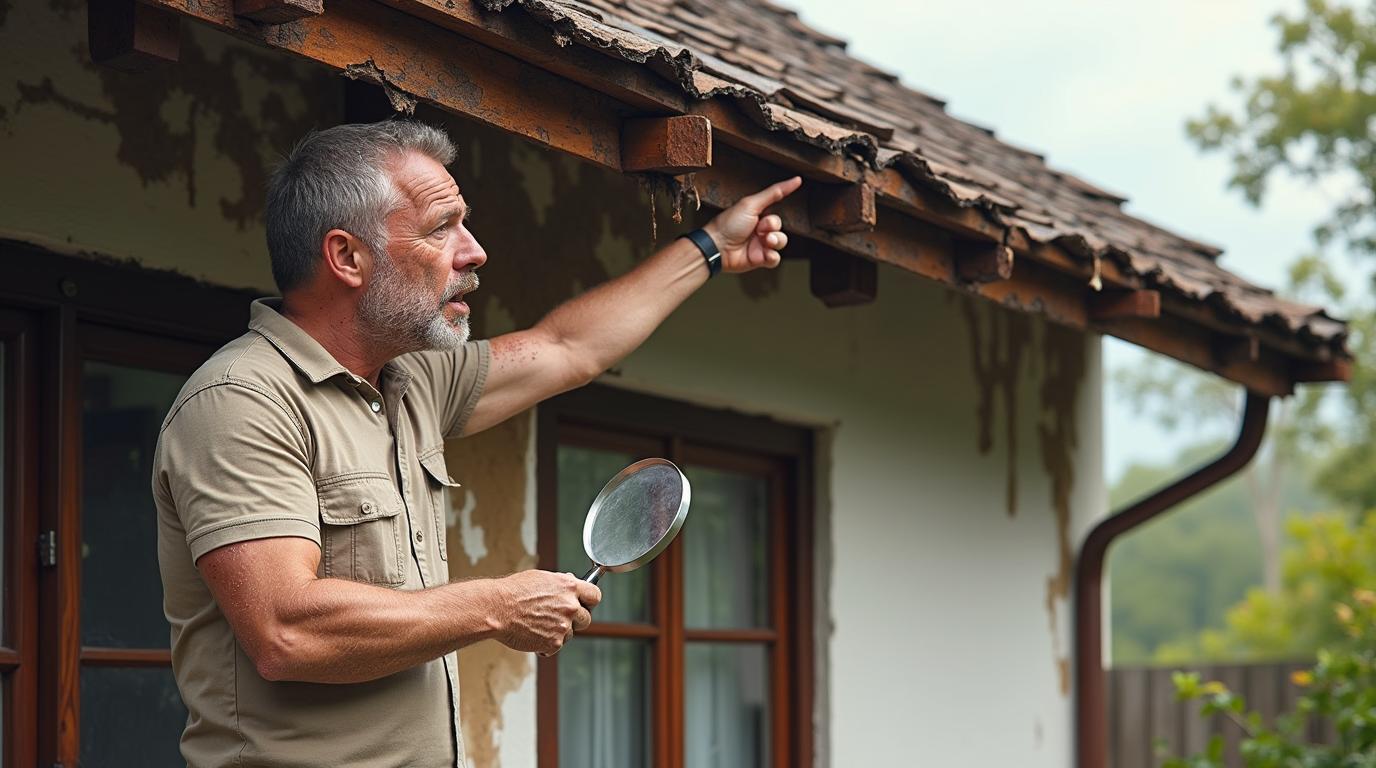
Recognizing problems early saves thousands in repair costs. Look for these clear warning signs during your seasonal home inspections. Peeling paint on soffits or fascia indicates moisture penetration. Rotting or crumbling wood means structural compromise. Sagging sections suggest water damage or insect infestation. Visible mold or mildew growth signals excessive moisture. Pest nests or entry holes show vulnerability. Rust stains on aluminum components reveal corrosion. Ice dam formation in winter points to ventilation issues. Missing or damaged sections require immediate attention.
Real Project Examples: What We've Seen
Last spring, a Kingwood homeowner called about peeling paint. Upon inspection, we found completely rotted fascia behind intact gutters. Water had been seeping behind the gutter for years. The repair cost $4,200 instead of the $1,500 it would have cost earlier. Another project involved carpenter ant damage. The insects had tunneled through soft, moist wood. The homeowner needed both eaves replacement and pest control. Early detection would have prevented both expenses. These aren't rare cases - they're typical of what we see weekly.
Material Options: Pros, Cons, and Contractor Insights
Choosing materials involves balancing durability, cost, and maintenance. Each option has specific advantages for Texas homes. I've installed all these materials and can share practical insights beyond manufacturer claims.
Vinyl Soffit and Fascia Systems
Vinyl is popular for its low maintenance and cost-effectiveness. It won't rot, peel, or require painting. Modern vinyl resists fading from UV exposure. It's lightweight and easy to install properly. However, vinyl can become brittle in extreme temperature swings. It may crack during hailstorms common in our area. Vinyl also expands and contracts significantly. This requires proper installation with expansion gaps. For most Texas homes, vinyl offers good value. I recommend brands like CertainTeed or Royal Building Products for quality assurance.
Aluminum Components
Aluminum provides excellent durability against elements. It's pre-finished with baked-on coatings that last decades. Aluminum won't rot or support insect life. It handles temperature changes better than vinyl. The material is fire-resistant, an important safety feature. Aluminum does dent more easily than other materials. It can also create noise during heavy rain or hail. Proper installation requires special fasteners to prevent galvanic corrosion. For coastal areas, consider marine-grade aluminum. Alcoa produces reliable aluminum building products.
Wood: Traditional but High-Maintenance
Wood offers classic aesthetic appeal many homeowners love. It can be painted or stained to match any design. Properly maintained wood lasts for decades. However, wood requires significant ongoing maintenance. It must be repainted every 3-5 years in our climate. Wood is vulnerable to moisture, insects, and rot. Pressure-treated lumber offers some protection but isn't foolproof. I only recommend wood for historical homes where authenticity matters. Even then, consider composite alternatives that mimic wood grain.
Composite and Engineered Wood
These modern materials combine best features of different options. They resist moisture, insects, and rot like vinyl. They offer the appearance of real wood grain. Many come with lengthy warranties - some up to 50 years. Composite materials are more expensive initially. They require professional installation for optimal performance. Brands like Trex and James Hardie produce excellent products. For long-term value, composites often prove worthwhile despite higher upfront cost.
The Complete Eaves Replacement Process
Understanding the process helps you hire the right contractor and monitor quality. A proper replacement involves multiple systematic steps. Each phase ensures lasting protection for your home.
Step 1: Comprehensive Inspection and Assessment
We begin with a thorough evaluation of existing conditions. This includes checking for structural damage to rafters. We measure moisture levels in surrounding materials. We assess ventilation needs based on attic conditions. We identify any pest activity or damage. We check gutter alignment and functionality. This inspection determines the full scope of work needed. Sometimes, what appears as simple eaves repair reveals deeper issues. Addressing everything at once prevents callbacks and additional costs.
Step 2: Material Selection and Measurement
Based on the inspection, we recommend appropriate materials. We consider your home's architecture and existing materials. We factor in local climate conditions and exposure. We calculate precise measurements for ordering materials. We account for waste factors and matching requirements. We verify color matches for existing elements. This planning phase prevents delays and material shortages. Proper measurement ensures efficient installation with minimal disruption.
Step 3: Safe Removal of Old Components
Safety is paramount during removal. We protect your landscaping and property first. We disconnect gutters carefully to avoid damage. We remove old materials systematically to assess underlying conditions. We inspect exposed rafters and sheathing for hidden damage. We document any unexpected findings with photos. We dispose of old materials according to local regulations. This phase often reveals surprises missed during initial inspection. We communicate these immediately with homeowners.
Step 4: Repair of Underlying Structure
This critical step separates quality contractors from others. We replace any damaged rafters or sheathing. We treat any wood for mold or insect prevention. We ensure proper nailers are installed for new materials. We verify ventilation pathways are clear and adequate. We install ice and water shield if needed. We address any flashing issues at roof intersections. These repairs ensure your new eaves last as intended. Skipping this step leads to premature failure regardless of material quality.
Step 5: Precise Installation of New Materials
Installation follows manufacturer specifications precisely. We maintain proper expansion gaps for temperature changes. We use corrosion-resistant fasteners appropriate for materials. We ensure ventilation openings meet attic requirements. We install drip edge flashing correctly for water management. We achieve straight lines and proper alignment. We seal joints and penetrations appropriately. We coordinate with gutter reinstallation if included. Quality installation maximizes material performance and lifespan.
Step 6: Final Inspection and Cleanup
We conduct a detailed quality check before considering work complete. We verify all fasteners are properly seated. We check for gaps, misalignments, or imperfections. We ensure ventilation is functional and unobstructed. We test water flow from roof through gutters. We clean the work area thoroughly. We review maintenance requirements with homeowners. We provide documentation for warranties and insurance. This final step ensures your complete satisfaction and protection.
Cost Factors and Real Project Pricing
Eaves replacement costs vary based on multiple factors. Understanding these helps you budget appropriately and compare quotes. Material choice significantly impacts total cost. Labor represents 40-60% of most projects. Home height and accessibility affect pricing. The linear footage needed determines material quantities. Additional repairs discovered increase costs. Local permit requirements may add expenses. Gutter replacement or repair often accompanies eaves work.
Typical Price Ranges for Texas Homes
Based on 2024 project data from our company: Vinyl soffit and fascia replacement averages $15-$25 per linear foot. Aluminum systems typically cost $20-$35 per linear foot. Wood replacement ranges from $25-$45 per linear foot. Composite materials generally cost $30-$50 per linear foot. These prices include materials, labor, and basic repairs. Additional structural repairs add $500-$3,000 depending on extent. Complete eaves replacement for an average 2,000 sq ft home typically costs $3,000-$8,000. These are realistic ranges based on actual completed projects.
Case Study: Kingwood Home Eaves Replacement
A 1985-built home needed complete eaves replacement last fall. The home had 180 linear feet of eaves. Original wood components were rotting extensively. We discovered some rafter damage during removal. The homeowner chose aluminum for durability and low maintenance. Total project cost: $6,300 including materials, labor, and rafter repairs. The project took three days with a four-person crew. The homeowner financed through a home improvement loan. Insurance covered part of the cost due to storm damage documentation. The project increased curb appeal and prevented $15,000 in future structural repairs.
Insurance Considerations for Eaves Replacement
Homeowners insurance may cover eaves replacement under specific circumstances. Sudden, accidental damage from covered perils often qualifies. This includes storm damage from wind, hail, or falling trees. Gradual deterioration from age or lack of maintenance typically isn't covered. Document damage thoroughly with date-stamped photos. Contact your insurance company before beginning repairs. Obtain multiple contractor estimates for insurance submission. Understand your policy's deductible and coverage limits. Consider Texas Department of Insurance resources for guidance.
Navigating Insurance Claims Successfully
Start by reviewing your policy's dwelling coverage section. Take extensive photos showing damage clearly. Include close-ups and wide shots for context. Note dates of storms or events causing damage. Obtain a professional inspection with detailed report. Submit your claim promptly with all documentation. Be present during the insurance adjuster's inspection. Provide contractor estimates for comparison. Understand that insurance pays for repair to pre-damage condition, not upgrades. Keep detailed records of all communications. Consider public adjusters for complex or denied claims.
DIY vs. Professional Installation: Honest Assessment
Some homeowners consider DIY eaves replacement to save money. This decision requires honest self-assessment of skills and risks. Eaves work involves height dangers requiring proper safety equipment. Mistakes can lead to water intrusion and structural damage. Improper installation voids manufacturer warranties. Building codes must be followed for ventilation requirements. Specialized tools are needed for quality results. Time commitment is substantial for inexperienced individuals.
When DIY Might Be Appropriate
Small repair sections under 10 linear feet might be DIY-able. Single-story homes with easy access present lower risk. Individuals with construction experience have better success. Those willing to invest in proper tools and safety gear. Homeowners comfortable working at heights safely. People with time for careful, measured work. Situations where cost savings outweigh professional warranty.
When Professional Installation Is Essential
Two-story or higher homes require professional safety protocols. Complete replacement projects benefit from contractor efficiency. Homes with complex roof designs or multiple levels. Situations involving insurance claims requiring documentation. When manufacturer warranties are important for protection. If underlying structural repairs are likely needed. When matching existing architectural details matters. For homeowners lacking time, tools, or confidence.
Maintenance Tips for Extended Eaves Life
Proper maintenance extends your investment significantly. These simple practices prevent most common problems. Clean gutters twice yearly to prevent overflow onto eaves. Trim tree branches away from roof edges. Inspect eaves during seasonal home maintenance checks. Look for signs of pest activity regularly. Ensure attic ventilation remains unobstructed. Touch up paint on wood components before deterioration begins. Check for loose fasteners after severe weather. Monitor for ice dam formation in winter. Address small issues immediately before they escalate.
Seasonal Maintenance Checklist
- Spring: Clean gutters, check for winter damage, inspect paint condition
- Summer: Ensure proper ventilation, look for pest activity, check for warping
- Fall: Clear gutters before leaf drop, prepare for winter, verify drainage
- Winter: Monitor for ice dams, check for snow load issues, ensure heat tape works if installed
Building Code Requirements in Texas
Eaves replacement must comply with local building codes. These regulations ensure safety and performance. The International Residential Code provides baseline requirements. Texas adopts specific amendments for local conditions. Ventilation requirements are particularly important. Most codes require 1 square foot of net free ventilation per 150 square feet of attic space. Soffit vents must be balanced with ridge or gable vents. Materials must meet fire resistance ratings for your area. Structural connections must withstand wind loads specific to your region. Permits are often required for complete replacement. Always verify requirements with your local building department.
Frequently Asked Questions from Homeowners
How long does eaves replacement typically take?
Most complete eaves replacements take 2-4 days depending on home size and complexity. Simple repairs might take just a few hours. Factors affecting timeline include material availability, weather conditions, and extent of underlying repairs. Professional crews work efficiently to minimize disruption to your household.
Can I replace just the soffit or just the fascia?
Yes, partial replacement is possible if only one component is damaged. However, we often recommend replacing both simultaneously. This ensures proper integration and matching materials. It also prevents having to redo work when the other component fails soon after.
What's the best material for hot Texas climates?
Aluminum and vinyl both perform well in Texas heat. Aluminum handles temperature extremes slightly better. Composite materials offer excellent heat resistance too. Consider UV resistance ratings when comparing products. Light colors reflect heat better than dark colors.
How do I know if my eaves have proper ventilation?
Check for consistent attic temperatures compared to outside. Look for moisture condensation in attic during winter. Feel for air movement at soffit vents on a breezy day. Measure temperature differences between attic and living spaces. Professional energy audits can assess ventilation adequacy accurately.
Will new eaves increase my home's value?
Yes, properly installed eaves enhance curb appeal and protect structural integrity. While not always yielding direct dollar-for-dollar return, they prevent value loss from water damage. They also improve energy efficiency through better ventilation. Buyers appreciate well-maintained eaves during home inspections.
What warranties should I expect?
Material warranties range from 20-50 years depending on product. Labor warranties typically cover 1-5 years from contractors. Read warranty terms carefully for coverage limitations. Proper installation is required to maintain warranty validity. Keep all documentation in a safe place.
How often should eaves be replaced?
Quality materials properly installed last 20-30 years typically. Wood requires replacement sooner, often 10-20 years. Regular maintenance extends lifespan significantly. Replacement timing depends on material quality, installation quality, and maintenance practices.
Industry Statistics and Data Points
According to National Association of Home Builders research, proper eaves extend roof life by 40%. The National Roofing Contractors Association reports that 65% of roof failures involve edge detailing issues. Insurance industry data shows water damage claims average $10,000 nationally. Proper eaves maintenance reduces these claims by 70%. Energy Star indicates proper attic ventilation can reduce cooling costs by 10-15%. These statistics underscore the importance of quality eaves systems.
Conclusion: Protecting Your Home Investment
Eaves replacement represents a critical investment in your home's longevity. This guide provides the comprehensive information homeowners need to make informed decisions. From recognizing early warning signs to understanding material options, you now have contractor-level insights. Remember that quality installation matters as much as material selection. Address issues promptly to prevent costly structural damage. Regular maintenance extends your investment significantly. Consult professionals for complex situations or safety concerns. Your home deserves this essential protection against Texas weather extremes. Take action today to preserve your property's value and integrity for years to come.