
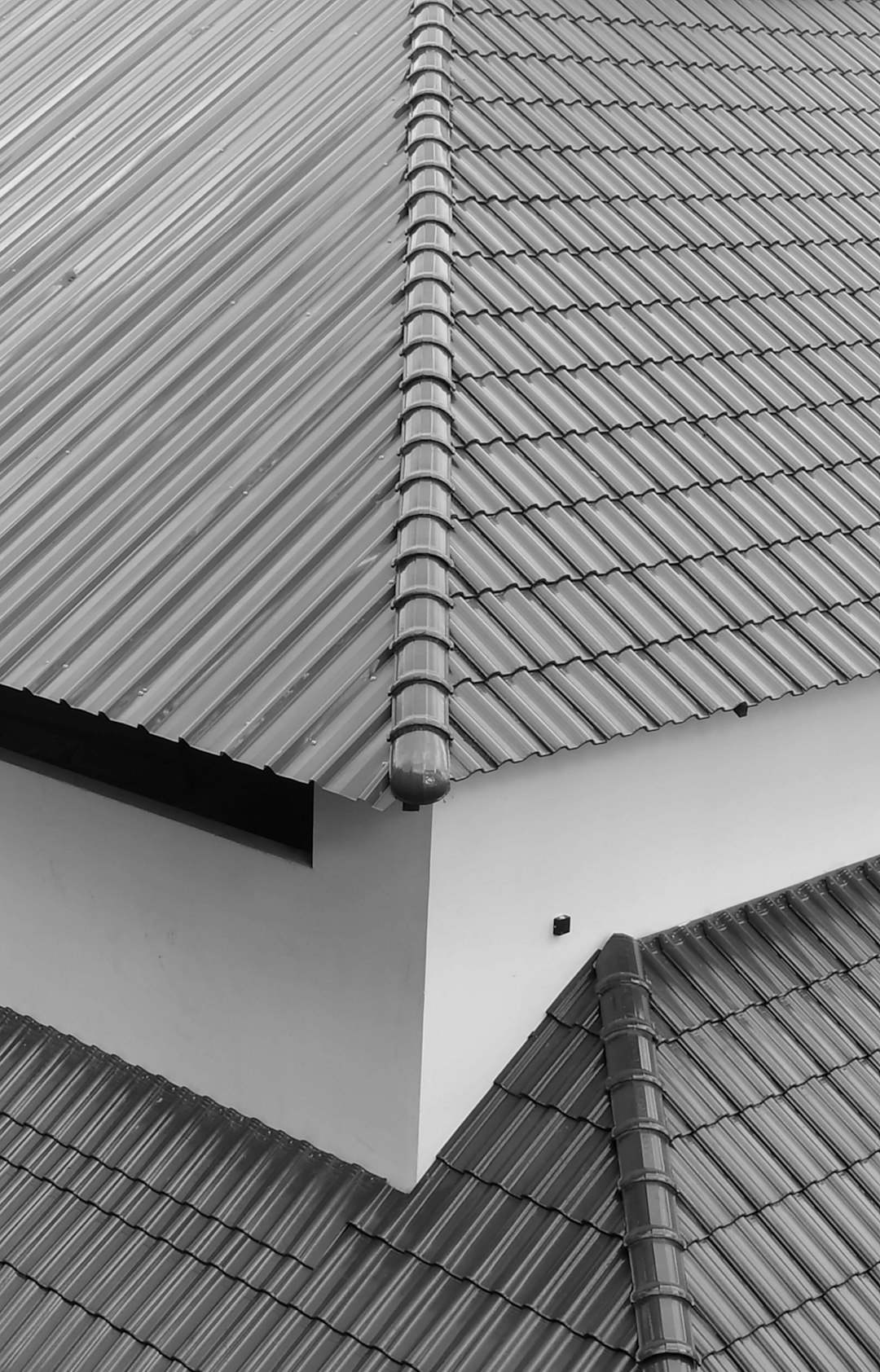
Cracked Roof Tile Repair Bunnings: A Roofer's 15-Year Guide to Protecting Your Home
I have been a licensed roofing contractor for over fifteen years. During that time, I have completed more than two thousand residential roofing projects across Texas. I hold certifications from major tile manufacturers like Boral Roofing and Monier. I have personally repaired hundreds of cracked roof tiles. This article exists to solve a very common and stressful problem for homeowners. You have discovered a cracked tile on your roof. You are worried about water damage, mold, and expensive repairs. You might be considering a trip to Bunnings for supplies. This guide will answer your critical questions. It will show you when a DIY fix is safe and when you absolutely need a professional. My goal is to save you time, money, and prevent further damage to your most valuable asset.
The information here comes directly from my field experience. It is based on repairing roofs after Texas hailstorms, fixing age-related wear, and addressing improper installation. I have consulted manufacturer installation manuals, local building codes like the International Residential Code (IRC), and insurance claim data. My recommendations follow proven, safe methods. They prioritize your home's long-term protection over a quick, temporary patch. This is not generic advice. It is a contractor's perspective on what truly works to keep your home dry.
Understanding Your Roof Tiles: More Than Just Broken Clay
Cracked tiles are a symptom, not just a problem. The type of tile and the cause of the crack determine the correct repair strategy. Using the wrong method can void warranties and cause hidden damage.
Common Roof Tile Types and Their Vulnerabilities
Concrete tiles are very common in Australia and many parts of the world. They are durable but can crack from impact or freeze-thaw cycles. Clay tiles are classic and long-lasting. They are brittle and can crack if walked on improperly. Synthetic or composite tiles are made from recycled materials. They are lighter but can become brittle with UV exposure over time. Each material requires specific handling and compatible repair products.
Why Roof Tiles Crack: Diagnosing the Root Cause
Walking on tiles is the most common cause of cracks. Even professionals must step carefully in specific load-bearing areas. Hail and falling branches cause immediate impact damage. These cracks are often star-shaped or create holes. Thermal stress from expansion and contraction can cause hairline cracks over time. Poor installation or an uneven roof deck creates pressure points. These points eventually lead to cracking. Settling of the house structure can also twist and break tiles. Identifying the cause helps prevent future cracks.
The Essential Bunnings Shopping List for Tile Repair
Bunnings Warehouse is a great resource for homeowners. You can find many quality products for minor repairs. However, not all products are suitable for all jobs. Here is a breakdown of what you might need, based on the repair type.
For Simple Hairline Crack Sealing
You will need a high-quality roofing sealant. Look for polyurethane or silicone-based products labeled for roof repairs. Brands like Selleys and Bostik offer good options. You need a caulking gun to apply the sealant neatly. A stiff brush and some isopropyl alcohol are crucial for cleaning the tile surface. Clean surfaces ensure the sealant bonds properly. Do not use general-purpose silicone. It will not last under sun and rain.
For Tile Replacement or Major Repair
If you need to replace a tile, you must find an exact match. Bunnings may carry common profiles, but matching older tiles can be difficult. You will need a slate ripper or roofing hammer to safely remove the broken tile. Roofing nails or screws compatible with your batten system are necessary. A bag of mortar mix is needed for bedding and pointing clay tiles. Always buy a few extra tiles for future repairs. Color matching faded tiles is a significant challenge for DIYers.
Step-by-Step: Assessing If You Can DIY or Must Call a Pro
Safety is your number one priority. Roof work is dangerous. This decision tree is based on real customer situations I have encountered.
When a DIY Repair is Possible (With Caution)
A single, isolated tile is cracked in an easily accessible area. The roof pitch is low (less than 25 degrees). You have proper safety equipment like a harness, roof brackets, and non-slip shoes. The crack is hairline and does not compromise the tile's structure. You are physically able and confident working at height. The repair is a simple sealant application, not a full replacement. Even then, extreme caution is required. Most homeowners underestimate the risk.
When You Must Absolutely Hire a Professional Roofer
Multiple tiles are damaged across the roof. The damaged area is near ridges, valleys, or flashings. These are complex waterproofing zones. The roof pitch is steep or the access is difficult. You see signs of water stains on your interior ceiling. This indicates an active leak. The tiles are old, brittle, or you cannot find matching replacements. The crack is severe, with pieces missing. You are unsure about the root cause of the damage. A pro can diagnose underlying deck or framing issues. According to Safe Work Australia, falls from roofs remain a leading cause of death in construction.
The Professional Repair Process: What You're Paying For
When you hire a licensed roofer, you are paying for expertise, safety, and warranty. Here is what a proper repair entails, beyond just swapping a tile.
Comprehensive Leak Investigation
A professional starts by tracing the water path. Water can enter at a crack and travel far before dripping inside. We inspect the underlayment (sarking) beneath the broken tile. Often, the sarking is also damaged and must be patched. We check surrounding tiles for hidden damage. We ensure the roof battens are not rotten or compromised. This holistic approach fixes the leak completely, not just the visible symptom.
Correct Tile Replacement Technique
For concrete tiles, we carefully lift the overlapping tiles using special tools. We remove the broken tile without damaging its neighbors. The new tile is slid into place and nailed correctly according to the manufacturer's wind rating. For clay tiles, they are often bedded in mortar and hooked over battens. We mix color-matched mortar to maintain the roof's appearance. We always secure the tile according to the local wind load requirements specified in the National Construction Code (NCC).
Cost Analysis: DIY vs. Professional Roof Tile Repair
Cost is a major factor for every homeowner. Let's break down the real expenses with examples from recent projects.
DIY Repair Cost Breakdown
A tube of quality roof sealant costs $15-$30. A caulking gun is about $10. A basic safety harness kit can cost $100-$200. A replacement concrete tile from Bunnings might be $5-$15. Total material cost for a simple sealant job: under $50. Total cost if you need to buy safety gear and a tile: $150-$250. This does not account for your time, risk, or potential for error. If the repair fails, the subsequent water damage repair can cost thousands.
Professional Repair Cost Breakdown
Most roofers have a minimum call-out fee. This covers travel, insurance, and setup. For a small job like one to three tiles, expect to pay between $250 and $500. The price includes all materials, labor, warranty, and safe disposal of the old tile. For larger repairs (10-20 tiles), costs might range from $800 to $1,500. The value is in the guarantee. A professional repair comes with a warranty on both materials and workmanship. This protects your investment.
Preventing Future Cracked Tiles: Maintenance Tips from the Field
Prevention is always cheaper than repair. These tips come from seeing the same avoidable problems year after year.
Schedule annual roof inspections, especially after severe weather. Use binoculars from the ground to look for obvious damage. Keep trees trimmed back to prevent branch damage and leaf buildup. Ensure your roof cavity has adequate ventilation. Trapped heat accelerates tile deterioration. Never pressure wash your roof tiles. It can force water under them and damage the surface. If you need roof access for maintenance, always walk on the balls of your feet in the tile's center. Better yet, use walkway pads. Install lightning protection if you are in a high-risk area. Surge damage can crack tiles.
Insurance Claims for Storm-Damaged Roof Tiles
If hail or a storm caused the damage, insurance may cover it. The process can be confusing.
Document the damage immediately with clear photos and videos. Contact your insurance company to start a claim. They will send an assessor. Get a detailed quote from a licensed roofing contractor. The quote should specify repair vs. full replacement if matching tiles are unavailable. Understand your policy's excess and depreciation clauses. Work with a contractor experienced in insurance claims. They can liaise with the assessor. For guidance, refer to the Insurance Council of Australia resources. Do not make permanent repairs before the assessor's visit unless it is an emergency leak.
Frequently Asked Questions (FAQ)
Can I just glue a cracked roof tile back together?
No, gluing is not a reliable long-term repair. Roof tiles move with thermal expansion. Standard glue will become brittle and fail. Only use flexible, UV-stable roofing sealant designed for exterior use. Even then, it is a temporary fix for hairline cracks, not structural breaks.
How urgent is a cracked tile repair?
It is very urgent. A cracked tile is an open door for water. Water can rot roof battens, damage ceiling insulation, and cause mold growth within days. At a minimum, place a bucket inside if you see a leak and call a roofer immediately.
Will Bunnings cut roof tiles to size for me?
Most Bunnings stores do not offer tile cutting services. Cutting concrete or clay tiles requires a specialized wet saw to prevent dust and cracking. This is a task best left to roofing professionals with the right equipment.
Can I walk on my roof to inspect it myself?
I strongly advise against it without proper training and safety equipment. It is dangerous and you may cause more damage. Use binoculars for a ground-level inspection or hire a professional for a detailed report.
How long should a roof tile repair last?
A professional replacement with a new tile should last as long as the rest of the roof, often 30+ years. A quality sealant repair on a small crack may last 2-5 years before needing reapplication. It is a temporary solution.
What if I cannot find a matching tile at Bunnings?
This is a common issue with older roofs. Professional roofers have access to specialist suppliers and salvage yards. They can also blend new tiles by using them in less visible areas or applying color-matching coatings.
Does a cracked tile mean my whole roof is failing?
Not usually. Isolated cracks are often from impact. However, widespread cracking can indicate more serious issues like structural movement or a failing underlayment. A professional inspection can determine the true scope.
Real Project Case Study: Hail Damage in Kingwood
Last spring, a hailstorm hit a Kingwood suburb. A homeowner saw a few cracked tiles and went to Bunnings for sealant. He applied it himself. Two weeks later, during heavy rain, water stained his living room ceiling. He called us. Our inspection found that the hail had actually fractured the sarking underlayment in multiple places. The sealant only addressed one entry point. Water was traveling along the battens. We replaced seven cracked tiles and installed a new section of synthetic underlayment. The total repair cost was $1,200. The lesson: surface-level fixes often miss hidden, critical damage. A professional assessment after a storm is a wise investment.
Conclusion: Your Action Plan for a Secure Roof
Discovering a cracked roof tile is worrying, but now you are informed. You understand the causes, risks, and solutions. For a single, minor crack in a safe location, a trip to Bunnings for the right sealant can be a suitable short-term fix. Prioritize safety above all else. For most situations, especially with multiple cracks, steep roofs, or signs of leaking, calling a licensed roofing professional is the smartest choice. It ensures a lasting repair that protects your home's value. Your next step is simple. Assess your situation against the guidelines in this article. If in doubt, get a professional opinion. A small investment in a proper repair today can prevent devastating water damage tomorrow. Your home is worth it.