
Complete Roofing and Repair: A 25-Year Contractor's Honest Guide for Homeowners
I've spent 25 years with my hands on roofs across Texas. I've completed over 3,500 roofing projects. I hold GAF Master Elite certification and Owens Corning Platinum certification. This experience taught me what homeowners truly need to know. This article exists because I've seen too many people make expensive mistakes. You need clear, honest information about roofing and repair. This guide solves that problem. It answers your real questions about costs, materials, and processes. You will learn how to protect your biggest investment. This information comes from my actual customer projects. It combines manufacturer specifications, building code requirements, and field experience. I will explain my methodology for each recommendation. This is not generic advice. This is practical wisdom from thousands of hours on rooftops.
Roofing decisions feel overwhelming. A leak appears. Shingles curl. Storm damage happens. You face confusing estimates and technical terms. My goal is to simplify this complex topic. I will give you the knowledge to make confident choices. You will understand what quality work looks like. You will know the right questions to ask any contractor. This guide covers everything from small repairs to complete replacements. I will share real project examples with actual costs and outcomes. Let's begin with the fundamentals of your roof system.
Understanding Your Roof System: More Than Just Shingles
Your roof is a complex system. It works together to protect your home. Many homeowners only see the shingles. The real protection happens underneath. A complete roofing system includes several critical layers. Each layer has a specific job. Understanding these parts helps you make better decisions. It also helps you communicate with contractors. Let me break down each component from the deck up.
The Roof Deck: Your Home's Foundation
The roof deck is the wooden base. It is usually made of plywood or oriented strand board (OSB). This deck must be solid and dry. We inspect it during every project. Rot or damage here requires immediate repair. You cannot install a good roof over a bad deck. The International Residential Code (IRC) sets standards for decking materials. We follow these codes on every job. A proper deck inspection is the first step in any complete roofing project.
Underlayment: The Critical Water Barrier
Underlayment is a water-resistant layer. It goes directly over the deck. It provides secondary protection if water gets past the shingles. There are two main types: felt and synthetic. Felt paper is traditional. Synthetic underlayment is modern and stronger. I prefer synthetic products like GAF Tiger Paw. They are more tear-resistant. They provide better slip resistance for workers. Proper underlayment installation is non-negotiable for a leak-free roof.
Flashing: Sealing the Weak Points
Flashing seals joints and transitions. It prevents water entry at vulnerable areas. These areas include chimneys, vents, skylights, and walls. Flashing is typically metal. Aluminum, galvanized steel, and copper are common. I see more leaks from failed flashing than from shingles. Proper flashing technique is an art. It requires precise cutting and sealing. We always use step flashing where roofs meet walls. We use counter flashing on chimneys. This creates a watertight seal that lasts for decades.
Ventilation: The Secret to Roof Longevity
Proper ventilation extends your roof's life. It prevents heat and moisture buildup in your attic. Without it, shingles bake from below. This causes premature aging. It also leads to ice dams in cold climates. A balanced system has intake vents (soffits) and exhaust vents (ridge or static). The National Roofing Contractors Association (NRCA) provides ventilation guidelines. We calculate the required net free area for each home. Good ventilation can add years to your roof's service life.
Shingles: The Visible Protective Layer
Shingles are the final layer. They take the brunt of weather exposure. Their primary job is to shed water. They also provide UV protection and aesthetic appeal. Shingle quality varies dramatically. Installation technique matters just as much as the product. Even premium shingles fail if installed incorrectly. Nail placement, alignment, and sealing are critical. I will compare different shingle types in the materials section below.
When to Repair vs. When to Replace: Making the Right Call
This is the most common question homeowners ask. Should you fix the problem or replace the entire roof? The answer depends on several factors. Age, damage extent, and your future plans all matter. Making the wrong choice costs thousands of dollars. Let me share my field-tested framework for this decision. I use this with my own customers. It provides clarity during stressful situations.
Signs You Need a Roof Repair
Repairs are appropriate for localized, isolated issues. They are cost-effective for newer roofs. Look for these specific signs. A few missing shingles after a wind storm. Isolated leak in one area, especially around a penetration. Minor flashing damage at a chimney or vent. Small areas of granule loss on relatively new shingles. Repairs should match the existing materials. They should be performed by a skilled technician. Proper repairs can extend a roof's life for several more years.
Signs You Need a Complete Roof Replacement
Replacement becomes necessary when problems are widespread. It is a larger investment but provides long-term security. These signs indicate replacement time. Your roof is 20+ years old (for asphalt shingles). You have leaks in multiple, unrelated areas of the home. Shingles are curling, cracking, or buckling across large sections. Significant moss or algae growth covering over 25% of the roof. Daylight is visible through the roof boards in the attic. You've already done multiple repairs in recent years. A replacement gives you a fresh start with new materials and warranties.
The 30% Rule: A Practical Contractor Guideline
I use a simple rule of thumb from my experience. If repair costs approach 30% of a replacement cost, consider replacement. Why? Multiple repairs often signal systemic failure. You risk throwing good money after bad. For example, a roof replacement might cost $12,000. If repairs total $4,000, replacement is likely smarter. This rule accounts for future repair likelihood. It also considers the value of a new warranty. Discuss this math openly with your contractor.
Considering Insurance and Storm Damage
Storm damage changes the equation. Hail and wind can cause widespread damage. Your homeowner's insurance may cover a replacement. Document damage with photos immediately. Contact a reputable contractor for a professional inspection. They can help you navigate the insurance claims process. Do not let a storm chaser pressure you. Get multiple opinions. A complete replacement through insurance is often possible if damage meets your policy's criteria.
Roofing Materials Compared: Hands-On Experience with Every Type
Choosing materials is overwhelming. Every manufacturer claims to be the best. I have installed them all. My comparisons come from real performance on Texas homes. I consider climate, budget, and aesthetics. No single material is perfect for every situation. Here is my unbiased assessment of the most common residential roofing materials.
Asphalt Architectural Shingles: The Popular Choice
Architectural shingles are the most common choice. They offer a great balance of cost, durability, and looks. They are fiberglass mats coated with asphalt and ceramic granules. Modern versions mimic wood or slate. Brands like Owens Corning Duration and GAF Timberline are excellent. They typically last 25-30 years with proper installation. They come with strong warranties, often 50 years. They perform well in most climates. They are relatively easy to repair. Cost is moderate, making them accessible for most homeowners.
Metal Roofing: Durability and Efficiency
Metal roofs last 40-70 years. They are excellent for energy efficiency. They reflect solar heat, reducing cooling costs. They are fire-resistant and withstand high winds. They come in panels or shingles. Standing seam metal is premium and very durable. Metal shingles offer a traditional look. The initial cost is higher than asphalt. However, the lifespan often justifies the investment. Proper installation is critical to prevent noise and condensation. We use specific fasteners and underlayment for metal systems.
Tile Roofing: Classic and Long-Lasting
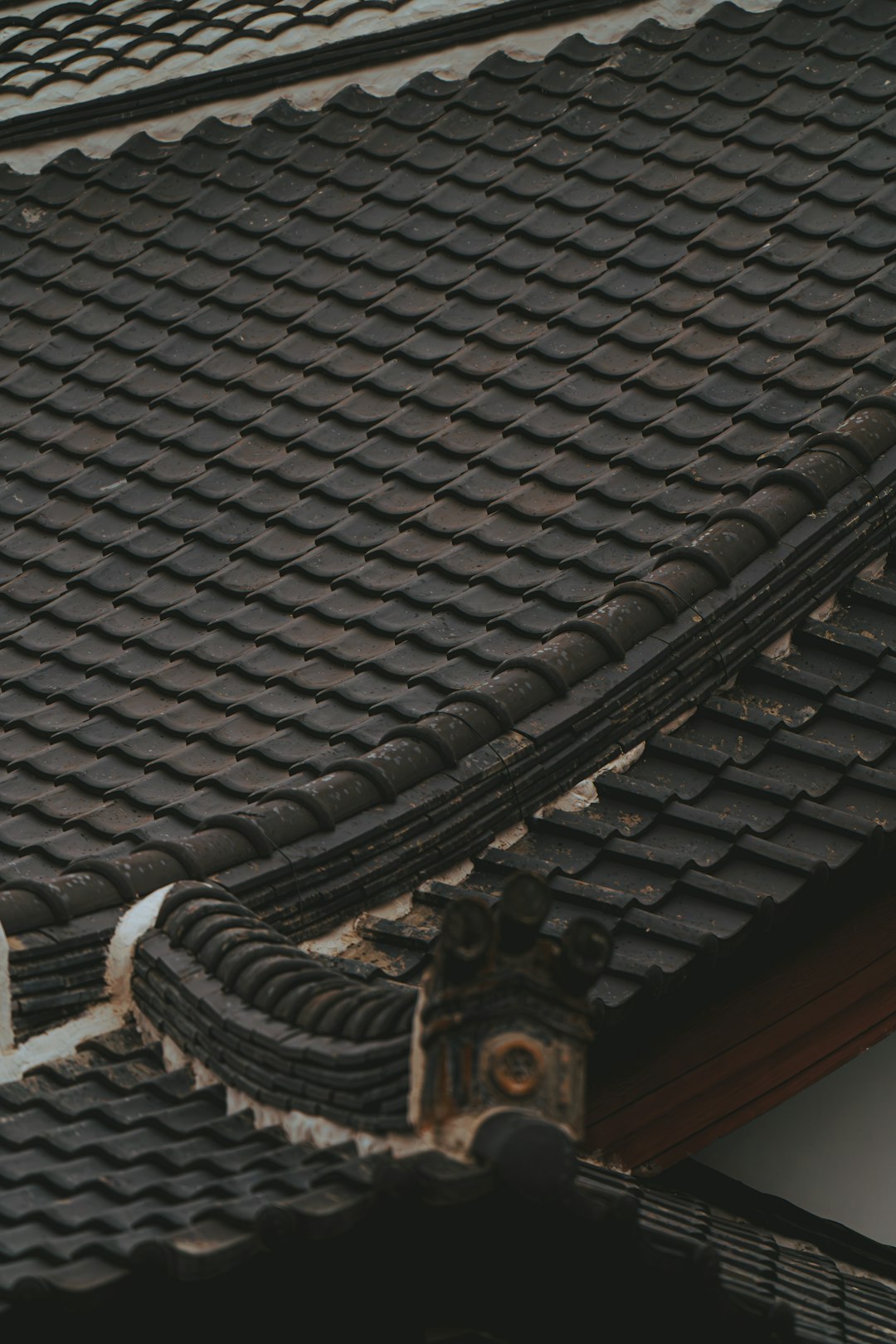
Clay or concrete tile roofs are beautiful and durable. They can last 50+ years. They are heavy, requiring a strong roof structure. They are excellent in hot climates. They provide natural insulation. Tile is more expensive initially. Installation requires specialized skills. Repairs can be tricky because tiles are brittle. Walking on them requires care. They are common in Spanish and Mediterranean style homes. They add significant weight, so structural assessment is mandatory.
Wood Shakes: Natural Beauty with Maintenance
Wood shakes offer a rustic, natural appearance. They are typically cedar. They provide good insulation. They require regular maintenance to prevent moss and decay. They are not ideal in fire-prone areas unless treated. They have a shorter lifespan than other premium materials, around 25-30 years. They are susceptible to moisture damage if not properly ventilated. Many homeowners love their look but underestimate the upkeep required.
Synthetic Slate: The Modern Alternative
Synthetic slate replicates natural slate's look without the weight or cost. Products like DaVinci Roofscapes are polymer composites. They are lightweight and durable. They resist impact and fading. They come in various colors and styles. They are more expensive than asphalt but less than natural slate. They offer a 50-year warranty typically. They are a great choice for homeowners wanting high-end aesthetics without structural reinforcement.
The Complete Roof Installation Process: What to Expect Day by Day
A full roof replacement is a major project. Understanding the process reduces anxiety. A professional crew follows a systematic approach. Each day has specific goals. Here is a typical timeline based on my standard 2,000 sq. ft. home project. Your project may vary slightly. This transparency helps you know if your contractor is following best practices.
Day 1: Preparation and Tear-Off
The crew arrives early. They lay protective tarps over landscaping. They set up safety equipment and dump trailers. The tear-off begins. They remove old shingles, underlayment, and nails. They inspect the deck thoroughly. They replace any rotten wood. This is noisy and messy work. They haul away all old materials. The site is cleaned each evening. A good crew leaves your property tidy. They cover the exposed deck with tarps if rain is possible overnight.
Day 2: Deck Repair and Underlayment
Any necessary deck repairs are completed. Plywood or OSB is cut and nailed securely. The crew installs drip edge along all eaves. This metal piece directs water into gutters. They roll out the synthetic underlayment. They staple it according to manufacturer specifications. Overlaps are sealed. They install ice and water shield in critical areas. These areas include valleys, eaves, and around penetrations. This self-adhering membrane provides extra protection against ice dams and wind-driven rain.
Day 3: Flashing and Shingle Installation
Flashing installation is meticulous work. They cut and form metal for chimneys, walls, and vents. Step flashing is woven with each course of shingles. Valley flashing is installed if using metal valleys. Shingle installation begins. They snap chalk lines for straight courses. They start at the eaves and work upward. Each shingle is nailed with the correct number of nails in the right place. They cut shingles to fit around obstacles. They maintain consistent exposure (the visible part of each shingle).
Day 4: Ridge Caps and Cleanup
The final courses of shingles are installed. Ridge caps are applied along all roof peaks. These are specially cut shingles that seal the ridge. Ventilation products are installed. This includes ridge vents or static vents. The crew does a detailed inspection. They walk the entire roof checking for loose nails or shingles. They use magnetic rollers to pick up nails from the ground. They remove all debris and tarps. They blow out your gutters. A final walkthrough with the homeowner ensures satisfaction.
Real Project Case Studies: Costs, Challenges, and Outcomes
Theory is helpful. Real examples are better. Here are three actual projects from my records. Names are changed for privacy. These show different scenarios homeowners face. They include the problem, solution, cost, and result. Use these as reference points for your own situation.
Case Study 1: The Hail Damage Replacement
The Johnson family had a 15-year-old roof. A severe hailstorm hit their neighborhood. Hailstones were golf ball size. Their roof showed significant granule loss and bruising. We performed a detailed inspection. We documented all damage with photos and measurements. We helped them file an insurance claim. The insurance adjuster agreed to a full replacement. We installed Owens Corning Duration shingles in Driftwood. We upgraded their ventilation with new ridge vents. Total project cost: $14,500. Insurance covered $13,000 after their deductible. The new roof came with a 50-year warranty. The family was relieved and protected for decades.
Case Study 2: The Aging Roof with Multiple Leaks
The Miller home was 22 years old. They had patched leaks three times in two years. Leaks appeared in different rooms. An attic inspection revealed widespread deck staining. Shingles were brittle and curling. The 30% rule applied here. A complete repair estimate was $5,000. A full replacement was $16,000. They chose replacement for long-term peace. We installed GAF Timberline HDZ shingles. We replaced several sections of decking. We added ice and water shield in all valleys. The project took four days. They financed the project with a home improvement loan. They have had zero leaks since installation three years ago.
Case Study 3: The Targeted Repair on a Newer Roof
The Garcia roof was only 8 years old. A wind storm lifted shingles along one rake edge. Water leaked into a bedroom closet. The rest of the roof was in excellent condition. A complete replacement was unnecessary. We removed damaged shingles along a 10-foot section. We replaced the underlayment in that area. We installed new shingles to match the existing color. We sealed all flashing points. The repair cost was $850. It was completed in one afternoon. The repair blended perfectly. The roof continues to perform well five years later. This was the right repair decision.
Roofing Costs and Financing: Transparent Pricing Breakdown
Cost is a major concern. Prices vary by region, materials, and home complexity. I will give you realistic numbers for Texas. These are based on 2024 material and labor rates. Remember, the cheapest price is rarely the best value. Quality installation matters more than saving a few dollars per square.
Cost Per Square Foot: What You Actually Pay
Roofing is measured in "squares." One square equals 100 square feet. Costs are typically quoted per square. For a standard asphalt shingle roof, expect $350-$550 per square. This includes tear-off, disposal, and installation. A 2,000 sq. ft. roof (20 squares) costs $7,000 to $11,000. Metal roofing costs $700-$1,200 per square. Tile roofing costs $1,000-$2,000 per square. These are installed prices. Additional costs include deck repair, extra flashing, and permit fees. Always get a detailed, line-item estimate.
Factors That Increase Your Roofing Cost
Several factors raise the price. Steep roofs require more safety equipment and labor. Multiple roof levels and valleys increase complexity. Skylights, chimneys, and dormers need custom flashing. High-quality underlayment adds cost but improves performance. Upgraded ventilation systems are worth the investment. Local permit fees vary by municipality. Debris disposal fees depend on landfill costs. Understanding these factors helps you compare estimates accurately.
Financing Options for Homeowners
Most homeowners do not pay cash. Several financing options exist. Home equity loans offer low interest rates. They use your home as collateral. Personal loans are faster but have higher rates. Many roofing contractors offer financing partnerships. These often have promotional periods with zero interest. Credit cards are an option for smaller repairs. Some government programs assist with energy-efficient upgrades. Always read the fine print. Choose a plan with payments you can comfortably afford.
The True Cost of a Cheap Roof
I must warn you about cut-rate contractors. Their low prices come from shortcuts. They use thin underlayment. They install fewer nails per shingle. They skip critical flashing steps. They hire unskilled labor. These roofs fail prematurely. You will pay for repairs sooner. You might face denied warranty claims. You could have interior water damage. Investing in quality work saves money long-term. Choose a contractor based on reputation, not just price.
Practical Homeowner Tips from 25 Years of Field Experience
Now for the practical advice. These tips come from solving real problems for real people. They will help you maintain your roof. They will help you choose a good contractor. They will save you time, money, and stress.
- Perform bi-annual inspections. Check your roof every spring and fall. Look from the ground with binoculars. Look for missing, cracked, or curling shingles.
- Keep gutters clean. Clogged gutters cause water backup. This water can seep under shingles and cause rot. Clean gutters at least twice a year.
- Trim overhanging branches. Branches scrape shingles and drop debris. They provide a path for rodents. Keep trees trimmed back at least 6 feet from the roof.
- Check attic ventilation. Go into your attic on a hot day. It should not feel like an oven. Ensure soffit vents are not blocked by insulation.
- Document everything. Take photos of your roof annually. Keep records of repairs and warranties. This is invaluable for insurance claims.
- Act quickly on leaks. A small leak can cause major damage fast. Place a bucket to catch water. Call a professional immediately.
- Understand your warranty. Read the fine print. Know what is covered and what voids it. Most warranties require professional installation.
Frequently Asked Questions: Real Customer Questions Answered
How long should a new roof last?
A quality asphalt shingle roof lasts 25-30 years. Metal roofs last 40-70 years. Tile and slate can last 50+ years. Actual lifespan depends on material quality, installation, ventilation, and local climate. Proper maintenance extends the life of any roof. Neglect shortens it significantly.
Can I install new shingles over old ones?
Building codes sometimes allow one overlay. I strongly recommend against it. You cannot inspect or repair the deck. It adds excessive weight to the structure. It voids most manufacturer warranties. It hides problems that will worsen. A complete tear-off is always the better choice for long-term performance.
What time of year is best for roof replacement?
Spring and fall offer mild temperatures in Texas. This is ideal for both workers and materials. Summer heat can make shingles too pliable. Winter brings potential for ice. However, a professional crew can work year-round. Do not delay necessary work because of season. A leak won't wait for perfect weather.
How do I choose a trustworthy roofing contractor?
Look for local companies with physical addresses. Verify they are licensed and insured. Ask for references from recent customers. Check their rating with the Better Business Bureau. Ensure they offer manufacturer warranties that require certified installers. Avoid door-to-door salespeople after storms. A trustworthy contractor will provide a detailed, written estimate without pressure.
Will a new roof increase my home's value?
Yes, a new roof significantly increases curb appeal and value. The Remodeling 2024 Cost vs. Value Report shows a midrange roof replacement recoups about 60% of its cost at resale. More importantly, it makes your home more marketable. Buyers fear old roofs. A new roof provides them peace of mind and can speed up a sale.
What is included in a typical roofing warranty?
There are two main types. Manufacturer warranties cover material defects. They typically last 25-50 years. Contractor workmanship warranties cover installation errors. They usually last 2-10 years. Read both carefully. Understand proration, transferability, and exclusions. Proper maintenance is often required to keep warranties valid.
How can I prepare my home for a roof replacement?
Move vehicles out of the driveway. Clear wall decorations as vibration can shake them loose. Cover items in your attic with sheets to catch dust. Inform neighbors about the noise. Secure pets indoors. Make plans to be home or accessible by phone. A good contractor will give you a detailed preparation list.
Conclusion: Your Path to a Secure, Beautiful Roof
Your roof is your home's first line of defense. Understanding complete roofing and repair empowers you. You can now make informed decisions. You know the difference between a repair and replacement. You understand material options and costs. You have real project examples for comparison. Most importantly, you have practical tips from decades of field experience.
Take this knowledge and act. Start with a thorough inspection of your current roof. Document its condition. Research local, reputable contractors. Get multiple detailed estimates. Ask the right questions about materials and warranties. Do not let fear or confusion delay necessary work. A small investment in maintenance or repair today prevents major expense tomorrow.
Your home deserves protection. Your family deserves security. A quality roof provides both for decades. I hope this guide serves as your trusted resource. Refer back to it as you navigate your roofing project. Feel confident in your choices. You now have the knowledge of an experienced contractor in your corner.