
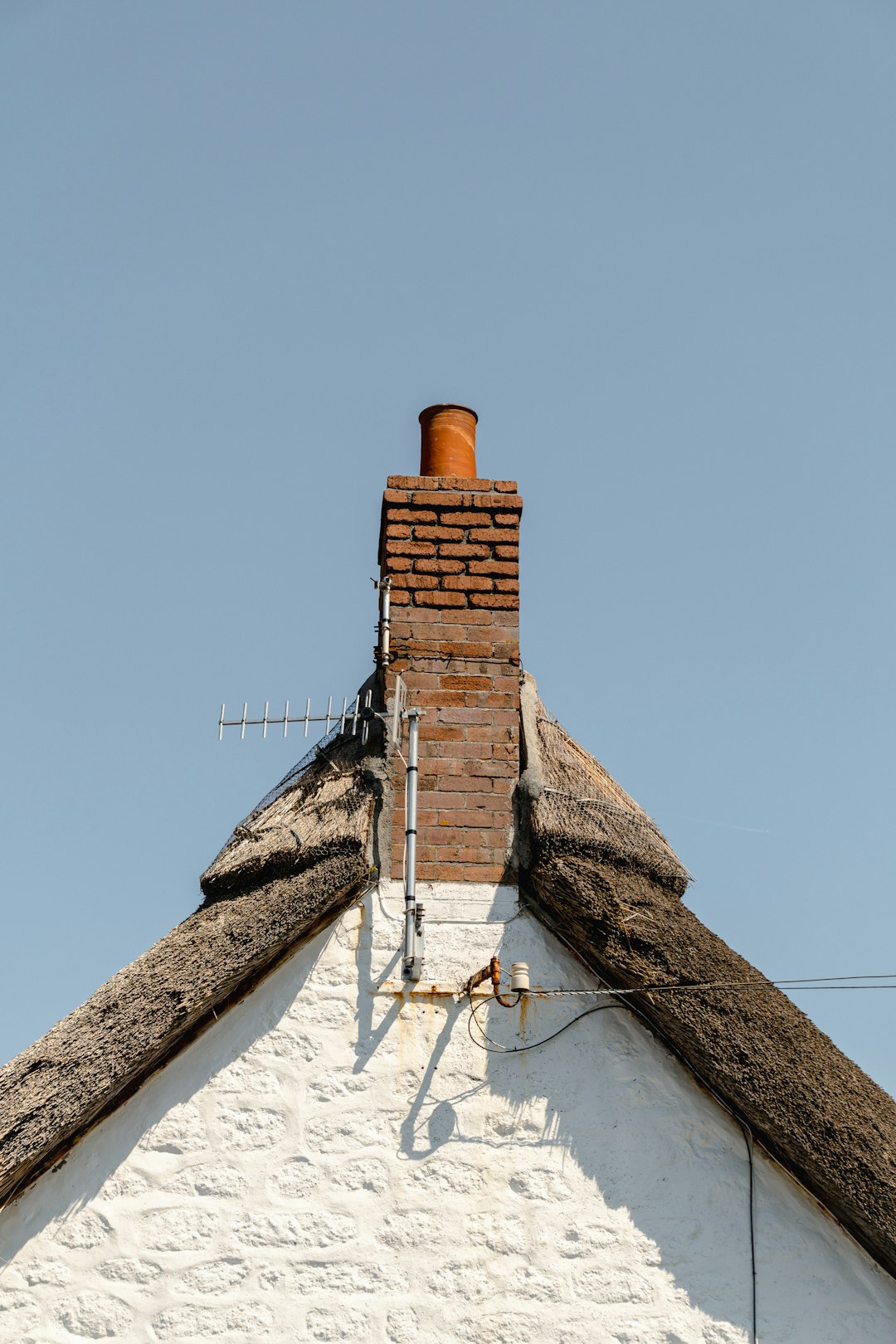
Chimney Flashing Repair Near Me: Your Complete Guide from a 25-Year Roofing Expert
I have spent over 25 years on Texas roofs, completing more than 3,000 projects. I hold certifications from GAF, CertainTeed, and the NRCA. This experience taught me that chimney flashing is the most critical detail on your roof. This article exists because I have seen too many homeowners face devastating water damage from simple flashing failures. You are searching for "chimney flashing repair near me" because you likely see a leak, suspect a problem, or want to prevent one. I will answer your questions completely, saving you time and money. The information here comes from thousands of customer projects, direct work with materials from manufacturers like GAF and Owens Corning, and strict adherence to the International Residential Code (IRC). My goal is to give you the knowledge a contractor would share with a family member, helping you make an informed decision to protect your home.
Why Chimney Flashing Fails: The Real Contractor Perspective
Chimney flashing is the metal or rubber seal where your roof meets the chimney. It directs water away from this vulnerable joint. Over 70% of roof leaks originate at penetrations like chimneys, according to the National Roofing Contractors Association (NRCA). The failure is rarely sudden. It is a slow process you can catch early. The main enemies are time, weather, and poor installation. Texas weather is particularly harsh, with intense sun, heavy rain, and freeze-thaw cycles that stress materials. I have seen original flashing last 50 years on some homes, while others fail in 10. The difference is almost always in the quality of the initial installation and the materials used.
Common Causes of Flashing Failure
Rust and corrosion eat away at metal flashing over decades. This is especially true for older galvanized steel. Thermal expansion and contraction cause metal to flex repeatedly. Eventually, this movement cracks solder joints or pulls fasteners loose. Storm damage from high winds or hail can bend or puncture flashing. Settling of your home or chimney can create new gaps where water enters. The most common issue I see is improper installation where the step flashing is not correctly integrated with the shingles. This creates a direct path for water behind the flashing.
Identifying Chimney Flashing Problems: What to Look For
You do not need to climb on your roof to spot many flashing issues. Start inside your home. Look for water stains on the ceiling or walls near the chimney. Check the attic with a flashlight after a rainstorm. Look for daylight shining through cracks around the chimney chase or signs of moisture on the wood. From the ground, use binoculars to inspect the flashing. Look for visible gaps, rust spots, or sections that appear bent or lifted. Missing sealant (caulk) at the edges is a major red flag. Caulk is not a permanent flashing solution; it is a temporary seal that will fail. If you see heavy caulk buildup, it often indicates a previous, improper repair attempt.
Signs You Need Immediate Professional Help
- Active water dripping inside your home during or after rain.
- Mold or mildew growth on interior walls or in the attic near the chimney.
- Visible holes, large rust patches, or completely detached sections of metal.
- Shingles around the chimney that are curling, damaged, or missing.
- Water stains that are growing larger with each storm.
Chimney Flashing Materials: A Hands-On Comparison
The right material is crucial for a long-lasting repair. I have installed and repaired every type. Each has pros and cons based on your chimney type, roof pitch, and budget. Aluminum is lightweight, affordable, and rust-resistant. It is easy for contractors to form on-site. However, it is softer and can be damaged by hail or ladder impacts. Copper is the premium choice. It is incredibly durable, develops a protective patina, and can last the lifetime of the home. The cost is significantly higher, but for a forever home, it is often worth the investment. Galvanized steel is strong and cost-effective but will eventually rust, especially in humid climates. It requires regular inspection. Lead-coated copper offers a good balance, with copper's longevity and a protective coating. Modern synthetic rubber or PVC flashing systems, like those from GAF, are excellent for complex shapes and offer great flexibility.
Matching Material to Your Chimney
A brick chimney requires custom-fabricated step flashing and counterflashing. A metal prefabricated chimney (like many modern gas fireplaces) uses a specific rubber or metal collar, often called a storm collar. The International Residential Code (IRC Section R703.8) provides guidelines for flashing integration with the wall and roof. For a masonry chimney, I typically recommend 16-ounce copper for the counterflashing and aluminum or galvanized for the step flashing. For a metal chimney, a high-quality neoprene or EPDM rubber boot is standard. Always ensure any material is compatible with your roof shingles to prevent galvanic corrosion.
The Professional Repair Process: What to Expect
A proper flashing repair is a multi-step process that should not be rushed. A reputable contractor will follow a methodical approach. First, they will conduct a thorough inspection, often using a drone for safety and a better view. They will identify all points of failure, not just the obvious one. Next, they will carefully remove the surrounding shingles to access the old flashing. This is a delicate step to avoid damaging good shingles. The old, failed flashing is completely removed. The underlying roof deck is inspected for rot or water damage and repaired if necessary. This is a critical step often missed in cheap repairs.
New step flashing is then installed. Each piece is woven under each shingle course, creating a shingle-over-flashing pattern that sheds water downward. The counterflashing is then installed. For brick chimneys, this involves cutting a reglet (a groove) into the mortar, inserting the metal, and sealing it. The area is then sealed with a high-grade, flexible sealant like polyurethane or silicone, but sealant is used sparingly as a secondary seal, not the primary water barrier. Finally, the surrounding shingles are reinstalled or replaced, and the area is cleaned. A final inspection, often with a water test, ensures the repair is watertight.
Cost of Chimney Flashing Repair: Real Project Examples
Costs vary widely based on location, materials, and chimney complexity. In the Kingwood and greater Houston area, here is what I have seen. A simple resealing or minor patch job might cost $200-$500. This is rarely a permanent fix. A full repair of one side of a standard brick chimney, including new step and counterflashing with aluminum, typically ranges from $800 to $1,500. A complete re-flashing of all four sides of a chimney with mid-grade materials (like aluminum) often falls between $1,500 and $3,000. A premium re-flash using copper on all sides can cost $3,000 to $5,000 or more, depending on size and roof pitch.
What Drives the Price?
- Material Cost: Copper is 3-5 times more expensive than aluminum.
- Chimney Height & Roof Pitch: A steep, high roof requires more safety equipment and time.
- Extent of Damage: Rotted roof decking adds significant material and labor cost.
- Location: Urban areas often have higher labor rates.
- Contractor Expertise: A certified, insured master roofer commands a fair price for quality work.
I recently completed a project for a homeowner in Atascocita. Their 30-year-old galvanized flashing had rusted through, causing a slow leak that damaged the ceiling drywall. A full four-side re-flash with aluminum, plus replacement of two damaged roof decking sheets, cost $2,200. The repair was completed in one day and came with a 10-year labor warranty. This is a typical example of a comprehensive fix.
How to Choose the Right Contractor Near You
Your search for "chimney flashing repair near me" will show many options. Choosing the right one is the most important decision. Always verify a contractor is licensed and insured in Texas. Ask for proof of both general liability and workers' compensation insurance. Look for manufacturers' certifications, like GAF Master Elite or CertainTeed SELECT ShingleMaster. These programs require rigorous training and proof of proper insurance. Get 2-3 detailed written estimates. The estimate should specify the exact materials to be used (type and gauge of metal), the scope of work, and a clear warranty. Beware of anyone who offers a "lifetime warranty"—these are often meaningless if the company disappears.
Ask for local references and photos of past chimney flashing work. A reputable contractor will have a portfolio. Check online reviews on Google and the Better Business Bureau. Pay attention to how the company responds to negative reviews. Finally, trust your gut. The contractor should be willing to explain the process, answer your questions patiently, and not pressure you for an immediate decision. The cheapest bid is almost never the best value for a critical structural repair like this.
DIY vs. Professional Repair: The Honest Truth
I understand the desire to save money. However, chimney flashing repair is one of the most technically challenging aspects of roofing. The margin for error is tiny. A DIY mistake can lead to catastrophic, hidden water damage that costs tens of thousands to fix. Working on a roof, especially near a chimney on a pitched roof, is extremely dangerous without proper training and safety equipment. Professionals have the specialized tools to cut reglets in brick, form custom metal pieces, and integrate flashing seamlessly with existing shingles. They also know the local building codes. If your home is relatively new and the issue is a small section of failed sealant, you might successfully apply a bead of high-quality polyurethane sealant as a temporary measure. For any structural issue, missing metal, or suspected leak, hiring a professional is the only wise choice.
Insurance Claims and Chimney Flashing Repair
Homeowners insurance typically covers sudden, accidental damage. This includes flashing torn off by a windstorm or dented by hail. It generally does not cover wear and tear, rust, or failure due to age or poor maintenance. If a recent storm caused your flashing damage, document everything. Take clear photos and videos of the damage from the ground and, if safe, from the attic. Contact your insurance company to file a claim. They will send an adjuster to inspect. Having a reputable roofing contractor present during the adjuster's inspection can be very helpful. The contractor can point out storm-related damage and provide a detailed estimate for the proper repair. The Texas Department of Insurance has resources to help you understand your policy rights.
Preventive Maintenance to Avoid Future Repairs
The best repair is the one you never need. A simple bi-annual routine can extend your flashing's life by decades. In the spring and fall, use binoculars to visually inspect your chimney flashing. Look for any changes. Keep your roof and gutters clean. Debris holds moisture against the flashing and accelerates corrosion. Ensure your attic is properly ventilated. Excess heat and moisture in the attic can degrade roofing materials from underneath. Trim any tree branches that are touching or overhanging the chimney. Have a professional roof inspection every 3-5 years. A certified roofer can spot minor issues before they become major leaks. This small investment can save you a fortune.
Frequently Asked Questions (FAQ)
How long should chimney flashing last?
Properly installed copper flashing can last 50+ years. Aluminum or galvanized steel typically lasts 20-30 years. Synthetic rubber boots on metal chimneys last 10-20 years and are considered a wear item that will need replacement.
Can you just caulk a leaking chimney flashing?
Caulk is a temporary seal, not a repair. It will dry out, crack, and fail, often within a year or two. It can also trap moisture behind it, making the underlying problem worse. Proper repair involves addressing the root cause.
How urgent is a chimney flashing repair?
If you see active water entering your home, it is very urgent. Water damage spreads quickly to insulation, drywall, and structural wood. A small stain or suspected minor leak should be addressed within a few weeks to prevent escalation.
Will repairing my flashing disrupt my fireplace use?
In most cases, no. The work is entirely external on the roof. You should not need to be home, and your fireplace can be used normally before and after the repair, unless the contractor specifies otherwise for safety.
What is the difference between step flashing and counterflashing?
Step flashing is the L-shaped pieces layered under each shingle course along the side of the chimney. Counterflashing is the metal piece embedded into the chimney mortar that covers the top edge of the step flashing. They work together as a two-part system.
Do roofers or masons repair chimney flashing?
This is a roofing-specific task. A qualified roofing contractor handles the integration with the roof shingles and deck. If the chimney masonry itself is damaged (cracked mortar, spalling brick), a mason may be needed in addition to the roofer.
Does new roofing include new chimney flashing?
A high-quality, full roof replacement should always include replacing the base (step) flashing, as it is integrated with the shingles. The counterflashing may be reused if it is in perfect condition, but it is often recommended to replace both for a complete, warrantable system.
Real Project Case Studies
Case Study 1: The Hidden Leak in Humble
A homeowner reported a mysterious damp smell in their living room. No visible stains were present. Our inspection found the backside chimney counterflashing had separated from the mortar due to house settling. Water was running behind the brick and down the interior wall cavity, never showing a ceiling stain until the drywall was soaked. We removed the old counterflashing, cut a new reglet, installed new copper counterflashing, and sealed it. The interior wall had to be opened to dry, but the source leak was permanently fixed. Total project cost: $1,850.
Case Study 2: Hail Damage in Kingwood
After a major hailstorm, a client had several dents in their aluminum flashing and granule loss on surrounding shingles. We worked with their insurance adjuster to document the storm-caused damage. The insurance covered a full four-side re-flashing with new aluminum and replacement of the damaged shingles. The homeowner only paid their deductible. The key was having detailed before-and-after photos and a clear line-item estimate linking the damage to the storm event.
Conclusion: Protect Your Home with Knowledge and Action
Chimney flashing is a small component with a massive job. Ignoring it can lead to expensive, destructive water damage. You now understand why it fails, how to spot problems, what materials are best, and what a proper repair entails. You have real-world cost examples and know how to choose a qualified contractor near you. The next step is to act. If you suspect an issue, schedule a professional inspection. If you have a minor concern, add flashing checks to your seasonal home maintenance list. Investing in a quality repair today protects the value of your home and gives you peace of mind for years to come. Your home is your biggest investment; defend it at its most vulnerable point.