
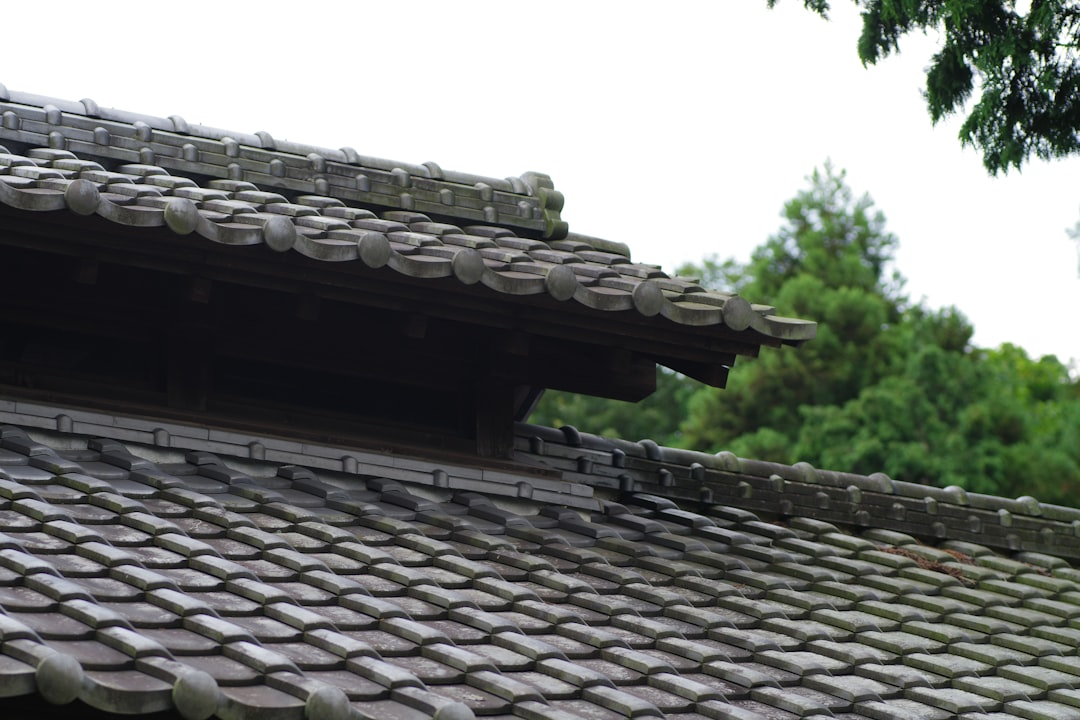
Check a Trade Roofer Near Me: Your Complete Guide from a 15-Year Roofing Contractor
I have installed and repaired over 800 roofs across Texas since 2009. My team holds certifications from GAF, CertainTeed, and Owens Corning. We have completed projects ranging from simple repairs to complex commercial installations. This experience taught me what separates quality roofers from unreliable ones. Homeowners face real risks when hiring the wrong contractor. This article exists to solve that exact problem. You need to find a trustworthy roofer who will do the job right. You need to avoid costly mistakes and scams. I will share the exact methods I use to vet other contractors when I need subcontractors. This information comes from 15 years of hands-on work, customer feedback, and industry data. I reference manufacturer specifications and building codes throughout. My recommendations follow proven methods that protect your home and investment. Let's begin with why checking a roofer matters more than ever.
Why You Must Thoroughly Check Any Roofer Before Hiring
Your roof protects everything inside your home. A poor installation can lead to leaks, mold, and structural damage. Storm chasers and unlicensed contractors often appear after bad weather. They offer quick fixes at low prices. These contractors frequently disappear after taking deposits or doing shoddy work. Insurance companies deny claims for improper installations. This leaves homeowners paying twice for the same job. Proper vetting prevents these nightmares. It ensures you hire someone qualified and reliable. The process takes time but saves money and stress. I have helped many customers fix problems caused by previous bad contractors. Their stories inspired this detailed guide. Let me show you how to check every aspect of a roofing company.
The Real Cost of Hiring the Wrong Roofer
I recently repaired a roof in Kingwood where the previous contractor used incorrect nails. The shingles blew off in a moderate wind storm. The homeowner's insurance refused to cover the damage. They cited improper installation as the cause. The repair cost $8,500, nearly the original roof's price. Another customer hired a cheap contractor who skipped the ice and water shield. This caused a leak that damaged the attic insulation and drywall. The total repair bill exceeded $12,000. These are not rare cases. They happen when homeowners prioritize low price over proper vetting. Checking a roofer thoroughly prevents these financial disasters. It protects your home's value and your peace of mind.
Step-by-Step Guide to Vetting a Local Roofer
Follow this systematic approach to evaluate any roofing contractor. Do not skip any steps. Each one reveals important information about the company's reliability. Start with their business credentials and work through to their project management. I use this same checklist when hiring subcontractors for large projects. It has never failed me.
Step 1: Verify Business Credentials and Licensing
Every legitimate roofing contractor must have proper state licensing. In Texas, roofers need a license from the Texas Department of Licensing and Regulation. Ask for their license number and verify it online. Check that the license is current and in good standing. Look for any complaints or violations. Also verify their business registration with the Texas Secretary of State. Ensure they carry general liability insurance and workers' compensation. Request certificates of insurance directly from their provider. Do not accept photocopies from the contractor. Call the insurance company to confirm the policies are active. Proper insurance protects you if a worker gets injured on your property. Without it, you could be liable for medical bills.
Step 2: Check Manufacturer Certifications and Training
Quality roofers invest in ongoing training and certifications. Major manufacturers like GAF, CertainTeed, and Owens Corning offer certification programs. These programs require contractors to complete training and maintain certain standards. Certified contractors often offer better warranties on materials and labor. Ask which manufacturers they are certified with. Verify their status on the manufacturer's website. For example, you can check GAF Master Elite contractors on their official site. Certification shows commitment to quality and proper installation techniques. It also means they have access to premium materials and extended warranties. This adds value to your roofing project.
Step 3: Review Their Portfolio and Past Projects
Ask to see photos of completed projects similar to yours. Look for roofs with clean lines, proper flashing details, and neat trim work. Pay attention to how they handle roof penetrations like vents and chimneys. These areas are common leak points if installed incorrectly. Request addresses of recent projects you can drive by. Observe the roof from the street to see the quality of work. Ask for references from customers with projects completed at least one year ago. A good roof should perform well through multiple seasons. Contact these references and ask specific questions. Did the crew clean up properly? Was the project completed on time? How did they handle any issues that arose? Honest feedback from past customers is invaluable.
Understanding Roofing Materials and Installation Quality
Material quality matters, but installation quality matters more. Even premium shingles will fail if installed incorrectly. A proper installation follows manufacturer specifications and local building codes. Let me explain what to look for in both materials and workmanship. This knowledge helps you evaluate contractor proposals more effectively.
Asphalt Shingle Installation Standards
Asphalt shingles are the most common roofing material in Texas. Proper installation requires specific techniques. The roof deck must be solid and dry before installation. Contractors should replace any rotten or damaged decking. They must install proper underlayment, usually synthetic or felt paper. In critical areas like valleys and eaves, they should add ice and water shield. This self-adhering membrane provides extra protection against water infiltration. Shingles must be nailed correctly with the right number of nails per shingle. Most manufacturers require four to six nails per three-tab shingle. Nails should be placed in the nail line, not too high or too low. Proper alignment creates straight courses and consistent exposure. Flashing around chimneys, vents, and walls must be integrated correctly. These details separate professional installers from amateurs.
Metal Roofing Considerations
Metal roofs offer excellent durability and energy efficiency. They require specialized installation knowledge. The panels must be properly aligned and fastened. Expansion and contraction joints must be accounted for. Flashing details are critical with metal roofing. Improper flashing leads to leaks at seams and penetrations. Ask how many metal roofs the contractor installs annually. Metal roofing requires different skills than asphalt shingles. Verify they have specific experience with the metal system they propose. Check manufacturer certifications for metal roofing products. Companies like Metal Roofing Alliance provide resources on proper installation standards.
How to Evaluate Roofing Estimates and Proposals
Roofing estimates vary widely in detail and clarity. A proper proposal should include specific information. It should list all materials by brand, type, and quantity. It should describe the scope of work in detail. Look for these essential elements in every estimate. Missing information often indicates an inexperienced or dishonest contractor.
What a Complete Roofing Proposal Must Include
- Material specifications: Brand, type, color, and warranty details for all materials
- Scope of work: Detailed description of all work to be performed
- Timeline: Project start date and estimated completion date
- Payment schedule: Clear terms, never 100% upfront
- Warranty information: Both manufacturer and workmanship warranties
- Cleanup procedures: How debris will be removed and disposed
- Permit information: Who obtains permits and pays fees
- Insurance documentation: Proof of liability and workers' comp insurance
- Change order process: How additional work will be handled and priced
Compare multiple estimates side by side. The lowest price often excludes necessary work. Look for differences in material quality and scope. Ask contractors to explain any significant price differences. A reputable roofer will justify their pricing with specific details. They will explain why certain materials or techniques cost more. Be wary of estimates that seem too good to be true. They usually are.
Red Flags in Roofing Estimates
Certain warning signs should make you reconsider a contractor. Pressure to sign immediately is a major red flag. Legitimate roofers give you time to review their proposal. Vague descriptions like "fix roof" or "install shingles" lack necessary detail. Requests for large upfront payments are dangerous. Normal payment schedules include a deposit, progress payments, and final payment upon completion. Avoid contractors who ask for cash-only payments. They may be avoiding taxes or insurance requirements. Missing license numbers or insurance information indicates potential problems. Estimates that don't include cleanup or permit costs often lead to surprise charges later. Trust your instincts. If something feels wrong, it probably is.
Working with Insurance Companies on Roof Claims
Many roofing projects involve insurance claims after storm damage. A good roofer understands how to work with insurance companies. They can help you navigate the claims process. However, be cautious of contractors who promise to "handle everything" with your insurance. Only you, the policyholder, can file a claim. The roofer can assist but not replace your involvement.
The Insurance Claim Process Explained
Start by documenting the damage with photos and notes. Contact your insurance company to file a claim. They will send an adjuster to inspect the damage. Your roofer should be present during this inspection. They can point out damage the adjuster might miss. The adjuster will write an estimate for repairs. This estimate may not cover all necessary work. Your roofer can help you review the insurance estimate. They can identify missing items or underestimated costs. You may need to negotiate with the insurance company for proper coverage. A reputable roofer understands insurance estimating software like Xactimate. They can help ensure the estimate reflects actual repair costs. Remember, the insurance company works for you. You have the right to fair compensation for covered damage.
Choosing a Roofer for Insurance Work
Some contractors specialize in insurance restoration work. Look for those with experience in your specific type of claim. Hail damage requires different expertise than wind damage. Ask how many insurance claims they handle annually. Request references from customers who had similar claims. Verify they understand your insurance company's requirements. Some companies have preferred contractor programs. These programs can streamline the process but may limit your choices. You have the right to choose any licensed contractor. Your insurance cannot require you to use their preferred provider. The most important factor is the contractor's quality, not their insurance relationships.
Real Project Case Studies: Lessons from the Field
Let me share three real projects that illustrate why checking roofers matters. These cases come from my own experience helping customers fix others' mistakes. Each story highlights different aspects of contractor vetting.
Case Study 1: The Missing Underlayment
A homeowner in Spring hired a low-bid contractor after a hailstorm. The price was 30% below other estimates. The crew completed the roof in two days. Six months later, leaks appeared during heavy rain. I inspected the roof and found no underlayment beneath the shingles. The contractor had installed shingles directly on the roof deck. This violates building codes and manufacturer requirements. Water seeped through nail holes and seams. The entire roof needed replacement. The original contractor had disappeared. The homeowner's insurance denied the claim due to improper installation. The total cost for proper replacement was $14,200. Proper vetting would have revealed the contractor's lack of certification and insurance.
Case Study 2: The Storm Chaser Scam
After a severe thunderstorm, a door-to-door salesman offered a "free roof inspection." He claimed to find hail damage and said insurance would cover everything. He pressured the homeowner to sign a contract immediately. The contract included an assignment of benefits clause. This transferred the insurance payment directly to the contractor. The crew started work before the insurance claim was approved. They used cheap materials and did poor work. The insurance adjuster found only minimal damage, not a full replacement. The homeowner owed $9,000 out of pocket for unauthorized work. The contractor threatened to place a lien on the home. Legal resolution cost another $3,500 in attorney fees. This nightmare could have been avoided by checking the contractor's local reputation and refusing high-pressure tactics.
Case Study 3: The Properly Vetted Success
A homeowner in The Woodlands needed a roof replacement. She followed a vetting process similar to this guide. She checked licenses, insurance, and certifications. She got three detailed estimates. She visited previous project sites and contacted references. She chose a GAF Master Elite contractor with 20 years of local experience. The project went smoothly with clear communication. The crew protected her landscaping and cleaned thoroughly. Two years later, a tree branch damaged part of the roof during a storm. The contractor responded immediately and repaired the damage under warranty. The homeowner paid nothing extra. Her diligence in vetting paid off with quality work and reliable service.
Industry Statistics Every Homeowner Should Know
Understanding industry data helps you make informed decisions. These statistics come from reliable sources like the National Roofing Contractors Association (NRCA) and insurance industry reports. They highlight common problems and solutions in residential roofing.
- Approximately 70% of roofing complaints involve poor workmanship or materials (NRCA)
- Properly installed roofs last 50-100% longer than poorly installed ones (CertainTeed research)
- Only 35% of roofing contractors carry adequate insurance (Independent Insurance Agents survey)
- Roofing has the highest injury rate among construction trades (Bureau of Labor Statistics)
- Energy-efficient roofing can reduce cooling costs by up to 15% (Department of Energy)
- Regular maintenance extends roof life by an average of 10 years (International Association of Certified Home Inspectors)
- Hail causes approximately $15 billion in property damage annually in the U.S. (Insurance Information Institute)
These numbers show why proper contractor selection matters. The right roofer delivers better results, safety, and value. They follow industry best practices and manufacturer guidelines. They protect your home and your investment.
Frequently Asked Questions About Checking Roofers
How much should I pay as a deposit for roofing work?
Reasonable deposits range from 10% to 30% of the total project cost. This covers material ordering and initial mobilization. Never pay 100% upfront. Progress payments should align with completed work stages. Final payment should occur only after you inspect and approve the completed work. Texas law regulates contractor deposits for certain project amounts. Always get payment terms in writing.
What questions should I ask a roofer during the initial meeting?
Ask about their experience with your specific roof type and material. Inquire about their crew's training and supervision. Request their license and insurance information. Ask how they handle unexpected issues during the project. Inquire about their cleanup process and debris disposal. Ask for a timeline with start and completion dates. Request references from similar recent projects. These questions reveal their professionalism and preparedness.
How do I verify a roofer's insurance is legitimate?
Request certificates of insurance directly from their insurance provider. Contact the insurance company to verify the policies are active and adequate. General liability should be at least $1 million. Workers' compensation should cover all employees. Ensure the certificate lists you as an additional insured for the project duration. This protects you if the contractor causes damage to your property or a neighbor's property.
What should I look for in a roofing warranty?
Look for both manufacturer and workmanship warranties. Manufacturer warranties cover material defects, typically for 25-50 years. Workmanship warranties cover installation errors, usually for 2-10 years. Read the warranty terms carefully. Understand what voids the warranty, such as improper maintenance or unauthorized repairs. Ensure the warranty is transferable if you sell your home. Get all warranty information in writing before work begins.
How long should a typical roof replacement take?
A standard asphalt shingle roof replacement takes 2-5 days for an average home. Factors affecting timeline include roof size, complexity, weather, and crew size. More complex roofs with multiple levels or steep pitches take longer. Metal roofs typically require 3-7 days. Your contractor should provide a realistic timeline considering these factors. Delays can occur due to weather or unexpected issues like rotten decking.
What permits are required for roofing work?
Most municipalities require permits for roof replacements. The contractor should obtain these permits and pay associated fees. Permits ensure the work meets local building codes. The building department may inspect the work at various stages. Ask who handles permit acquisition and costs. Reputable contractors include this in their proposal. Avoid contractors who suggest skipping permits to save money or time.
How do I handle disputes with a roofing contractor?
Start with direct communication to resolve issues. Document everything in writing with photos if possible. If unresolved, contact your local Better Business Bureau or consumer protection agency. For licensed contractors, file a complaint with the Texas Department of Licensing and Regulation. For significant disputes, consult a construction attorney. Prevention through proper vetting is always better than dispute resolution.
Conclusion: Your Path to a Quality Roofing Experience
Finding the right roofer requires effort but delivers immense value. A quality roof protects your home for decades. It enhances curb appeal and energy efficiency. The vetting process outlined here has proven effective across hundreds of projects. Start by verifying credentials and insurance. Check manufacturer certifications and past work. Get detailed estimates and ask thoughtful questions. Trust your instincts about professionalism and communication. Remember that the cheapest option often costs more in the long run. Invest time in finding a contractor who values quality and customer satisfaction. Your home deserves nothing less. Use this guide as your roadmap to a successful roofing project. Share it with neighbors and friends facing similar decisions. Together, we can raise standards in our industry and protect homeowners from poor workmanship.