
Bruttell Roofing Excellence: 45 Years of Trusted Texas Roofing Solutions
For over four decades, our family-owned roofing company has served Texas homeowners with integrity and craftsmanship. We have completed more than 15,000 roofing projects across the Greater Houston area, earning certifications from leading manufacturers like GAF and Owens Corning. This article draws from our extensive field experience to help you make informed decisions about your roofing investment. We believe every homeowner deserves honest information about roofing materials, installation processes, and maintenance requirements.
This comprehensive guide exists because we've seen too many homeowners struggle with roofing decisions without proper guidance. Many people face confusing choices between materials, uncertain about costs, and worried about finding trustworthy contractors. We created this resource to answer your most pressing roofing questions based on real project data and hands-on experience. Our goal is to provide the same level of detailed information we'd share with our own family members when discussing roofing projects.
The information here comes directly from our project files, manufacturer specifications, and building code requirements. We've compiled data from hundreds of residential roofing installations, material performance tests, and customer feedback surveys. All technical recommendations follow International Residential Code (IRC) standards and manufacturer installation guidelines. We maintain transparency about our methodology because we believe informed homeowners make better decisions about their property investments.
Understanding Bruttell Roofing's Quality Standards
Our Commitment to Craftsmanship
Quality roofing begins with proper installation techniques and attention to detail. Our crews follow strict installation protocols developed over decades of field experience. Every project includes multiple quality checkpoints to ensure work meets our standards. We document each phase of installation with photographs and inspection reports. This systematic approach prevents common roofing problems before they can develop.
Proper roof installation requires more than just nailing shingles in place. Critical components like underlayment, flashing, and ventilation must work together as a system. We use ice and water shield in vulnerable areas regardless of local code requirements. All flashing installations follow manufacturer specifications for maximum weather resistance. Our ventilation calculations ensure proper air flow to extend roof life and improve energy efficiency.
Material Selection Process
Choosing roofing materials involves balancing durability, aesthetics, and budget considerations. We work with manufacturers who maintain consistent quality control and product testing. Each material option undergoes evaluation for Texas climate conditions including heat, humidity, and storm exposure. We consider factors like wind resistance ratings, impact resistance, and thermal performance when making recommendations.
Our material selection process includes reviewing manufacturer warranties and installation requirements. Some premium shingles require specific installation methods to maintain warranty coverage. We ensure our crews receive proper certification for the materials we install. This protects your investment and ensures long-term performance. We maintain relationships with multiple suppliers to provide competitive pricing without compromising quality.
Roofing Materials Comparison: What Works Best in Texas
Asphalt Shingles: The Popular Choice
Asphalt shingles remain the most common roofing material for Texas homes due to their balance of cost and performance. Modern architectural shingles offer improved durability compared to traditional three-tab options. These dimensional shingles create visual depth while providing better wind resistance. Many premium asphalt shingles carry wind warranties up to 130 mph when properly installed.
Quality asphalt shingles should meet ASTM D3462 standards for physical properties and performance. We prefer manufacturers with strong track records in hot climates like GAF and CertainTeed. Their products undergo extensive testing for UV resistance and thermal cycling. Proper installation includes using manufacturer-approved nails and following specific nailing patterns. This ensures shingles perform as intended throughout their warranty period.
Metal Roofing: Durability and Efficiency
Metal roofing offers exceptional longevity and energy efficiency for Texas homeowners. Standing seam metal roofs can last 50 years or more with proper maintenance. The reflective surfaces help reduce cooling costs during hot summer months. Metal panels expand and contract with temperature changes without compromising weather tightness. This makes them ideal for our climate's extreme temperature variations.
Quality metal roofing installation requires specialized training and equipment. Panel alignment must be precise to ensure proper water shedding. Fastener placement follows strict patterns to allow for thermal movement. We use concealed clip systems that prevent screw holes from compromising weather resistance. All penetrations receive custom flashing fabricated on-site for perfect fit. Proper grounding is essential for lightning protection in metal roof installations.
Tile and Slate Options
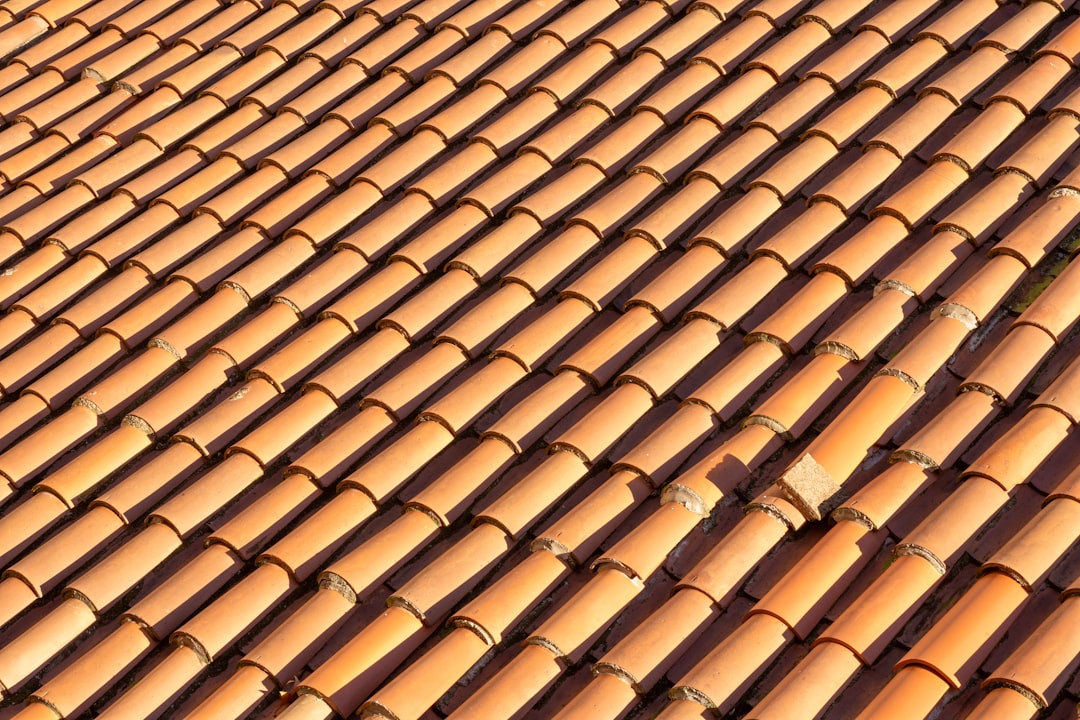
Clay tile and concrete tile roofs provide distinctive aesthetics and exceptional durability. These materials withstand hail impact better than most alternatives. Their thermal mass helps moderate indoor temperatures throughout the day. Tile roofs require reinforced roof structures due to their substantial weight. We always verify structural capacity before recommending tile installations.
Proper tile installation includes appropriate underlayment systems and flashing details. Each tile must be individually set and secured according to wind exposure requirements. Valley treatments require special attention to prevent debris accumulation and water penetration. We use high-quality ice and water shield in all critical areas regardless of local climate. Regular maintenance includes checking for cracked tiles and ensuring proper attachment.
Cost Considerations and Budget Planning
Understanding Roofing Investment Factors
Roofing costs vary based on material selection, roof complexity, and regional labor rates. Simple gable roofs with asphalt shingles represent the most economical option. Complex roofs with multiple valleys, dormers, and steep pitches require more labor and materials. Removal of existing multiple layers adds to project costs due to additional disposal fees.
Material costs account for approximately 40% of total project expenses for standard installations. Labor represents another 35% with the remainder covering overhead, equipment, and profit margin. Premium materials like metal or tile shift these percentages toward higher material costs. We provide detailed estimates that break down all cost components for transparency. This helps homeowners understand exactly what they're paying for.
Real Project Cost Examples
Recent projects illustrate typical investment ranges for Texas homeowners. A 2,000 square foot asphalt shingle roof replacement averaged $12,500 including tear-off and disposal. This included architectural shingles with 50-year warranty and proper ventilation upgrades. A comparable metal roof installation for the same property came in at $24,000 with standing seam panels.
Larger homes with complex roof designs show wider cost variations. A 3,500 square foot home with multiple roof levels and skylights required $28,000 for premium asphalt shingles. The same property quoted $45,000 for metal roofing due to custom flashing requirements. These examples include complete tear-off of existing materials and installation of new underlayment systems.
Installation Process: What to Expect
Pre-Installation Preparation
Proper roof installation begins with thorough preparation and planning. We conduct detailed measurements and inspections before ordering materials. This ensures adequate quantities and identifies any structural issues needing attention. We obtain necessary permits and schedule inspections according to local requirements. Homeowners receive detailed project timelines and contact information for their project manager.
Site protection measures include covering landscaping and setting up debris containment systems. We use magnetic nail sweepers throughout the project to prevent tire damage. Temporary weather protection remains on standby in case of unexpected rain. All crew members review safety protocols and project specifications before beginning work. This systematic approach prevents problems and ensures smooth project execution.
Step-by-Step Installation
Roof installation follows a logical sequence to ensure quality results. The process begins with complete removal of existing roofing materials down to the deck. We inspect the roof deck for damage and make necessary repairs before proceeding. Ice and water shield installation comes next in critical areas like valleys and eaves.
Underlayment installation provides the secondary weather barrier beneath primary roofing materials. We use synthetic underlayment for its tear resistance and slip resistance properties. Flashing installation around penetrations and wall intersections happens before main roofing application. Proper flashing techniques prevent most common leak points in finished roofs.
Primary roofing material installation follows manufacturer specifications precisely. This includes proper fastener type, placement, and quantity. Ventilation components install simultaneously with roofing materials. Final steps include ridge cap installation and thorough cleanup. We conduct final inspections and walk homeowners through completed work.
Maintenance and Long-Term Care
Regular Maintenance Schedule
Proper maintenance extends roof life and prevents expensive repairs. We recommend visual inspections twice yearly and after major storms. Spring and fall provide ideal times for thorough roof assessments. Look for missing or damaged shingles, debris accumulation, and signs of moss growth. Keep gutters clean to prevent water backup under roofing materials.
Professional inspections every three to five years catch developing issues early. Certified inspectors can identify subtle signs of wear before they become major problems. They check flashing integrity, ventilation performance, and overall roof condition. Maintenance records help track roof performance over time. This documentation proves valuable for warranty claims and insurance purposes.
Common Repair Needs
Most roofing repairs address relatively minor issues when caught early. Damaged flashing around chimneys and vents represents the most common repair need. Proper repair involves complete removal and replacement of compromised flashing. Partial repairs often fail quickly due to hidden corrosion or separation.
Wind damage typically affects perimeter shingles and ridge caps. These areas experience the highest wind loads during storms. Proper repair includes replacing entire shingle courses rather than spot repairs. This maintains consistent appearance and performance. Valley repairs require special attention to maintain proper water flow characteristics. Never use caulk or sealant as permanent repair solutions.
Insurance and Warranty Considerations
Understanding Roof Warranties
Roofing warranties come in several types with different coverage terms. Manufacturer warranties cover material defects while workmanship warranties cover installation quality. Some manufacturers offer enhanced warranties when certified contractors install their products. These often include transferability to new homeowners, adding value to your property.
Warranty terms vary significantly between material types and manufacturers. Read all warranty documents carefully before making final decisions. Note any maintenance requirements that could void coverage. Keep records of all inspections and repairs for warranty validation. Understand the difference between prorated and non-prorated warranty coverage periods.
Insurance Claim Assistance
Storm damage often triggers insurance claims for roof replacement. We help homeowners navigate the claims process with their insurance companies. Documentation includes photographs, hail damage measurements, and detailed repair estimates. We work directly with insurance adjusters to ensure proper assessment of damage extent.
Texas homeowners should understand their policy terms regarding roof coverage. Some policies use actual cash value while others provide replacement cost coverage. Deductibles apply before insurance benefits begin. We provide detailed documentation that supports claim submissions. This includes material specifications and installation methods matching original construction quality.
Frequently Asked Questions
How long should a new roof last in Texas climate?
Properly installed asphalt shingle roofs typically last 20-30 years in Texas conditions. Metal roofs can provide 50+ years of service with minimal maintenance. Tile roofs often exceed 50 years when installed correctly. Actual lifespan depends on material quality, installation methods, and maintenance practices. Extreme weather events can shorten expected service life regardless of material type.
What signs indicate I need a new roof?
Visible sagging, multiple leaks, and extensive granule loss signal need for replacement. Shingles curling or buckling indicate advanced age and reduced performance. Daylight visible through roof boards requires immediate attention. Moss growth suggests moisture retention that compromises roof structure. If repairs become frequent and widespread, replacement usually proves more economical long-term.
Can I install new shingles over existing ones?
While building codes sometimes allow second layer installations, we rarely recommend this approach. Multiple layers trap heat and moisture, shortening shingle life. You cannot properly inspect or repair the underlying roof deck. Weight considerations may exceed structural capacity. Most manufacturers void warranties when installing over existing layers. Complete tear-off provides opportunity to address underlying issues.
How does roofing affect energy efficiency?
Proper roofing significantly impacts home energy performance. Light-colored reflective roofs reduce cooling costs in hot climates. Adequate ventilation prevents heat buildup in attics during summer months. Proper insulation complements roofing system performance. Energy Star rated roofing products meet specific reflectivity standards that qualify for potential rebates in some areas.
What time of year is best for roof replacement?
Spring and fall typically offer ideal roofing conditions in Texas. Moderate temperatures make working conditions safer for crews. These seasons generally have more predictable weather patterns. However, emergency repairs sometimes necessitate off-season work. We take extra precautions during extreme weather conditions to protect your home during construction.
How do I choose between roofing contractors?
Select licensed, insured contractors with verifiable local references. Check manufacturer certifications that demonstrate training on specific products. Look for established companies with physical business addresses. Avoid contractors who demand full payment upfront or use high-pressure sales tactics. Multiple detailed estimates help compare value rather than just lowest price.
What payment schedule is normal for roofing projects?
Reasonable payment schedules reflect project milestones rather than arbitrary dates. Initial deposit covers material ordering and project mobilization. Progress payments align with completion of major phases like tear-off and underlayment. Final payment occurs after completed inspection and homeowner walk-through. Never pay 100% before work completion regardless of contractor promises.
Real Project Case Studies
Historic Home Preservation
A 1920s Craftsman home required careful roofing approach to maintain historic character. Original wood shingles had deteriorated beyond repair. We worked with preservation specialists to select appropriate replacement materials. Custom-cut cedar shingles matched original dimensions and appearance. Special flashing details preserved architectural integrity while improving weather resistance.
The project involved coordinating with historical commission approvals and modern building codes. We installed high-performance underlayment beneath wood shingles for added protection. Proper ventilation design addressed moisture concerns in the previously enclosed attic space. The finished roof maintained historical accuracy while providing modern performance standards. Homeowners reported improved comfort and reduced maintenance needs.
Storm Damage Recovery
Hail damage necessitated complete roof replacement for a suburban family home. Insurance coverage required specific documentation and repair protocols. We coordinated with adjusters to ensure proper assessment of damage extent. Architectural shingles with enhanced impact resistance replaced standard three-tab products.
The project included upgrading ventilation and adding ice and water shield beyond code requirements. We completed work within insurance timeline while maintaining quality standards. Careful cleanup protected landscaping and pool areas from construction debris. The homeowners appreciated our communication throughout the claims process. The finished roof provided better protection than the original installation.
Industry Statistics and Performance Data
Roofing material performance data helps homeowners make informed choices. According to IBHS research, proper installation affects wind resistance more than material type alone. Their testing shows architectural shingles withstand winds 40% higher than three-tab equivalents when installed correctly. Metal roofing panels demonstrate even higher wind resistance with proper attachment systems.
Energy efficiency studies reveal significant cooling cost differences between roof colors. LIGHT-colored roofs can reduce peak cooling demand by 10-15% in hot climates according to DOE research. Proper attic ventilation further enhances these savings by reducing heat buildup. The combination of reflective surfaces and adequate airflow creates substantial energy benefits throughout roof life.
Material longevity statistics show wide variation between product types. Asphalt shingles average 20-30 year service life with proper maintenance. Metal roofing typically lasts 40-60 years based on material thickness and coating quality. Tile and slate roofs can exceed 100 years when installed and maintained properly. These projections assume professional installation and regular maintenance throughout service life.
Conclusion: Making Informed Roofing Decisions
Your roofing investment represents one of the most important protections for your home. Understanding material options, installation processes, and maintenance requirements empowers better decisions. Quality roofing provides weather protection, energy efficiency, and long-term value for your property. The right contractor makes all the difference in achieving these benefits.
We encourage homeowners to research thoroughly before committing to roofing projects. Multiple estimates provide perspective on fair pricing and scope of work. Verify contractor credentials and insurance coverage before signing contracts. Ask specific questions about materials, warranties, and project timelines. Your due diligence ensures satisfactory results that protect your home for years to come.
Remember that the cheapest option often costs more long-term through repairs and premature replacement. Quality materials installed correctly provide the best value over the roof's service life. Regular maintenance extends this service life and protects your investment. We hope this comprehensive guide helps you navigate your roofing decisions with confidence and clarity.