
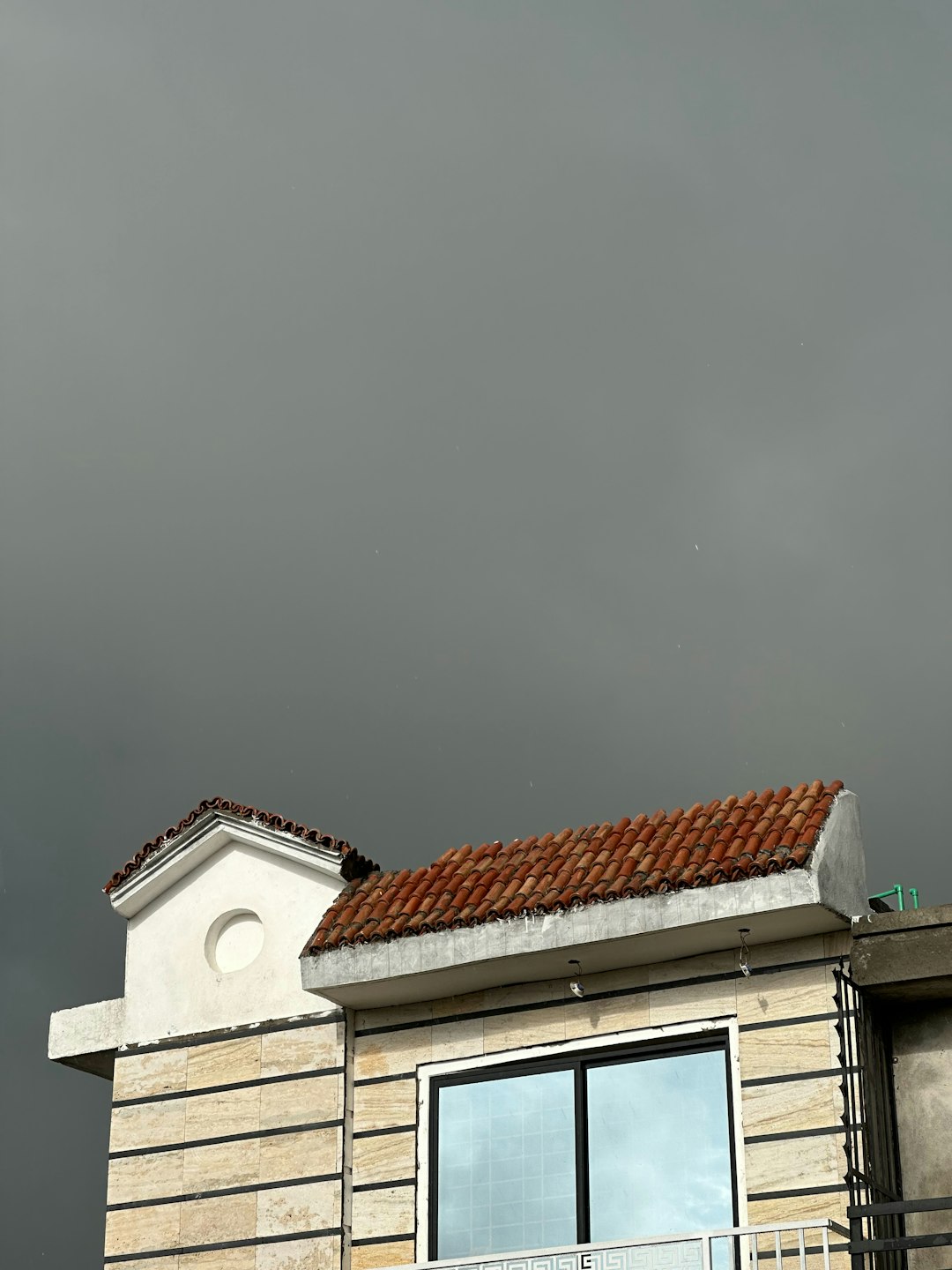
Bountiful Roofer Solutions for Storm Damage and Insurance Claims: A Contractor's 15-Year Perspective
My name is Michael, and I've been a licensed roofing contractor in the Kingwood area for fifteen years. I've personally supervised over 2,500 roofing projects, from simple repairs to complete tear-offs after major storms. I hold certifications from GAF, CertainTeed, and Owens Corning, and I'm a certified wind and hail damage inspector. This article exists because I've seen too many homeowners struggle after storm damage. They face confusing insurance claims, unreliable contractors, and overwhelming decisions. My purpose here is to give you the clear, honest information I'd give my own neighbor. I want to help you protect your home and navigate this stressful process with confidence. The insights come directly from my field experience, thousands of customer interactions, manufacturer installation guidelines, and Texas building codes. I'll explain not just what to do, but why it matters for your home's safety and value.
This guide is built on real-world methodology. Every recommendation is based on proven results from actual homes in our community. We'll cover how to spot hidden damage, work effectively with insurance, choose the right materials for our Texas climate, and find a trustworthy contractor. I'll share specific cost examples from recent projects and break down the installation process step-by-step. My goal is to save you time, prevent costly mistakes, and ensure your roof is restored properly. Let's begin with understanding the most common threat to our homes: storm damage.
Understanding Storm Damage: More Than Just Missing Shingles
Storm damage often looks obvious from the ground. You might see missing shingles or a tree limb on your roof. However, the most costly problems are usually invisible. As a contractor, my first job is to find what homeowners can't see. Hail creates small dents in shingles called bruising. This bruising cracks the protective asphalt layer. Water then seeps in slowly, rotting the decking underneath. Wind doesn't just tear shingles off. It can lift and reseal them, breaking the adhesive strips. This creates vulnerable spots for future leaks.
The Hidden Dangers of Hail and Wind
Hail damage is deceptive. The granules on your shingles protect against UV rays. When hail knocks these granules off, it exposes the asphalt to sunlight. This speeds up aging dramatically. I've seen roofs that looked fine after a storm fail completely within two years due to this granular loss. Wind damage often follows specific patterns. It typically starts at the edges, corners, and ridges of your roof. These areas experience the highest wind uplift forces. According to the Federal Emergency Management Agency (FEMA), proper installation at these critical zones is essential for wind resistance.
Another hidden issue is compromised flashing. Flashing is the metal material around chimneys, vents, and skylights. High winds can bend or loosen this flashing. This creates direct pathways for water into your attic. I always check the attic first during an inspection. Water stains on the decking or insulation tell the true story of a leak's origin. Remember, your roof is a system. Damage to one part affects the whole structure's performance.
Navigating the Insurance Claim Process: A Step-by-Step Guide
Filing an insurance claim can feel intimidating. I've helped hundreds of homeowners through this process. The key is documentation and knowing what to expect. Your first step is safety. Do not climb onto a damaged roof. Take clear photographs from the ground of any visible damage. Also photograph damaged property inside your home, like water stains on ceilings. Then, contact your insurance company to start a claim. They will assign an adjuster to inspect your property.
Working with the Insurance Adjuster
Be present for the adjuster's inspection. This is crucial. Walk with them and point out all areas of concern. Adjusters are knowledgeable, but they may miss subtle damage a trained roofer would catch. This is where hiring a reputable contractor early helps. Many quality roofers, including my company, offer free, detailed inspections. We provide a comprehensive report with photos and diagrams. You can give this report to your adjuster to ensure nothing is overlooked. The adjuster will write an estimate, called a scope of loss. This document lists all the items and quantities needed for repair.
Review this scope carefully with your contractor. Insurance estimates are sometimes based on regional pricing averages. They may not account for specific local material costs or necessary building code upgrades. For example, Texas building codes often require enhanced wind-resistant techniques in certain areas. If your old roof didn't meet this code, the new one must. This is known as a code upgrade. A good contractor will help you identify these items and communicate with your insurance for a supplement. Remember, you have the right to hire the contractor of your choice. Your insurance company cannot force you to use a specific roofer.
Choosing Roofing Materials: Durability for the Texas Climate
Selecting the right roofing material is a major investment in your home's future. In our climate, you need a roof that fights sun, wind, and hail. The most common choice is asphalt shingles. They offer a good balance of cost, durability, and aesthetics. However, not all shingles are equal. You should look for shingles rated for high wind speeds (often 130 mph) and with a strong hail resistance rating.
Asphalt Shingle Classifications
Asphalt shingles come in three main tiers. 3-tab shingles are the most basic and economical. They have a flat appearance and generally offer the shortest lifespan. Architectural or dimensional shingles are thicker. They have a random, shadowed pattern that mimics wood shakes. These are far more durable and wind-resistant. They are my most common recommendation for Texas homes. Premium or luxury shingles are the top tier. Brands like GAF Timberline HDZ or CertainTeed Landmark offer advanced technology. They have stronger adhesives, thicker bases, and longer warranties. Some are even rated for hail impact (Class 4).
The warranty is a critical factor. There are two parts: the manufacturer's material warranty and the contractor's workmanship warranty. A 50-year material warranty is standard for good architectural shingles. However, this warranty often requires specific installation methods to be valid. This includes using the manufacturer's approved underlayment, nails, and ventilation. Your contractor must be certified by that manufacturer to offer the full warranty. Always ask for proof of certification. Other materials like metal roofing are excellent for durability and energy efficiency but come at a higher initial cost.
The Professional Installation Process: What to Expect
A perfect material installed poorly will fail. The installation process is where a contractor's expertise truly matters. A proper roof replacement is a multi-day project with a clear sequence. Day one is the tear-off. The old shingles, underlayment, and nails are completely removed. The roof deck is then exposed and inspected. Any rotten or damaged wood is replaced. This is a non-negotiable step for a solid foundation.
Critical Steps for a Long-Lasting Roof
After the deck is sound, we install drip edge metal along all the eaves and rakes. This directs water into the gutters. Next comes the underlayment. This is a water-resistant barrier nailed directly to the deck. For Texas, I strongly recommend a synthetic underlayment over traditional felt. It is more tear-resistant and provides a longer secondary water barrier. Around all penetrations (vents, pipes), we install ice and water shield. This is a self-adhering membrane that seals around nails, providing extra protection against wind-driven rain.
Then, shingle installation begins from the bottom edge up. Each shingle is nailed in specific zones as per the manufacturer's instructions. The pattern is staggered to prevent water channels. Proper nail placement is vital. Nails driven too high or too hard can compromise the shingle. Flashing is meticulously installed and integrated with the shingles. Finally, ridge vents are installed at the peak for proper attic ventilation. Good ventilation is as important as the shingles themselves. It prevents heat and moisture buildup that can warp decks and reduce shingle life.
Cost Breakdown and Real Project Examples
Homeowners naturally want to know about cost. It's important to be transparent. Roofing costs vary based on size, pitch, materials, and complexity. A simple, single-story home with an easy-to-access roof will cost less than a large, two-story home with multiple peaks and steep slopes. In the Kingwood area, a full roof replacement with quality architectural shingles typically ranges between $12,000 and $25,000. This includes tear-off, disposal, all materials, and labor.
Case Study: Recent Hail Damage Project
Let me share a real example from last spring. The homeowners had a 2,200 square foot, two-story house. A hailstorm caused significant granular loss and several cracked shingles. Their insurance adjuster approved a full replacement. We used GAF Timberline HDZ shingles in Driftwood color. The project included replacing 12 sheets of plywood decking that had water damage. We also upgraded their attic ventilation with new soffit and ridge vents. The total insurance settlement was $18,750. The homeowners paid their $1,500 deductible, and insurance covered the rest. The project took three days. The final result was a durable, code-compliant roof with a 50-year warranty and much better ventilation.
Another project involved wind damage on an older home. The insurance initially only approved a repair. After we provided a detailed inspection showing widespread adhesive failure, they agreed to a full replacement. This saved the homeowner from facing the same issue again in a year. Always get multiple estimates, but remember: the lowest price is not always the best value. A quote that seems too good to be true often means corners will be cut on materials or labor.
How to Vet and Choose a Trustworthy Bountiful Roofer
Your choice of contractor determines everything. A great experience leads to peace of mind for decades. A bad one leads to leaks, fights, and more money. Here is my actionable checklist for finding a reliable roofer. First, verify they are licensed and insured in Texas. Ask for their license number and proof of both liability and workers' compensation insurance. Call the insurance company to confirm the policies are active. This protects you if an accident occurs on your property.
The Contractor Vetting Checklist
- Check Physical Location: Do they have a local office or just a P.O. box? A established local business is more accountable.
- Review Credentials: Look for manufacturer certifications (GAF Master Elite, CertainTeed Select ShingleMaster). These require proper training, insurance, and a good reputation.
- Read Reviews: Check Google, BBB, and Facebook. Look for patterns in reviews. How do they handle complaints?
- Ask for References: Request addresses of 2-3 recent local projects. Drive by to see the quality of their work.
- Get a Detailed Contract: The contract should specify materials (brand, style, color), scope of work, payment schedule, start/end dates, and warranty details. Never sign a blank contract.
- Avoid High-Pressure Tactics: Be wary of door-to-door salespeople after a storm who demand an immediate deposit or ask you to sign over your insurance benefits.
A professional roofer will be happy to provide all this information. They will educate you, not pressure you. They will also handle the insurance paperwork and supplements as part of their service. Your relationship with your contractor should be a partnership to restore your home.
Frequently Asked Questions from Homeowners
1. How long does a roof replacement usually take?
For an average-sized home, a professional crew can complete a full tear-off and replacement in 2-3 days. Weather is the main variable that can delay the project. Complex roofs with many angles, towers, or steep pitches may take 4-5 days. The contractor should provide a realistic timeline upfront.
2. Will my landscaping be damaged during the project?
A reputable crew takes great care to protect your property. They will use tarps on the ground around the house to catch falling debris. They may also place plywood over delicate landscaping. However, there is always some risk from falling nails or debris. A final magnet sweep of the yard to collect nails is a standard part of cleanup.
3. Do I need to be home during the installation?
You do not need to be home all day, but it is helpful to be available, especially on the first morning. The crew leader may have questions. The noise and vibration can be significant. It's a good idea to remove fragile items from walls and shelves in your attic and top floor.
4. What happens if it rains during the project?
Professional roofers watch the weather closely. They will not tear off your entire roof if rain is forecast. They work in sections, removing only what they can re-cover by the end of the day. The underlayment provides a water-resistant barrier if a brief shower occurs. The crew will tarp any exposed sections overnight if necessary.
5. How do I maintain my new roof?
Minimal maintenance is required. Keep your gutters clean to prevent water backup. After major storms, do a visual ground-level inspection for missing or damaged shingles. Trim any tree branches that touch or overhang the roof. Have a professional inspection every 3-5 years to check flashings, seals, and ventilation. Avoid walking on your roof, as this can damage the shingles.
6. Does a new roof increase my home's value?
Absolutely. A new roof is one of the top home improvements for return on investment. According to the Remodeling 2024 Cost vs. Value Report, a new asphalt roof recoups an average of over 60% of its cost in increased home value. More importantly, it is a critical selling point for buyers concerned about future repairs.
7. What if I find more damage after work begins?
This is common. Once the old roof is removed, hidden damage to the decking is often revealed. A trustworthy contractor will immediately show you the damage, explain why it needs repair, and provide photos. They will then contact your insurance adjuster to request a supplement to the claim to cover the additional cost. This process should be transparent and documented.
Conclusion: Your Path to a Secure Home
Dealing with storm damage is stressful, but knowledge reduces fear. You now understand the hidden signs of damage, the insurance claim roadmap, the importance of material and installation quality, and how to choose a true professional. Your roof is your home's first line of defense. Investing in its proper repair is investing in your safety, comfort, and financial security. The goal is not just a roof over your head, but a reliable, durable system that protects everything underneath it for years to come.
My final advice is to act promptly but thoughtfully after storm damage. Delay can lead to interior damage and mold. However, rushing into a contract with an unverified contractor can lead to worse problems. Use the checklist provided to interview 2-3 licensed, local, certified roofers. Get detailed written estimates. Ask questions until you feel confident. A good contractor will welcome your engagement. Your home deserves nothing less than expert care. Stay safe, and here's to many dry, secure years ahead under a strong, well-built roof.