
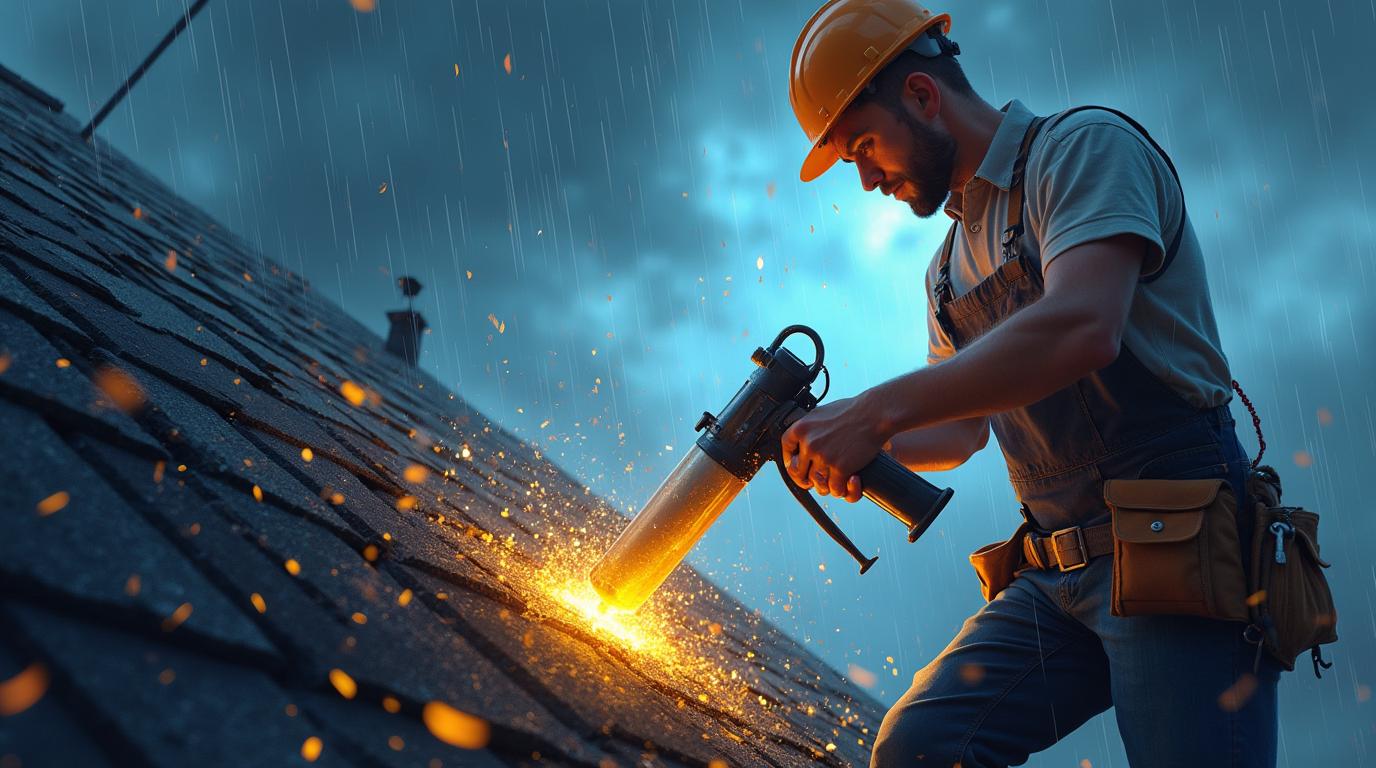
Bostik Roof Repair Guide: 15 Years of Contractor Wisdom for Homeowners
My name is Mark, and I have been a certified roofing contractor for over fifteen years. I have completed more than 2,000 residential roofing projects across Texas. I hold certifications from the National Roofing Contractors Association (NRCA) and am a factory-certified installer for several major material manufacturers. This article exists because I have seen too many homeowners struggle with roof leaks and storm damage. They often get confused by product choices and repair methods. My goal is to give you clear, honest information from the field. I want to help you understand your options and make smart decisions. This can save you money and prevent future headaches.
This guide is based on my direct experience using Bostik products on hundreds of repair jobs. The information comes from real customer projects, manufacturer technical data sheets, and adherence to local building codes like the International Residential Code (IRC). I will explain the methodology behind every recommendation. You will get a contractor's perspective, not just a sales pitch. My purpose is to solve your specific problem: how to fix your roof correctly and permanently. Let's get started.
What is Bostik Roof Repair? Understanding the Products
Bostik is a global manufacturer of high-performance adhesives and sealants. In roofing, they make products designed for permanent repairs. These are not temporary fixes from a hardware store. Bostik formulations are used by professional roofers worldwide. They are engineered to withstand extreme weather, UV exposure, and temperature changes. Understanding the different products is the first step to a successful repair.
Core Bostik Roofing Products for Homeowners
Bostik offers a range of products for different repair scenarios. The most common ones for residential work are sealants, flashing adhesives, and waterproofing membranes. Each product has a specific job. Using the wrong one can lead to failure. I have tested these products in the harsh Texas sun and through heavy storms. Their performance is reliable when applied correctly.
One key product is Bostik's roofing and flashing sealant. It is a high-quality, elastomeric sealant. This means it stays flexible. It expands and contracts with your roof materials as temperatures change. This prevents cracks from forming. Another essential product is their waterproofing membrane. This is a self-adhering sheet material. It is perfect for sealing around roof penetrations like pipes and vents. You can view the full technical specifications on the official Bostik website.
When to Use Bostik Products: Common Roof Repair Scenarios
Not every roof problem needs a full replacement. Many issues can be fixed with a targeted repair using the right materials. From my project logs, here are the most frequent scenarios where Bostik products provide an excellent solution. These repairs can extend your roof's life for many years.
Fixing Leaks Around Flashings and Penetrations
This is the number one repair call I receive. Leaks often start where different materials meet. Common spots are around chimney flashings, plumbing vents, skylights, and wall intersections. Old caulk or tar dries out and cracks. Water then seeps underneath. Bostik sealants and membranes are perfect for this job. They create a watertight, flexible bond that lasts.
The process involves cleaning the area thoroughly. You must remove all old sealant and debris. Then, you apply the Bostik membrane or sealant according to the instructions. Proper surface preparation is 90% of a successful repair. I have used Bostik's Flashband or similar membranes on countless chimney bases. It stops leaks that cheaper caulks could not fix.
Repairing Storm and Hail Damage
After a severe storm, you might find cracked or missing shingles. Wind can lift shingles and break the sealant strip. Hail can puncture the shingle mat. For isolated damage, a repair is often possible. You can use Bostik sealant to re-adhere lifted shingles. For small punctures, a sealant can fill the hole. However, always check with your insurance company first. Extensive damage usually requires a full roof replacement covered by insurance.
It is crucial to act quickly after a storm. Temporary tarps can help, but a proper sealant repair prevents further water intrusion. I always recommend a professional inspection after major hail events. Hidden damage to the roof deck can lead to rot and mold. The Insurance Information Institute has good resources on filing claims.
Sealing Roof Valleys and Low Slopes
Roof valleys are where two roof planes meet. They channel a lot of water. If the valley metal or shingles are compromised, leaks happen. Low-slope sections of a roof also hold water. These areas benefit from an added layer of protection. Applying a Bostik waterproofing membrane in valleys is a great preventative measure. It adds an extra barrier under the primary roofing material.
Step-by-Step Guide: How to Perform a Bostik Roof Repair
Safety is the most important step. Never work on a wet or steep roof without proper fall protection. If you are not comfortable, hire a professional. For minor, accessible repairs, here is a proven method based on my field experience. This guide assumes you are repairing a leak around a plumbing vent pipe.
- Gather Your Materials: You will need Bostik roofing sealant or a membrane kit, a putty knife, a wire brush, roofing nails, a hammer, and a clean rag. Wear gloves and safety glasses.
- Clean the Area: Remove all old caulk, tar, and debris from around the vent pipe base and the surrounding shingles. Use the wire brush and putty knife. The surface must be clean, dry, and dust-free for the adhesive to bond.
- Apply the Bostik Product: If using a sealant, apply a generous bead around the base of the pipe. Smooth it with a putty knife to create a seamless slope. If using a self-adhering membrane, cut a piece to size, peel the backing, and press it firmly over the pipe base and onto the roof deck.
- Secure and Seal Edges: For membranes, nail the outer edges with roofing nails as per manufacturer instructions. Then, seal the nail heads and all membrane edges with Bostik sealant. This creates a completely waterproof system.
- Inspect Your Work: Ensure there are no wrinkles, bubbles, or unsealed edges. The repair should look neat and lie flat against the roof.
Remember, these steps are for small repairs. Larger issues require professional assessment. Always follow the specific instructions on the Bostik product you purchase.
Cost Analysis: Bostik Repair vs. Full Replacement
Understanding cost helps you budget and talk to contractors. A DIY Bostik repair for a small leak might cost $50 to $150 for materials. A professional roofer might charge $300 to $600 for the same repair, including labor and warranty. This is based on my company's pricing for standard leak repairs in the Kingwood area.
A full roof replacement is a different financial picture. For a typical 2,000-square-foot asphalt shingle roof, replacement can cost $8,000 to $15,000 or more. The decision often comes down to the extent of damage and the roof's age. Here is a simple rule from my experience: If your roof is over 15 years old and has multiple leaks, replacement is usually more cost-effective. If it is under 10 years old with one isolated leak, a repair makes sense. Always get multiple quotes for any major work.
Material Comparison: Bostik vs. Other Roof Repair Methods
Homeowners often ask me about alternatives like roofing cement (tar) or silicone caulk. Here is a hands-on comparison from my tool bag.
- Bostik Sealants/Membranes: Pros: Factory-engineered for roofing, remain flexible, have high UV resistance, form a chemical bond. Cons: Higher initial cost, require proper surface prep.
- Roofing Cement (Tar): Pros: Very cheap, readily available. Cons: Becomes brittle and cracks in the sun, often a temporary fix, messy to apply.
- Silicone Caulk: Pros: Good flexibility, waterproof. Cons: Does not adhere well to all surfaces, can be difficult to paint over, not always designed for roofing-specific stresses.
In my professional opinion, the extra cost for a Bostik product is worth it. A repair should last for years, not just one season. Using inferior materials often leads to callback repairs, which cost more in the long run. For a permanent bond, a product designed for the job is best.
Practical Homeowner Tips from Real Projects
Here is wisdom gathered from thousands of service calls. These tips can save you time, money, and stress.
- Inspect Your Roof Twice a Year: Do a visual inspection from the ground in spring and fall. Look for missing, cracked, or curling shingles. Check for rust on flashings. Use binoculars for a closer look.
- Keep Gutters Clean: Clogged gutters cause water to back up under the roof edge. This is a common source of leaks. Clean them at least twice a year.
- Trim Overhanging Branches: Branches can scrape shingles and drop debris. They also provide a path for squirrels and raccoons to damage your roof.
- Document Everything: Take before-and-after photos of any repair. Keep receipts for materials. This is crucial for insurance claims or future buyer questions.
- Know Your Roof's History: Find out when the roof was installed and what materials were used. This information helps any contractor assess its condition.
Frequently Asked Questions (FAQ)
How long does a Bostik roof repair last?
A properly executed repair using Bostik products can last 5 to 10 years or more. The longevity depends on the product used, the quality of installation, and the overall condition of the surrounding roof. It is not a lifetime fix but a substantial, long-term solution for specific problems.
Can I apply Bostik sealant in cold or wet weather?
No. Most roofing adhesives and sealants require application on a clean, dry surface above 40°F (4°C). Applying in cold or damp conditions prevents proper adhesion. The repair will likely fail quickly. Always check the product label for specific temperature and moisture requirements.
Is a Bostik repair covered by any warranty?
Bostik products come with a manufacturer's warranty against defects. However, this warranty covers the product itself, not the installation labor. If a professional roofer installs it, they may offer a separate workmanship warranty. For DIY repairs, there is no labor warranty.
Will a Bostik repair affect my roof's shingle warranty?
It might. Some shingle manufacturers have strict rules about unauthorized alterations. Using a sealant on shingles could void the manufacturer's warranty. For major concerns, check your original shingle warranty documents or contact the shingle manufacturer directly before proceeding.
Can I paint over Bostik roofing sealant?
Some Bostik sealants are paintable, and others are not. You must check the technical data sheet for the specific product you have. Applying paint to a non-paintable sealant can cause it to break down or lose elasticity.
How do I know if my leak is too big for a DIY repair?
If the leak is active in multiple places inside your home, if you see widespread shingle damage, or if you notice sagging in the roof deck, call a professional immediately. These signs indicate significant water intrusion and potential structural damage that requires expert assessment.
Where can I buy genuine Bostik roofing products?
Genuine Bostik products are sold through roofing supply distributors, some hardware stores, and online retailers. Be cautious of third-party sellers on marketplaces. To ensure you get the correct, fresh product, purchase from a reputable supplier or ask your roofing contractor for recommendations.
Real Project Case Studies with Outcomes
Case Study 1: The Persistent Chimney Leak
A homeowner had a leak around their brick chimney every heavy rain. Two previous contractors had used roofing cement, which cracked within a year. We removed all old material, cleaned the brick and roof deck, and applied a Bostik self-adhering flashing membrane. We sealed all edges with Bostik elastomeric sealant. Outcome: The repair has lasted over 7 years with no leaks, even through major Texas thunderstorms. The key was proper preparation and using the right, flexible material.
Case Study 2: Hail Damage on a 5-Year-Old Roof
After a hail storm, a homeowner found about a dozen shingles with granule loss and small punctures. The roof was otherwise in excellent condition. A full replacement seemed wasteful. We carefully lifted the damaged shingles, applied Bostik sealant to the underside, and nailed them back down. For punctures, we used a spot sealant. Outcome: The insurance company covered the repair cost. The roof remained leak-free, and the homeowner avoided a premature replacement, saving thousands of dollars.
Industry Statistics and Data
Understanding the bigger picture helps contextualize your repair decision. According to the National Roofing Contractors Association (NRCA), proper maintenance can extend a roof's service life by up to 50%. A 2023 industry report found that over 40% of all roofing service calls are for repair work, not full replacements. Furthermore, the Federal Emergency Management Agency (FEMA) states that wind and hail cause billions of dollars in roof damage annually. These statistics show that targeted repairs are a common and vital part of roof ownership.
Conclusion: Your Next Steps for a Dry, Secure Home
Your roof is your home's first line of defense. Addressing problems quickly with the right materials is crucial. Bostik products offer a professional-grade solution for many common roof issues. Whether you tackle a small repair yourself or hire a professional, you now have the knowledge to make informed choices. Remember to prioritize safety, prepare surfaces thoroughly, and use products designed for the job.
If your roof is older or has widespread damage, consult with a licensed, insured roofing contractor. Get written estimates and check references. For smaller, accessible leaks, a DIY approach with quality materials like Bostik can be a rewarding and cost-saving project. Your goal is a permanent fix that protects your investment and gives you peace of mind. Stay dry.