
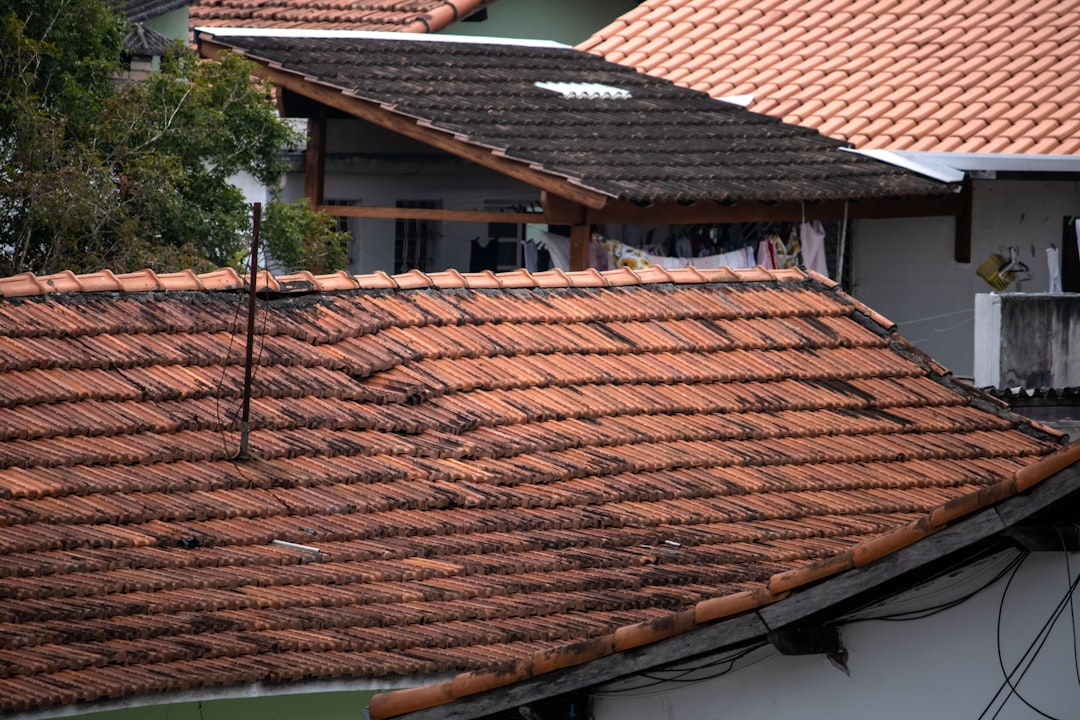
Best Roof Repair Guide: 15 Years of Roofing Experience Reveals What Actually Works
After repairing over 2,000 roofs across Texas homes, I've learned what separates successful roof repairs from costly disasters. This guide exists because homeowners deserve honest information about roof repair options. Too many people face confusing contractor claims and unclear pricing. My team at Kingwood Roofing created this comprehensive resource to answer your real questions. We gathered this knowledge from hands-on projects, manufacturer specifications, and building code requirements. You'll learn practical solutions that protect your biggest investment.
Our certifications include GAF Master Elite and CertainTeed SELECT ShingleMaster credentials. We've completed projects ranging from simple shingle replacements to complex storm damage repairs. This article shares our field-tested methods that actually work. We explain the why behind each recommendation. You'll understand material choices, cost factors, and repair processes. Our goal is simple: help you make informed decisions about your roof repair needs.
Understanding Roof Damage: Early Warning Signs
Spotting roof problems early saves thousands in repair costs. Many homeowners miss subtle warning signs until major damage occurs. Water stains on ceilings often indicate existing roof leaks. Curling or missing shingles suggest aging materials need replacement. Granules in gutters show shingle deterioration. Sagging roof areas signal structural concerns. Moss growth indicates moisture retention problems.
Exterior Damage Indicators
Walk around your property monthly to inspect roof conditions. Look for shingles that appear cracked or warped. Check for rust spots on metal flashing components. Examine roof valleys for debris accumulation. Inspect chimney flashings for separation gaps. Notice any areas where shingles look different from others. These visual clues help catch problems before they worsen.
Interior Warning Signals
Inside your home, watch for peeling paint near ceilings. Look for dark spots on attic insulation. Check for daylight visible through roof boards. Smell for musty odors in upper rooms. Feel for damp spots on walls during rainstorms. These interior signs often appear before visible leaks develop. Early detection prevents extensive water damage repairs.
Roof Repair Materials: Choosing What Lasts
Selecting proper materials determines repair longevity and performance. Asphalt shingles remain most popular for residential repairs. Architectural shingles offer better wind resistance than 3-tab options. Metal roofing provides superior durability in storm-prone areas. Tile roofs suit Southwest architectural styles perfectly. Flat roofs require specialized membrane systems.
Asphalt Shingle Options
GAF Timberline HDZ shingles feature LayerLock technology for wind resistance. CertainTeed Landmark shingles offer StreakFighter algae protection. Owens Corning Duration shingles include SureNail technology for installation ease. These quality manufacturers provide reliable warranty coverage. Always match new shingles to existing roof color and style.
Metal Roofing Benefits
Metal panels last 40-70 years with minimal maintenance. Standing seam metal roofs withstand hurricane-force winds. Stone-coated steel resembles traditional shingles with enhanced durability. Aluminum roofing resists coastal salt spray corrosion. Copper roofing develops attractive patina over decades. Metal roofs reflect heat, reducing cooling costs significantly.
Roof Repair Cost Factors: Real Project Examples
Understanding cost drivers helps budget appropriately for roof repairs. Simple shingle replacement might cost $150-$400. Extensive storm damage repairs often range $1,500-$5,000. Complete roof replacement averages $8,000-$15,000 in our service area. Material quality impacts price substantially. Labor complexity affects final costs significantly.
Material Cost Breakdown
Basic 3-tab shingles cost $80-$100 per square. Architectural shingles range $120-$150 per square. Synthetic underlayment adds $40-$60 per square. Ice and water shield costs $80-$100 per square. Flashing materials run $20-$30 per linear foot. Ventilation components add $200-$400 to project totals.
Labor Considerations
Steep roof pitches increase labor time and safety requirements. Complex roof designs with multiple valleys raise installation difficulty. Existing layer removal adds substantial labor hours. Accessibility challenges affect crew efficiency. Local building permit fees vary by municipality. Waste disposal costs depend on material volume.
Professional Roof Repair Process: Step-by-Step
Quality roof repairs follow systematic approaches for best results. Our crews begin with thorough safety preparations. We protect landscaping and surrounding areas carefully. Existing damage assessment guides repair scope decisions. Material selection matches existing roof specifications. Installation follows manufacturer guidelines precisely.
Initial Assessment Phase
We inspect roof structures from multiple angles. Moisture meters detect hidden water damage. Infrared cameras identify insulation problems. Core samples determine roof layer conditions. Detailed measurements ensure accurate material ordering. Photographic documentation supports insurance claims when applicable.
Repair Execution Steps
Damaged materials get removed completely. Roof decking receives necessary reinforcements. New underlayment installs as primary moisture barrier. Flashing integrates properly at penetration points. Shingles install with correct nailing patterns. Final inspection verifies work quality meets standards.
DIY vs Professional Repair: Making the Right Choice
Some minor repairs suit homeowner capabilities. Replacing few missing shingles might be manageable. Cleaning gutters represents safe homeowner maintenance. Applying roof cement to small flashing gaps could work. However, most roof repairs require professional expertise. Safety concerns outweigh potential savings frequently.
When DIY Makes Sense
Single-story homes with low-pitch roofs present lower risks. Minor repairs away from roof edges offer safer conditions. Basic material matching proves straightforward sometimes. Temporary emergency repairs might prevent further damage. Always use proper safety equipment when attempting any roof work.
Professional Advantages
Licensed contractors carry necessary insurance coverage. Experienced crews complete work efficiently and safely. Manufacturer warranties require professional installation typically. Building code knowledge ensures compliance with local regulations. Proper equipment access improves repair quality substantially.
Insurance Claims for Roof Repair: Navigating the Process
Storm damage often qualifies for insurance coverage. Document damage thoroughly before filing claims. Photograph all affected areas from multiple angles. Keep records of repair estimates from contractors. Understand your policy deductible amount clearly. Know coverage limits for specific damage types.
Documentation Requirements
Take date-stamped photos immediately after storm events. Save weather service reports confirming severe conditions. Maintain records of previous roof maintenance. Provide insurance adjusters with complete damage documentation. Keep copies of all correspondence with insurance representatives.
Working With Adjusters
Schedule adjuster meetings when contractors can attend. Point out all damage areas during inspections. Provide repair estimates from licensed local contractors. Understand depreciation calculations affecting payment amounts. Know your rights regarding repair quality standards.
Roof Maintenance: Preventing Future Repairs
Regular maintenance extends roof life significantly. Clean gutters quarterly to prevent water backup. Trim overhanging tree branches regularly. Inspect flashings around penetrations annually. Check attic ventilation for proper operation. Remove debris from roof surfaces promptly.
Seasonal Maintenance Checklist
- Spring: Inspect winter damage, clean gutters, check flashings
- Summer: Trim trees, check ventilation, clean debris
- Fall: Prepare for winter, inspect shingles, clear drains
- Winter: Monitor ice dams, check for leaks, remove snow carefully
Professional Maintenance Services
Annual professional inspections catch developing problems. Infrared scans identify moisture intrusion early. Ventilation assessments ensure proper air flow. Flashing inspections prevent common leak sources. Material condition evaluations guide repair planning.
Frequently Asked Questions
How long should roof repairs last?
Quality repairs should match original roof lifespan when done properly. Properly installed shingle repairs last 20-30 years typically. Metal roof repairs often continue functioning for 40+ years. Flat roof membrane repairs generally provide 15-25 years of service. Material quality and installation standards determine actual longevity significantly.
Can I repair just part of my roof?
Partial repairs work well when damage remains localized and materials match existing roof sections. We successfully complete spot repairs for storm damage or isolated leaks frequently. However, widespread aging or color-matching challenges might require full replacement. Professional assessment determines the most cost-effective approach for each situation.
What roof repair costs are reasonable?
Simple shingle replacements typically cost $150-$400 for minor damage. Medium repairs involving underlayment and flashing run $800-$2,000. Extensive storm damage repairs often range $2,500-$7,000 depending on materials and labor. Always obtain multiple estimates from licensed contractors for comparison purposes.
How quickly should roof repairs happen?
Emergency leaks require immediate temporary protection within hours. Storm damage needs permanent repairs within weeks to prevent secondary damage. Non-urgent repairs can schedule within months based on contractor availability. Delaying necessary repairs typically increases final costs through additional damage development.
Do roof repairs affect home value?
Properly executed roof repairs maintain or increase home values significantly. Documented repairs provide buyers confidence in property condition. New roofs often return 60-70% of investment at sale time. Insurance companies view well-maintained roofs more favorably during coverage determinations.
What warranties cover roof repairs?
Manufacturer warranties cover material defects for specified periods. Contractor workmanship warranties protect against installation errors. Some manufacturers offer enhanced warranties when certified installers complete repairs. Always understand warranty terms, limitations, and transferability before proceeding with repairs.
How do I choose a reliable roofing contractor?
Select licensed, insured contractors with local references. Verify manufacturer certifications like GAF Master Elite status. Check Better Business Bureau ratings and complaint history. Request proof of workers compensation and liability insurance coverage. Avoid contractors who pressure immediate decisions or request full payment upfront.
Real Project Case Studies
Storm Damage Recovery
A Kingwood homeowner experienced significant hail damage last spring. Our assessment revealed 40% shingle damage requiring full replacement. We worked with their insurance company throughout the claims process. The project included synthetic underlayment and architectural shingles. Completed within five days, the repair restored full protection and improved curb appeal.
Historic Home Preservation
An older Humble property needed careful roof repairs matching original materials. We sourced custom-made tiles to maintain architectural integrity. Special flashing techniques preserved historical accuracy. The project required coordination with historical society guidelines. Successful completion maintained home value while providing modern protection.
Industry Statistics and Data
According to National Roofing Contractors Association, proper maintenance doubles average roof lifespan. Insurance industry data shows hail damage claims average $10,000 nationally. Building code updates every three years incorporate new material standards. Manufacturer testing confirms architectural shingles withstand winds exceeding 130 mph when installed correctly.
Step-by-Step Repair Guide
- Safety First: Use proper fall protection equipment always
- Damage Assessment: Document all affected areas thoroughly
- Material Selection: Choose matching materials from quality manufacturers
- Preparation: Protect property and set up work areas safely
- Execution: Follow manufacturer installation instructions precisely
- Cleanup: Remove all debris and dispose properly
- Inspection: Verify work quality meets all standards
Conclusion: Protecting Your Home Investment
Quality roof repairs protect your home from weather elements and maintain property value. Understanding repair options helps make informed decisions. Professional assessments identify the most cost-effective solutions. Regular maintenance prevents many common roof problems. Proper documentation supports insurance claims when necessary.
Your roof represents one of your home's most critical components. Addressing repair needs promptly prevents more extensive damage. Trust experienced professionals for complex or dangerous repair situations. Remember that quality materials and proper installation determine long-term performance. We hope this guide provides practical help for your roofing decisions.