
Best Roof Company Guide: Expert Tips & Material Selection from a 15-Year Roofing Contractor
I have installed and repaired roofs for fifteen years. I completed over two thousand roofing projects. I earned certifications from GAF, CertainTeed, and Owens Corning. I worked on residential and commercial buildings. I understand what makes a great roofing company. This article shares my real contractor perspective. I want to help homeowners make smart decisions.
This article exists to solve a common problem. Homeowners need a new roof or repairs. They feel overwhelmed by the choices. They worry about getting scammed. They do not know who to trust. This guide answers your most important question. How do I find the best roof company for my home? I will give you clear, honest information. You will learn what truly matters when hiring a roofer.
I gathered this information from real customer projects. I studied industry data from the National Roofing Contractors Association. I reviewed manufacturer specifications for materials. I followed local and international building codes. My recommendations come from hands-on experience. I explain the methodology behind each tip. This transparency builds trust. You deserve to know how I reached my conclusions.
What Makes a Roofing Company the "Best"?
Many companies claim to be the best. Few actually meet the standard. The best roof company combines several key qualities. They have proper licensing and insurance. They employ skilled, certified installers. They use high-quality materials from trusted brands. They offer strong warranties on both labor and materials. They provide clear, detailed written estimates. They communicate well throughout the project.
Essential Credentials and Certifications
Always verify a company's credentials before hiring. A legitimate roofing contractor must have a state business license. They need liability insurance and workers' compensation coverage. Ask for proof of insurance certificates. Manufacturer certifications are also crucial. Companies certified by GAF or CertainTeed complete special training. They follow strict installation standards. This often leads to better warranty coverage for your roof.
Check for membership in professional organizations. The National Roofing Contractors Association (NRCA) sets industry standards. Local roofing associations promote ethical business practices. These memberships show commitment to professionalism. They are not just for show. They require adherence to codes and ethics. Do not hire a company without proper credentials. It is too risky for your home and investment.
Experience and Specialization
Experience matters greatly in roofing. A company with ten years of experience has seen many situations. They know how to handle unexpected problems. They understand different roof designs and materials. Ask about their project history. How many roofs like yours have they installed? Do they specialize in residential or commercial work? Some companies focus on specific materials like metal or tile.
Look for a company with experience in your area. Local roofers understand regional weather challenges. They know which materials perform best locally. They are familiar with local building codes and permit requirements. A company that only works in one neighborhood may lack broad experience. A company that works statewide may not know local nuances. Find the right balance for your needs.
How to Research and Compare Roofing Companies
Do not hire the first company you find. Research multiple options thoroughly. Start by asking friends and neighbors for recommendations. Check online reviews on Google, Yelp, and the Better Business Bureau. Look for patterns in feedback. Are customers consistently happy with communication? Do complaints mention similar issues? Read both positive and negative reviews carefully.
Visit company websites to learn about their services. Look for project galleries showing completed work. Check if they list their certifications and partnerships. A professional website indicates investment in their business. However, a fancy website does not guarantee quality work. You must dig deeper. Contact at least three companies for estimates. Compare their approaches and proposals.
The Consultation and Estimate Process
A good roofing company will offer a free, in-person consultation. The representative should inspect your roof thoroughly. They should explain what they see in simple terms. They should take measurements and photos. They should discuss your options clearly. Beware of companies that give quotes over the phone without seeing your roof. Every roof is unique. An accurate estimate requires a physical inspection.
The written estimate should include detailed line items. It should list all materials by brand and product line. It should specify labor costs separately. It should include costs for permits and disposal. It should outline the project timeline. It should explain payment terms clearly. Compare estimates side by side. The lowest price is not always the best value. Consider what is included in each proposal.
Asking the Right Questions
Prepare questions before meeting with roofers. Ask about their crew. Are they employees or subcontractors? Employees often receive better training. Ask who will supervise the project daily. Get the supervisor's name and contact information. Ask about their safety procedures. Do they use fall protection systems? How do they protect your property during work?
Ask about the installation process. How many layers will they remove? Will they replace damaged decking? What underlayment will they use? How will they handle ventilation? Proper ventilation extends roof life. Ask about cleanup procedures. Will they remove all debris from your property? Get all answers in writing. A trustworthy company welcomes your questions.
Understanding Roofing Materials and Quality
The best roof company uses quality materials. They do not cut corners to save money. They understand material performance characteristics. They match materials to your home's style and climate. Common residential roofing materials include asphalt shingles, metal, tile, and slate. Each has different costs, lifespans, and maintenance needs.
Asphalt Shingles: The Most Common Choice
Asphalt shingles cover most American homes. They are affordable and versatile. They come in three-tab, architectural, and premium designer styles. Architectural shingles have a dimensional look. They last longer than basic three-tab shingles. Premium shingles mimic wood or slate. They offer enhanced durability and aesthetics.
Quality varies greatly between shingle brands. Owens Corning, GAF, and CertainTeed are leading manufacturers. Their higher-end products offer better wind resistance. Some carry lifetime limited warranties. Ask which specific product line the company recommends. Compare warranty terms between brands. Consider impact-resistant shingles in hail-prone areas. They may qualify for insurance discounts.
Metal Roofing: Durability and Efficiency
Metal roofs last forty to seventy years. They resist fire, wind, and hail well. They reflect solar heat, reducing cooling costs. Metal roofing comes in panels or shingles. Standing seam metal roofs have concealed fasteners. They offer clean lines and excellent weather protection. Metal shingles resemble traditional materials but last longer.
Quality metal roofing uses proper coatings. Kynar 500® and Hylar 5000® finishes resist fading. They carry long warranties against chalking and color change. Proper installation is critical for metal roofs. Expansion and contraction must be accommodated. Thermal movement can cause problems if not handled correctly. Hire a company with specific metal roofing experience.
Tile and Slate: Premium Longevity
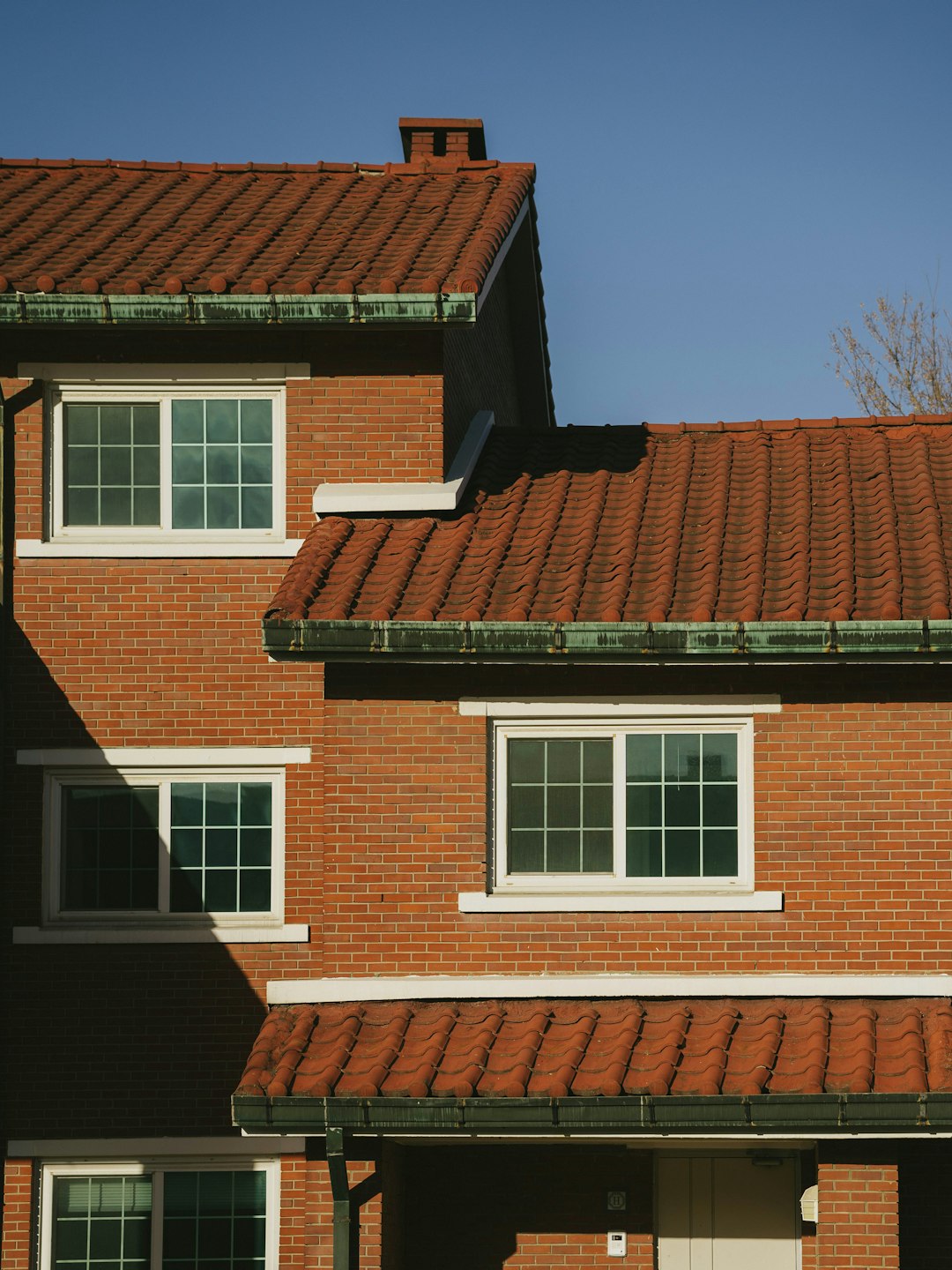
Clay tile and natural slate are premium materials. They can last over one hundred years. They offer distinctive beauty and character. They are also very heavy. Your roof structure must support the weight. Professional assessment is essential before installation. These materials require specialized installation skills. Not all roofing companies work with them.
Synthetic slate and tile products offer similar looks with less weight. They are made from recycled materials or composites. They are easier to install than natural materials. They cost less while maintaining high-end appearance. Ask the roofing company about their experience with these premium products. Request photos of previous installations.
The Installation Process: What to Expect
A great roofing company follows a systematic installation process. They protect your property before starting work. They use tarps to cover landscaping and walkways. They set up safety equipment properly. They obtain necessary permits from local authorities. They schedule material delivery conveniently. They communicate the timeline clearly with you.
Day-by-Day Project Flow
Most roof replacements take two to five days. The first day involves preparation and tear-off. The crew removes old shingles and underlayment. They inspect the roof deck for damage. They replace any rotten or weak wood. They install new underlayment for waterproofing. They install drip edge and ice/water shield in critical areas.
Subsequent days involve installing the new roofing material. Shingles are applied according to manufacturer specifications. Proper nailing patterns are crucial for wind resistance. Flashing is installed around chimneys, vents, and walls. Proper flashing prevents leaks at penetration points. The final day includes cleanup and inspection. The crew removes all debris from your property. They conduct a final walkthrough with you.
Quality Control and Inspection
The best companies have quality control procedures. The foreman inspects work throughout the project. Many companies have a second supervisor check completed work. Some manufacturers require photographic documentation for warranty validation. The company should provide before-and-after photos. They should explain key installation details to you.
After completion, schedule a follow-up inspection. Check for any issues in daylight after the crew leaves. Look for stray nails in your yard. Check gutters for debris. Inspect the roof line for straightness. Test that all roof penetrations are properly sealed. A good company will address any concerns promptly. They want you to be completely satisfied.
Cost Considerations and Financing
Roof replacement is a significant investment. Costs vary based on many factors. Your roof's size, pitch, and complexity affect the price. Material choice creates the biggest cost difference. Labor costs depend on your location and the season. Additional work like deck repair increases the total. Get multiple estimates to understand fair pricing in your area.
Breaking Down the Costs
A typical asphalt shingle roof costs $8,000 to $15,000 for an average home. Metal roofs range from $15,000 to $30,000. Tile and slate roofs can exceed $30,000. These are national averages. Your actual cost may differ. The estimate should itemize all expenses. Look for these cost components.
- Materials: Shingles, underlayment, flashing, nails
- Labor: Removal, installation, cleanup
- Disposal: Dumpster fees, landfill charges
- Permits: Local government fees
- Incidentals: Deck repair, ventilation upgrades
Beware of estimates that seem too good to be true. Extremely low prices often indicate corner-cutting. The company may use inferior materials. They may not carry proper insurance. They may skip important steps like ice/water shield. Paying a fair price for quality work saves money long-term.
Financing and Payment Options
Many roofing companies offer financing options. Some partner with lenders for special programs. Others accept credit cards or payment plans. Understand the terms before committing. Ask about interest rates and fees. Check if there are prepayment penalties. Compare financing offers with your bank's options.
Payment schedules should be reasonable. Avoid companies demanding full payment upfront. A common schedule is deposit, progress payment, and final payment. The deposit should not exceed one-third of the total cost. Final payment should occur after you are satisfied. Never pay cash without a proper receipt. Keep all payment records for your files.
Warranties and Post-Installation Support
Warranties protect your investment. Understand what each warranty covers. Manufacturer warranties cover material defects. They range from twenty-five years to lifetime. Labor warranties cover installation errors. They typically range from one to ten years. Some companies offer extended labor warranties for additional cost.
Understanding Warranty Limitations
Read warranty documents carefully. Most have limitations and exclusions. They may not cover "acts of God" like hurricanes. They often require proper maintenance. They may be voided by improper repairs. Transferability is important if you sell your home. Some warranties transfer to new owners. Others do not or require fees.
Manufacturer warranties often require specific installation methods. The roofer must follow all manufacturer instructions. They must use approved accessories. They must document the installation with photos. Ask the roofing company how they ensure warranty compliance. Request copies of warranty documents before signing the contract.
Service and Maintenance Programs
The best roofing companies offer ongoing support. They provide maintenance recommendations. They may offer annual inspection services. They respond quickly if issues arise after installation. Ask about their process for handling warranty claims. How do they work with manufacturers on your behalf? A company that stands behind their work will have clear procedures.
Regular maintenance extends roof life. Schedule inspections after severe storms. Clean gutters twice yearly. Trim overhanging tree branches. Remove debris from roof surfaces. Watch for signs of moss or algae growth. Address small problems before they become big issues. Your roofing company can advise on proper maintenance for your specific roof.
Red Flags and Warning Signs
Some roofing companies use unethical practices. Learn to recognize warning signs. Door-to-door solicitors after storms often prey on homeowners. They may use high-pressure sales tactics. They may claim to have "leftover materials" from another job. They may ask for large cash deposits. These are all red flags.
Common Scams and How to Avoid Them
Storm chasers follow severe weather events. They move from town to town. They often lack local licenses and insurance. They may do shoddy work and disappear. Always verify local addresses and phone numbers. Check how long the company has been in business locally. Search for complaints with the Better Business Bureau.
Another scam involves insurance fraud. Some companies promise to cover your deductible. This is illegal in most states. It often leads to inflated claims or poor work. Work directly with your insurance company. Hire a reputable local roofer. Get multiple estimates for insurance claims. Your adjuster can help verify reasonable pricing.
Protecting Yourself as a Homeowner
Take steps to protect yourself during the hiring process. Verify licenses with your state licensing board. Ask for certificate of insurance directly from the insurer. Check references by calling previous customers. Visit completed projects if possible. Get everything in writing before work begins. Do not make verbal agreements.
Understand your right to cancel. Many states have cooling-off periods for home improvement contracts. You may have three business days to cancel without penalty. Know your local consumer protection laws. Contact your state attorney general's office for information. Being informed is your best defense against poor practices.
Case Studies: Real Project Examples
Real examples illustrate what makes a great roofing company. These case studies come from my project files. Names and details are changed for privacy. The outcomes demonstrate proper processes and solutions.
Case Study 1: Hail Damage Restoration
A family had severe hail damage to their twenty-year-old roof. Their insurance approved full replacement. They received three estimates. Company A offered the lowest price with basic materials. Company B offered mid-range pricing with better materials. Company C offered the highest price with premium materials and extended warranty.
The family chose Company B after careful consideration. The project involved complete tear-off and deck repair. The crew discovered rotten wood around the chimney. They replaced it before installing new underlayment. They used architectural shingles with enhanced wind warranty. They installed proper ventilation to prevent ice dams. The project completed on schedule. The family was pleased with the communication and cleanup. Their roof has performed well for five years since installation.
Case Study 2: Historic Home Preservation
Owners of a historic home needed roof replacement. They wanted to maintain architectural authenticity. They needed special approval from the historic preservation board. They interviewed companies with historic restoration experience. The chosen company had worked on similar homes in the district.
The project required custom-made copper flashing. It needed hand-split wood shakes treated for fire resistance. The crew took extra care to protect original features. They documented the process for preservation records. The project took longer than standard replacements. The cost was higher due to specialty materials. The owners were delighted with the result. The roof enhanced the home's historic character while providing modern protection.
Industry Statistics and Trends
The roofing industry continues to evolve. Understanding trends helps you make informed decisions. These statistics come from the National Roofing Contractors Association and industry reports. They provide context for your roofing decisions.
Asphalt shingles remain the most popular residential roofing material. They account for approximately 70% of the U.S. market. Metal roofing has grown significantly. Its market share increased from 5% to 15% over the past decade. Homeowners appreciate its longevity and energy efficiency. Cool roofing materials are gaining popularity. They reflect more sunlight and absorb less heat. This reduces cooling costs in warm climates.
Proper installation remains critical for performance. The NRCA estimates 90% of roofing failures result from installation errors. Only 10% come from material defects. This highlights the importance of hiring qualified professionals. Manufacturer certifications reduce installation errors. Certified installers complete specific training programs. They must pass regular quality audits to maintain certification.
Step-by-Step Guide to Hiring the Best Roof Company
Follow this proven method to find a great roofing contractor. These steps come from my fifteen years of industry experience. They help homeowners avoid common pitfalls. They lead to successful roofing projects.
- Research local companies for two weeks. Gather recommendations and read reviews.
- Create a shortlist of three to five companies with good reputations.
- Verify licenses, insurance, and certifications for each company.
- Schedule in-person consultations with your top three choices.
- Prepare questions about materials, process, timeline, and costs.
- Receive detailed written estimates from each company.
- Compare estimates carefully, considering both price and value.
- Check references by calling previous customers.
- Review contract terms thoroughly before signing.
- Maintain communication throughout the project.
- Conduct final inspection before making final payment.
- Keep all documentation for warranty and future reference.
This systematic approach takes time but yields better results. Rushing the hiring process often leads to disappointment. Investing effort upfront pays dividends for years. Your roof protects your home and family. It deserves careful consideration.
Frequently Asked Questions
How long should a new roof last?
Roof lifespan depends on materials and installation quality. Basic three-tab shingles last fifteen to twenty years. Architectural shingles last twenty-five to thirty years. Premium designer shingles can last thirty to fifty years. Metal roofs typically last forty to seventy years. Tile and slate roofs can last over one hundred years with proper maintenance. Climate, ventilation, and maintenance affect actual lifespan significantly.
What time of year is best for roof replacement?
Spring and fall offer ideal roofing conditions in most regions. Temperatures are moderate for both workers and materials. Avoid extreme heat or cold if possible. Summer heat can make shingles too pliable. Winter cold can make them brittle. However, emergencies may require immediate replacement. Professional roofers can work in various conditions with proper techniques. Schedule non-emergency replacements during favorable weather when possible.
How do I know if I need a repair or full replacement?
Several factors determine whether repair or replacement is needed. Age is the primary consideration. Most asphalt shingle roofs need replacement after twenty years. Extensive leaking in multiple areas suggests replacement. Curling, cracking, or missing shingles indicate aging. If more than thirty percent of the roof needs repair, replacement is often more economical. A professional inspection provides the best assessment. Reputable companies will recommend the most appropriate solution.
What questions should I ask during the estimate?
Ask about the crew's experience and training. Inquire about daily supervision on site. Request specifics about materials including brand and warranty. Ask how they protect your property during work. Inquire about their cleanup process. Ask about payment schedule and terms. Request references from recent customers. Ask how they handle unexpected issues like deck damage. A good roofer will answer all questions patiently and thoroughly.
How do I prepare my home for roof replacement?
Clear the driveway and yard for equipment access. Move vehicles away from the work area. Remove wall decorations that might vibrate loose. Cover items in the attic to protect from dust. Trim tree branches near the roof if needed. Inform neighbors about the upcoming project. Make arrangements for pets who might be disturbed by noise. The roofing company should provide specific preparation instructions based on your home's layout.
What happens if it rains during the project?
Professional roofers monitor weather forecasts closely. They schedule tear-off when dry weather is expected. They protect exposed areas with tarps if rain is possible. Modern synthetic underlayments provide temporary waterproofing. The crew will secure the roof at the end of each workday. They ensure no areas remain vulnerable overnight. Minor rain delays are normal in roofing. The project manager should communicate schedule changes promptly.
How do I maintain my new roof?
Keep gutters clean to prevent water backup. Trim overhanging tree branches regularly. Remove debris like leaves and twigs from roof surfaces. Inspect the roof after severe storms for damage. Check attic ventilation to ensure proper airflow. Avoid walking on the roof unnecessarily. Do not pressure wash asphalt shingles. Schedule professional inspections every few years. Follow manufacturer maintenance recommendations for your specific materials.
Conclusion: Making Your Decision with Confidence
Finding the best roof company requires research and careful consideration. Look beyond marketing claims to actual qualifications. Verify licenses, insurance, and certifications. Check references and review history. Compare detailed estimates from multiple companies. Consider both price and long-term value. Remember that quality installation matters as much as materials.
Your roof is a critical component of your home. It protects everything inside from the elements. It affects energy efficiency and curb appeal. A properly installed roof provides peace of mind for decades. Taking time to hire the right company pays dividends. You will avoid headaches and costly repairs later.
Use the information in this guide as your roadmap. Follow the step-by-step hiring process. Ask the questions provided. Compare materials and warranties carefully. Trust your instincts about which company feels right. A great roofing partnership begins with clear communication and mutual respect. Your home deserves nothing less than the best protection available.