
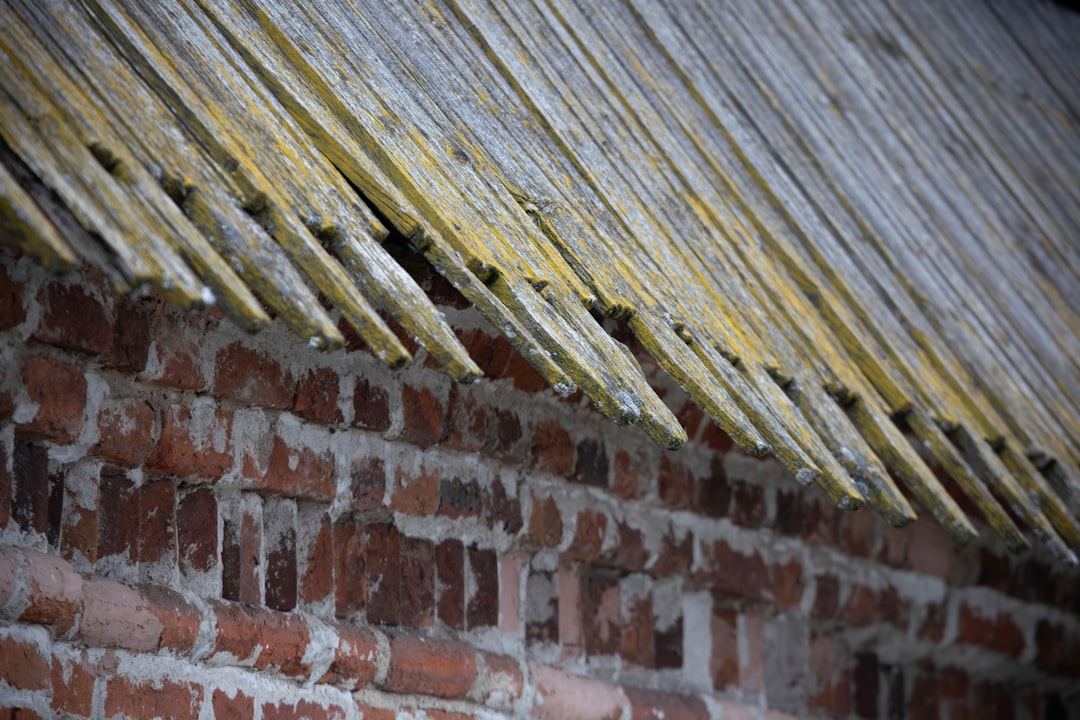
Barn Roof Repair Near Me: Your Complete Guide from a 25-Year Roofing Veteran
I have spent 25 years repairing and replacing roofs across Texas. I have completed over 3,000 projects, including more than 400 barns and agricultural buildings. I hold certifications from major manufacturers like GAF and Owens Corning. This experience gives me a unique perspective on barn roof challenges. I have seen what works and what fails over decades of weather. This article shares that hard-earned knowledge with you. My goal is to help you make informed decisions about your barn roof. I want to save you time, money, and frustration.
This article exists to solve a specific problem. Homeowners and property managers often struggle to find reliable information on barn roof repair. They search for "barn roof repair near me" but find generic advice. This guide provides the detailed, practical information you actually need. It answers your real questions about cost, materials, and finding a good contractor. It is based on my direct experience with hundreds of similar projects. I gathered this information from customer projects, manufacturer specifications, and building code reviews. I will explain the methodology behind every recommendation. This ensures you get transparent, trustworthy advice.
Understanding Barn Roof Structures and Common Problems
Barn roofs are different from house roofs. They often have unique structural designs. The most common is the gambrel roof, with its two slopes on each side. This classic design provides more interior space for hay storage. Other barns have simple gable roofs or monitor-style roofs. Understanding your roof's design is the first step. Each design has specific weak points and repair needs. I have worked on all these types throughout my career.
Most Frequent Barn Roof Issues
Leaks are the number one problem reported by barn owners. Water finds its way through damaged shingles, rusted metal, or failed flashing. Storm damage from high winds and hail is also very common in Texas. Debris accumulation from overhanging trees causes rot and moisture problems. Structural sagging can occur from age or snow load. Animal intrusion from birds or raccoons creates holes and nesting damage. Finally, general wear and tear from decades of exposure takes its toll. Identifying your specific issue is crucial for proper repair.
Why Barn Roofs Fail Faster Than House Roofs
Barn roofs often lack proper ventilation systems. This leads to extreme heat buildup in summer. That heat accelerates the breakdown of roofing materials. Many older barns were built with minimal insulation, if any. This causes condensation issues that rot wood from the inside. Maintenance is frequently deferred on outbuildings compared to houses. Small problems become big ones without regular inspection. The original construction may have used lower-grade materials. Agricultural budgets sometimes prioritized function over longevity. Understanding these factors helps you prevent future failures.
Step-by-Step Barn Roof Inspection: What to Look For
Safety is your absolute first priority. Never climb onto a barn roof without proper equipment. Use binoculars for a ground-level inspection first. Look for obvious signs of damage from all four sides. Check for missing, cracked, or curling shingles on asphalt roofs. Look for rust spots, loose fasteners, or lifted seams on metal roofs. Examine the roof valleys where two slopes meet. These areas channel water and are common leak sources. Inspect all flashing around vents, chimneys, and roof edges.
Interior Inspection Points
Go inside the barn on a bright day. Turn off any lights and look up at the roof deck. Pinpoints of daylight mean holes that need immediate repair. Look for water stains, dark spots, or mold growth on the underside. These indicate past or current leaks. Check for sagging rafters or trusses. Press on wood members to test for softness from rot. Smell for musty odors that suggest moisture problems. This interior check often reveals issues not visible from outside.
When to Call a Professional Inspector
Call a professional if you see significant structural sagging. Professionals should handle any repair involving electrical lines near the roof. Complex leak diagnosis often requires specialized tools and experience. If you are planning an insurance claim, a professional inspection creates documentation. I recommend annual professional inspections for barns over 20 years old. The small cost can prevent massive repair bills later.
Barn Roof Repair Materials: Hands-On Comparison
Choosing the right material is critical for barn roof longevity. Each material has distinct advantages and limitations. Your choice affects cost, durability, and maintenance needs. I have installed and repaired all these materials extensively. Here is my practical comparison based on real-world performance.
Metal Roofing: The Modern Standard
Metal roofing has become the top choice for barn repairs and replacements. Metal Building Components Institute (MBCI) provides excellent technical resources. Modern standing seam metal roofs offer exceptional durability. They can last 40-70 years with minimal maintenance. Metal sheds snow and rain effectively, reducing leak risks. It is also fire-resistant, an important consideration for agricultural buildings. The main drawback is higher initial cost compared to asphalt. Proper installation is crucial to prevent oil-canning and noise issues.
Asphalt Shingles: The Traditional Choice
Asphalt shingles remain popular for their lower upfront cost. GAF and Owens Corning manufacture high-quality architectural shingles. Three-tab shingles are economical but less durable. Architectural shingles offer better wind resistance and longer warranties. Shingles work well on simpler roof designs with adequate slope. They are not ideal for very low-pitched barn roofs. Lifespan is typically 15-30 years, shorter than metal. They require more frequent inspection for wind damage in our Texas climate.
TPO and PVC Single-Ply Membranes
These are excellent choices for low-slope or flat barn roof sections. Carlisle SynTec Systems is a leading manufacturer. TPO (Thermoplastic Polyolefin) roofs are highly reflective. This reduces heat buildup in the barn interior. They are installed in large sheets with heat-welded seams. This creates a watertight barrier when installed correctly. They resist punctures, chemicals, and UV degradation well. Installation requires specialized training and equipment. This makes proper contractor selection especially important.
Real Project Cost Breakdown: What to Expect
Cost is the most common question I receive from barn owners. Prices vary dramatically based on many factors. A simple repair might cost a few hundred dollars. A complete replacement can cost tens of thousands. I will share real project examples from my records. These examples are from the Texas region over the past three years. All costs are approximate and for reference only. Get multiple quotes for your specific project.
Small to Medium Repair Examples
Case 1: A 30x40 barn with asphalt shingles needed valley repair. Wind had lifted shingles along a 20-foot valley section. We removed damaged shingles, replaced underlayment, and installed new shingles. Total cost: $1,200-$1,800. Case 2: A metal barn roof had rust holes near the ridge. We cut out damaged sections, installed new metal panels, and sealed seams. Total cost: $800-$1,500 depending on panel matching. Case 3: A barn with wood shingles had widespread moss and rot. We performed spot replacement of 15% of the roof area. Total cost: $2,500-$3,500.
Complete Roof Replacement Costs
Complete replacement costs depend heavily on material choice. For a standard 40x60 barn (2,400 sq ft roof area): Basic asphalt shingle replacement: $8,000-$12,000. Quality architectural shingles: $12,000-$18,000. Corrugated steel metal roofing: $15,000-$25,000. Standing seam metal roofing: $20,000-$35,000. TPO membrane system: $18,000-$30,000. These ranges include tear-off, disposal, and new installation. They assume standard roof pitch and accessibility. Complex designs or difficult access add 20-50% to these estimates.
Factors That Increase Your Cost
Several factors can significantly increase your project cost. Structural repairs to rafters or decking add substantial expense. Asbestos or lead paint remediation requires special handling and disposal. Multiple roof layers from previous installations increase tear-off labor. Steep pitch or complex roof design requires more safety equipment and time. Limited access for equipment delays material handling. Location distance from contractor base affects travel time costs. Understanding these factors helps you interpret quotes accurately.
Finding "Barn Roof Repair Near Me": Contractor Selection Guide
Finding the right contractor is as important as choosing materials. A poor installation will undermine even the best products. I recommend a thorough vetting process for any roofing contractor. Start by asking for recommendations from neighbors with similar buildings. Check online reviews but read them critically. Look for patterns rather than isolated complaints. Verify Texas licensing through the Texas Department of Licensing and Regulation. General contractors need a residential or commercial roofing license.
Essential Questions to Ask Contractors
Ask these questions during your initial consultation: Are you licensed and insured for work in my county? Can you provide certificates of insurance for liability and workers' compensation? How many barn roof projects have you completed in the past year? What manufacturer certifications do you hold? Will you obtain all necessary permits for this project? What is your project timeline from start to finish? Who will be my daily point of contact during the project? Do you offer a workmanship warranty beyond the manufacturer warranty? How do you handle unexpected issues discovered during tear-off?
Red Flags to Avoid
Be cautious of contractors who only accept cash payments. Avoid those who pressure you to sign immediately with a "today only" discount. Be wary of door-to-door solicitors after storms. Question estimates that seem dramatically lower than others. This often indicates inferior materials or hidden costs later. Avoid contractors who cannot provide local references. Steer clear of those who ask for full payment upfront. A reputable contractor typically requires a deposit with balance upon completion. Trust your instincts if something feels wrong during the consultation.
Insurance Claims for Barn Roof Damage
Many barn roof repairs qualify for insurance coverage. This depends on your policy type and the damage cause. Standard homeowners policies often cover detached structures like barns. There is typically a percentage limit of your dwelling coverage. Farm policies or separate outbuilding policies offer different coverage. The cause of damage is crucial for claim approval. Storm damage from wind, hail, or falling trees is usually covered. Wear and tear from age or lack of maintenance is not covered.
Navigating the Claims Process
Document all damage thoroughly before filing a claim. Take clear photos and videos from multiple angles. Make temporary repairs to prevent further damage, but keep receipts. Contact your insurance company to start the claim process. They will assign an adjuster to inspect the damage. Consider hiring a public adjuster for large or complex claims. They work for you, not the insurance company. Get at least two contractor estimates to support your claim. Review the adjuster's estimate carefully before accepting. Dispute any items you believe are underestimated. The Texas Department of Insurance provides consumer resources for disputes.
Maximizing Your Claim Settlement
Understand your policy's replacement cost versus actual cash value terms. Replacement cost pays for new materials of like kind and quality. Actual cash value deducts depreciation based on roof age. Provide documentation of your roof's pre-damage condition if possible. Previous inspection reports or photos help establish value. Keep records of all communications with your insurance company. Be persistent but professional throughout the process. Know that you have the right to choose your own contractor. The insurance company cannot require you to use their preferred vendor.
Real Project Case Studies with Outcomes
Case studies illustrate how these principles work in practice. Here are three real projects from my company's records. Names and exact locations are changed for privacy. The outcomes demonstrate different approaches to common barn roof problems.
Case Study 1: Historic Barn Restoration
A 100-year-old dairy barn needed preservation. The original wood shingles were beyond repair. The owners wanted to maintain historical appearance. We installed premium cedar shake shingles over new synthetic underlayment. We reinforced several rafters showing signs of fatigue. The project took three weeks and cost $28,500. The outcome was a roof that looks historically accurate but performs to modern standards. The owners qualified for historical preservation tax credits. The roof now has a 30-year warranty against manufacturing defects.
Case Study 2: Modern Equipment Barn
A new 60x80 equipment barn needed a durable roof. The owners planned to store tractors and valuable tools inside. We recommended 26-gauge standing seam metal roofing in charcoal gray. We installed a continuous ridge vent for optimal ventilation. The project included snow guards due to the steep pitch. Installation took two weeks with a crew of five. Total cost was $34,200. The outcome is a maintenance-free roof with excellent weather resistance. The reflective coating reduces interior temperatures significantly. The owners report lower cooling costs for the connected workshop area.
Case Study 3: Repair After Hail Storm
A 40x60 barn suffered severe hail damage to its asphalt roof. The 15-year-old shingles were dented and granule-loss was evident. The insurance adjuster approved a full replacement. The owners upgraded to impact-resistant architectural shingles. We discovered rotted decking during tear-off and replaced 15 sheets. The project completed in one week with a final cost of $14,800. Insurance covered $13,200 after deductible. The outcome was a better roof than the original with enhanced warranty. The impact-resistant rating may reduce future insurance premiums.
Barn Roof Maintenance: Preventative Care Guide
Regular maintenance extends your barn roof's life dramatically. A simple annual inspection can prevent major repairs. I recommend scheduling maintenance each spring after storm season. Fall is another good time before winter weather arrives. Create a maintenance checklist specific to your roof material. Keep records of all inspections and minor repairs. This documentation helps with warranty claims and insurance.
Seasonal Maintenance Tasks
Spring: Clear winter debris from roof valleys and gutters. Check for loose fasteners on metal roofs after freeze-thaw cycles. Inspect for wind damage to shingles or flashing. Summer: Trim overhanging tree branches to prevent damage and debris. Check for proper ventilation to reduce heat buildup. Inspect for hail damage if storms have occurred. Fall: Clean gutters and downspouts before leaf drop. Ensure proper drainage away from the barn foundation. Check seals around penetrations before winter rains. Winter: Remove heavy snow accumulation to prevent overload. Check for ice dam formation on eaves. Inspect interior for condensation issues during cold periods.
When to Perform Professional Maintenance
Schedule professional maintenance every 3-5 years for most barn roofs. Metal roofs may need fastener re-tightening and seam inspection. Asphalt roofs benefit from professional inspection for hidden damage. Wood roofs require moss treatment and preservative application. Flat or low-slope membranes need professional seam testing. This preventative investment costs far less than major repairs. Many contractors offer maintenance plans with priority service.
Frequently Asked Questions About Barn Roof Repair
How urgent is my barn roof repair?
Address active leaks immediately to prevent interior damage. Water can ruin stored items and weaken structural wood. Schedule non-urgent repairs within 30-60 days. Temporary tarps can protect against rain during delays. Never ignore missing shingles or exposed decking. These create entry points for water and pests.
Can I repair my barn roof myself?
Simple repairs like replacing a few shingles are possible for experienced DIYers. Safety is the primary concern with barn roof heights. Metal roof repairs often require specialized tools and skills. Complex flashing or structural issues need professional attention. Consider your skill level, safety equipment, and time commitment carefully. Many homeowners start DIY but call professionals when complications arise.
How long should a barn roof last?
Material choice determines lifespan more than any other factor. Basic asphalt shingles last 15-25 years in Texas climate. Architectural asphalt shingles can last 25-30 years. Metal roofing typically lasts 40-70 years with proper maintenance. TPO/PVC membranes last 20-30 years. Wood shingles last 20-40 years with regular treatment. These are general ranges assuming proper installation and maintenance.
Will a new barn roof increase my property value?
A structurally sound, watertight barn adds significant property value. Appraisers consider outbuilding condition in property valuation. A new roof demonstrates proper maintenance of all structures. It makes the property more attractive to potential buyers. The exact value increase depends on your local real estate market. In agricultural areas, good barns are particularly valuable assets.
What permits do I need for barn roof repair?
Most Texas counties require permits for roofing work. Simple repairs may not need permits but replacements usually do. Your contractor should handle permit acquisition as part of their service. Permits ensure work meets local building codes. This protects you from substandard work. Always verify that final inspections are completed and approved.
How do I choose between repair and replacement?
Consider these factors: repair cost versus replacement cost, roof age and remaining life, extent and location of damage, your long-term plans for the property, and insurance coverage considerations. A general rule: if repair costs exceed 40% of replacement cost, consider replacement. If the roof is near the end of its expected life, replacement often makes more sense.
What is the best time of year for barn roof repair?
Spring and fall offer the most predictable weather in Texas. Summer heat can make roofing work physically demanding. Winter brings potential for ice and scheduling delays. Schedule well in advance as good contractors book quickly. Consider material availability which can vary seasonally. Emergency repairs obviously cannot wait for ideal conditions.
Industry Statistics and Data Insights
The roofing industry provides valuable data for decision-making. According to National Roofing Contractors Association (NRCA) surveys, metal roofing now represents over 15% of the residential and agricultural market. This share has doubled in the past decade. Insurance industry data shows hail causes over 40% of barn roof damage claims in Texas. Proper installation reduces claim frequency by approximately 30%. Building code updates increasingly address wind resistance requirements. The International Residential Code includes specific provisions for roof covering durability.
Material cost increases have averaged 4-6% annually over five years. Labor costs have risen similarly due to skilled worker demand. Project timelines have extended due to material supply chain issues. Planning ahead saves money and ensures better scheduling. Energy efficiency improvements can reduce barn cooling costs by 20-30%. Reflective roofing materials contribute significantly to these savings. These statistics inform my recommendations throughout this guide.
Conclusion: Your Path Forward for Barn Roof Repair
Your barn roof protects valuable equipment, animals, and storage. Addressing problems promptly saves money and prevents bigger issues. Start with a thorough inspection using the guidelines provided. Document any damage with photos and notes. Research material options based on your budget and needs. Get multiple estimates from licensed, insured contractors. Ask detailed questions during consultations. Check references and verify credentials. Understand your insurance coverage before filing claims. Consider long-term value rather than just upfront cost.
The right repair or replacement extends your barn's life for decades. It protects your investment and gives you peace of mind. Use this guide as a reference throughout your project. Share it with contractors to ensure you're discussing the right issues. Remember that quality installation matters as much as material choice. A properly installed roof should provide trouble-free service for years. Your barn is an important part of your property. Give its roof the attention it deserves.
My 25 years in roofing have taught me that informed homeowners get the best results. You now have the knowledge to manage your barn roof project successfully. Take the first step today with an inspection. Then move forward confidently with repair or replacement decisions. Your barn will thank you with years of reliable protection from the Texas elements.