
Barn Roof Repair: A 25-Year Contractor's Guide to Protecting Your Investment
I have spent over twenty-five years repairing and replacing roofs across Texas. My team has completed more than four thousand roofing projects. We hold certifications from major manufacturers like GAF and Owens Corning. This experience gives me unique insight into barn roof challenges. I want to share that knowledge with you today. This article exists because barn owners face confusing repair decisions. You might wonder if you need a full replacement or just a patch. You might worry about costs and structural safety. This guide answers those exact questions. It provides clear, actionable information based on real projects. I gathered this knowledge from hundreds of barn inspections. I studied manufacturer specifications and local building codes. My recommendations come from seeing what works in the field. This is not theoretical advice. This is practical wisdom from fixing barns through Texas storms.
Barn roofs protect valuable equipment, animals, and hay. A failing roof can lead to massive financial loss. Water damage ruins stored goods and weakens wooden beams. This guide will help you make informed decisions. You will learn to identify common problems. You will understand repair options and their costs. You will gain confidence when talking to contractors. My goal is to save you time, money, and stress. Let's begin with understanding why barn roofs fail.
Understanding Barn Roof Construction and Common Failures
Barn roofs differ from house roofs. They often have steeper pitches and wider spans. They use different materials and construction methods. Knowing these differences is key to proper repair.
Traditional Barn Roof Framing: Rafters vs. Trusses
Older barns typically use rafter and purlin systems. Large wooden beams support the roof's weight. Newer barns often use prefabricated roof trusses. These are engineered for specific load capacities. Identifying your framing type is the first repair step. Rafter systems allow for more attic space. They are also easier to modify during repairs. Truss systems are very strong but have strict engineering. You cannot cut or alter truss members. Doing so compromises the entire roof structure. Always consult an engineer before modifying trusses. The American Wood Council provides excellent design guides.
Primary Roofing Materials for Agricultural Buildings
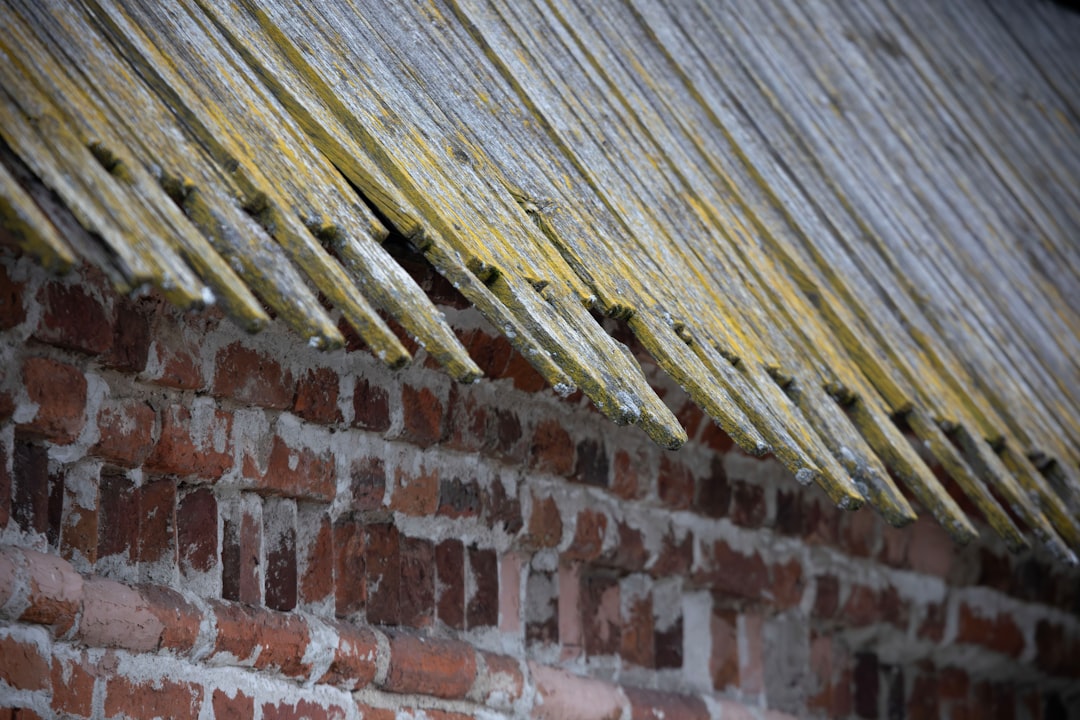
Metal roofing is the most common choice for modern barns. It is durable, fire-resistant, and sheds snow well. Corrugated galvanized steel is a classic option. Standing seam metal roofs offer superior weathertightness. Asphalt shingles sometimes appear on smaller barns. They are less expensive initially but wear faster. Wood shakes or shingles were used on historic barns. They require significant maintenance. Each material has unique failure points. Metal roofs can corrode at fastener holes. Shingles lose granules and crack in UV light. Wood rots when moisture persists.
Step-by-Step Barn Roof Inspection: A Contractor's Checklist
Safety is your absolute priority during inspection. Never walk on a roof you suspect is weak. Use binoculars from the ground first. Look for these clear warning signs from a safe distance.
Exterior Warning Signs You Can See From the Ground
Sagging roof lines indicate structural problems. Look for dips or waves along the ridge or eaves. Missing, cracked, or curling shingles are obvious. For metal roofs, look for rust streaks. Check for loose or missing fasteners on metal panels. Inspect flashings around vents, chimneys, and valleys. Damaged flashing is a major leak source. Look for moss or algae growth. This shows trapped moisture. Check gutters and downspouts for proper function. Clogged gutters cause water backup under roofing.
Interior Inspection in the Loft or Storage Area
Go inside the barn on a bright day. Turn off any lights. Look for pinpoints of daylight coming through the roof. These are direct leak paths. Check all wooden rafters, purlins, and decking. Probe with a screwdriver for soft, rotten wood. Look for dark stains or water marks on wood. These indicate past or current leaks. Check for mold or mildew growth. Smell for musty, damp odors. Inspect insulation if present. Wet insulation loses its R-value and holds moisture. Look for rust on nail points coming through decking. This shows condensation problems.
Common Barn Roof Problems and Professional Repair Solutions
Here are the issues we see most often. I will explain their causes and the best repair methods.
Leaks at Fasteners and Panel Seams (Metal Roofs)
This is the number one issue with older metal roofs. Screws loosen over time due to thermal expansion. The rubber washers under screw heads dry out and crack. Water then seeps through the fastener hole. The repair is straightforward but meticulous. You must replace the faulty fasteners. Use new screws with EPDM rubber washers. Apply a high-quality sealant like Geocel 4500 over the new fastener head. For leaking seams, clean the area thoroughly. Apply a seam tape or compatible lap sealant. Never use cheap caulk. It will fail within a year.
Rotted Wood Decking and Structural Members
Wood rot happens when water sits on wood for weeks. The repair scope depends on the damage extent. For small areas of decking, you can sister new plywood alongside rafters. Cut out the rotten section. Install a new piece of exterior-grade plywood. Secure it to the existing rafters with galvanized nails. For rotten rafters or purlins, structural repair is needed. You must install a sister rafter next to the damaged one. The new rafter must be the same size lumber. Bolt the two members together with carriage bolts. In severe cases, you may need a temporary support wall inside. Always follow local International Residential Code (IRC) guidelines for structural repairs.
Damaged or Inadequate Roof Ventilation
Barns need good airflow to prevent condensation. Moisture from animals and stored hay rises. Without ventilation, it condenses on cold roof sheathing. This causes wood rot and metal corrosion. The solution is to install proper intake and exhaust vents. Ridge vents combined with soffit vents work well. For metal roofs, continuous ridge vents are ideal. Calculate ventilation area based on your barn's square footage. A common rule is 1 square foot of net free vent area per 150 square feet of attic space. Ensure intake vents are not blocked by insulation.
Material Selection: Choosing the Right Roof for Your Barn
If repair is not enough, you face a re-roofing decision. Your material choice affects cost, longevity, and performance.
Metal Roofing Panels: A Detailed Comparison
Corrugated Galvanized Steel is the economical choice. It has a classic wavy pattern. It is strong and readily available. The galvanized coating fights rust. Paint can be applied over it. Its main weakness is the exposed fasteners. Standing Seam Metal Roof is the premium option. The panels connect with raised seams. Fasteners are hidden under the seams. This eliminates the most common leak point. It is more expensive but lasts decades longer. Companies like MBCI offer excellent standing seam systems. Consider a painted finish with a Kynar coating. This resists fading and chalkiness for years.
When Asphalt Shingles Make Sense for a Barn
Asphalt shingles are suitable for barns with lower slopes. They are not ideal for very steep roofs. Use architectural shingles, not 3-tab. Architectural shingles are thicker and more durable. They have a longer warranty, often 30 years. They withstand wind better. Shingles require solid wood decking. You cannot install them over open purlins. They are also heavier than metal. Ensure your barn structure can support the weight. Brands like GAF Timberline offer quality shingles.
The Real Cost of Barn Roof Repair: Budgeting and Financing
Costs vary wildly based on damage, materials, and barn size. I will share real project examples from our books.
Repair-Only Project Example (40x60 Barn)
A client had a metal roof with about fifty leaking fasteners. Some ridge cap was loose. The wood decking had two small rotten spots. We replaced all fasteners on the windward side. We sealed the ridge cap with new screws and sealant. We sistered new plywood over the rotten decking. The total cost was $2,800. This included materials, labor, and cleanup. The repair extended the roof's life by eight to ten years.
Full Metal Roof Replacement Example (50x80 Barn)
Another barn had severe corrosion on its old corrugated roof. The decking was mostly sound. We installed a new 26-gauge standing seam metal roof. We added a continuous ridge vent for ventilation. The project included new drip edge and closure strips. The total cost was $28,500. This was a complete turn-key installation. The new roof has a 40-year manufacturer warranty.
Financing and Insurance Considerations
Most barn roof repairs are not covered by homeowners insurance. Insurance typically covers sudden, accidental damage. This includes damage from a fallen tree or major hail storm. Gradual wear and tear or lack of maintenance is not covered. Always document damage with photos after a storm. File a claim promptly if you believe it's covered. For financing, some equipment lenders offer barn improvement loans. The USDA Farm Service Agency (FSA) also has loan programs for farm structures. Check with your local agricultural extension office.
DIY vs. Professional Repair: Making the Smart Choice
Some repairs are suitable for a skilled DIYer. Others absolutely require a professional.
Tasks a Homeowner Can Safely Handle
Cleaning gutters and downspouts is safe and helpful. Applying sealant to a small number of leaking fasteners is possible. You must use the correct sealant and follow safety protocols. Replacing a few damaged asphalt shingles is manageable. You must match the existing shingle type and color. Always work on a dry, calm day. Never work on a roof alone.
Repairs That Require a Licensed Contractor
Any repair involving structural wood members needs a pro. Replacing large sections of decking requires skill. Installing new roofing materials on a steep pitch is dangerous. Working with long metal panels is a two-person job at minimum. Flashing repairs around complex intersections are tricky. A professional ensures the repair is watertight and code-compliant. They also carry liability and workers' compensation insurance. This protects you if an accident occurs on your property.
Preventive Maintenance: A Yearly Schedule to Avoid Major Repairs
Spending a little time each year saves thousands in repairs. Follow this simple maintenance calendar.
- Spring: Inspect the roof after winter storms. Clear any debris from the roof surface and valleys. Check and clean all gutters and downspouts. Look for loose fasteners on metal roofs.
- Summer: Check for vegetation growth like moss. Trim any overhanging tree branches. Inspect flashings for signs of separation or corrosion. Ensure attic ventilation is not blocked.
- Fall: Give the roof a thorough pre-winter inspection. Secure any loose panels or shingles. Clear gutters of fallen leaves. Ensure downspouts direct water away from the barn's foundation.
- Winter: Monitor for ice dam formation if you are in a cold climate. Safely remove excess snow buildup if necessary. Never use a metal shovel on a metal roof.
Frequently Asked Questions About Barn Roof Repair
How long should a barn metal roof last?
A quality galvanized metal roof lasts 30 to 50 years. A painted standing seam roof can last 40 to 60 years. Lifespan depends on coating quality, installation, and maintenance. Proper ventilation greatly extends metal roof life by reducing condensation.
Can I put a new metal roof over my old shingles?
Yes, this is often possible. It is called a re-roof or overlay. The existing shingles must be securely attached. The roof deck must be structurally sound to hold the extra weight. You must install furring strips over the old shingles first. This creates a flat, vented surface for the new metal panels. Always check local building codes first.
What is the best way to stop a leak temporarily?
For a small leak in a metal roof, use emergency roofing tape. Clean and dry the area around the leak. Apply a generous piece of tape, pressing firmly. For shingles, you can use roofing cement and a piece of flashing. These are short-term fixes. Schedule a permanent repair as soon as possible.
How much does it cost to replace a barn roof?
Costs range from $8,000 to $40,000 or more. The price depends on barn size, material choice, and labor costs in your area. A basic corrugated metal roof costs less. A standing seam roof with premium coatings costs more. Always get at least three detailed written estimates.
Do I need a permit to repair my barn roof?
Most localities require a permit for structural repairs or full re-roofing. Simple repairs like replacing shingles may not need one. Always contact your local building department. They will tell you the specific rules for agricultural buildings. Permits ensure work meets safety codes.
How can I tell if my roof trusses are damaged?
Look for these signs inside the barn. Cracks or splits in the wooden truss members. Truss plates that are pulling away from the wood. A noticeable sag or bow in the bottom chord. Any cutting or drilling into truss members. If you see any of these, contact a structural engineer immediately.
What color metal roof is best for a barn?
Lighter colors like white, tan, or light gray reflect solar heat. This keeps the barn cooler in summer. Darker colors absorb more heat. In snowy regions, a darker roof helps melt snow. Consider your primary goal: energy efficiency or snow shedding.
Real Project Case Study: Saving a Historic 100-Year-Old Barn
We were called to inspect a century-old bank barn in Washington County. The owners used it for equipment storage. The original wood shake roof was failing badly. Several rafters had significant rot. The goal was to preserve the barn's historic character while making it watertight. A full tear-off was necessary. We carefully removed the old wood shakes. We sistered new pressure-treated lumber to the damaged rafters. We installed a synthetic underlayment for superior protection. Then, we installed a new metal roof designed to look like standing seam. We used a dark bronze color. The key was preserving the original roofline and detailing. The project took three weeks and cost $34,000. The owners were thrilled. The barn is now secure for another fifty years. The project won a local preservation award.
Industry Statistics and Data on Agricultural Roofing
Data helps understand trends and make good decisions. According to the Metal Construction Association, metal roofing accounts for over 75% of the low-slope commercial roofing market, which includes agricultural buildings. A study by the American Farm Bureau Federation notes that properly maintained farm buildings can increase property value by 15-20%. The National Roofing Contractors Association (NRCA) reports that preventive maintenance can reduce lifetime roofing costs by up to 40%. These numbers show the value of investing in quality materials and regular care.
Conclusion: Your Action Plan for a Sound Barn Roof
Your barn roof is a critical shield for your property. Ignoring small problems leads to expensive, big ones. Start with a thorough safety-first inspection. Document what you find with photos. Decide if the repair is within your skill level. For anything structural or large, call a professional. Get multiple estimates and check references. Choose materials that balance longevity with your budget. Commit to a simple yearly maintenance routine. This protects your investment and gives you peace of mind. A well-maintained barn roof provides shelter and security for years to come. If you have specific questions about your barn, consult a local, licensed roofing contractor with agricultural experience. They can provide the best guidance for your unique situation.