
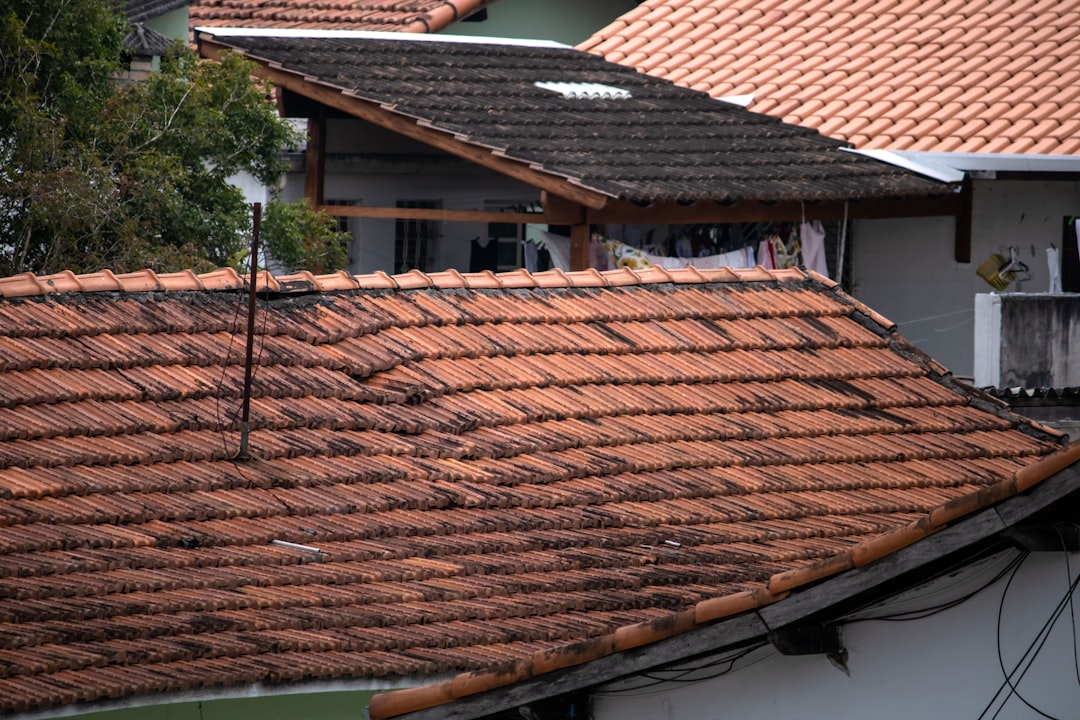
Wind Damage on Roof to Claim Insurance: A 25-Year Roofer's Complete Guide
I have been installing and repairing roofs across Texas for over twenty-five years. My team at Kingwood Roofing has completed more than 3,500 projects. We hold certifications from major manufacturers like GAF and Owens Corning. This experience has shown me one thing clearly. Homeowners are often unprepared when wind damages their roof. They face a confusing insurance process. This article exists to solve that exact problem. It will answer your urgent question: "How do I properly handle wind damage and file a successful insurance claim?" My goal is to give you the knowledge I share with my own customers. This information comes from real project files, manufacturer specifications, and building code reviews. I will explain the methodology behind every recommendation. Let's get started.
Understanding Wind Damage: What Insurance Companies Look For
Wind damage is not always obvious. Insurance adjusters look for specific, verifiable damage. They need proof that wind caused the problem. Not general wear and tear. High winds create two main types of damage. First, they can lift and tear shingles completely off the roof. This is called wind uplift. Second, they can break the sealant strips under shingles. This makes shingles loose and vulnerable. Even if shingles are still attached, they may be compromised. The Federal Emergency Management Agency (FEMA) provides guidelines on wind-resistant construction. Local building codes, like those in Texas, reference these standards. Understanding this helps you identify real damage.
Common Signs of Wind Damage You Can Spot
You can do a safe ground-level inspection after a storm. Look for missing shingles. Check your gutters for granules. These are the small, sand-like particles on asphalt shingles. A large amount in your gutters signals wear. Look for creased or curled shingles. Wind can bend them back and forth, breaking the mat inside. Check for exposed nail heads. Wind can pull shingles up, revealing the fasteners underneath. These nails will eventually rust and cause leaks. Also, inspect your roof's flashing. This is the metal around chimneys, vents, and valleys. Wind can bend or tear flashing away from the roof.
What Does NOT Qualify as Wind Damage
Insurance claims get denied for a key reason. The damage is attributed to lack of maintenance, not a storm. Algae stains or moss growth are maintenance issues. Shingle curling from old age is not storm damage. Cracks from thermal expansion over years do not qualify. Granule loss from normal weathering is excluded. An adjuster will note the condition of undamaged shingles. If they are old and brittle, your claim may be limited. This is why regular maintenance is critical. It proves you cared for your roof before the storm hit.
The Step-by-Step Insurance Claim Process for Wind Damage
Follow these steps in order. Do not skip any. This process is based on hundreds of successful claims we have assisted with.
- Document Safety First: Do not climb on a damaged roof. It is dangerous. Take photos and videos from the ground. Use a ladder to safely reach the gutter level if needed. Capture wide shots of the entire roof. Take close-ups of any visible damage.
- Make Temporary Repairs: If water is actively leaking, make temporary fixes. Cover holes with a tarp. You can nail tarps to undamaged sheathing. Keep all receipts for materials. Your policy may reimburse these "mitigation" costs. This prevents further damage.
- Contact Your Insurance Company: Call your agent or the claims number. Report the damage promptly. Provide your policy number. Give the date of the storm. Be factual, not emotional. Say, "High winds on [date] caused missing shingles on my roof."
- Schedule the Adjuster Inspection: Your insurer will send a claims adjuster. You have the right to have your contractor present. This is crucial. A roofer can point out damage the adjuster might miss.
- Review the Adjuster's Scope and Estimate: The adjuster will write a "scope of loss." This lists the damaged items and a repair cost. Review it carefully with your contractor. Ensure it includes all necessary materials and labor to current standards.
- Negotiate if Necessary: If the estimate is too low, you can negotiate. Your contractor can provide a detailed estimate with line items. Use manufacturer data sheets for material costs. Reference local labor rates.
- Receive Your Claim Payment: Most companies issue two checks. The first is for the Actual Cash Value (ACV). This is the depreciated value. The second check is for the Recoverable Depreciation. You get this after repairs are complete and receipts are submitted.
- Complete the Repairs: Hire a licensed, insured roofing contractor. Ensure they follow the scope exactly. Get all necessary permits. Have the contractor provide final invoices and photos for the insurance company.
Real Contractor Insights: The Adjuster Meeting
This meeting can make or break your claim. I attend dozens each year. Here is my real-world advice. Be present and polite. Have your documentation ready. Walk with the adjuster and your contractor. Let your roofer do most of the technical talking. They speak the language. A good contractor will show subtle damage. They might lift a shingle to show a broken seal. They may point to stress wrinkles not visible from the ground. They will check the attic for water stains on the decking. This proves leaks happened. The goal is to establish a clear link between the storm and the damage. Provide any weather reports from that date. Services like the National Weather Service can verify high wind events.
Costs and Materials: What Your Claim Should Cover
Insurance should restore your roof to its pre-storm condition. This often means a full replacement if damage is over a certain percentage. Most policies follow the "25% rule" from the International Code Council (ICC). If over 25% of the roof is damaged in one plane, the entire section must be replaced to meet current codes. Your claim should cover:
- Full Material Replacement: All shingles, underlayment, flashing, vents, and drip edge.
- Labor: Professional removal and installation costs.
- Disposal: Dump fees for the old roofing materials.
- Incidentals: Plywood decking repair if rotten wood is found.
- Code Upgrades: If local codes changed since your roof was built, the policy may cover upgrades like additional fasteners or ice and water shield.
Material Comparisons from the Field
You may have an option to upgrade materials. Here is a hands-on comparison. Standard 3-tab asphalt shingles are the most basic. They are less wind-resistant. Architectural or dimensional shingles are thicker. They have a higher wind rating, often 130 mph. They look better and last longer. Consider GAF Timberline HDZ or Owens Corning Duration shingles. Both offer strong wind warranties. Synthetic underlayment is superior to felt paper. It is more tear-resistant during installation. Using these better materials may cost a little more out-of-pocket. But they provide better protection for the next storm.
Practical Homeowner Tips from Real Projects
These tips come from helping hundreds of homeowners like you.
- Know Your Policy Before a Storm: Read your Declarations page. Understand your deductible. Know if it's a percentage or flat fee. Know your coverage limits.
- Create a Home Inventory: Have photos and videos of your home's exterior and interior before any damage occurs. This proves the prior condition.
- Build a Relationship with a Roofer Now: Do not wait for an emergency. Have a trusted contractor inspect your roof annually. This creates a record of maintenance.
- Keep All Communication in Writing: Follow up phone calls with an email summarizing the conversation. This creates a paper trail.
- Do Not Cash the ACV Check Until You're Ready: Cashing the first check can sometimes be seen as accepting the full settlement. Talk to your adjuster.
- Beware of Storm Chasers: After major storms, out-of-town contractors swarm neighborhoods. They often offer to pay your deductible, which is insurance fraud. They use low-quality materials and leave town before warranties matter.
Frequently Asked Questions (FAQ)
How long do I have to file a wind damage claim?
Most policies require you to file "promptly" or within one year of the loss. However, do not wait. File as soon as you discover the damage. Delays can lead to denial because of "failure to mitigate" further damage.
Will filing a claim raise my insurance rates?
It might, but not always. A single wind claim in an area prone to storms may not affect your rate. Multiple claims can. It is a business decision. The cost of repair often outweighs a potential rate increase.
What if my claim is denied?
You have the right to appeal. Request a re-inspection with your contractor. Ask for the denial in writing with specific reasons. You can also hire a public adjuster. They work for you, not the insurance company, for a percentage of the settlement.
Can I repair only the damaged section?
Sometimes, but it is often not advisable. A patch will not match the color of sun-faded shingles. It can create weak points. Most reputable contractors will recommend a full replacement if damage is significant.
Who chooses the contractor, me or the insurance company?
You have the right to choose your own contractor. The insurance company may provide a list, but you are not obligated to use them. Always vet your own roofer.
What is "recoverable depreciation"?
It is the difference between the Actual Cash Value (depreciated value) and the Replacement Cost Value. You receive this money after repairs are complete and you submit the final invoice to prove the work was done.
Does insurance cover tree removal if a branch hit my roof?
Usually, yes. If the tree was healthy and fell due to wind, removal is typically covered. If the tree was dead and you neglected it, removal may not be covered. The damage to the roof from the impact is covered either way.
Real Project Case Studies with Outcomes
Case Study 1: The Subtle Seal Break
A homeowner in Kingwood reported no visible damage after a storm. Their neighbor got a full replacement. We did an inspection and found no missing shingles. However, we lifted shingles along the roof edges and ridges. Over 40% had broken sealant strips. The adjuster initially said no. We provided photos and a demonstration. We showed how the shingles lifted easily. The adjuster approved a full replacement. The key was expert identification of non-obvious damage.
Case Study 2: The Code Upgrade Win
A home had a roof from 2005. Wind damaged about 30% of it. The local building code now required stronger roof deck attachment. The insurance estimate only included standard nail replacement. We provided the current code section to the adjuster. We argued that a repair must meet code. The insurer agreed to pay for additional hurricane clips and decking screws. This made the new roof much stronger.
Industry Statistics and Data
Understanding the scale helps. According to the Insurance Information Institute, wind and hail account for the largest share of homeowners insurance claims. In 2022, they represented over 33% of all claims. The average wind/hail claim payment was over $11,000. The National Fire Protection Association (NFPA) notes that proper roof covering is critical for home integrity. Data from our own projects shows that 7 out of 10 wind damage claims require a full roof replacement, not just a repair.
Conclusion: Your Path Forward
Wind damage is stressful. The insurance process is complex. But you are now equipped with expert knowledge. Remember the core steps: document safely, file promptly, involve a trusted contractor, and understand your policy's details. Your roof is your home's first line of defense. A proper repair or replacement restores that protection. Use this guide as your reference. Take action by scheduling a professional inspection if you suspect damage. Do not let small problems become major leaks. Your home is your biggest investment. Protect it with confidence.