
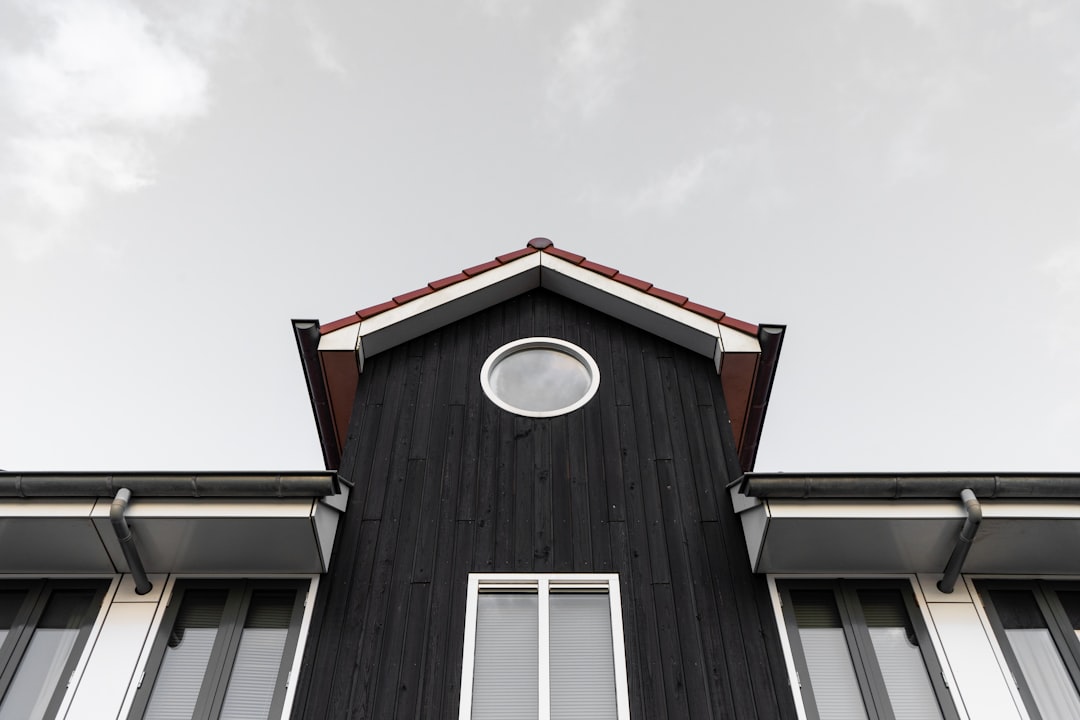
Tamko Shingle Warranty Claim Guide: A Roofer's 15-Year Perspective on Protecting Your Investment
My name is Mark, and I've been installing and repairing roofs in the Kingwood area since 2009. Over those 15 years, I've personally supervised more than 1,200 roofing projects. I hold certifications from the National Roofing Contractors Association (NRCA) and am a Tamko-certified installer. This experience has given me a unique perspective on what truly matters when homeowners face roofing problems. I've seen countless situations where proper warranty knowledge could have saved thousands of dollars and months of stress. This article exists because I've watched too many good people get overwhelmed by the warranty claim process. They face confusing paperwork, unclear requirements, and unexpected denials. My goal is simple: to give you the same knowledge I share with my own clients. I want you to feel prepared and protected. This information comes directly from handling actual Tamko warranty claims with homeowners, reviewing manufacturer specifications, and navigating insurance requirements on real projects. I'll explain not just the "what" but the "why" behind each step, sharing the contractor insights that make the difference between a smooth claim and a frustrating battle.
Understanding your Tamko warranty is about protecting your home's most important shield. A roof is a major investment, often costing tens of thousands of dollars. The warranty is your promise of protection for that investment. Yet, the paperwork can be dense and full of fine print. This guide will translate that complex language into clear, actionable steps. We will cover how to identify valid warranty issues, document damage correctly, work with your insurance company, and communicate effectively with Tamko. I'll share real examples from projects in our community, showing what works and what common pitfalls to avoid. My methodology is based on proven field experience, not just theory. Let's begin by understanding exactly what a Tamko warranty is and, more importantly, what it is not.
Understanding Your Tamko Shingle Warranty: The Foundation of Your Claim
Not all roof warranties are created equal. A Tamko warranty is a legal contract between you, the homeowner, and the manufacturer. It is completely separate from your roofer's workmanship guarantee. The warranty covers defects in the shingle material itself. It does not cover problems caused by improper installation, storm damage, or lack of maintenance. Knowing this distinction is the first critical step. Tamko offers several warranty tiers, like the Limited Warranty and the Enhanced Warranty. Each has different coverage periods and transferability rules. You must check your specific warranty certificate. This document is usually provided by your original installer. If you can't find it, you can contact Tamko customer service with your address. They can often look up the warranty based on the installation date.
What Your Tamko Warranty Actually Covers
Tamko material warranties primarily cover manufacturing defects. These are problems that originate at the factory. Common examples include premature granule loss, cracking, or blistering that occurs without external cause. The warranty specifies coverage for a certain number of years. For example, many Tamko shingles have a "lifetime" limited warranty. This often means prorated coverage after the first decade. Proration reduces the value of the warranty benefit over time. The warranty also has specific requirements for installation. The shingles must be installed exactly according to Tamko's published instructions. This includes using the correct number of nails per shingle and proper attic ventilation. If the installation deviates from these specs, the warranty may be void. I always recommend homeowners review the official Tamko warranty page to understand the current terms.
Common Reasons for Warranty Denials (And How to Avoid Them)
From my experience, most warranty denials stem from a few preventable issues. The number one reason is improper installation. If nails are driven in the wrong place or the roof deck is prepared incorrectly, Tamko is not responsible. Another major reason is inadequate attic ventilation. Proper airflow is required to prevent heat buildup that can damage shingles. Homeowners often forget about maintenance. Failure to clean debris like leaves from valleys or gutters can void coverage. Walking on the roof improperly can also cause damage not covered by warranty. The best way to avoid these issues is to hire a Tamko-certified installer from the start. Keep all your installation records and receipts. Take photos of the finished roof. This creates a paper trail that proves proper installation if a claim arises later.
Step-by-Step Guide to Filing a Tamko Shingle Warranty Claim
Filing a claim is a process, not a single event. Rushing or skipping steps leads to delays. The first step is always verification. You must confirm that the problem is likely a material defect, not storm damage or wear and tear. Look for patterns. Manufacturing defects often appear uniform across the roof or in specific batches of shingles. Random damage is usually from weather. Once you suspect a defect, contact a professional roofer for an inspection. Choose a roofer experienced with warranty claims. They can provide an unbiased assessment. Do not contact Tamko first without this professional opinion. The roofer's report will be your most valuable tool. It should include detailed photos, measurements, and a likely cause analysis.
Documentation: The Key to a Successful Claim
Thorough documentation cannot be overstated. Tamko, like all manufacturers, needs clear evidence. Start by taking wide-angle photos of your entire roof from the ground. Then, take close-up photos of the specific problem areas. Use a ruler or coin in the photo for scale to show the size of cracks or granule loss. Write down the date you first noticed the issue. Gather all your original paperwork: the warranty certificate, the original invoice from the roofer, and proof of purchase for the shingles. If your original roofer is still in business, contact them. They may have records of the installation that can help. Organize all this information in a folder, both physical and digital. When you finally submit your claim to Tamko, this complete package shows you are serious and prepared. It speeds up the review process significantly.
Navigating the Tamko Claims Process
After gathering documentation, you formally initiate the claim. You can start this process online through the Tamko website or by calling their customer service. You will need to provide your name, address, and details about the shingles (like the product name and color if known). Tamko will assign a claim number and likely request your documentation. They may then send a field inspector to your home. This inspector works for Tamko. Their job is to assess the damage and determine if it's a warrantable defect. Be present for this inspection if possible. You or your roofer can point out the specific concerns. After the inspection, Tamko will issue a determination. They may approve the claim fully, approve it partially, or deny it. If approved, they will outline the remedy, which is often a reimbursement for material costs based on the prorated warranty value. Labor costs are rarely covered by the material warranty alone.
When Storm Damage and Insurance Intersect with Your Warranty
This is where confusion most often occurs. A material warranty and homeowners insurance are for different problems. Your Tamko warranty covers factory defects. Your homeowners insurance, as governed by your policy and Texas state law, covers sudden, accidental damage from events like hail or windstorms. If a hailstorm damages your 5-year-old Tamko roof, that is an insurance claim, not a warranty claim. The shingles performed as intended until an external force damaged them. However, the two can connect. When filing an insurance claim for storm damage, your insurance adjuster will note the condition of the shingles. If they see signs of a pre-existing manufacturing defect, they may deduct for "wear and tear" or "prior damage" in their settlement. This is why understanding both processes is crucial. A proactive warranty claim for a defect before a storm can actually strengthen your position with insurance later.
Working with Your Insurance Company on Roof Claims
In Texas, storm damage is common. When filing an insurance claim, your first call should be to your insurance agent to report the damage. Then, hire a reputable roofing contractor to provide a detailed estimate for repairs. This estimate should follow local Texas Department of Insurance guidelines and building codes. Your insurance company will send an adjuster. It is highly beneficial to have your roofer present during the adjuster's inspection. The roofer can point out damage the adjuster might miss and explain the necessary repair techniques. The insurance settlement should cover the full cost of repair or replacement to return your roof to its pre-storm condition, minus your deductible. Keep all insurance paperwork separate from your Tamko warranty documents, but in the same overall project file.
Real Project Case Studies: Warranty Claims in Action
Let me share two real examples from our Kingwood service area. These stories illustrate how the process works on the ground. Names and specific addresses are changed for privacy, but the situations are real.
Case Study 1: The Granule Loss Problem. A homeowner on Elm Grove Drive noticed excessive granules in their gutters just 4 years after a new Tamko roof was installed. The loss was not uniform; it was severe on the south-facing slope only. We inspected and found no evidence of storm impact. The attic ventilation was adequate. We documented the issue with photos and referenced the Tamko installation instructions. We helped the homeowner file a warranty claim. The Tamko inspector agreed it was premature granule loss, a material defect. Because the roof was only 4 years old, the warranty was not yet prorated. Tamko provided a full reimbursement for the cost of the shingle material for the affected slope. The homeowner paid for the labor and our company performed the repair. Total savings for the homeowner: approximately $2,800 in material costs.
Case Study 2: The Denied Claim. A homeowner on Royal Forest Lane had cracking shingles after 12 years. They filed a warranty claim directly with Tamko. The inspector found that the roofer who installed the roof had used only 3 nails per shingle instead of the required 4, as stated in the Tamko Heritage installation instructions. This improper installation voided the warranty. The claim was denied. The homeowner then had to pay out-of-pocket for a full roof replacement. This costly lesson underscores the importance of hiring a certified, detail-oriented installer from the beginning and keeping those installation records.
Practical Homeowner Tips from a Contractor's Toolbox
Based on hundreds of interactions, here is my best advice for homeowners. First, be proactive. Do an annual visual inspection of your roof from the ground using binoculars. Look for missing shingles, piles of granules in gutters, or uneven surfaces. Second, keep a "roof file." Store your warranty, invoice, insurance policy, and any inspection reports in one place. Third, build a relationship with a trusted local roofer before you have an emergency. A quick inspection after a major storm can provide peace of mind. Fourth, understand that most roof warranties are not "no fault" guarantees. They are contracts with specific obligations for both the homeowner and the manufacturer. Fifth, always get everything in writing. Verbal promises from inspectors or adjusters are not enforceable. Finally, know when to be persistent. If you believe a claim was wrongly denied, you can appeal. Provide additional evidence or seek a second opinion from another certified roofer.
Frequently Asked Questions (FAQ)
How long does a Tamko warranty claim take to process?
The process typically takes 4 to 8 weeks from initial contact to final resolution. The timeline depends on how quickly you provide documentation, the inspector's schedule, and Tamko's internal review. Having all your documents ready at the start can cut weeks off this time. Delays most often happen when homeowners have to search for old paperwork.
Will Tamko pay for labor to replace defective shingles?
Generally, no. The standard Tamko material warranty covers the cost of the replacement shingles themselves, often at a prorated value. Labor costs for removal and installation are almost always the homeowner's responsibility. This is a key point to understand when budgeting for a warranty repair.
What if I can't find my original warranty paperwork?
Do not panic. Contact Tamko customer service directly. If you know the approximate installation date and the shingle product, they can often look up the warranty registration using your home address. It is very helpful if you know the original roofing contractor's name, as they may have registered the warranty for you.
Does a new roof replacement reset the Tamko warranty?
Yes, but only for the new shingles. A full roof replacement with new Tamko shingles comes with a new warranty that starts on the installation date. The old warranty for the removed shingles becomes void. The new warranty must be properly registered by the installer to be active.
Can I file a claim myself, or do I need a contractor?
You can file the initial claim yourself. However, I strongly recommend having a qualified contractor involved from the inspection stage. Their professional assessment and documentation carry significant weight with the Tamko inspector. They also understand the technical language and requirements that can make or break a claim.
What is the difference between "prorated" and "non-prorated" coverage?
Non-prorated coverage means Tamko will provide full material replacement value, usually for the first 10 years. Prorated coverage means they will pay only a percentage of the material cost after that initial period. The percentage decreases each year based on a formula in your warranty document. This reflects the expected lifespan of the product.
What should I do if my Tamko warranty claim is denied?
First, request a detailed written explanation for the denial from Tamko. Review the reason carefully. If it was due to lack of documentation, you can submit more evidence. If it was due to improper installation, your recourse may be against the original installer. You can also ask for a re-inspection or seek a mediation service through a consumer protection agency.
Conclusion: Your Path to a Protected Roof
Navigating a Tamko shingle warranty claim requires knowledge, preparation, and patience. Your roof is a complex system, and its warranty is a key component of its long-term value. Start by understanding exactly what your specific warranty covers. Maintain your roof and keep impeccable records. If you suspect a problem, act methodically: inspect, document, consult a professional, and then engage with the manufacturer. Remember that material warranties and insurance are different tools for different problems. The most successful homeowners are those who are informed and proactive. They treat their roof as the critical investment it is. By following the steps and insights in this guide, drawn from real-world experience, you can approach any roofing issue with confidence. You can ensure your home remains safe, dry, and well-protected for years to come. Your next step is to locate your warranty documents and make that call to a trusted local roofer for a preventative inspection. Don't wait for a leak to discover a problem.