
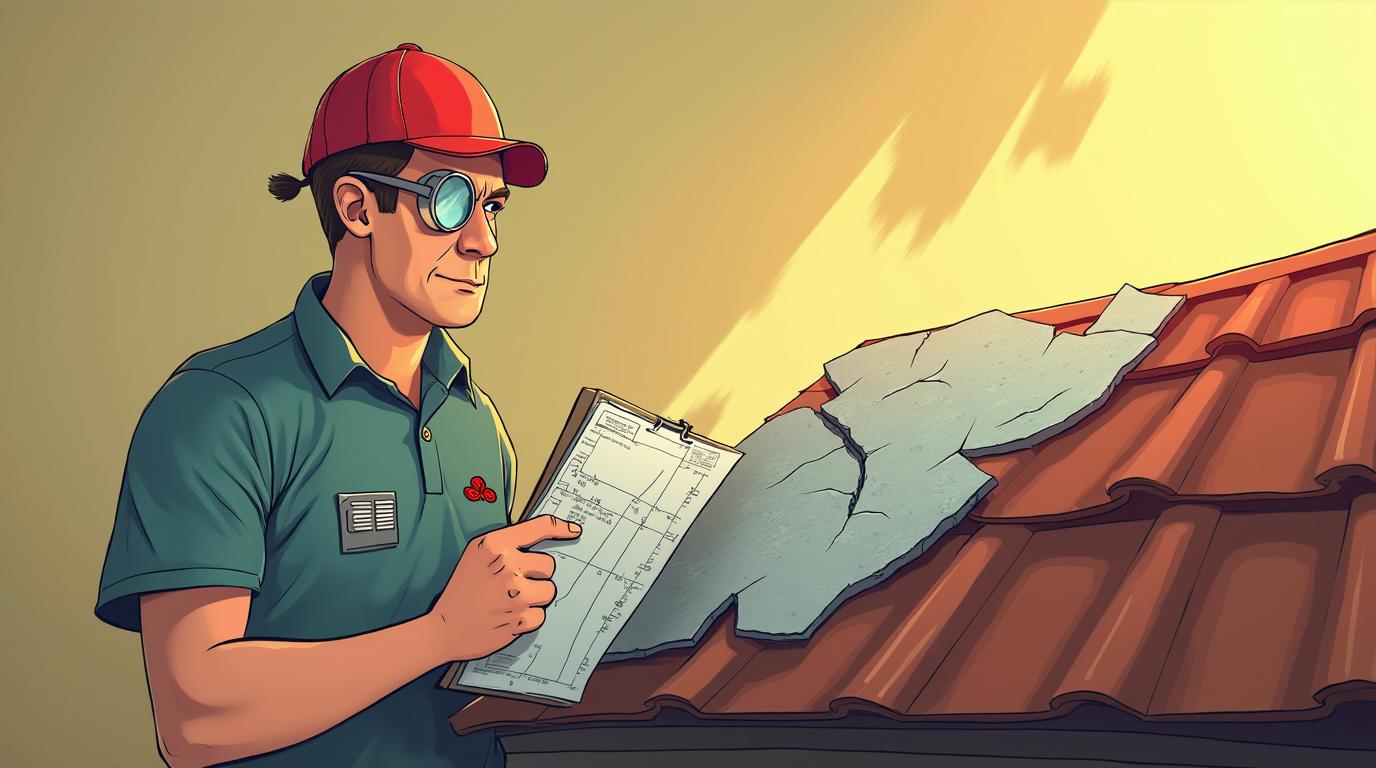
State Farm Roof Adjuster Guide: What Every Homeowner Must Know (From a Roofer With 15+ Years Experience)
I have been installing and repairing roofs for over fifteen years. I have completed more than two thousand roofing projects. I hold certifications from major manufacturers like GAF and Owens Corning. I have worked with hundreds of homeowners navigating insurance claims. This article shares that real-world contractor perspective. It is written to help you, the homeowner, understand a complex process. You will learn how to work with a State Farm roof adjuster effectively. This knowledge can save you thousands of dollars and prevent major headaches. The goal is to demystify the insurance claim process from start to finish. You will get clear, actionable advice based on real job sites and customer experiences.
This article exists to solve a specific problem. Homeowners often feel confused and powerless during an insurance claim. They do not know what to expect from the adjuster's visit. They worry about being underpaid for necessary repairs. This guide answers all those questions with transparency. The information comes from direct experience on customer projects. It references manufacturer installation instructions and building codes. It explains the methodology behind every recommendation. You will get direct answers with no fluff. This will save you time and reduce your stress during a difficult situation.
Understanding the Role of a State Farm Roof Adjuster
A State Farm roof adjuster is an insurance company employee. They inspect property damage after events like storms or hail. Their job is to assess the damage and write an estimate for repairs. They determine if the damage is covered under your policy. It is crucial to understand their perspective. The adjuster works for State Farm, not for you. Their primary duty is to settle your claim according to your policy terms. They must also protect the financial interests of the insurance company. This does not make them your adversary, but it defines their role.
What the Adjuster Looks For During Inspection
The adjuster will examine your entire roof system. They look for visible signs of storm damage. This includes hail hits, wind-lifted shingles, and granule loss. They will check for damage to roof vents, flashing, and gutters. The adjuster often uses a ladder to view the roof surface up close. They take many photographs as evidence. They measure the roof's dimensions to calculate the square footage. The adjuster also looks for pre-existing conditions or wear and tear. These types of damage are typically not covered by insurance. Understanding their checklist helps you prepare for the inspection.
The Limits of the Adjuster's Expertise
Most adjusters are generalists. They handle claims for many types of property damage. They may not be roofing installation experts. They might miss subtle damage that a trained roofer would catch. For example, they may not recognize improper nail placement or compromised underlayment. They follow general guidelines from State Farm. They may not be fully versed in local building codes or manufacturer requirements. This is why having your own contractor present can be invaluable. A professional roofer can point out damage the adjuster might overlook.
Preparing for the Adjuster's Visit: A Step-by-Step Guide
Proper preparation is the key to a successful claim outcome. Do not wait for the adjuster to arrive to start thinking about your roof. Take proactive steps as soon as you file your claim. This shows you are organized and serious about the process. It also helps ensure all damage is documented. Follow this guide based on what has worked for my customers time and again.
Step 1: Document Everything Yourself First
Use your smartphone or camera to take clear pictures. Photograph the damage from the ground and, if safe, from a ladder. Get wide shots of the entire roof and close-ups of specific issues. Take pictures of any debris in your yard, like shingle granules or tree limbs. Also document the interior of your home. Photograph any water stains on ceilings or walls. Keep a written log of when the storm occurred and when you noticed damage. This creates your own independent record before the adjuster even arrives.
Step 2: Get a Professional Roof Inspection
Hire a licensed and insured roofing contractor for a separate inspection. Choose a contractor with good reviews and local experience. Ask them to provide a detailed written report. This report should include photos, diagrams, and a scope of work. The contractor's estimate is not your final repair cost. It is a professional assessment of the damage. This document becomes your most powerful tool. You can give a copy to the State Farm adjuster. It ensures all damage is on the record from the beginning.
Step 3: Review Your Insurance Policy
Locate your homeowner's insurance policy documents. Look for the section on roof coverage. Understand your deductible amount. This is what you pay out-of-pocket before insurance kicks in. Check if you have Replacement Cost Value (RCV) or Actual Cash Value (ACV) coverage. RCV pays to replace your roof with new materials of similar kind and quality. ACV pays the depreciated value of your old roof. This distinction has a huge financial impact. Know your policy limits before the adjuster's visit.
The Insurance Claim Estimate: Decoding the Details
The adjuster will provide a claim estimate, often called a scope of loss. This document lists all the items State Farm agrees to pay for. It includes line items for materials, labor, and waste removal. It will use software like Xactimate to price everything. This estimate can be confusing. Homeowners often do not understand what each line means. Let's break down the key components you need to review carefully.
Line Items and Depreciation Holds
The estimate will show a total replacement cost value. Then it will subtract your deductible. It will also often subtract a recoverable depreciation hold. This is money withheld until repairs are complete. For example, the estimate might authorize $15,000 for a roof. It may pay $10,000 upfront. The remaining $5,000 is held as recoverable depreciation. You get this final payment after the work is done and you submit proof. You must understand this process to manage your cash flow during the project.
Common Shortages in Adjuster Estimates
From my experience, adjuster estimates often have gaps. They may not include enough material for proper installation. They might underestimate the cost of tear-off and disposal. They frequently omit necessary items like ice and water shield in critical areas. They may not account for all the flashing details required by building codes. For instance, the International Residential Code (IRC) has specific requirements for roof-to-wall flashing. The adjuster's software may not automatically include this. Your contractor's estimate should identify these missing items.
Negotiating with State Farm: Strategies That Work
You have the right to negotiate the claim settlement. The first estimate is not always the final offer. Successful negotiation requires evidence and persistence. Do not be confrontational. Be factual and professional. Use the documentation you gathered. Here are proven strategies from hundreds of negotiated claims.
Presenting Your Contractor's Estimate
Submit your roofing contractor's detailed estimate to the adjuster. Ask them to review it line by line. Point out where the two estimates differ. For example, your roofer's quote may include 30 squares of shingles. The adjuster's may only include 28. Show the contractor's measurements. Explain that building code requires specific underlayment in valleys. The adjuster's estimate might have omitted it. Reference manufacturer installation instructions. Companies like GAF and Owens Corning provide detailed guides. These are authoritative sources that support your case.
Requesting a Re-inspection or Supervisor Review
If the adjuster is not responsive, request a re-inspection. Ask for a different adjuster or a supervisor to visit. State that you have documented evidence of additional damage. Be polite but firm. You can also ask your contractor to be present for the re-inspection. A good roofer can explain technical details to the adjuster. They can show why certain materials or labor hours are necessary. This peer-to-peer conversation often resolves disagreements more effectively.
Choosing Materials and Understanding Upgrades
State Farm typically pays to restore your home to its pre-loss condition. This means using materials of similar kind and quality. If you had basic 3-tab shingles, they will pay for 3-tab shingles. However, you may want to upgrade to architectural shingles or impact-resistant materials. You can usually do this by paying the price difference yourself. This is called an upgrade. It is a common practice. Let's explore material choices and their implications for your claim.
Architectural vs. 3-Tab Shingles
Most insurance claims involve asphalt shingles. 3-tab shingles are flat, single-layer shingles. They are the most basic and economical option. Architectural shingles are thicker and multi-dimensional. They offer better durability, wind resistance, and curb appeal. They also cost more. If your damaged roof had 3-tab shingles, State Farm will estimate for 3-tab. You can ask your contractor to provide a quote for both. You then pay the difference to get the upgraded product. Many homeowners choose this path for a better long-term roof.
Impact-Resistant (Class 4) Shingles
Some insurance companies, including State Farm in certain states, offer discounts for impact-resistant roofs. These shingles are tested to withstand hail. They carry a UL 2218 Class 4 rating. Products like Malarkey's Legacy shingles are popular examples. Installing them may lower your future insurance premiums. Discuss this with your State Farm agent. The initial cost is higher, but the long-term savings can be significant in hail-prone areas.
The Roof Replacement Process: Timeline and Coordination
Once your claim is settled, the real work begins. Coordinating between insurance payments and contractor schedules is crucial. A typical roof replacement takes one to three days. However, the entire process from claim to completion can take weeks. Understanding the timeline helps manage expectations. Here is a breakdown based on standard project management.
From Settlement to Installation Day
After you receive the initial insurance payment, you can schedule the work. You will sign a contract with your chosen roofing contractor. The contractor will order materials. They will pull the necessary permits from your local building department. This ensures the work complies with local codes. The contractor will schedule their crew. Weather is a major factor. Roofing cannot be done in rain, high winds, or extreme cold. Be prepared for possible delays due to weather conditions.
Payment Schedules and Final Draw
Most roofing contractors require a deposit to schedule the work. This is often used to order materials. The deposit amount should be reasonable. Be wary of contractors demanding full payment upfront. A typical schedule might be: deposit upon signing, progress payment when materials are delivered, and final payment upon completion and inspection. Remember the recoverable depreciation from State Farm. You will need to pay your contractor their final invoice. Then you submit the paid invoice and certificate of completion to State Farm. They will release the final depreciation check to you.
Frequently Asked Questions (FAQ)
Should I get multiple roofing estimates before the adjuster comes?
Yes, but with a specific purpose. Get one or two detailed estimates from reputable contractors. The goal is not to find the cheapest price. The goal is to get a professional assessment of the full scope of damage. Present this to the adjuster as supporting documentation. It shows the true cost of proper repairs in your local market.
Can I hire any roofer, or does State Farm have a preferred network?
You have the right to hire any licensed and insured contractor you choose. State Farm may have a list of preferred vendors. These are contractors they have worked with before. Using a preferred vendor can sometimes streamline communication. However, you are never required to use them. Always vet any contractor thoroughly, regardless of their referral source.
What if the adjuster denies my claim entirely?
First, ask for a detailed explanation in writing. Request the specific policy language they are citing. Then, consider hiring a public adjuster. A public adjuster works for you, not the insurance company. They can re-inspect and advocate on your behalf. You can also file a formal appeal with State Farm's internal review process. As a last resort, you may consult with an attorney who specializes in insurance law.
Does a new roof increase my home insurance premium?
It might, but not always. A new roof can lower your risk of future claims. Some insurers offer discounts for new roofs. However, overall insurance rates are rising due to broader industry trends. The best course is to call your State Farm agent after the replacement. Ask if your new roof qualifies for any discounts or affects your premium.
What is code upgrade coverage, and do I have it?
Building codes change over time. Your old roof might not meet current code requirements. Code upgrade coverage pays for the extra cost to bring the repair up to code. For example, newer codes may require more roof deck fasteners or different flashing details. Check your policy or ask your agent if you have this endorsement. It is not always included in a standard policy.
How long do I have to complete the repairs after a claim?
State Farm policies typically do not have a strict deadline. However, it is wise to complete repairs within a reasonable time, usually within one year. Delaying too long can complicate getting the recoverable depreciation. It also leaves your home vulnerable to further damage from the existing issues. Proceed with repairs as soon as you have a settlement and a trusted contractor.
Will State Farm pay for a full roof replacement if only part is damaged?
This depends on your policy and the extent of damage. Most asphalt shingle roofs require matching in color and style. If the undamaged shingles are discontinued and cannot be matched, State Farm may pay for a full replacement. This is called a matching issue. The adjuster and your contractor will need to verify the availability of matching shingles.
Real Project Case Study: A Hail Damage Claim
Last spring, a homeowner in our service area had severe hail damage. The storm left obvious dents on their roof vents and gutters. The homeowner filed a claim with State Farm. The adjuster came out and wrote an estimate for a partial repair of only the most visibly damaged slopes. The homeowner called us for an inspection. We found hail hits on every slope of the roof. The granules were extensively knocked off, compromising the shingles' lifespan. We provided a full report with close-up photos using a hail damage gauge.
The homeowner submitted our report and requested a re-inspection. A second State Farm adjuster came out with our foreman present. The foreman pointed out the granular loss and the manufacturer's own criteria for hail damage. He referenced the National Roofing Contractors Association (NRCA) guidelines. The adjuster agreed with the assessment. State Farm revised the estimate to cover a full roof replacement. The outcome was a complete new roof for the homeowner, fully covered minus their deductible. This case shows the value of professional documentation and polite, evidence-based negotiation.
Industry Statistics and Data
Understanding the broader context is helpful. According to the Insurance Information Institute, homeowners insurance paid out over $92 billion in claims in a recent year. A significant portion was for wind and hail damage. The National Oceanic and Atmospheric Administration (NOAA) reports that the United States experiences tens of thousands of severe hail storms annually. The average roof replacement cost varies widely by region and material. However, a typical asphalt shingle roof replacement can range from $10,000 to $20,000 or more. These figures highlight why the insurance claim process is so critical for homeowners financially.
Conclusion and Your Next Steps
Dealing with roof damage and insurance is stressful. However, knowledge gives you power. You now understand the role of the State Farm adjuster. You know how to prepare for their visit with your own documentation. You have strategies for reviewing and negotiating the estimate. You understand the payment process and how to work with a contractor. The key is to be proactive, not reactive. Gather evidence, get professional help, and communicate clearly.
Your next step is to take action. If you have damage, start documenting it now. Contact a reputable local roofing contractor for a free inspection. Review your insurance policy to understand your coverage. Then, file your claim with State Farm if appropriate. Approach the process as an informed partner, not a passive recipient. Remember, a well-installed roof protects your largest investment—your home. Investing time in understanding this process protects your financial investment in that roof.