
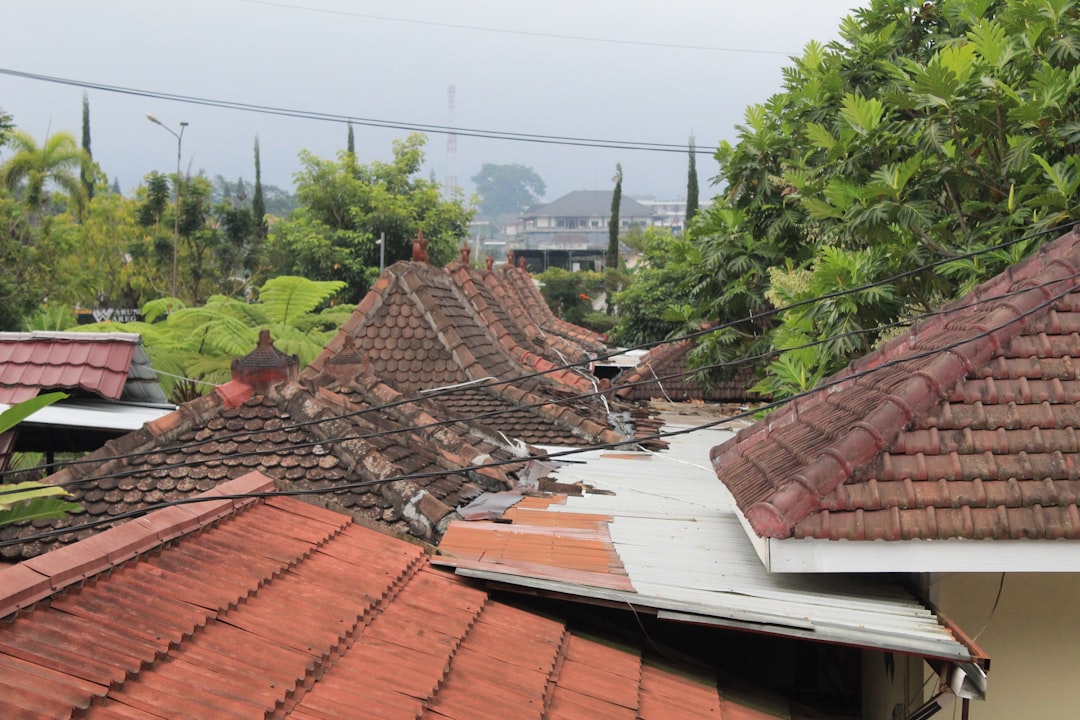
Shelter Insurance Roof Claims: A Contractor's Guide to Storm Damage Success
I have been a licensed roofing contractor for over 15 years. Our team has completed more than 2,500 roofing projects across Texas. We hold certifications from major manufacturers like GAF and Owens Corning. This experience gives me a unique view of the insurance claim process. I have helped hundreds of homeowners navigate Shelter Insurance roof claims. I see the confusion and stress homeowners face after storm damage. This article exists to solve that specific problem. It answers the question: How do I successfully manage a roof claim with Shelter Insurance? You will learn the exact steps from a contractor who works with insurance companies daily. This guide is based on real customer projects and industry knowledge. We reference manufacturer specifications and building codes. Our recommendations come from proven methods that get results. This information will save you time, money, and frustration. Let's begin your journey to a successful roof replacement.
Understanding Shelter Insurance and Roof Coverage
Shelter Insurance is a major provider in many states. They offer various homeowners insurance policies. Understanding your specific policy is the first critical step. Most policies cover roof damage from specific "perils." These perils typically include wind, hail, and falling objects. Your policy likely has a section called "Coverage A" for your dwelling. This includes your roof structure and exterior surfaces. However, coverage details can vary significantly. Some policies offer "Replacement Cost Value" (RCV). Others use "Actual Cash Value" (ACV). The difference between these is substantial for your wallet.
Replacement Cost Value vs. Actual Cash Value
Replacement Cost Value (RCV) is the preferred coverage. It pays to replace your damaged roof with materials of similar kind and quality. The insurance company typically pays the full cost, minus your deductible. They do not deduct for the age of your old roof. Actual Cash Value (ACV) is different. It pays the replacement cost minus depreciation. Depreciation is a reduction for wear and tear based on your roof's age. An ACV settlement will be much lower. You must often pay the depreciation amount out of pocket. Always check which type of coverage your Shelter policy includes. You can find this in your policy declarations page.
Common Exclusions and Limitations
Insurance policies do not cover everything. Standard exclusions are very important to know. Most policies exclude damage from lack of maintenance or wear and tear. If your roof fails because it is old, that is not a covered claim. Many policies also have specific wind or hail deductibles. These are often a percentage of your home's insured value. A 1% wind/hail deductible on a $300,000 home is $3,000. This is much higher than a standard $1,000 deductible. Some policies exclude certain types of cosmetic damage. For example, hail may dent metal roof panels without causing leaks. Some insurers may deny that claim. Review your Shelter policy documents carefully. Contact your agent with specific questions about your coverage.
The Step-by-Step Shelter Insurance Roof Claim Process
Filing a claim can feel overwhelming after a storm. Following a clear process reduces stress and improves outcomes. This guide is based on the sequence we recommend to all our customers. It aligns with how Shelter Insurance typically handles claims. Do not rush to call your agent immediately after seeing damage. Taking a few preparatory steps first can protect your interests. Document everything from the very beginning. Assume you will need to prove your case. Good documentation is your strongest tool in any insurance claim.
Step 1: Initial Safety and Documentation
Your safety is the absolute priority. Do not climb onto a damaged roof. It is dangerous, especially after a storm. You can document damage safely from the ground. Use your smartphone or camera. Take clear photos and videos of the entire exterior of your home. Focus on visible roof damage like missing shingles or dented vents. Also photograph any damage to siding, gutters, or windows. Take pictures from multiple angles and distances. Capture the date and time if your camera allows. Look for signs of damage inside your home as well. Check the attic for water stains, wet insulation, or daylight coming through the roof deck. Photograph any interior water damage immediately. This visual evidence is crucial for your claim.
Step 2: Contact a Reputable Roofing Contractor
Before you call Shelter, call a local, reputable roofing contractor. Choose a company with strong insurance claim experience. A good contractor will provide a free, thorough inspection. They will document all storm-related damage professionally. They use specialized tools like moisture meters and drone photography. The contractor's report will be a key piece of evidence. It should include detailed photos, diagrams, and measurements. The contractor can also give you an initial repair or replacement estimate. This estimate helps you understand the scope of work. It also gives you a baseline to compare with the insurance adjuster's estimate. Do not hire a contractor who pressures you to sign a contract immediately. A trustworthy roofer will educate you first.
Step 3: Filing the Claim with Shelter Insurance
Now you are ready to contact Shelter Insurance. You can file a claim online, through their mobile app, or by phone. Have your policy number ready. Provide a clear, factual description of the damage and the date of the storm. Do not speculate on causes or costs. Simply state what you observed and what your contractor found. Shelter will assign you a claim number and an adjuster. The adjuster is the insurance company's representative. Their job is to assess the damage and determine what Shelter will pay. Write down your claim number and adjuster's contact information. Ask for an expected timeline for the inspection. Keep all communication polite and professional.
Step 4: The Insurance Adjuster's Inspection
The Shelter adjuster will schedule a time to inspect your property. It is highly beneficial for your roofing contractor to be present. The contractor can point out damage the adjuster might miss. They can also explain technical aspects of the repair. The adjuster will inspect the roof, take measurements, and photographs. They will then write an estimate using software like Xactimate. This software calculates repair costs based on local pricing. The adjuster's estimate is called a "scope of loss." It lists the line items and quantities of work Shelter agrees to pay for. You will receive a copy of this document. Review it carefully with your contractor.
Step 5: Reviewing and Negotiating the Settlement
Do not assume the first estimate from Shelter is final. It is very common for there to be discrepancies. Your contractor should compare their estimate with the adjuster's scope. They will look for missing items or underestimated quantities. Common missing items include proper ice and water shield, synthetic underlayment, or specific flashing details. Building codes, like the International Residential Code (IRC), may require certain upgrades. Your contractor can prepare a detailed supplement. This is a formal request for additional funds. They will include supporting documentation like photos and manufacturer installation requirements. Shelter will review the supplement. In most cases, they will issue a revised, higher settlement. This negotiation is a normal part of the process.
Working with Your Roofing Contractor
Choosing the right contractor is the most important decision after filing a claim. Your contractor is your guide and advocate. They should have proven experience with Shelter Insurance claims. Ask for references from past insurance jobs. Verify their license and insurance. Look for manufacturer certifications, which indicate training on specific products. A GAF Master Elite® or Owens Corning Platinum Contractor has passed rigorous standards. These contractors often offer enhanced warranties. Do not automatically choose the contractor who knocks on your door after a storm. These "storm chasers" may lack local ties and long-term accountability.
The Role of the Contractor in the Claim
A good contractor does much more than just install shingles. They manage the entire insurance restoration process. They meet the adjuster, document damage, and write the detailed scope. They handle all supplement negotiations with the insurance company. They pull necessary permits from your local building department. They order materials and manage the installation crew. They perform quality control inspections during the job. They handle final cleanup and debris removal. They provide you with all warranty documentation and lien waivers. They are your single point of contact. This full-service approach is invaluable for a smooth experience.
Understanding the Contract and Payment Schedule
You will sign a contract with your roofing contractor. Read it thoroughly. It should clearly state the work scope, materials to be used, and total price. The price should match the insurance settlement, minus your deductible. The contract should outline the payment schedule. A standard schedule for an insurance job is: 1) A small initial deposit upon signing. 2) The first insurance check upon job start for materials. 3) The final insurance check and your deductible upon completion. Never pay the full amount upfront. Never sign over your insurance check directly to the contractor. You should endorse it and pay them as work progresses. This protects you and ensures the job is done correctly.
Selecting Roofing Materials for Your Replacement
Your insurance settlement is based on replacing your roof with materials of "like kind and quality." If you had a standard 3-tab asphalt shingle roof, the settlement is for 3-tab shingles. However, you can often upgrade to better materials. You would pay the price difference out of pocket. This is an excellent opportunity to improve your home. Consider upgrading to architectural or dimensional shingles. They are thicker, more durable, and look much better. They also have longer manufacturer warranties. Popular brands include GAF Timberline HDZ and Owens Corning Duration.
Key Components of a Quality Roof System
A roof is more than just shingles. The insurance estimate should include all critical components. Ensure your new roof includes these quality items:
- Synthetic Underlayment: This replaces traditional felt paper. It is stronger, more water-resistant, and provides a safer walking surface for installers.
- Ice and Water Shield: This self-adhering membrane is crucial in vulnerable areas. It should be installed in valleys, along eaves, and around penetrations like chimneys.
- Proper Flashing: Flashing is metal or rubber used to seal joints. It is needed around walls, chimneys, skylights, and vent pipes. Step flashing and counter-flashing details are critical.
- Ridge Ventilation: A continuous ridge vent is the most effective way to ventilate your attic. Proper ventilation extends shingle life and reduces energy costs.
- Starter Shingles: Special shingles installed along the eaves. They provide a seal against wind uplift and give the first course a finished look.
Your contractor should specify these components by brand and product name in the contract.
Real Project Case Studies and Outcomes
Let me share real examples from our work with Shelter Insurance customers. These cases illustrate common scenarios and solutions.
Case Study 1: Hail Damage in Kingwood
A homeowner contacted us after a severe hailstorm. Their 15-year-old roof had significant granule loss and bruising on the shingles. They filed a claim with Shelter. The initial adjuster's inspection found damage but wrote a low estimate. It only included a partial roof repair. We met the adjuster for a re-inspection. We showed him hail hits on all slopes and both front and back roof sections. We provided documentation from the National Severe Storms Laboratory on hail size from that storm. We argued that a partial repair would create mismatched shingles and violate manufacturer warranty requirements. Shelter agreed and issued a full roof replacement settlement. The homeowner upgraded to GAF architectural shingles and a new ridge vent. The project was completed successfully, and the homeowner was thrilled with the outcome.
Case Study 2: Wind Damage and Interior Leak
Another client had high winds tear off several shingles. Water leaked into their living room, damaging the ceiling. Shelter's adjuster covered the roof repair but initially denied the interior damage. The adjuster claimed the interior stain was "old." We helped the homeowner gather evidence. We provided time-stamped photos from before the storm showing a pristine ceiling. We also provided a plumber's invoice proving the leak was not from plumbing. We submitted a detailed supplement for drywall repair, texture, and paint. We cited the IICRC S500 Standard for water damage restoration. Shelter reviewed the evidence and approved the full interior repair. The key was thorough, undeniable documentation.
Frequently Asked Questions (FAQ)
1. Will filing a roof claim increase my Shelter Insurance premiums?
Filing a claim may affect your rates. Insurance companies consider claim history. However, a claim for a major weather event like a widespread hailstorm is often viewed differently. It is considered an "act of God" rather than homeowner negligence. Many insurers raise rates for an entire zip code after a major storm, regardless of who filed a claim. It is generally advisable to file a claim for significant, legitimate damage. Paying for a major roof replacement out of pocket is very expensive. Discuss potential premium impacts directly with your Shelter agent.
2. How long do I have to file a claim after storm damage?
Most insurance policies require you to file a claim within one year of the date of loss. However, do not wait. File as soon as you discover damage. Waiting can complicate the process. Evidence can deteriorate. Memories fade. It becomes harder to prove the damage was caused by a specific storm. Furthermore, contractors are busiest right after storms. Scheduling your project sooner ensures you get on their calendar. Start the process immediately to protect your rights and your home.
3. Can Shelter Insurance deny my roof claim?
Yes, Shelter can deny a claim if the damage is not covered by your policy. Common reasons for denial include: damage caused by lack of maintenance, wear and tear, or improper installation. Cosmetic damage exclusions can also lead to denials. If your claim is denied, you have the right to appeal. Request a detailed denial letter explaining the specific policy language used. You can ask for a re-inspection with your contractor present. You can also file a complaint with your state's department of insurance. Do not give up after a first denial without exploring your options.
4. What if the insurance settlement is less than my contractor's estimate?
This is very common. The insurance estimate is often a starting point. Your contractor's job is to identify all necessary work. They will submit a supplement to the insurance company for the difference. The supplement should include photos, manufacturer instructions, and code references to justify each line item. Most reputable insurance companies, including Shelter, have a process for reviewing supplements. They often approve additional funds. Do not hire a contractor who tells you to accept the first check and do less work. That leads to a substandard roof.
5. Should I get multiple estimates from roofing contractors?
Yes, you should get at least two or three estimates. However, focus on the scope and quality of materials, not just the bottom-line price. A very low estimate may mean the contractor is cutting corners. They may be using inferior materials or omitting critical components like proper ventilation. Compare the line items in each estimate. Are they using synthetic underlayment or felt paper? What brand of shingles? How many feet of ice and water shield? Choose the contractor who provides the most detailed, transparent proposal and the best reputation, not necessarily the cheapest one.
Industry Statistics and Important Data
Understanding broader trends can help you make informed decisions. According to the Insurance Information Institute, wind and hail losses account for the largest portion of homeowners insurance claims. The National Fire Protection Association (NFPA) notes that improper roofing installation can be a fire hazard. A study by the Asphalt Roofing Manufacturers Association (ARMA) shows that proper attic ventilation can extend shingle life by up to 20%. The Federal Emergency Management Agency (FEMA) recommends inspecting your roof after any major storm. These facts underscore the importance of a quality, code-compliant installation paid for by your insurance claim.
Conclusion and Your Next Steps
Navigating a Shelter Insurance roof claim is a process. It requires knowledge, preparation, and the right partner. You now have a contractor's guide to every step. Start by safely documenting any damage you see. Then, contact a reputable, local roofing contractor for a professional inspection. Review your Shelter policy to understand your coverage. File your claim with clear facts. Ensure your contractor is present for the adjuster's inspection. Review the settlement carefully and be prepared to negotiate for a fair scope. Select quality materials for your replacement. Your home is your largest investment. A successful insurance claim restores and protects that investment. Do not let the process intimidate you. Use this guide, ask questions, and advocate for your home. You can achieve a great outcome with Shelter Insurance and a new, durable roof over your head.