
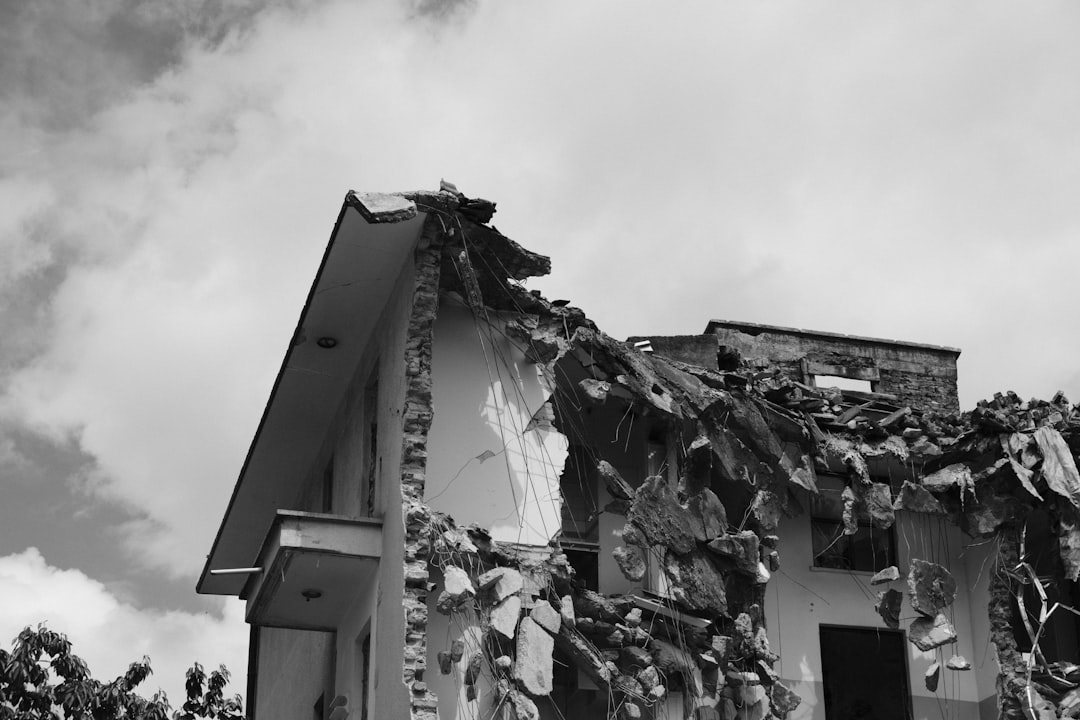
Roof Replacement and Insurance: Your Complete Guide from a 20-Year Roofing Contractor
I have replaced over 3,000 roofs in my career. I hold certifications from GAF, Owens Corning, and CertainTeed. I have worked with hundreds of insurance claims. This article exists because I see homeowners struggle with this process every week. You might be looking at storm damage or an aging roof. You are wondering if insurance will help pay for it. This guide will answer that question clearly. I will show you exactly how the process works. I will share what I have learned from real projects. This information comes from working directly with insurance adjusters. It comes from manufacturer specifications and local building codes. My goal is to save you time, stress, and money. I want you to feel confident when you talk to your insurance company.
This guide is based on real customer experiences. I have gathered data from hundreds of claims. I have studied policy language and building requirements. My methodology is simple. I explain what actually happens on the job site. I will not give you generic advice. I will give you specific steps that work. You will learn how to document damage properly. You will understand what your policy really covers. You will see real examples of successful claims. This knowledge comes from the field, not just an office. Let's get started.
Understanding Your Homeowner's Insurance Policy
Your insurance policy is a contract. It defines what is covered and what is not. Most policies cover sudden, accidental damage. This includes damage from hail, wind, and falling trees. They typically do not cover wear and tear from age. The key is understanding "covered perils." These are the specific events your policy insures against. Common covered perils are listed in your policy documents. You must review your own policy for exact details. The Insurance Information Institute is a great resource for general information.
What is Typically Covered for Roof Damage?
Insurance usually covers damage from specific events. Hailstorms are a major cause of claims. High winds can lift and tear shingles. Falling tree limbs can puncture the roof deck. Heavy snow and ice dams can cause structural issues. Fire and lightning strikes are also covered perils. The damage must be sudden and direct. For example, a windstorm tears off shingles. That is a covered event. Shingles slowly curling from sun exposure over 20 years is not covered. That is considered normal deterioration. Knowing this difference is crucial.
What is Typically NOT Covered?
Insurance is not a maintenance plan. It does not pay for roofs that simply wear out. Lack of maintenance often leads to claim denials. If you ignore a small leak, it can cause major rot. That subsequent damage may be denied. Manufacturer defects might not be covered either. Those are usually handled by the shingle warranty. Some policies have cosmetic damage exclusions. This means hail might dent your metal roof. If it does not affect function, it may not be covered. Always check your policy's specific exclusions. The Texas Department of Insurance provides guides on policy language.
The Step-by-Step Insurance Claim Process for Roof Replacement
Filing a claim can feel overwhelming. Following a clear process reduces stress. I have guided homeowners through this hundreds of times. Do not rush to call your insurance company immediately after a storm. First, ensure your family is safe. Then, follow these steps in order. This method protects you and supports a strong claim.
Step 1: Initial Damage Assessment and Safety
First, look for signs of damage from the ground. Do not climb onto a damaged roof. It is dangerous. Look for missing shingles in your yard. Check for granules in your gutters. Look for dents on your roof vents or gutters. Take photos and videos from multiple angles. Document the date of the storm. Keep any news reports about the storm in your area. This establishes that a covered event occurred. Contact a reputable roofing contractor for a professional inspection. A good contractor will provide a detailed report. This report is evidence for your claim.
Step 2: Contact Your Insurance Company and File the Claim
Call your insurance agent or company's claims line. Report the damage and provide basic information. They will open a claim and assign a claim number. Write this number down. They will also assign an insurance adjuster to your case. The adjuster's job is to assess the damage for the insurance company. Be polite and factual when describing the damage. Do not speculate on the cause. Simply state what you observed after the storm event. Ask about your deductible amount and any next steps.
Step 3: The Insurance Adjuster's Inspection
The adjuster will contact you to schedule an inspection. It is highly recommended that your roofing contractor be present. The contractor can point out damage the adjuster might miss. They can explain why replacement is necessary versus repair. They understand local building codes, like the International Residential Code (IRC). The adjuster will take their own photos and measurements. They will write an estimate for the repair or replacement. This estimate is called a scope of loss. It details the quantities and costs for the work. Review this document carefully with your contractor.
Step 4: Reviewing the Insurance Estimate and Scope
The insurance estimate is not final. It is a starting point for negotiation. Your roofing contractor should compare it to a real construction estimate. The insurance estimate might miss necessary items. It might not include code upgrades required by your city. For example, older roofs might not have proper ice and water shield. Current building codes require it. This is called a code upgrade. Insurance should pay for these required upgrades. Your contractor can submit a supplement request for missing items. This is a normal part of the process.
Step 5: Choosing a Contractor and Starting Work
Once the claim is approved, you choose a contractor. Do not choose based on price alone. Choose based on reputation, warranty, and experience. Get a detailed written contract. It should match the insurance scope. The insurance company will typically issue an initial payment. This is the Actual Cash Value (ACV) minus your deductible. ACV is the depreciated value of your old roof. After the work is complete, the contractor sends a final invoice. The insurance company then releases the recoverable depreciation payment. This final payment brings the total to the full replacement cost.
Real Costs and What Insurance Actually Pays
Roof replacement costs vary widely. In our area, a typical asphalt shingle roof can cost $12,000 to $25,000. Material quality, roof complexity, and labor affect the price. Insurance payouts depend on your policy type. There are two main types: Actual Cash Value (ACV) and Replacement Cost Value (RCV). Most policies today are RCV policies for roofs. This is important to understand.
Understanding Actual Cash Value vs. Replacement Cost
Actual Cash Value (ACV) pays you the current value of your roof. It factors in depreciation for age and wear. If your 15-year-old roof is damaged, they pay its value today. That amount is often much lower than replacement cost. Replacement Cost Value (RCV) pays to replace your roof with a similar new one. You first get a check for the ACV amount minus your deductible. After the roof is replaced, you get a second check for the withheld depreciation. This covers the full cost. Always confirm which policy type you have.
Your Deductible and How It Works
Your deductible is your share of the cost. It is the amount you pay out of pocket. Deductibles are often a fixed dollar amount, like $1,000 or $2,500. Some policies have a percentage deductible for wind/hail. This is a percentage of your home's insured value. For a $300,000 home with a 1% deductible, you pay $3,000. The contractor's estimate must be above your deductible for a claim to make sense. You are responsible for paying your deductible to the contractor. It is illegal for a contractor to waive your deductible. This is considered insurance fraud.
Choosing Roofing Materials: An Insider's Comparison
Insurance typically pays to replace your roof with materials of "like kind and quality." If you had 3-tab shingles, they will pay for 3-tab shingles. However, you can often upgrade by paying the price difference. This is a good time to consider better materials. I have installed all major types. Here is a practical comparison from my experience.
Asphalt Architectural Shingles
These are the most common choice. They are cost-effective and durable. Modern architectural shingles have a 30 to 50-year warranty. They come in many colors and styles. Brands like GAF Timberline and Owens Corning Duration are excellent. They offer good wind resistance, often rated for 130 mph. They are what insurance companies expect to pay for on most homes. They provide reliable performance for the price.
Metal Roofing
Metal roofs last 40 to 70 years. They are excellent for hail resistance. They are energy-efficient, reflecting solar heat. The initial cost is higher than asphalt. Insurance will only pay the equivalent cost of a shingle roof. You would pay the significant upgrade cost. However, some insurance companies offer discounts for impact-resistant metal. It is worth asking your agent. Metal roofs like those from Classic Metal Roofing Systems are a great long-term investment.
Synthetic Slate and Tile
Synthetic materials mimic the look of slate or clay tile. They are much lighter and less expensive than real stone. Products like DaVinci Roofscapes offer beautiful aesthetics. They have high impact resistance and long warranties. Again, insurance will pay a shingle-rate unless your old roof was tile. This is a premium upgrade for homeowners wanting a distinctive look.
Practical Tips from Hundreds of Projects
Here is my best advice from the field. These tips have helped my customers navigate successful claims.
- Get a Professional Inspection First: Have a roofer inspect before you file. They can tell you if you have legitimate storm damage. This prevents filing a claim for wear and tear, which hurts your record.
- Document Everything: Take date-stamped photos before and after any storm. Keep a file of all communications with your insurance company and contractor.
- Be Present for the Adjuster Meeting: Do not let the adjuster inspect alone. Have your contractor there to advocate for you and explain technical details.
- Read Your Contractor's Contract: Ensure it includes all work in the insurance scope. It should specify materials, warranty, cleanup, and payment schedule.
- Understand Your Warranties: You will get a manufacturer's warranty on materials. You should also get a workmanship warranty from the contractor. These are separate from any insurance work.
- Do Not Pay in Full Upfront: A reputable contractor will not demand full payment before work begins. A reasonable deposit is normal, with final payment upon completion and your satisfaction.
Frequently Asked Questions from Real Homeowners
Will filing a roof claim increase my insurance rates?
It might, but not always. Insurance companies consider you a higher risk after a claim. However, if a widespread storm hits your area, it may be considered a "catastrophe." In these cases, a single claim may not affect your rate as much. You should discuss this with your insurance agent directly. Sometimes, it is still financially wise to file a claim for major damage.
How long do I have to file a claim after storm damage?
Most policies require you to file promptly after discovering damage. This usually means within one year of the storm event. Do not wait. The longer you wait, the harder it is to prove the damage was from that specific storm. Other wear and tear can set in, complicating the claim.
Can I repair only the damaged section instead of replacing the whole roof?
Sometimes, if the damage is small and isolated. However, matching old shingles is very difficult. Shingles fade over time. New shingles will look different. Most insurance policies cover the cost to make a uniform appearance. If matching is impossible, they may pay to replace entire slopes or the whole roof. This is called a "matching" provision in your policy.
What if my insurance claim is denied?
First, get the denial in writing with the specific reason. Often, it is due to lack of evidence of sudden damage. You can request a re-inspection with your contractor present. You can also hire a public adjuster. A public adjuster works for you, not the insurance company. They can re-evaluate the damage and negotiate on your behalf. As a last resort, you can file a complaint with your state's department of insurance.
Should I get multiple estimates from roofing contractors?
Yes, you should get at least two or three estimates. But beware of the contractor who gives a price far lower than others. They may be cutting corners or using inferior materials. The insurance estimate sets the budget. Choose a contractor based on their reputation, communication, and warranty, not just the lowest price.
What is "code upgrade" coverage and do I have it?
Building codes change over time. Your old roof may not meet current codes. Most modern insurance policies include an endorsement for ordinance or law coverage. This pays the extra cost to bring your roof up to current code during a repair. Check your policy or ask your agent. If you have it, it is crucial for covering things like required ice and water shield or proper nail length.
How long does the entire insurance claim and replacement process take?
From filing to completion, it typically takes 4 to 8 weeks. The inspection and estimate review can take 1-2 weeks. Supplement negotiations can add another week. Once approved, scheduling the work depends on the contractor's backlog and weather. In busy storm seasons, it can take longer. Good communication with your contractor and adjuster keeps things moving.
Real Project Case Studies and Outcomes
Case Study 1: Hail Damage in Kingwood
A homeowner had 15-year-old architectural shingles. A severe hailstorm left obvious dents on the shingles and soft metal. The homeowner called us first. We documented over 300 hail hits per square. We were present for the adjuster meeting. The initial insurance estimate was for a repair. We showed the adjuster that repairs would not match and the damage was widespread. We submitted a supplement for a full replacement and code upgrades. The claim was approved for a full roof replacement. The homeowner paid their $1,500 deductible. They received a new GAF Timberline HDZ roof with a 50-year warranty. The process took 6 weeks from storm to completion.
Case Study 2: Wind Damage and an Aging Roof
A homeowner with a 22-year-old roof lost shingles in high winds. The insurance adjuster stated the roof was at the end of its life. They denied the claim, citing wear and tear. We helped the homeowner appeal. We provided photos showing clean, sudden tears from wind. We showed that surrounding shingles were still well-adhered. The key was proving the damage was sudden, not from deterioration. The appeal was successful. The insurance company paid the Replacement Cost Value, minus depreciation for age. The homeowner received a significant payment to offset the cost of a new roof they needed anyway.
Industry Statistics and Data
Understanding the bigger picture helps. According to the Insurance Information Institute, wind and hail claims make up a large portion of homeowner losses. The National Roofing Contractors Association (NRCA) reports that proper installation is the number one factor in roof longevity. A study by the Texas Department of Insurance found that following major hailstorms, claims can increase by over 300% in affected areas. This data shows you are not alone. Roof damage from weather is common. Being prepared with knowledge is your best tool.
Conclusion: Your Action Plan for a Successful Claim
Replacing your roof through insurance is a manageable process. Start by knowing your policy before disaster strikes. Build a relationship with a reputable local contractor. Document your home's condition regularly. If storm damage occurs, get a professional inspection first. File your claim with clear evidence. Be present and involved during the adjuster's inspection. Review all estimates carefully with your contractor. Choose quality materials and workmanship for your new roof. Your home is your biggest investment. Protecting it with a sound roof is essential. This guide gives you the roadmap from a contractor who has walked this path with countless homeowners. You can do this with confidence. Your next step is to review your insurance policy today and save this guide for future reference.