
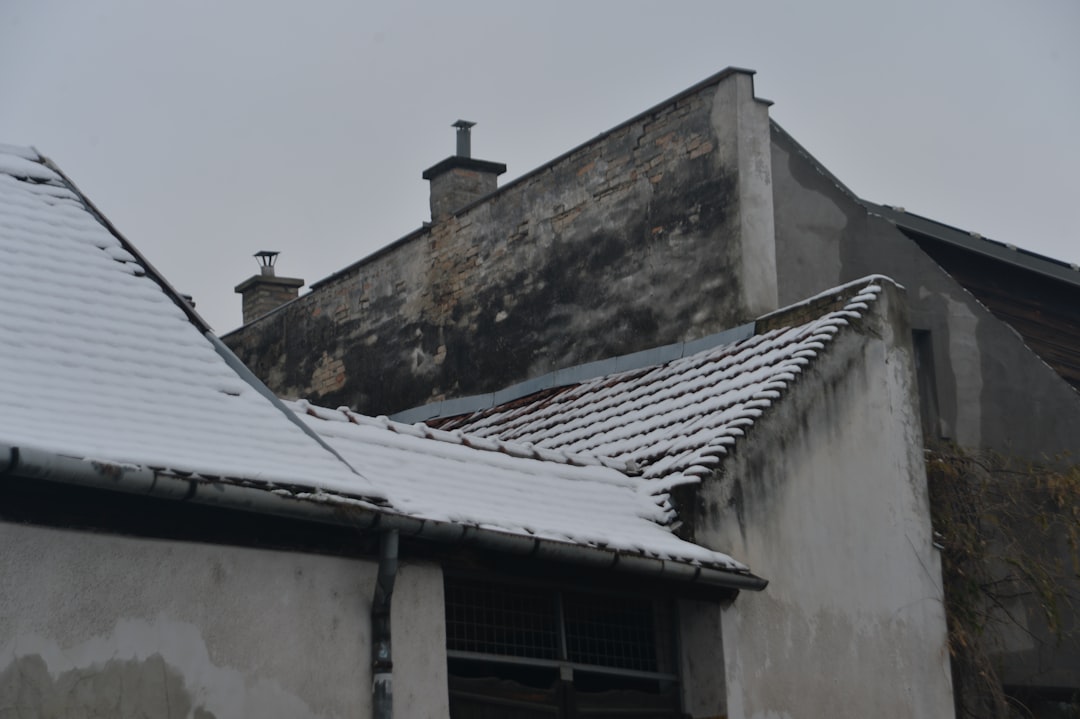
Roof Leak Damage Covered by Insurance: A Texas Roofer's 15-Year Perspective
I have been installing and repairing roofs across Texas for over fifteen years. Our team has completed more than 2,500 projects. We hold certifications from major manufacturers like GAF and Owens Corning. This experience gives me a unique view of insurance claims. I have seen countless homeowners struggle with roof leaks after storms. This article exists to solve that specific problem. It answers the critical question: "Will my insurance cover this roof leak?" My goal is to provide clear, actionable guidance. I want to save you time, stress, and money during a difficult situation.
The information here comes from real customer projects and industry data. I have reviewed hundreds of insurance policies and adjuster reports. I have studied manufacturer specifications and local building codes. My recommendations are based on proven methods that work. I will explain the process step-by-step. You will learn what is typically covered and what is not. You will also get practical tips from the contractor's side of the table. This knowledge will help you navigate your claim with confidence.
Understanding Your Homeowners Insurance Policy
Your insurance policy is a legal contract. It defines what is covered and what is excluded. Most standard policies are "named peril" or "all-risk" policies. A named peril policy only covers damage from specific events listed in the contract. An all-risk policy covers all causes of damage except those specifically excluded. Understanding which type you have is the first crucial step.
Common Covered Perils for Roof Leaks
Insurance typically covers sudden, accidental damage from external forces. The most common covered cause is wind and hail damage. High winds can lift and tear shingles, creating entry points for water. Hail can bruise or crack shingles, compromising their integrity. Other covered events include damage from falling objects like trees. Weight of ice, snow, or sleet is also a common covered peril in many policies. Fire and lightning strikes are almost always covered events.
It is vital to document the cause of the leak. Insurance does not cover leaks from simple wear and tear or lack of maintenance. The damage must result from a specific, sudden event listed in your policy. For example, a shingle blown off in a storm is covered. A shingle that simply wore out and fell off is not. This distinction is the core of most insurance claim disputes.
Standard Exclusions You Must Know
Insurance companies routinely exclude certain types of damage. The most significant exclusion is for wear and tear, deterioration, and lack of maintenance. Roofs have a finite lifespan. Insurance is not a maintenance warranty. If your roof is 25 years old and leaks, the claim will likely be denied. Manufacturers like GAF provide clear lifespan expectations for their products.
Other common exclusions include mold, fungus, and rot. These are often considered maintenance issues. Damage from construction defects or faulty workmanship is also excluded. Some policies exclude certain types of water damage entirely. Always review your specific policy documents. The Texas Department of Insurance provides excellent consumer resources on homeowners insurance.
The Step-by-Step Insurance Claim Process for Roof Leaks
Filing a claim can feel overwhelming after discovering a leak. Following a clear process reduces stress and improves your outcome. I have guided hundreds of homeowners through this exact scenario. The key is to be methodical and document everything from the very beginning.
Step 1: Immediate Actions After Discovering a Leak
Your first priority is to prevent further interior damage. Place buckets under active leaks. Move furniture and belongings away from the water. If safe, you can place a tarp over the leak area on the roof. Take clear photographs and videos of the water intrusion. Document damaged ceilings, walls, and personal property. Do not make permanent repairs before the insurance adjuster's inspection. Temporary measures to prevent additional damage are usually acceptable and encouraged.
Step 2: Contacting Your Insurance Company
Call your insurance agent or company's claims department as soon as possible. Provide your policy number and a brief description of the damage. Mention the suspected cause, like "wind damage from last week's storm." The company will open a claim and assign you a claim number. They will also schedule an appointment for an adjuster to inspect the property. Ask for an estimated timeline for the inspection. Write down the name of everyone you speak with and the date of the call.
Step 3: The Insurance Adjuster's Inspection
The insurance adjuster will visit your home to assess the damage. Their job is to determine the cause and the estimated cost of repair. It is highly beneficial to have a licensed roofing contractor present during this inspection. A good roofer can point out storm damage that an adjuster might miss. They can also explain the necessary scope of work. The adjuster will take their own photos and measurements. They will then write an estimate, often using software like Xactimate.
Step 4: Reviewing the Insurance Estimate and Scope of Work
The insurance company will send you their estimate, called a "scope of loss." Review this document carefully with your chosen roofing contractor. Compare the insurance estimate to the contractor's detailed proposal. Look for discrepancies in materials, quantities, and line items. The insurance estimate must comply with local building codes. For example, in many Texas areas, International Residential Code (IRC) requirements for underlayment and fasteners must be met. If the estimate is insufficient, your contractor can help you prepare a supplement.
Working Effectively with Your Roofing Contractor
Your relationship with your roofing contractor is critical. A reputable contractor acts as your advocate and expert guide. They bridge the gap between you and the insurance company. Choose a contractor with proven insurance claim experience.
How a Good Contractor Supports Your Claim
A professional roofer provides a detailed, line-item estimate. This estimate should match the insurance scope's format. They will document all storm damage with high-resolution photos and sometimes drone imagery. They can prepare a technical report explaining how the storm caused the damage. This report is valuable if the claim is initially underpaid or denied. The contractor will also handle all communication with the insurance adjuster if you authorize them to do so. This takes a huge burden off your shoulders.
Red Flags and Warning Signs
Be wary of contractors who ask you to sign over your insurance benefits. Avoid those who pressure you to sign a contract immediately. Door-to-door storm chasers after a major weather event can be risky. A legitimate contractor will have a physical business address and local references. They should be properly licensed and insured in your state. Check their standing with the Texas Department of Licensing and Regulation (TDLR). Never pay the full project cost upfront. Reputable companies follow the payment schedule outlined in the insurance claim process.
Real Project Case Studies and Cost Examples
Let me share real examples from our project files. These cases illustrate how the process works in practice. Names and specific addresses are changed for privacy.
Case Study 1: Hail Damage in Kingwood
A homeowner noticed a leak in their upstairs bedroom after a severe hailstorm. The roof was a 12-year-old architectural shingle system. Our inspection found widespread hail bruising on the shingles and damaged roof vents. The insurance adjuster initially approved only for repairs. We provided close-up photos showing functional damage across multiple slopes. We cited the National Roofing Contractors Association (NRCA) guidelines on hail damage assessment. The insurance company re-inspected and approved a full roof replacement. The total covered claim was $18,750. The homeowner paid only their deductible.
Case Study 2: Wind Damage and Denied Maintenance Claim
Another client had water staining on their ceiling. Their roof was over 28 years old with obvious wear. The insurance adjuster found no evidence of wind or hail damage. The granules were worn off, and the shingles were curling. This was ruled as normal deterioration. The claim was denied. The homeowner had to pay for the replacement themselves. This case highlights the importance of understanding policy exclusions for age and wear.
Materials, Building Codes, and Insurance Payouts
Insurance companies pay for "like kind and quality" replacement. If you have a 30-year architectural shingle, they will pay for a comparable product. You can often upgrade materials by paying the difference in cost. Building codes also play a major role in what is covered.
Code Upgrades and Ordinance or Law Coverage
Building codes change over time. Your old roof may not meet current code requirements. Many policies include "Ordinance or Law" coverage. This pays for the extra cost to bring the damaged part of your home up to current code. For example, if code now requires ice and water shield in valleys, and your old roof did not have it, this coverage may pay for it. You must check your policy for this specific endorsement. It is often an add-on with a separate limit.
Understanding Actual Cash Value vs. Replacement Cost Value
This is one of the most important concepts in property insurance. Replacement Cost Value (RCV) pays to replace your damaged roof with a new one of similar kind and quality. Actual Cash Value (ACV) pays the replacement cost minus depreciation. Depreciation is the reduction in value due to age and wear. Most policies start as RCV policies. However, if your roof is older, the initial payment may be ACV. You receive the full RCV payment only after the work is complete and you submit the final invoice. Always confirm which valuation method your policy uses.
Frequently Asked Questions from Homeowners
Will filing a claim increase my insurance premiums?
Filing a claim can affect your rates. A single weather-related claim may have less impact than a liability claim. However, multiple claims in a short period can lead to higher premiums or non-renewal. It is a business decision. You should file a claim for significant, covered damage. Do not file small claims for minor repairs you can afford yourself.
What if my insurance claim is denied?
First, request a detailed explanation in writing. Review the denial letter against your policy. Ask your roofing contractor to review the adjuster's report for errors. You have the right to appeal the decision. You can hire a public adjuster to represent you. As a last resort, you can file a complaint with the Texas Department of Insurance. Many denied claims are overturned with proper documentation and persistence.
How long does the entire insurance roof claim process take?
The timeline varies greatly. From filing to final payment can take anywhere from a few weeks to several months. Major storms cause a surge in claims, slowing everything down. The inspection usually happens within 1-2 weeks. Receiving the initial estimate takes another week. Supplement negotiations can add 2-4 weeks. The actual repair work typically takes 1-3 days once materials are ordered. Final payment release after completion can take 1-2 weeks. Patience and organized follow-up are key.
Should I get multiple estimates from roofing contractors?
Yes, you should get at least two or three detailed estimates. This is good practice for any major home repair. However, remember that the insurance company determines the price they will pay. The estimates should be for the same scope of work. Large price differences usually indicate differences in materials, quality, or scope. Choose the contractor based on reputation, communication, and expertise, not just the lowest price.
What is depreciation, and how is it calculated?
Depreciation is the loss of value due to age and use. For a roof, insurers often use a straight-line depreciation schedule over the shingle's expected lifespan. If a 30-year shingle is 10 years old, it might be depreciated by 33%. The calculation formula is: (Replacement Cost) x (Age of Roof / Expected Lifespan) = Depreciation Amount. The RCV payment is the total cost minus your deductible. The ACV payment is the total cost minus depreciation and your deductible.
Does insurance cover the tear-off and disposal of the old roof?
Yes, standard insurance estimates include the cost of removing the old roofing materials. This is called "tear-off" or "removal." It also includes the cost of hauling away and disposing of the debris, often listed as "dump fees." These are standard line items in a roofing estimate. If they are missing from your insurance scope, your contractor should request them as part of a supplement.
What about damage to my interior ceilings and walls?
Your homeowners policy typically covers the resulting water damage to the interior of your home. This includes repairing stained or sagging drywall, repainting, and replacing damaged insulation. This is usually covered under a different part of your policy, often with a separate deductible. Document all interior damage thoroughly with photos before making any temporary repairs.
Conclusion and Your Next Steps
Dealing with a roof leak and an insurance claim is challenging. Knowledge is your most powerful tool. Understand your policy's covered perils and exclusions. Document everything from the moment you discover the leak. Partner with a reputable, local roofing contractor who has insurance experience. Do not hesitate to ask questions and advocate for a proper repair.
Your roof is your home's first line of defense. A proper, code-compliant repair protects your largest investment. Use this guide as a roadmap. Start by reviewing your insurance policy documents today. Know your deductible and coverage limits before disaster strikes. If you have a leak, act quickly to mitigate damage and start the claims process. With the right approach, you can navigate this process successfully and restore your home's safety and integrity.