
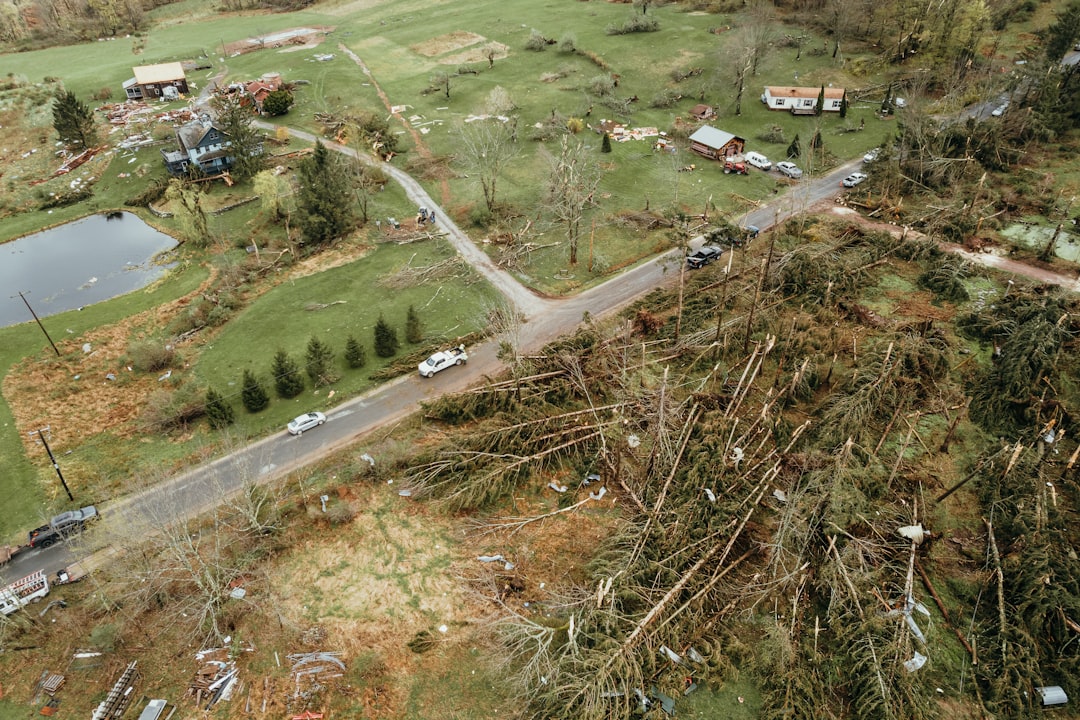
Insurance Claim for New Roof: Your Complete Guide from a Texas Roofing Contractor
My name is Michael, and I've been installing and repairing roofs across Texas for over 15 years. I've personally supervised more than 2,000 roofing projects, from simple repairs to complete tear-offs after major storms. I hold GAF Master Elite certification and am certified in wind damage assessment by the National Roofing Contractors Association. I've worked directly with hundreds of homeowners navigating insurance claims after hail storms, hurricanes, and straight-line winds. This article exists because I've seen too many good people get overwhelmed by the insurance process when their home is damaged. You're probably wondering if that recent storm actually damaged your roof enough to file a claim. You're worried about being denied or getting a low settlement. You don't know where to start or who to trust. This guide will walk you through the entire process, sharing exactly what I've learned from helping Texas families for over a decade. The information here comes from real project files, manufacturer installation guidelines, Texas building codes, and direct conversations with insurance adjusters. I'll explain not just what to do, but why certain steps matter based on actual outcomes I've witnessed. My goal is simple: give you the knowledge to protect your home and get the quality roof you deserve without unnecessary stress.
Understanding Roof Damage That Qualifies for Insurance Claims
Not all roof damage qualifies for insurance coverage. Insurance companies typically cover sudden, accidental damage from specific perils listed in your policy. The most common covered events in Texas are hail storms, wind storms, fallen trees, and lightning strikes. Normal wear and tear, poor maintenance, or manufacturing defects are usually not covered. Understanding this distinction is crucial before you begin the claims process. I've seen many claims denied because homeowners misunderstood what their policy actually covers.
Hail Damage: The Most Common Claim in Texas
Hail damage is the number one reason for roofing insurance claims in our region. Hailstones create impact marks on shingles that compromise their integrity. These impacts bruise the asphalt matting and dislodge protective granules. Look for dark spots where granules are missing and feel for soft spots on the shingle surface. According to the Insurance Information Institute, hail caused over $22 billion in insured losses between 2020 and 2022 nationwide. In Texas alone, the Texas Department of Insurance reports thousands of hail claims annually. The size of hail matters significantly. Hail one inch in diameter (quarter-sized) can damage asphalt shingles. Hail 1.5 inches (ping pong ball) almost always causes functional damage requiring replacement.
Wind Damage: More Than Just Missing Shingles
Wind damage often accompanies hail storms but can occur independently. Texas building codes require roofs to withstand specific wind speeds based on your region. High winds can lift shingles, break seals, and tear flashing. Look for creased or lifted shingles, not just completely missing ones. Wind can damage the self-sealing strips on shingles without tearing them off completely. This hidden damage leads to future leaks. The International Building Code references wind uplift resistance requirements that manufacturers must meet. Most standard architectural shingles are rated for winds up to 110 mph when properly installed. Hurricane-prone areas like coastal Texas have stricter requirements.
Other Covered Perils: Tree Impact, Lightning, and Weight Damage
Fallen trees or large branches clearly cause damage that insurance covers. Lightning strikes can burn through roofing materials or create entry points for water. Snow and ice accumulation (less common in Texas but possible) can cause structural stress. Always document the cause of damage with photos immediately after the event. Take wide shots showing the entire property and close-ups of specific damage. This visual evidence becomes critical during the insurance adjuster's inspection.
The Step-by-Step Insurance Claim Process for Roof Replacement
Filing an insurance claim for a new roof follows a specific sequence. Missing steps or doing them out of order can delay your claim or reduce your settlement. I've developed this process through years of helping homeowners navigate successful claims. Follow these steps carefully to maximize your chances of a full, fair settlement for a quality roof replacement.
Step 1: Initial Damage Assessment and Documentation
First, safely inspect your property after the storm passes. Look for visible damage from ground level using binoculars if possible. Never climb onto a damaged roof yourself. Document everything with photos and videos. Capture date stamps if your camera allows. Take pictures of hail on the ground, damaged siding, dented gutters, and any debris. These establish the storm event occurred. Contact a reputable, local roofing contractor for a professional inspection. Choose a contractor with insurance claim experience. They should provide a detailed written report with photos of all damage. This report becomes your evidence when filing the claim. Do not file the claim until you have this professional assessment. I've seen homeowners file based on suspicion alone and get denied because they lacked proper documentation.
Step 2: Filing the Claim with Your Insurance Company
Contact your insurance company to start the formal claim process. Have your policy number ready. Provide basic information about the date of loss and type of damage. Most companies allow online claim filing through their website or mobile app. Request a claim number and write it down. Ask about their preferred process for contractor involvement. Some companies want their adjuster to inspect first. Others allow your contractor to be present during the inspection. Know your policy details before this call. Understand your deductible amount, which you'll be responsible for paying. Review coverage limits for dwelling and other structures. Ask about additional living expenses if damage makes your home uninhabitable. The Texas Department of Insurance provides helpful resources for understanding your rights as a policyholder.
Step 3: The Insurance Adjuster Inspection
The insurance company will assign an adjuster to inspect your property. This is the most critical step in the process. Schedule the inspection when your roofing contractor can be present. Your contractor can point out damage the adjuster might miss and explain why replacement is necessary. The adjuster will examine the roof, take measurements, and assess damage. They'll write an estimate using software like Xactimate that calculates repair costs based on local pricing. This estimate determines your settlement amount. The adjuster might approve full replacement, partial repair, or deny the claim based on their assessment. If they approve replacement, they'll issue an Actual Cash Value payment first. This is the depreciated value of your old roof. After you complete repairs and provide documentation, they'll issue the recoverable depreciation payment. This two-payment system is standard for most claims.
Step 4: Reviewing the Insurance Estimate and Scope of Work
Carefully review the adjuster's estimate with your roofing contractor. Compare it to your contractor's detailed estimate. Look for discrepancies in square footage, materials, and line items. The estimate should include tear-off of old materials, disposal fees, underlayment, flashing, shingles, ventilation, and labor. It should also include code upgrades required by your local building department. Texas adopted the 2021 International Residential Code with specific roofing requirements. If your existing roof doesn't meet current code, the insurance should cover upgrades to comply. This might include additional fasteners, different underlayment, or improved ventilation. Don't accept an estimate that doesn't account for these necessary items. Your contractor can help you submit a supplement request for missing items.
Step 5: Selecting Materials and Finalizing the Contract
Once you have the insurance settlement, choose your roofing materials. Insurance typically covers replacement with materials of "like kind and quality." This means if you had architectural shingles before, you get architectural shingles now. You can often upgrade by paying the difference. Consider impact-resistant shingles rated for hail. Many manufacturers offer Class 4 impact-resistant shingles that may qualify for insurance discounts. GAF Timberline HDZ and CertainTeed Landmark PRO are popular options in Texas. Review manufacturer warranties that often exceed 50 years when installed by certified contractors. Sign a detailed contract with your roofing contractor that includes start and completion dates, payment schedule, materials specifications, and warranty information. Never pay the full amount upfront. Reputable contractors follow a draw schedule tied to project milestones.
Choosing the Right Roofing Materials for Your Insurance Replacement
Your insurance settlement gives you an opportunity to improve your home's protection. While insurance covers basic replacement, investing slightly more can yield significant long-term benefits. Having installed countless roofs across Texas, I've seen how material choices affect durability, energy efficiency, and future insurance claims.
Asphalt Shingles: The Standard Choice
Asphalt shingles cover most homes in Texas due to their cost-effectiveness and durability. Modern architectural shingles offer better wind resistance and aesthetic appeal than basic three-tab shingles. They have multiple layers that create dimensional shadow lines. Most carry wind warranties of 110-130 mph when properly installed. Look for shingles with algae resistance (often labeled "Scotchgard" or "StainGuard") to prevent dark streaks in humid climates. Consider lighter colors in Texas to reflect heat and reduce cooling costs. According to the Cool Roof Rating Council, lighter roofs can reduce surface temperatures by up to 50°F. This directly impacts your energy bills during our hot summers.
Impact-Resistant Options for Future Protection
Class 4 impact-resistant shingles withstand hail up to 2 inches in diameter. They have reinforced fiberglass mats and modified asphalt formulations. Many Texas insurance companies offer premium discounts for installing these shingles—typically 5-20% off your annual premium. The discount varies by company and region. These shingles cost 15-30% more than standard architectural shingles but can pay for themselves through insurance savings and avoided future claims. Manufacturers test these shingles using UL 2218 Standard for Impact Resistance. They drop steel balls from specific heights to simulate hail impact. Class 4 is the highest rating, meaning no cracking occurs after multiple impacts. This is worth considering if you live in hail-prone areas like North Texas.
Underlayment and Accessories: The Hidden Protection
Don't overlook the materials beneath the shingles. Synthetic underlayment provides better tear resistance and slip resistance than traditional felt paper. It also repels water better during installation delays. Ice and water shield should be installed in critical areas: valleys, eaves, rakes, and around penetrations. This self-adhering membrane provides secondary waterproofing. Proper flashing around chimneys, vents, and walls is crucial for preventing leaks. Use corrosion-resistant metals like aluminum or galvanized steel. Ridge ventilation should be included to meet building code requirements for proper attic airflow. The International Residential Code specifies minimum ventilation requirements based on attic square footage.
Working with Roofing Contractors: What You Must Know
Choosing the right contractor makes all the difference in your insurance claim experience. Unfortunately, storm-chasing contractors flood Texas after major weather events. These out-of-town companies often provide poor workmanship and disappear when problems arise. Protect yourself by selecting a local, established contractor with proper credentials.
Verifying Contractor Credentials and Insurance
Always verify a contractor's license, insurance, and local references. In Texas, roofing contractors must be licensed with the Texas Department of Licensing and Regulation. Ask for their TDLR number and verify it online. Ensure they carry general liability insurance and workers' compensation coverage. Request certificates of insurance directly from their provider. Check for manufacturer certifications like GAF Master Elite or CertainTeed SELECT ShingleMaster. These programs require rigorous training, proper insurance, and proven track records. Manufacturers only award these designations to top contractors. They often come with enhanced warranty protection for homeowners. Ask how long they've been in business locally. Companies with physical offices in your community have more accountability than temporary operations.
Understanding Contracts and Payment Schedules
A proper contract protects both you and the contractor. It should include the complete scope of work, materials specifications with manufacturer names and product lines, start and completion dates, payment schedule, warranty information, and cleanup procedures. Never sign a contract that allows the contractor to act as your "public adjuster" or handle your insurance money directly. You should maintain control of funds throughout the process. Payment should follow milestones: deposit upon signing, payment when materials arrive, payment when tear-off completes, and final payment when work passes final inspection. The final payment should only occur after you're completely satisfied and all debris is removed. Beware of contractors who demand full payment upfront or pressure you to sign quickly.
Managing the Project Timeline and Communication
Roof replacement typically takes 2-5 days depending on home size and complexity. Weather can cause delays. Establish clear communication channels with your project manager. Ask for daily updates if possible. Prepare your property by moving vehicles, clearing the yard of decorations and furniture, and protecting landscaping. Cover items in your attic from dust and debris. Discuss work hours with your contractor to manage noise expectations. Be present for the final walkthrough to inspect the completed work. Check for clean lines, proper flashing installation, and thorough cleanup. Your contractor should provide before-and-after photos for your records. They should also help you register manufacturer warranties, which often require submission within 30-60 days of installation.
Common Insurance Claim Challenges and Solutions
Even with proper preparation, challenges can arise during the claims process. Understanding these potential issues helps you address them proactively. Based on hundreds of claims I've assisted with, these are the most frequent obstacles and how to overcome them.
Claim Denials and How to Appeal
Insurance companies sometimes deny claims citing "wear and tear" or "insufficient damage." If this happens, don't accept the denial as final. Request a re-inspection with your contractor present. Provide additional documentation like hail size reports from local news or weather services. Ask your contractor to take core samples of damaged shingles to show internal damage not visible from the surface. If the adjuster still denies, request a review by a different adjuster or supervisor. You can hire an independent public adjuster to represent your interests, though they typically charge 10-15% of your settlement. As a last resort, file a complaint with the Texas Department of Insurance. They mediate disputes between policyholders and insurance companies. Keep detailed records of all communications, including names, dates, and reference numbers.
Supplement Requests for Additional Damage
Often, the initial insurance estimate misses hidden damage discovered during tear-off. This might include rotten decking, damaged flashing, or inadequate ventilation. Your contractor should document this additional damage with photos and measurements. They can submit a supplement request to the insurance company for additional funds. This is normal and expected in many claims. The supplement process can add 1-2 weeks to your timeline but ensures proper repair. Don't allow the contractor to proceed without addressing hidden damage, as this leads to future problems. Insurance should cover necessary repairs to return your home to pre-loss condition. This includes bringing elements up to current building codes if required by local authorities.
Managing Depreciation and Deductibles
Understand how depreciation affects your settlement. Actual Cash Value payments deduct depreciation based on your roof's age and condition. Recoverable depreciation is held until work completes. You must pay your deductible directly to the contractor—it's illegal for contractors to waive deductibles in Texas. This is considered insurance fraud and can void your policy. Some contractors offer "deductible assistance" programs that may be legal if structured properly, but consult your insurance agent first. Budget for your deductible as part of the project cost. If funds are tight, discuss payment options with your contractor, but avoid financing through the contractor unless they offer transparent terms with reasonable interest rates.
Real Project Case Studies: Insurance Claims in Action
Seeing how actual claims unfold helps you understand the process better. These real examples from my project files show different scenarios and outcomes. Names and specific addresses are changed for privacy, but the situations are accurate.
Case Study 1: Hail Damage in Kingwood
The Johnson family in Kingwood experienced a severe hail storm in April 2023. Hailstones measured 1.75 inches in diameter. They noticed dents on their gutters and called for an inspection. Our assessment found significant granule loss and bruising on their 12-year-old architectural shingles. We documented 8-10 hits per 10x10 foot square, which exceeds insurance thresholds. The insurance adjuster initially approved only repairs to the most damaged sections. We requested a re-inspection with core samples showing compromised asphalt matting. The insurance company then approved full replacement. The Johnsons upgraded to Class 4 impact-resistant shingles and received a 15% insurance premium discount. Total project cost: $18,500. Insurance paid $16,000 after deductible. The Johnsons paid $2,500 for the upgrade difference. Project completed in 4 days with no supplements needed.
Case Study 2: Wind Damage in The Woodlands
The Martinez home in The Woodlands suffered wind damage during a March 2024 storm. Several shingles were completely missing, and many more showed creasing from wind uplift. The insurance adjuster approved replacement of only the damaged slopes. We explained that mixing new and old shingles creates color mismatch and potential warranty issues. We provided manufacturer statements recommending complete roof replacement when damage exceeds 25% of any slope. The insurance company agreed after review. During tear-off, we discovered rotten decking in three areas from previous minor leaks. We documented this with photos and submitted a supplement for decking replacement. The supplement added $2,300 to the settlement. Total project: $22,800. Insurance paid $20,300 after deductible. The Martinezes paid their $2,500 deductible. Project took 5 days due to decking repairs.
Case Study 3: Denied Claim Successfully Appealed in Spring
The Thompson residence in Spring had a claim denied for "insufficient hail damage." The adjuster noted the roof was 15 years old and showed normal weathering. We requested weather service data confirming 2-inch hail in their neighborhood. We took core samples showing fractured fiberglass matting. We also documented matching damage to window screens, AC condenser fins, and fence posts—evidence the storm was severe enough to damage roofing. We submitted a formal appeal with this evidence. A senior adjuster reviewed and reversed the decision. The Thompsons received approval for full replacement. They chose standard architectural shingles matching their originals. Total project: $16,200. Insurance paid $13,700 after deductible. The Thompsons paid their $2,500 deductible. This case shows persistence and proper documentation can overcome initial denials.
Frequently Asked Questions About Roof Insurance Claims
How long do I have to file a claim after storm damage?
Most insurance policies require you to file claims within one year of the damage date. However, file as soon as possible while evidence is fresh. Delays can make damage assessment harder. Some policies have shorter time limits, so check your specific policy. In Texas, the statute of limitations for property damage claims is generally two years, but don't wait that long. Document damage immediately after the storm occurs.
Will filing a claim increase my insurance premiums?
Filing a claim may affect your rates, but not always. Insurance companies consider claim frequency across your region after major storms. If many homes in your area file claims, rates might increase for everyone in that ZIP code. A single claim might not increase your personal premium if you have a claims-free history. Discuss potential impacts with your insurance agent before filing. Sometimes, not filing when you have legitimate damage is worse, as unrepaired damage can lead to denied future claims.
Can I choose any contractor, or must I use the insurance company's recommendation?
You have the right to choose your own contractor in Texas. Insurance companies might provide a list of "preferred" contractors, but you're not required to use them. Be cautious of contractors who solicit door-to-door after storms. Choose a local, established contractor with proper credentials. Your contractor should work with your insurance company, not against them. A good contractor understands the claims process and can communicate effectively with adjusters.
What if the insurance estimate is lower than my contractor's bid?
This common situation requires negotiation. Have your contractor compare estimates line by line with the insurance scope. Identify missing items or quantity differences. Your contractor can submit a supplement request with supporting documentation. Most discrepancies can be resolved through communication. Don't accept a lower-quality installation because of estimate differences. The insurance should pay to restore your home to pre-loss condition with materials of like kind and quality.
Should I get multiple bids before filing a claim?
Get one professional inspection from a reputable contractor before filing. Multiple inspections by different contractors climbing on your roof can cause additional damage. Once you have the insurance settlement, you can get multiple bids for the actual work. However, the lowest bid isn't always best. Consider experience, warranties, materials, and reputation. Many quality contractors price similarly for comparable materials and workmanship.
What happens if my roof is leaking during the claims process?
Take immediate temporary measures to prevent further damage. Cover leaks with tarps from inside and outside if safe. Document all temporary repairs and keep receipts. Insurance should cover reasonable emergency repairs. Notify your insurance company of active leaks immediately. They may expedite the process. Don't make permanent repairs until the adjuster inspects, as this could affect your claim approval.
How do I handle a total loss if my home is uninhabitable?
Most policies include Additional Living Expenses coverage for temporary housing if your home is uninhabitable. Keep receipts for hotel stays, meals, and other increased costs. Work with your insurance company to find appropriate temporary housing. They may have preferred vendors for this service. Focus on safety first, then documentation. Your contractor can help secure the property to prevent further damage while claims process.
Conclusion: Protecting Your Home Investment
Navigating an insurance claim for a new roof can feel overwhelming, especially when your home is damaged. Remember that you have rights as a policyholder and resources available. Start with a professional inspection from a trusted local contractor. Document everything thoroughly. Understand your policy details before filing. Work with professionals who communicate clearly and have your best interests in mind. Your roof is your home's first line of defense against Texas weather. A proper insurance claim process ensures you get the quality protection your family deserves. Don't rush decisions under pressure from storm chasers. Take the time to understand each step. Ask questions until you're comfortable. A well-executed roof replacement adds value, safety, and peace of mind for years to come. If you're facing roof damage in the Kingwood area, reach out to local professionals with proven track records. Check credentials, verify insurance, and read reviews. Your home is your most important investment—protect it with knowledge and quality workmanship.