
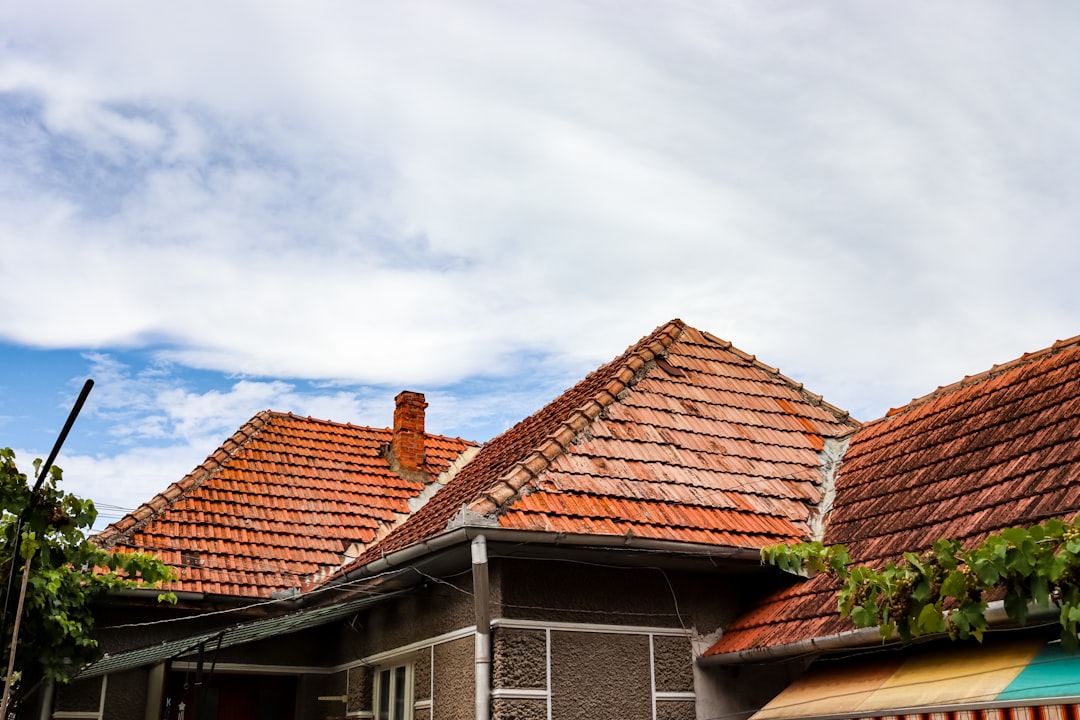
House Hail Damage Insurance Claim: A Roofer's Complete Guide After 15 Years and 2,000+ Projects
I have been a licensed roofing contractor for over fifteen years. I have completed more than two thousand roofing projects across Texas. I hold certifications from major manufacturers like GAF and Owens Corning. This experience taught me the real challenges homeowners face after hail storms. This article exists to solve a specific problem. Many homeowners feel lost when dealing with hail damage and insurance companies. They do not know where to start or who to trust. This guide answers your most pressing questions. It provides a clear, step-by-step path to recovery. I wrote this based on hundreds of customer projects and direct work with insurance adjusters. The information comes from field experience, manufacturer specifications, and building code requirements. My goal is to save you time, stress, and money. Let's get your roof and your life back to normal.
Understanding Hail Damage: What Insurance Companies Actually Look For
Hail damage is not always obvious from the ground. Small dents can cause big problems over time. Insurance adjusters look for specific types of damage. They need clear evidence to approve your claim. Knowing what they look for helps you prepare.
The Different Types of Hail Damage on Roofs
Hail impacts roofs in several ways. Functional damage affects the roof's ability to protect your home. Cosmetic damage only affects appearance. Insurance typically covers functional damage. A common type is bruising. This is when the hail hits and damages the asphalt mat inside the shingle. The shingle granule surface may look intact. But the mat underneath is compromised. This leads to premature aging and leaks. Another type is fracture. This is a visible crack or split in the shingle. Fractures are clear signs of functional damage. Granule loss is also a key indicator. Hail knocks the protective granules off the shingle. This exposes the asphalt to sun and weather. The shingle will deteriorate quickly. Metal components like vents, flashing, and gutters will show dents. These dents can affect performance and water flow.
How to Spot Hail Damage Yourself (A Safe Checklist)
You should never climb onto a steep roof. Safety comes first. You can do a ground-level inspection first. Look for signs in your gutters and downspouts. After a hail storm, check for an accumulation of shingle granules. They look like coarse, black sand. Examine your window screens and soft aluminum window frames. They often show small dents from hail. Look at your air conditioning condenser unit. The thin metal fins are very sensitive to hail impacts. Check your car's hood and roof for fresh dents. This is a good indicator hail was large enough to damage your roof. Use binoculars to look at your roof from different angles. Look for dark spots or areas where the shingle color looks different. This often indicates granule loss. Look for shiny spots on the shingles. This is where granules are gone and the asphalt is exposed. Check for dents on your roof vents and metal chimney flashing. If you see several of these signs, it is time to call a professional roofer for a detailed inspection.
The Step-by-Step Insurance Claim Process: From Storm to Check
Filing an insurance claim can feel overwhelming. Following a clear process reduces stress. This is the exact sequence I recommend to my customers. It works for both residential and commercial properties.
Step 1: Immediate Actions After the Hail Storm
Your first priority is safety and documentation. Take photos and videos of the storm damage immediately. Capture hail on the ground next to a coin or ruler for scale. Photograph any visible damage to your roof, siding, gutters, and windows. Take wide shots of your entire property. Take close-up shots of specific damage. Make temporary repairs only to prevent further damage. For example, cover a broken skylight with a tarp. Keep all receipts for these emergency repairs. Your insurance policy may reimburse you. Do not make permanent repairs yet. Do not let a contractor start tearing off your roof. You must have the insurance adjuster's inspection first. Contact your insurance company to report the damage. Do this as soon as possible. Most policies have a time limit for reporting claims. Ask your agent about your specific policy details and deductible.
Step 2: The Professional Roof Inspection and Documentation
Hire a reputable, local roofing contractor for a thorough inspection. Choose a company with strong credentials and reviews. A good roofer will provide a detailed, written report. They should take high-resolution photos of all damage. They often use drones for safe, comprehensive assessments. The report should map the damage across the roof. It should note the size and frequency of hail hits per roofing square. This data is critical for the insurance claim. The roofer should also inspect for related damage. This includes attic ventilation, roof decking, and insulation. Ask the roofer to explain their findings to you clearly. A good contractor acts as your advocate. They help you understand the scope of work needed.
Step 3: Working with the Insurance Adjuster
The insurance company will send an adjuster to inspect your property. Schedule the adjuster's visit when your roofing contractor can be present. This is the most important tip I give homeowners. The contractor and adjuster can discuss the damage on-site. They can point out evidence the adjuster might miss. This collaboration leads to more accurate and complete claims. Provide the adjuster with your contractor's inspection report and photos. Walk the property with them. Be polite but firm about the documented damage. The adjuster will write their own estimate, called a scope of loss. This document lists all covered repairs and the insurance company's estimated cost. Review this scope carefully with your roofing contractor. Look for missing items or underestimated quantities.
Common Items Missing from Initial Insurance Scopes
Insurance adjusters sometimes miss key components. They may omit code-required upgrades. For example, if your roof decking is damaged, local building codes may require thicker plywood for replacement. They often underestimate the amount of starter shingles, hip and ridge cap shingles, or ice and water shield needed. They may not include costs for proper disposal of old materials (dump fees). They frequently miss ancillary damage to painting, landscaping, or interior ceilings from leaks. A knowledgeable contractor will prepare a line-item estimate to compare with the insurance scope. They will identify all discrepancies. This is called supplementing the claim. The contractor submits additional documentation to the insurance company for the missing items. This process is normal and expected. Do not let the insurance company tell you otherwise.
Choosing Roofing Materials: What Your Insurance Settlement Covers
Your insurance settlement is based on replacing your roof with materials of "like kind and quality." This does not always mean identical materials. You often have options. Understanding these options helps you make the best long-term decision for your home.
Asphalt Shingle Upgrades: From 3-Tab to Architectural
If your old roof used basic 3-tab shingles, you can usually upgrade to architectural (dimensional) shingles. You may need to pay the price difference. Architectural shingles are thicker and more durable. They have a longer manufacturer warranty, often 30 to 50 years. They also provide better wind resistance and a more attractive appearance. Brands like GAF Timberline or Owens Corning Duration are excellent choices. Your insurance will pay the replacement cost for your old 3-tab shingles. You pay the extra cost per square for the upgrade. This small investment significantly increases your roof's lifespan and curb appeal.
Understanding Insurance and "Matching" Issues
A major concern for homeowners is color matching. If your roof is only partially damaged, the new shingles must match the old, faded ones. This is often impossible. Most insurance policies have a "matching" provision. If matching shingles are not available, they may cover replacement of the entire roof slope or even the whole roof. This prevents a patchwork look. Review your policy's language on matching. Discuss this with your adjuster and contractor early. If only one slope is damaged, replacing just that slope with a slightly different color may decrease your home's value. A full roof replacement is usually the better outcome.
Ventilation and Code Compliance: Critical Upgrades
Building codes have changed over the years. Your old roof likely does not meet current code requirements. The International Residential Code (IRC) mandates proper attic ventilation. Insurance should cover code-required upgrades. This includes adding ridge vents, soffit vents, or powered attic fans if your old system was inadequate. Proper ventilation extends shingle life and reduces energy costs. It prevents ice dams in winter and moisture buildup in summer. Ensure your contractor's estimate includes bringing the entire roof system up to current code. This is not an upgrade. It is a requirement.
Selecting the Right Roofing Contractor: Red Flags and Green Lights
Your choice of contractor determines everything. A good contractor guides you through the claim. A bad contractor causes nightmares. Here is how to tell the difference based on fifteen years in the field.
Essential Credentials and Certifications
Always choose a licensed, insured, and local contractor. Verify their license with your state's licensing board. Ask for proof of both liability insurance and workers' compensation insurance. This protects you if an accident occurs on your property. Look for manufacturer certifications. Certifications from GAF (Master Elite), Owens Corning (Platinum Preferred), or CertainTeed (SELECT ShingleMaster) show training and commitment. These manufacturers often offer enhanced warranties when their certified installers do the work. Check the contractor's standing with the Better Business Bureau. Read online reviews on multiple platforms. Ask for local references and addresses of recent jobs. Drive by to see their work in person.
Contractor Red Flags: Warning Signs to Avoid
Storm chasers are a major problem after hail events. These are out-of-town crews that follow storms. They often leave town when work is done, making warranty service impossible. Avoid contractors who knock on your door unsolicited. Avoid those who offer to pay your insurance deductible. This is illegal in many states and a sign of fraud. Avoid contractors who pressure you to sign a contract immediately. Avoid those who ask for full payment upfront. A reputable contractor only requests a deposit to schedule materials. The final payment is due upon completion and your satisfaction. Never sign an "assignment of benefits" (AOB) form without legal advice. This form signs your insurance benefits over to the contractor. It can lead to serious problems.
The Importance of a Detailed, Written Contract
Your contract is your protection. It must be specific. It should list the exact manufacturer, product line, and color of all materials. It should specify the underlayment type (synthetic or felt). It should detail the ventilation plan. It must include start and completion dates. It should list the payment schedule. It must include a clause for handling unforeseen repairs, like rotten decking. The cost for decking replacement should be listed as "T&M" (Time and Materials) at a defined rate. The contract should state who obtains permits. It should specify cleanup and disposal procedures. It must include warranty information for both materials and labor. Read every line. Do not proceed without a complete contract.
Real Project Case Studies: Lessons from the Field
Real examples show how the process works. These case studies are from my own customer files. Names and specific addresses are changed for privacy.
Case Study 1: The Supplement That Doubled the Claim
A homeowner in Kingwood had a severe hail storm. The initial insurance adjuster's scope was for $8,500. It only included shingles and basic labor. My inspection found cracked roof decking on 40% of the roof. Local code required thicker decking for replacement. We also found damaged attic baffles and inadequate ventilation. The gutters were also dented and pulling away. We documented everything with photos and measurements. We submitted a supplemental claim for these items. The insurance company approved the supplement. The final settlement was $16,200. The homeowner got a complete, code-compliant roof system. They only paid their deductible. The lesson: a thorough inspection and knowledgeable supplement process are vital.
Case Study 2: The Matching Dilemma and Full Replacement
A homeowner had a 15-year-old roof with discontinued shingle color. Only the rear slope had significant hail damage. The insurance company's first offer was to replace only that slope. The new shingles would not match the faded front slope. We reviewed the policy's matching clause with the homeowner. We helped them submit a request for a full roof replacement based on appearance. We provided manufacturer documentation that the color was discontinued. We included photos showing the stark visual difference. The insurance company ultimately approved a full roof replacement. The homeowner avoided a patchwork roof that would hurt resale value. The lesson: know your policy and advocate for a quality outcome.
Frequently Asked Questions (FAQ)
How long do I have to file a hail damage insurance claim?
Most insurance policies require you to report damage "promptly" or "within a reasonable time." This is often interpreted as within one year of the storm. However, you should file immediately. Delaying can give the insurance company reason to deny your claim. They may argue the damage worsened due to your neglect. Contact your agent as soon as you suspect damage.
Will filing a claim make my insurance rates go up?
Maybe, but not always. Hail damage is typically considered an "act of God" or catastrophic event. These claims often have less impact on your rates than claims for negligence (like a water leak). However, if you file multiple claims in a short period, you may see an increase. It is always best to discuss this directly with your insurance agent. They can explain your company's specific guidelines.
What if my insurance claim is denied?
Do not panic. You have the right to appeal. First, ask for a detailed explanation in writing. Review the reason for denial with your roofing contractor. Often, denials happen due to lack of evidence. Your contractor may be able to provide more detailed documentation. You can request a re-inspection with a different adjuster. You can also hire a public adjuster. A public adjuster works for you, not the insurance company. They charge a percentage of the final settlement. As a last resort, you can file a complaint with your state's department of insurance.
Does insurance cover the full cost of a new roof?
It depends on your policy. Most homeowners have "Replacement Cost Value" (RCV) coverage. The insurance company pays the actual cost to replace your roof, minus your deductible. They often issue two payments. The first check is for the Actual Cash Value (ACV). This is the replacement cost minus depreciation for the age of your old roof. After the work is complete, you submit the final invoice to the insurance company. They then issue the second check for the recoverable depreciation. You must complete the repairs to get the full RCV amount.
Should I get multiple estimates from roofing contractors?
Yes, you should get at least two or three detailed estimates. This helps you compare scope, materials, and professionalism. However, do not choose a contractor based on price alone. The insurance company determines the payment amount. Your deductible is your only out-of-pocket cost (unless you choose upgrades). Therefore, the lowest bidder is not necessarily the best choice. Choose the contractor with the best reputation, communication, and proposed materials.
What is the typical timeline from storm to completed repair?
The timeline varies based on storm severity and contractor schedules. After a major regional hail event, contractors get very busy. A typical timeline is: Inspection within a week. Insurance adjuster visit within two weeks. Receiving the insurance scope and first check within three to four weeks. Scheduling the repair can take another two to six weeks, depending on material availability. The actual installation takes two to four days for a standard home. The entire process often takes two to three months. Patience is important, but so is persistence.
Can I keep the leftover money from my insurance settlement?
No, you should not. The insurance settlement is intended to pay for the repairs. If you do not complete the repairs, you may violate your policy terms. If you have a mortgage, your lender may require the work to be done. They often co-endorse the insurance check. If you have a future claim, the insurance company will note the previous unrepaired damage. This could lead to a denial. Use the settlement money to fix your roof properly.
Conclusion: Your Path Forward After Hail Damage
Dealing with hail damage is stressful. But you are not alone. Use this guide as your roadmap. Start with a professional inspection from a trusted local contractor. Document everything thoroughly. Work with your contractor to present a strong case to the insurance adjuster. Choose quality materials and a reputable installer. Your roof is your home's first line of defense. A proper repair restores your safety and peace of mind. Do not rush the process. Make informed decisions at each step. Your goal is a durable, code-compliant roof that will protect your family for decades. If you are in the Kingwood area or greater Texas region, feel free to reach out for more specific advice. Good luck on your recovery journey.