
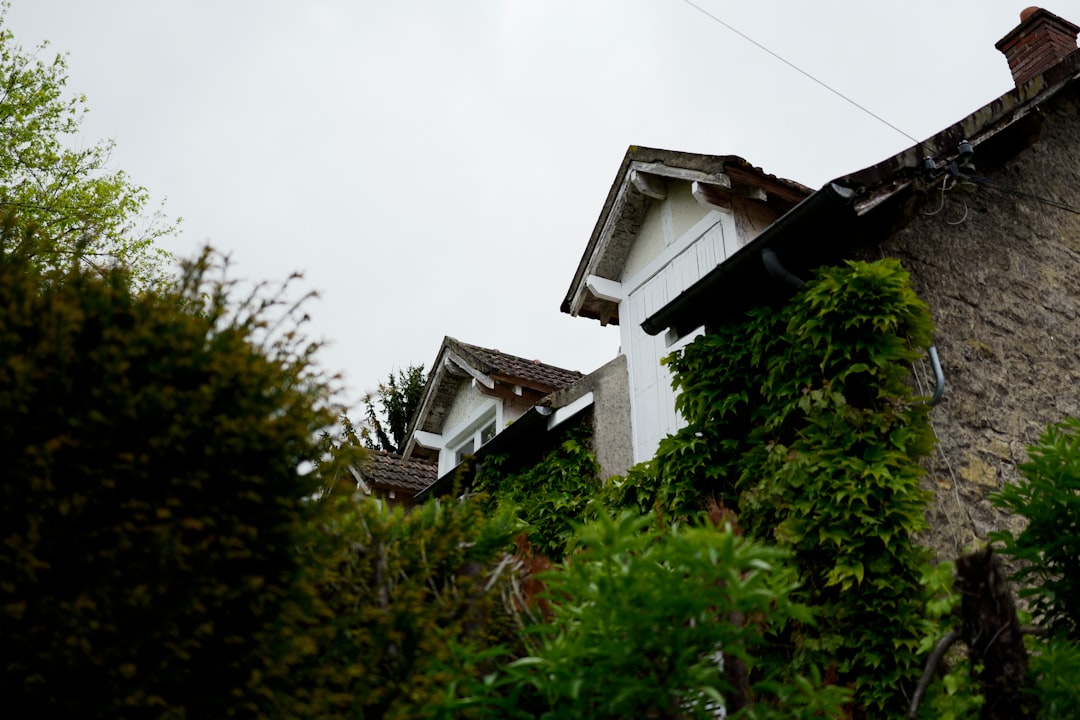
Home Insurance Roof Deductible Explained: A Roofer's 20-Year Perspective on What Really Matters
I have been a licensed roofing contractor for over twenty years. My team has completed more than 3,500 roofing projects across Texas. We hold certifications from major manufacturers like GAF and CertainTeed. This article exists because I have seen too many homeowners confused and stressed about their insurance roof deductible. They often ask me the same question right after a storm: "Will my insurance cover this, and how much will I actually have to pay?" This guide solves that problem. It gives you clear, honest answers so you can make smart decisions without fear.
The information here comes directly from my daily work. It is based on hundreds of conversations with insurance adjusters. It is built from reviewing thousands of insurance claim documents for my customers. I have studied manufacturer installation guidelines and local building codes, like the International Residential Code (IRC). My goal is to share this real-world knowledge with you. I want to help you understand your policy, protect your investment, and avoid costly mistakes.
What Is a Home Insurance Roof Deductible? The Simple Truth
A deductible is the amount of money you agree to pay out of your own pocket when you file a claim. Your insurance company pays for the damage that exceeds this amount. Think of it as your share of the repair cost. It is a key part of your insurance contract. Understanding your deductible is the first step to managing a roof repair after damage.
Percentage Deductible vs. Flat Dollar Deductible
There are two main types of deductibles for roofs. A flat dollar deductible is a fixed amount, like $1,000 or $2,500. A percentage deductible is based on your home's insured value. For example, if your home is insured for $400,000 and you have a 1% wind/hail deductible, you would pay $4,000. In storm-prone areas like Texas, percentage deductibles for wind and hail are very common. You must check your policy's declarations page to know which type you have.
Why Roof Deductibles Are Different
Many policies have separate deductibles for different perils. You might have a standard $1,000 deductible for a fire. But you could have a much higher 1-5% deductible specifically for wind or hail damage. This is because roof claims from storms are very frequent and expensive for insurers. This distinction is critical. A small hail storm might cause $5,000 in damage. If your wind/hail deductible is 2% on a $300,000 home, that's $6,000. In this case, the repair cost is less than your deductible, so filing a claim does not make financial sense.
How Roof Deductibles Work with Actual Storm Damage Claims
Let me walk you through a real example from last spring. A customer in Kingwood had a roof damaged by a hailstorm. Their home was insured for $350,000. Their policy had a 1% wind/hail deductible. That meant their out-of-pocket cost was $3,500. My inspection found damage requiring a full roof replacement. The insurance adjuster agreed and wrote an estimate for $15,000. The customer paid their $3,500 deductible directly to my company. The insurance company sent the remaining $11,500 to the homeowner. They then paid us to complete the work.
The Role of Depreciation and Recoverable Cash Value (RCV)
Insurance claims often involve two payment amounts. The first is the Actual Cash Value (ACV). This is the replacement cost minus depreciation for the age of your old roof. The second is the Replacement Cost Value (RCV). This is the full amount to install a new roof. Many policies pay the ACV amount first, minus your deductible. After the work is complete and proven, they release the "recoverable depreciation." This is the difference between ACV and RCV. You must understand this process to manage your cash flow during a repair.
When Filing a Claim Makes Sense (And When It Doesn't)
Filing a claim is not always the right move. As a rule of thumb, if the repair cost is less than 1.5 times your deductible, think carefully. Filing a small claim can lead to higher premiums. It might even cause non-renewal of your policy. I advise customers to get a professional inspection first. We can give you a repair estimate. Then you can compare it to your deductible before ever calling your insurance company. This proactive step saves many homeowners from unnecessary claims.
Real Costs: Project Examples and What Homeowners Actually Paid
Let's look at real numbers from my project files. These examples show how deductibles change the final cost for the homeowner. Names and exact addresses are changed for privacy.
Case Study 1: The Hail Storm in Atascocita. Home insured for $425,000. Wind/Hail deductible: 2%. Deductible amount: $8,500. Total approved claim for a full architectural shingle roof: $18,200. Homeowner's cost: $8,500. Insurance payment: $9,700. The homeowner used savings to cover their deductible. They chose to upgrade to a Malarkey Legacy shingle for better impact resistance, paying a small upcharge.
Case Study 2: Wind Damage in Spring. Home insured for $275,000. Flat dollar deductible: $2,500. Damage was isolated to several roof facets and the ridge. Repair estimate: $4,800. Homeowner's cost: $2,500. Insurance payment: $2,300. In this case, the repair was feasible. The homeowner filed the claim because the net benefit ($2,300) was meaningful.
Case Study 3: Minor Hail in The Woodlands. Home insured for $500,000. Wind/Hail deductible: 1%. Deductible amount: $5,000. Our inspection found only cosmetic granule loss on a 5-year-old roof. Repair estimate for monitoring and minor repairs: $1,200. We advised against filing a claim. The repair cost was far below the deductible. Filing would have risked a premium increase for no financial gain.
Choosing Roofing Materials: How Your Deductible Affects Your Options
Your deductible is a fixed cost. The insurance settlement is the other part of the budget. Sometimes, there is a gap. The insurance company pays for a "like kind and quality" replacement. If you had a basic 3-tab shingle, they will pay for that. If you want a better, more durable material, you will pay the difference. This is called an upgrade or betterment.
Asphalt Shingles: The Standard Choice
Most insurance claims cover asphalt shingles. There are big differences in quality. Basic 3-tab shingles last 15-20 years. Architectural or dimensional shingles last 25-30 years. Premium laminated shingles can last 30-50 years and have stronger warranties. Brands like IKO and Owens Corning are common. If your insurance pays for a standard shingle, you can apply your deductible and maybe add more money to get a superior product. This is often a wise investment.
Impact-Resistant Shingles and Potential Discounts
Some shingles are rated for impact resistance (Class 3 or 4). These are tested to withstand hail. Manufacturers like CertainTeed offer these products. Installing them may qualify you for an insurance premium discount. You should ask your agent. Using your claim as an opportunity to install a more resilient roof can save money long-term. It can also reduce the chance of future damage and claims.
The Roof Replacement Process: A Step-by-Step Guide from Claim to Completion
Here is the proven process we follow with our insurance claim customers. This ensures a smooth experience and protects your interests.
- Document the Damage and Contact a Roofer First. Take photos of any visible damage from the ground. Do not get on the roof. Call a reputable, licensed roofer for a free inspection. A good contractor can spot subtle hail or wind damage.
- Review the Professional Estimate. Your roofer should provide a detailed, line-item estimate. This estimate should follow local code and manufacturer requirements. Compare this cost to your deductible. Decide if filing a claim is worthwhile.
- File the Insurance Claim. If you proceed, call your insurance company. Provide the date of loss (the storm date) and a brief description. They will assign a claim number and an adjuster.
- The Adjuster's Inspection. Your roofing contractor should be present for this meeting. They can point out damage the adjuster might miss. They can also explain why certain repairs are necessary to meet code.
- Review the Insurance Scope of Loss. The adjuster will write an estimate. Your roofer should review this document carefully. They will check for missing items, incorrect measurements, or under-valued materials. This is called supplementing the claim.
- Sign the Contract and Schedule the Work. Once the insurance scope and final price are agreed upon, sign a contract with your roofer. The contract should clearly state the work, materials, warranty, and payment terms related to the deductible and insurance funds.
- Roof Installation and Final Inspection. The crew completes the work. A final inspection is done by the roofer and often by the homeowner. All debris is removed from the property.
- Submit Completion Paperwork. Your roofer provides documentation to you and the insurance company. This usually includes final invoices and photos. This triggers the release of any recoverable depreciation owed to you.
Practical Tips for Homeowners: Wisdom from the Roof
Here is my best advice, gathered from thousands of projects. These tips will save you time, money, and stress.
- Know Your Policy Before Disaster Strikes. Do not wait for a storm. Pull out your policy now. Find your declarations page. Look for the deductibles, especially for wind and hail. Call your agent if anything is unclear. Knowing your 1% or 2% deductible amount today prevents shock tomorrow.
- Build a Deductible Fund. Treat your deductible like a necessary home maintenance cost. If you have a $5,000 deductible, try to keep that amount in a savings account. This gives you peace of mind and the ability to act quickly when needed.
- Work with a Local, Reputable Contractor. Choose a roofer with strong references and proper licensing. They should be comfortable working with insurance claims. Avoid door-knockers who show up right after a storm with high-pressure tactics. A good roofer is your advocate with the insurance company.
- Never Pay Your Deductible to the Roofer Upfront. Your deductible is your responsibility to your insurance company. A dishonest roofer might offer to "waive your deductible" or "cover it" for you. This is often insurance fraud. It is illegal in most states, including Texas. It can void your insurance policy and get you in legal trouble.
- Maintain Your Roof. Simple maintenance can prevent small problems from becoming big claims. Keep gutters clean. Trim overhanging tree branches. Have a professional inspection every 2-3 years. A well-maintained roof is more likely to survive a moderate storm.
Frequently Asked Questions (FAQ)
Can my insurance company refuse to renew my policy if I file a roof claim?
Yes, this is possible, especially if you file multiple claims in a short period. Insurance companies see you as a higher risk. In some cases, a single claim for a new roof might not cause non-renewal, but it can lead to a premium increase. This is why it's crucial to only file claims for significant damage that truly exceeds your deductible.
What if the insurance estimate is too low to cover a proper repair?
This is very common. The initial insurance estimate is often a starting point. Your roofing contractor should perform a detailed "supplement." They will document all necessary work and materials missing from the adjuster's scope. They then submit this supplement to the insurance company for review and additional payment. A good contractor knows how to do this effectively.
Does homeowners insurance cover roof leaks?
It depends on the cause of the leak. Insurance covers sudden, accidental damage from a covered peril. If a windstorm tears shingles and causes a leak, that is likely covered. If a leak develops slowly over years due to wear and tear or lack of maintenance, it is typically not covered. Your policy is not a maintenance warranty.
Should I get multiple roofing estimates before filing an insurance claim?
Yes, but with a specific purpose. Get one or two estimates from highly reputable local roofers. Use these estimates to understand the probable repair cost. Compare this cost to your deductible. This information helps you decide whether to file a claim. Do not shop for 5 or 6 estimates; this delays the process and confuses the issue.
What is "matching" and will my insurance pay for it?
Matching refers to replacing undamaged roofing materials so the entire roof looks uniform. If your shingles are discontinued and cannot be matched, you may need to replace more than just the damaged section. Insurance policies vary on matching. Some pay for it, some do not, and some pay only if it's a small percentage of the roof. Your policy language and state law determine this.
How long do I have to file a claim after storm damage?
Most policies require you to file a claim within one year of the date of loss (the storm date). However, you should act much faster. Damage can worsen over time. Evidence can become less clear. Contact a roofer for an inspection within a few weeks of a suspected storm. Then file promptly if needed.
Can I keep the leftover money from an insurance claim?
If you have a Replacement Cost Value (RCV) policy and the insurance company pays you directly, the money is yours to complete the repairs. If you hire a contractor for less than the insurance settlement, you may have leftover funds. However, you must complete the repairs as specified. If you do not, and another loss occurs, the insurer may only pay the depreciated value (ACV) next time.
Industry Statistics and Data: Understanding the Big Picture
According to the Insurance Information Institute, wind and hail losses account for a huge portion of homeowners insurance claims. In some years, they represent over 40% of all insured catastrophe losses. The National Fire Protection Association (NFPA) notes that weather-related roof failures are a leading cause of water damage inside homes. A study by roofing material manufacturers shows that impact-resistant shingles can reduce hail damage claims by up to 60%. This data shows why insurers are careful with roof claims and why understanding your policy is so important for your financial protection.
Conclusion: Your Action Plan for Roof and Insurance Confidence
Your roof is your home's first line of defense. Your insurance is your financial safety net. Understanding your roof deductible is the link between them. Do not be caught unprepared. Take these three steps this week. First, locate your insurance policy and identify your deductibles. Second, research and save the contact information for two reputable local roofing contractors. Third, consider scheduling a routine roof inspection to understand its current condition. Knowledge is power. Being informed turns a stressful storm event into a manageable project. You can protect your home and your wallet with the right information and the right professional partner.