
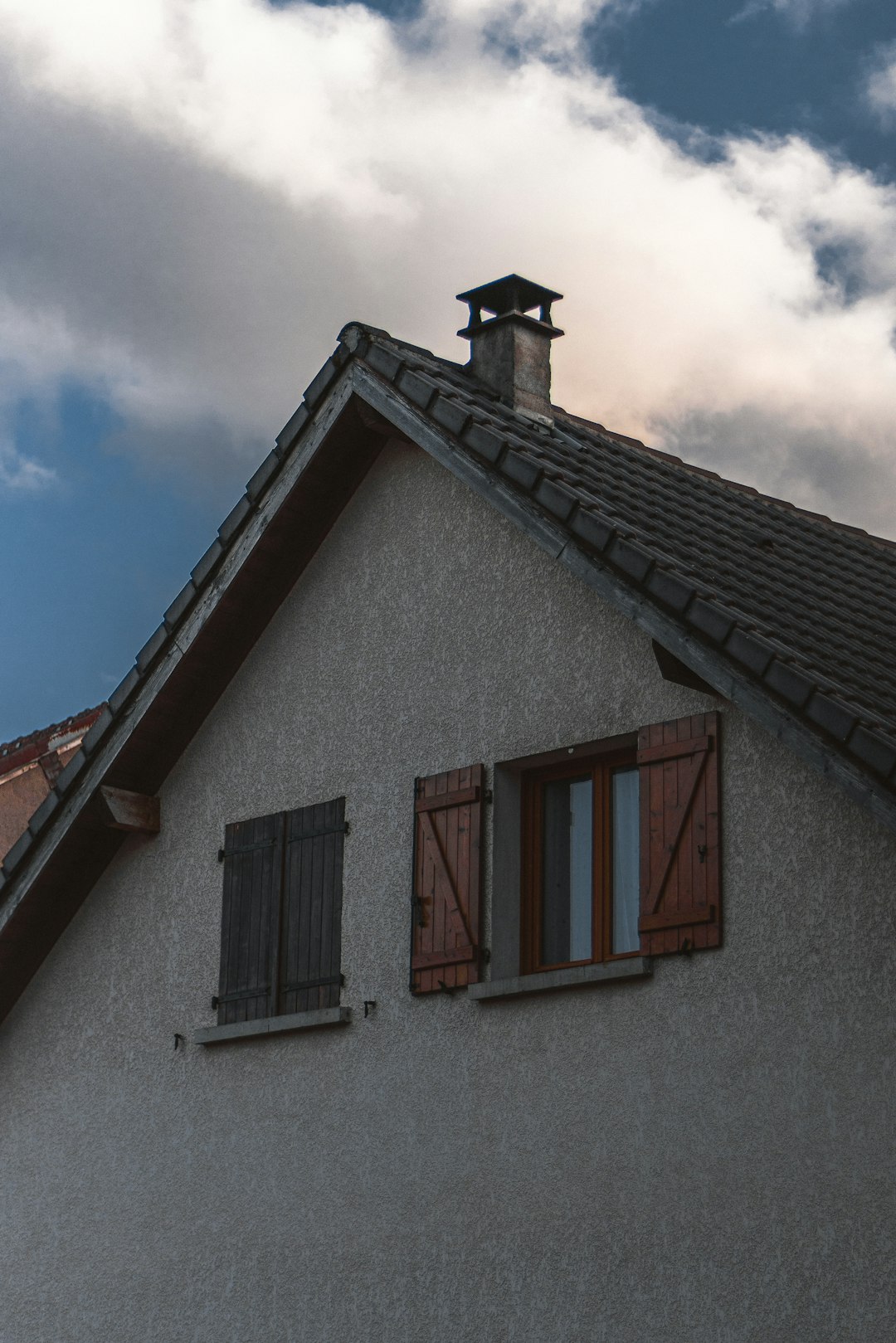
Hail Damage Insurance Claim Old Roof: A 25-Year Roofer's Complete Guide to Getting Your Claim Approved
My name is Mark, and I've been installing and repairing roofs across Texas for over twenty-five years. I've personally supervised more than 3,000 roofing projects and hold certifications from leading manufacturers like GAF and Owens Corning. This experience has given me a front-row seat to the confusion and stress homeowners face when hail damages an older roof. This article exists to solve one specific, painful problem: the fear that your insurance company will deny your hail damage claim because your roof is old. I've seen too many good people get lowballed or denied simply because they didn't know the rules of the game. My goal is to give you the same knowledge a seasoned roofing contractor uses when advocating for a homeowner, turning a complex, intimidating process into a clear, actionable plan. The information here comes directly from hundreds of claim negotiations, manufacturer installation guidelines, and the International Residential Code (IRC) that governs roof durability. I'll explain not just what to do, but the methodology and reasoning behind each step, so you can approach your claim with confidence and integrity.
Understanding Hail Damage on an Aging Roof System
Hail doesn't damage new and old roofs the same way. An older roof has weathered years of sun, rain, and thermal cycling, which makes its components more brittle and vulnerable. The key to a successful insurance claim is proving that the damage is sudden and accidental from a specific storm event, not just normal wear and tear. Insurance covers the latter, but not the former. From the contractor's perspective, we look for specific, measurable signs that separate storm damage from age-related deterioration.
What Real Hail Damage Looks Like vs. Normal Aging
Genuine hail damage creates distinct, random impact marks. On asphalt shingles, look for dark bruises where the granules have been knocked off, exposing the black asphalt mat underneath. These bruises are often soft to the touch. You may also see circular cracks in the shingle surface. On an old roof, these marks will be fresh and not uniform. Normal aging, in contrast, shows as general granule loss across entire slopes, curling or cupping shingle edges, and widespread brittleness. A critical point from the field: one or two hail hits per roofing square (a 10'x10' area) is often not enough for a full replacement claim. Insurance adjusters and contractors typically follow a threshold, often looking for 8-10 functional hits per square to justify replacement. This is why a professional inspection is vital.
The Hidden Damage: Flashing, Vents, and Gutters
Homeowners and inexperienced adjusters often focus only on shingles. A seasoned roofer knows to inspect all ancillary components. Hail can dent metal roof flashing, crack plastic plumbing vent boots, and damage ridge vents. It can also put small pinholes in soft metal valleys or severely dent aluminum gutters and downspouts. This collateral damage is part of your claim and strengthens the case for a full roof system repair. We always document these items with close-up photos, as they are clear evidence of a high-impact storm.
The Insurance Claim Process for an Older Roof: Step-by-Step
Navigating a claim with an older roof requires a strategic approach. The age of your roof will be the insurance company's first point of contention. Your job is to build an undeniable case that the storm caused functional damage that compromises the roof's integrity. This process is based on proven methods from countless successful claims.
Step 1: The Initial Documentation & Professional Inspection
Do not get on your roof after a storm. It is dangerous, especially if damaged. Your first step is safe, ground-level documentation. Use your phone or camera to take clear pictures of your property. Photograph any visible dents on gutters, downspouts, window screens, air conditioner fins, and siding. Note the date and time. Then, immediately contact a reputable, local roofing contractor for a free inspection. Choose a contractor with strong credentials and reviews, not just a storm chaser. A good contractor will provide a detailed report with photos, diagrams, and an estimate for repairs. This professional assessment is your foundational document. It proves damage exists before you even file the claim.
Step 2: Filing the Claim & The Adjuster's Visit
Contact your insurance company to file the claim. Be factual: report hail damage from the storm on [date]. They will assign an adjuster. When the adjuster arrives, have your roofing contractor present. This is non-negotiable. The contractor acts as your technical advocate. They can point out damage the adjuster might miss and explain why it matters. They can discuss local building codes, like those requiring a certain number of nails per shingle, which old roofs often don't meet. If the shingles are discontinued and don't match, that's another point for full replacement. The adjuster's initial estimate is often a starting point for negotiation, not a final decree.
Step 3: Reviewing the Estimate & Negotiating for Full Value
The insurance company will send you a detailed estimate, often called a scope of loss. Go through it line by line with your contractor. Common issues on old roof claims include: depreciation being too high, missing necessary items like synthetic underlayment or ice and water shield, or undervaluing the cost of materials and labor in your current market. Your contractor can help you write a formal letter of disagreement, attaching their estimate and supporting photos. Reference manufacturer installation requirements, like those from the Asphalt Roofing Manufacturers Association (ARMA), to justify upgraded materials. The negotiation is about aligning the scope with what it truly costs to restore your home to a pre-loss condition with a quality, code-compliant roof.
How Roof Age & Depreciation Affect Your Claim Payout
This is the core financial equation for an old roof claim. Most homeowners policies use a concept called Actual Cash Value (ACV) or Replacement Cost Value (RCV). Understanding the difference is the key to knowing what you'll actually pay.
Actual Cash Value (ACV) vs. Replacement Cost (RCV)
If you have an ACV policy, the insurance company pays the replacement cost minus depreciation for your roof's age. For a 15-year-old roof with a 20-year lifespan, they might depreciate it by 75%. You would only receive 25% of the replacement cost, leaving you with a massive out-of-pocket bill. An RCV policy is far superior for older roofs. With RCV, the insurance company pays the full cost to replace the roof with one of like kind and quality, once the work is complete. They often issue an initial check for the ACV amount, then a second check for the recoverable depreciation after you prove the roof has been replaced. Always know which type of coverage you have before a storm hits.
Overcoming Excessive Depreciation Arguments
Insurance companies may try to apply heavy depreciation, arguing your roof was at the end of its life. Your counter-argument rests on functionality. A roof can be old but still functional until a storm renders it non-functional. The hail damage is a covered peril that caused a sudden loss. We use manufacturer warranties as a benchmark. For example, if the shingles had a 30-year prorated warranty and were 20 years old, the remaining value can be part of the discussion. The goal is to prove the storm, not time, caused the immediate need for replacement.
Material Choices When Replacing an Old Roof After a Claim
A successful claim gives you a rare opportunity: a mostly paid-for roof replacement. This is the time to make smart upgrades that improve durability, energy efficiency, and home value. Based on hands-on installation of countless products, here is a practical comparison.
Asphalt Shingle Upgrades: Architectural vs. 3-Tab
If your old roof had basic 3-tab shingles, upgrading to architectural (dimensional) shingles is a wise investment. Architectural shingles are thicker, have a longer warranty (often 50 years), and provide a more dimensional, attractive look. They are also more impact-resistant. Brands like GAF Timberline HDZ or Owens Corning Duration offer superior algae resistance and wind warranties. From a contractor's view, they install in a similar manner but result in a far more robust roof system. The cost difference on an insurance claim is often minimal for the homeowner, as the insurance pays based on a reasonable market rate for a quality roof.
Investing in Superior Underlayment
This is where you can add tremendous hidden value. Most insurance estimates will include basic #15 felt underlayment. You can and should request an upgrade to synthetic underlayment. Products like GAF Tiger Paw or Owens Corning ProArmor are stronger, more water-resistant, and provide a safer walking surface for installers. More critically, discuss adding ice and water shield. This self-adhering membrane is required by code in cold climates in eaves and valleys, but adding it to the entire roof deck provides an exceptional secondary water barrier. It's one of the best upgrades for long-term leak protection.
Practical Tips from Hundreds of Claim Projects
These insights come from being on the roof and in the meeting room with homeowners and adjusters. They are designed to save you time, money, and frustration.
- Get Everything in Writing: All communication with your insurance company and contractor should be via email or documented letters. Verbal promises are not enforceable.
- Do Not Cash the First Check Blindly: The first check from your insurer is often for the Actual Cash Value. Cashing it can sometimes be interpreted as accepting their full and final settlement. Deposit it, but do not consider the claim closed until you are satisfied.
- Understand Code Upgrades: If your local building code has changed since your roof was installed (e.g., requiring more nails or different ventilation), your insurance policy may cover the cost to bring the roof up to code. This is called an Ordinance or Law coverage. Check your policy.
- Be Wary of "Sign Now" Offers: Some contractors may pressure you to sign a document assigning your insurance benefits directly to them. Do not do this without legal advice. It removes your control over the funds and the process.
- Check for Matching Issues: If only one section of your roof is damaged, but the shingles are discontinued and cannot be matched for color, most policies will cover replacement of the entire roof slope for aesthetic uniformity. This is a powerful point for older roofs.
Frequently Asked Questions from Real Homeowners
Will my insurance company drop me if I file a hail claim on my old roof?
It is possible, but not guaranteed, especially for a first claim. Insurance companies assess risk. An old roof that has been replaced with a new one actually makes your home a lower risk. However, multiple claims in a short period can lead to non-renewal. It's always best to discuss your specific situation with your insurance agent before filing, if possible.
My adjuster said the damage is just "cosmetic." What does that mean?
"Cosmetic damage" refers to damage that does not affect the shingle's ability to shed water. A small dent in the middle of a shingle might be deemed cosmetic. However, on an old, brittle roof, what looks cosmetic can easily crack and become a leak over time. A good contractor will argue that any fracture compromises the functional lifespan of the shingle, turning cosmetic damage into functional damage.
How long do I have to file a hail damage claim?
This varies by state and policy, but it's typically one year from the date of the storm. Do not wait. The longer you wait, the harder it is to prove the damage was from a specific storm and not general wear and tear. Start the process immediately.
Can I repair just the damaged sections instead of replacing the whole roof?
Technically yes, but it's often not advisable for an older roof. Patches can create uneven wear and may not match. More importantly, if the rest of the roof fails in a year, you've spent your insurance money and will pay fully out-of-pocket for the full replacement later. A full replacement after a major hail event is usually the most financially sound long-term decision.
What if my insurance claim is denied?
First, request a detailed denial letter explaining the reasons. Then, you can appeal. You can hire a public adjuster (a licensed professional who works for you, not the insurance company) to re-evaluate the damage. You can also contact your state's department of insurance to file a complaint. Having a detailed report from a reputable roofing contractor is your strongest tool in an appeal.
Real Project Case Study: A 22-Year-Old Roof in Kingwood
In the spring of 2023, a severe hailstorm hit the Kingwood area. A homeowner with a 22-year-old 3-tab roof called us. The insurance adjuster's initial inspection noted only 4-5 hail hits per square and cited the roof's age, offering an ACV payout of only $2,800. We performed our own inspection, documenting over 12 functional hits per square on the south-facing slopes, severe granule loss in the bruises, and dents to the aluminum ridge vent. We also noted the shingle brand was discontinued. We compiled a report with photos, a map of the damage, and a code-compliant estimate for a full roof replacement with architectural shingles and synthetic underlayment. The homeowner submitted this to the insurance company with a request for re-inspection. A senior adjuster was sent out, agreed with our assessment, and the claim was re-scoped as a full Replacement Cost Value claim. The final approved amount was $18,500. The homeowner paid only their deductible. The new roof included upgraded materials and came with a 50-year manufacturer warranty.
Industry Statistics & The Importance of Acting
According to the Insurance Information Institute, hail causes nearly $22 billion in damage to property and crops annually in the United States. The National Oceanic and Atmospheric Administration (NOAA) reports that Texas consistently leads the nation in hail-related insurance claims. A study by the Roofing Industry Committee on Weather Issues (RICOWI) found that hail damage can significantly reduce the remaining service life of a roof, even if it doesn't cause an immediate leak. This data underscores that hail is a serious, costly peril and that proactive assessment after a storm is crucial, especially for older roofs already under stress.
Conclusion: Your Path Forward
Dealing with hail damage on an old roof is challenging, but it is a winnable battle. The process hinges on knowledge, documentation, and professional advocacy. Remember, your insurance policy is a contract. You have paid premiums for coverage against events like hail storms. Do not let the age of your roof intimidate you into accepting less than you are entitled to. Start by getting a professional, documented inspection from a trusted local contractor. Use that report to build your case. Understand your policy's details—RCV vs. ACV. And never navigate the adjuster's visit alone. A quality roofing professional is your guide and technical expert. The outcome should be a full, code-compliant roof replacement that protects your home for decades, with you paying little more than your deductible. Take the first step today by scheduling that inspection. Your home is your most valuable asset; defend it with confidence.