
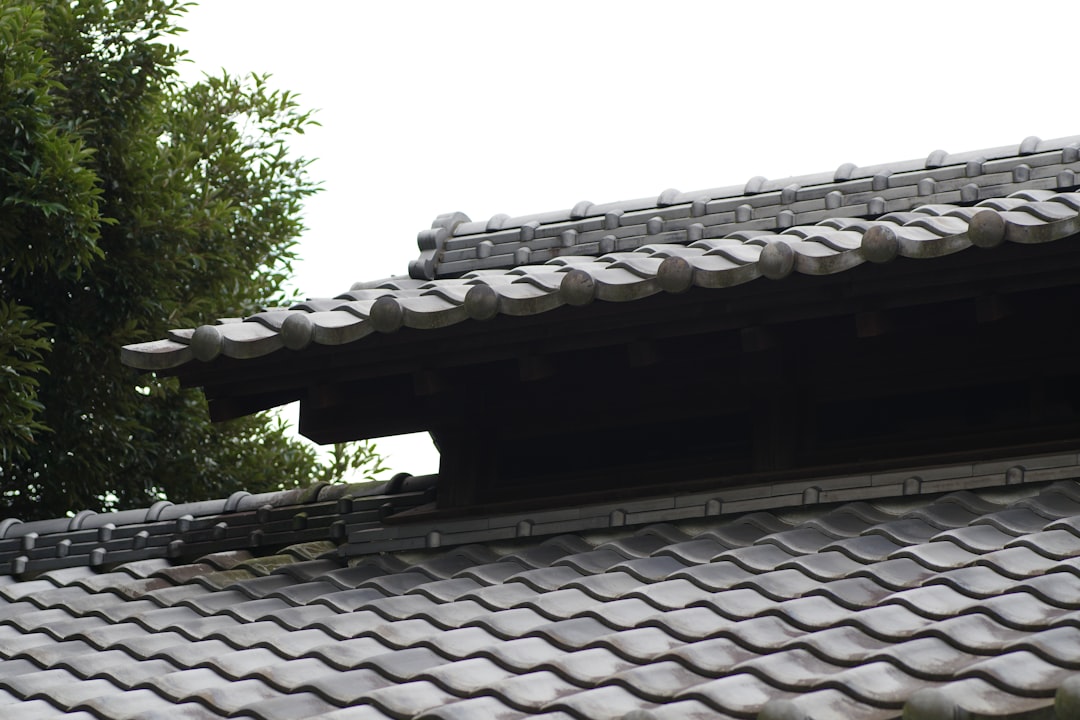
Claiming on House Insurance for Roof Leak: Your Complete Guide from a Texas Roofer
I have been a licensed roofing contractor in Texas for over fifteen years. During that time, I have personally managed or inspected more than two thousand roofing projects. I hold certifications from major manufacturers like GAF and CertainTeed. I have helped hundreds of homeowners navigate the confusing process of filing an insurance claim for a roof leak. This article exists because I have seen too many good people get denied or underpaid. They face stress and financial strain simply because they did not know the right steps to take. My purpose here is to give you the same knowledge I share with my own customers. I want to empower you to protect your home and your investment with confidence.
The information in this guide comes directly from my experience on job sites across Kingwood and the greater Houston area. It is built from real conversations with insurance adjusters, detailed reviews of policy documents, and the hard lessons learned from actual claims. I will reference specific building codes, like the International Building Code (IBC), and manufacturer installation requirements. My methodology is simple: show you what works based on proven results, not theory. This is the transparent, step-by-step advice I would give a friend or neighbor facing a leaky roof.
Understanding Your Homeowners Insurance Policy
Your insurance policy is a contract. Understanding its specific language is the first critical step to a successful claim. Most policies cover roof damage caused by sudden, accidental events. These are known as "perils." Common covered perils include wind, hail, lightning, and the weight of snow or ice. Damage from a tree falling on your roof during a storm is typically covered. Gradual wear and tear, however, is almost never covered. Insurance is designed for sudden accidents, not for replacing an old, worn-out roof.
Replacement Cost Value vs. Actual Cash Value
These two terms are crucial. Replacement Cost Value (RCV) means the insurance company will pay to replace your damaged roof with a new one of similar kind and quality. They will often pay the actual cash value first, then the remainder once repairs are complete. Actual Cash Value (ACV) pays you the replacement cost minus depreciation for the age and condition of your old roof. An ACV policy will give you significantly less money. You must check which type of coverage you have in your policy's declarations page.
Deductibles and Coverage Limits
Your deductible is the amount you pay out-of-pocket before insurance kicks in. If your repair estimate is $8,000 and your deductible is $1,500, the insurance company would pay $6,500. Know your deductible amount. Also, review your policy's coverage limits. There is a maximum amount the insurer will pay for a dwelling claim. Ensure this limit is high enough to cover a full roof replacement in your area. The Insurance Information Institute provides excellent resources on these concepts.
The Immediate Steps After Discovering a Roof Leak
Time is of the essence when water is entering your home. Your first priority is to prevent further interior damage. Place buckets under active leaks. Move furniture and valuables out of the way. Use towels to soak up water on floors. If the leak is severe, you may need to tarp the roof. This involves securing a heavy-duty waterproof tarp over the suspected damaged area. I recommend hiring a professional roofer for tarping, as improper installation can cause more damage. Document everything from the very beginning.
Documenting the Damage for Your Claim
Thorough documentation is your strongest tool. Use your smartphone or camera. Take clear, well-lit photos and videos of everything. Capture the exterior damage from multiple angles. Get close-ups of missing shingles, dented metal, or cracked tiles. Photograph the interior water stains on ceilings and walls. Show any damaged personal property. Note the date and time of the storm or event that caused the leak. Keep a written log of all your actions and communications. This visual evidence creates a clear timeline for the adjuster.
Making Temporary Repairs (And What to Avoid)
You have a duty to mitigate further damage. Temporary repairs like tarping are not only smart but often required by your policy. However, avoid making permanent repairs before the insurance adjuster's inspection. Do not replace shingles or seal the leak permanently. This could prevent the adjuster from seeing the original damage. Save all receipts for materials used in temporary repairs, like tarps and lumber. You can submit these for reimbursement as part of your claim.
How to File the Insurance Claim: A Step-by-Step Guide
Filing the claim correctly sets the tone for the entire process. First, contact your insurance company promptly. Most policies require you to report damage within a certain timeframe. You can usually start a claim online, through an app, or by phone. Provide a clear, factual description of the damage. For example: "A severe wind and hail storm on [date] caused multiple missing shingles on my roof, resulting in water leaks into my master bedroom." Avoid speculation about the cause; just state what you observed.
Working with the Insurance Adjuster
The insurance company will assign an adjuster to inspect your property. This person assesses the damage and writes an estimate. It is in your best interest to have your own roofing contractor present during this inspection. A professional roofer can point out damage the adjuster might miss. They can explain why certain repairs are necessary to meet local building codes. For instance, many Texas municipalities require specific wind-resistant installation methods per the Texas Building Code. Your contractor can advocate for a complete and fair scope of work.
Understanding the Adjuster's Estimate and Scope of Work
The adjuster will provide a detailed estimate, often using software like Xactimate. This document lists every repair item and its cost. Review it carefully with your roofing contractor. Common areas of discrepancy include the number of "squares" of roofing material needed, the cost of proper underlayment, and the inclusion of code-required items like ice and water shield in eaves. The estimate should also include line items for tear-off, disposal, and necessary ventilation work. Do not accept a "repair only" estimate if the roof's overall condition warrants a full replacement for proper performance.
Choosing the Right Roofing Contractor for an Insurance Job
This is one of the most important decisions you will make. Never sign a contract with a contractor who shows up unsolicited after a storm. These "storm chasers" often provide poor workmanship and then leave town. Choose a local, established contractor with a physical address. Verify they are licensed and insured in Texas. Ask for references from past insurance claim jobs. A reputable contractor will work directly with your insurance company on your behalf. They will handle the supplement process if the initial estimate is too low.
Red Flags and Warning Signs
Be extremely wary of any contractor who asks you to sign an "assignment of benefits" (AOB) form. This document transfers your insurance rights to them. It can lead to you losing control of the claim. Avoid contractors who demand full payment upfront or ask for cash-only deals. Do not work with anyone who pressures you to commit immediately. A trustworthy roofer will provide a detailed, written estimate that aligns with the insurance scope. They will have no problem showing you their credentials and insurance certificates.
The Importance of Detailed Contracts and Warranties
Your contract should be specific. It must include the exact brand and product line of materials to be used, such as Owens Corning Duration shingles or a comparable quality. It should detail the work scope, start and completion dates, payment schedule, and cleanup procedures. Crucially, it must specify who is responsible for obtaining permits. The contract should also outline the warranties provided: the manufacturer's material warranty and the contractor's workmanship warranty. A strong workmanship warranty is often 5-10 years or more.
Navigating Claim Denials and Underpayment (Supplements)
Claim denials are frustrating but not always final. The most common reason for denial is "wear and tear" or "lack of maintenance." If you believe the damage was caused by a covered peril, you can appeal. Your appeal should include your contractor's detailed report with photos. Reference specific hail spatter patterns on soft metal or granule loss on shingles. If the initial payment is less than your contractor's estimate, you can request a supplement. Your roofer will document the missing items and submit a supplemental estimate to the insurance company for review.
When to Involve a Public Adjuster
A public adjuster is a licensed professional who works for you, not the insurance company. They charge a percentage of the final settlement (typically 10-20%). Consider hiring one if your claim is complex, involves significant damage, or has been wrongly denied. They are experts in policy language and damage assessment. However, for most standard wind or hail claims, a knowledgeable roofing contractor can often guide you through the supplement process successfully without this additional cost.
Real Project Case Studies and Outcomes
Let me share two real examples from my work. The first was a Kingwood home after a major hailstorm. The homeowner filed a claim, and the initial adjuster's estimate was for repairs only. I met the adjuster on-site and showed him hail damage on every slope, including the vents and gutters. I explained that repairing sections would create an inconsistent appearance and performance. We submitted a supplement with photos and manufacturer guidelines. The insurance company approved a full roof replacement, increasing the settlement from $4,200 to $18,500.
The second case involved a denied claim for "wind damage." The insurer said the shingles were simply old. The homeowner called me. I inspected the roof and found clear evidence of wind uplift: creased shingles and clean tears at the nail lines, not brittle cracking. I provided a written report with time-stamped photos from the day after the storm, which the homeowner had wisely taken. We appealed the denial with this evidence. The insurance company reversed its decision and covered the full replacement cost. Documentation and professional advocacy made the difference.
Preventive Maintenance to Strengthen Future Claims
Regular maintenance is your best defense. It also strengthens your position if you need to file a claim. It proves you have not neglected your roof. Have a professional inspection at least once a year, and after any major storm. Keep records of these inspections and any minor repairs done. Clean your gutters regularly to prevent water backup. Trim tree branches that overhang the roof. Proper maintenance can extend your roof's life and demonstrate to insurers that damage was sudden, not gradual.
Frequently Asked Questions (FAQ)
Will filing a claim make my insurance rates go up?
Filing a claim for a covered peril like storm damage may affect your rates, but it is not a guarantee. Rates are influenced by many factors, including regional claim frequency. However, you pay for insurance to use it when you have legitimate damage. The risk of not fixing a damaged roof, which can lead to massive interior damage and mold, is far greater than a potential rate increase.
How long does the entire insurance claim process take?
The timeline varies. From filing to final payment, a straightforward claim can take 2-4 weeks. Complex claims or those requiring supplements can take 6-8 weeks or longer. The most significant variable is often the scheduling of the adjuster's inspection and the contractor's availability, especially after a widespread storm event.
Can I keep the insurance money and not repair the roof?
This is very risky and often violates your policy. The insurance payment is intended to make you whole by fixing the damage. If you do not repair the roof, future leaks and related damage will likely not be covered. The insurer may also cancel your policy if they discover the repairs were not completed.
What if my roof is old? Will insurance still cover storm damage?
Yes, but the settlement may be affected. If you have an Actual Cash Value (ACV) policy, you will receive a depreciated amount. Even with an RCV policy, if the roof is near the end of its life, the insurer might argue the damage is not repairable to match existing sections. This is where a contractor's assessment of "functional damage" versus cosmetic damage is critical.
Should I get multiple estimates before filing a claim?
No. Get one inspection from a trusted, local contractor to confirm there is likely damage from a covered peril. Then file the claim. The insurance company will send their own adjuster to write the official estimate. Getting multiple contractor estimates first only delays the process.
What is "code upgrade" coverage, and do I need it?
Building codes change over time. Your policy may include an endorsement to pay for the extra cost of bringing the repaired roof up to current code. This is very valuable. For example, if your old roof didn't have proper ice and water shield but the current code requires it, this coverage would pay for that upgrade. Check your policy for this provision.
What happens if the repair cost is less than my deductible?
If the estimated repair cost is below your deductible amount, you will not receive any payment from the insurance company. You would be responsible for paying the entire repair cost out-of-pocket. In this case, you may choose not to formally file a claim at all.
Conclusion and Your Next Steps
Navigating a roof leak insurance claim can feel overwhelming. Remember, you are not alone. Your policy is a contract, and you have rights. Start by understanding your coverage. Document everything thoroughly from the moment you discover damage. File your claim promptly and factually. Most importantly, partner with a reputable, local roofing contractor who can be your advocate and expert guide. Their knowledge can mean the difference between a denied claim and a fully covered roof replacement that protects your home for years to come.
Your home is your biggest investment. A damaged roof threatens its safety, value, and your peace of mind. Take a deep breath, gather your information, and approach the process one step at a time. Use this guide as your roadmap. If you are in the Kingwood area and have questions after reading this, a trustworthy local roofer is always your best first call for an honest assessment. Protect your home with knowledge and the right professional help.