
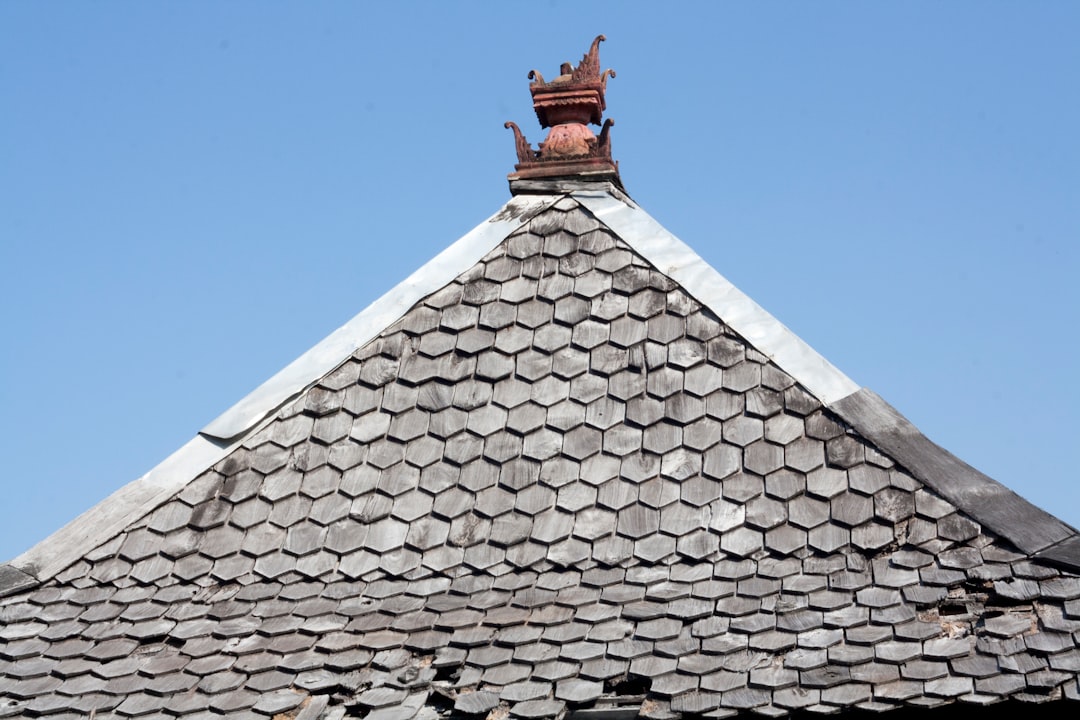
Atlas Chalet Shingles Warranty Claim Guide: A Roofer's 15-Year Perspective on Getting Your Roof Covered
I have installed and repaired thousands of roofs across Texas for over fifteen years. My team has handled hundreds of warranty claims for homeowners just like you. This article exists because I have seen too many families struggle with the confusing process of filing an Atlas Chalet shingles warranty claim. You might be looking at your roof after a recent storm. You might see missing granules or curling shingles. You are wondering if your warranty will cover the damage. This guide will walk you through every step based on real projects we have completed. I will share insider knowledge from working directly with Atlas Roofing Corporation and insurance companies. My goal is to save you time, money, and frustration. You will learn how to protect your biggest investment properly.
The information here comes from my hands-on experience. I am a certified installer for multiple manufacturers, including Atlas. I have completed over 2,500 roofing projects. This guide combines manufacturer specifications, building code requirements, and lessons from actual customer cases. I will explain the methodology behind every recommendation. There is no fluff, just direct answers. You will get clear, actionable steps to follow. Let's begin with understanding your Atlas Chalet shingles and what their warranty actually promises.
Understanding Your Atlas Chalet Shingles and Warranty Coverage
Atlas Chalet shingles are a popular architectural shingle. They offer a dimensional look with shadow lines. They are designed to mimic the appearance of wood shakes. These shingles come with a strong warranty from Atlas Roofing Corporation. However, the warranty is often misunderstood by homeowners. It is crucial to know exactly what is covered before you start a claim.
What the Atlas Pinnacle Pristine Warranty Actually Covers
The Atlas Chalet shingle line typically falls under the Pinnacle Pristine warranty. This is a limited lifetime warranty. It has several important components. The warranty covers manufacturing defects for the lifetime of the original owner. It includes 100% replacement cost for defective shingles for the first ten years. This includes labor and materials. After ten years, coverage is prorated based on the shingle's age. The warranty also includes a 15-year SureStart protection period. This covers 100% of repair costs for manufacturing defects. You can view the official warranty details on the Atlas Roofing warranty page.
It is vital to understand what is NOT covered. The warranty does not cover damage from improper installation. It does not cover damage from severe weather like hail or wind unless the shingle itself fails. It does not cover issues from poor attic ventilation or inadequate roof decking. Normal weathering and color changes are also excluded. Always read your specific warranty certificate. It is the final authority on your coverage.
Common Manufacturing Defects vs. Installation or Storm Damage
Distinguishing between defect types is the key to a successful claim. A manufacturing defect is a flaw that existed when the shingle left the factory. Common examples include blistering, cracking, or premature granule loss. These defects appear uniformly across the roof. They are not isolated to one area. Installation errors are mistakes made by the roofer. These include improper nailing, misalignment, or incorrect flashing details. Storm damage is caused by external forces like hail, wind, or falling debris.
Here is a simple list to help you identify the source of the problem:
- Manufacturing Defect: Blistering (small bumps on shingle surface), cracking across multiple shingles, excessive granule loss in gutters, color fading in a uniform pattern.
- Installation Error: Shingles lifting at the edges, nails popping up, leaks around roof penetrations like chimneys, uneven roof lines.
- Storm Damage: Random impact marks from hail, creased or torn shingles from wind, missing shingles, debris punctures.
If you suspect a manufacturing defect, your next step is to document everything thoroughly.
The Step-by-Step Process for Filing an Atlas Warranty Claim
Filing a warranty claim requires careful preparation. Rushing this process can lead to denial. Follow these steps in order. They are based on the most successful claims we have managed for homeowners.
Step 1: Gather Your Documentation (The Homeowner's Proof)
Before you call anyone, collect your evidence. You will need your original warranty certificate. Find your original sales receipt or contract from the roof installation. If you cannot find these, contact the original roofing contractor. They should have records. Take clear, high-resolution photographs of the roof damage. Take pictures from the ground and, if safe, from a ladder. Photograph the overall roof and close-ups of the defective shingles. Include photos of your gutters if they are full of granules. Document the date you first noticed the problem. Keep a written log of all your observations.
Step 2: Contact a Certified Atlas Roofing Contractor
Do not contact Atlas first. Instead, find a local roofing contractor certified by Atlas. A certified contractor understands the warranty process intimately. They can perform a professional inspection. They will provide a detailed report on the cause of the damage. You can find a certified contractor on the Atlas Find a Contractor tool. Schedule an inspection. A good contractor will explain their findings clearly. They will tell you if it looks like a warrantable defect.
Step 3: The Formal Inspection and Claim Submission
The certified contractor will inspect your roof. They will document the issues. If they believe it is a manufacturing defect, they will help you file the claim. They will contact Atlas Roofing Corporation on your behalf. Atlas will likely send a field representative to inspect the roof. This is standard procedure. Be present for this inspection if possible. Ask questions. The representative will take samples of the shingles for testing. The entire process can take several weeks. Be patient but persistent.
When Your Warranty Claim Intersects with an Insurance Claim
Roof damage is often a combination of factors. A manufacturing defect might make shingles more vulnerable to a storm. This creates a complex situation. You need to understand how warranties and insurance work together. They are not the same thing.
Navigating the Overlap: Defect vs. Act of God
Insurance policies typically cover "sudden and accidental" damage. This includes hail, wind, and fallen trees. They do not cover wear and tear or manufacturing defects. If a hailstorm damages shingles that were already defective, it becomes a negotiation. The insurance company may argue the shingles failed due to the defect. The manufacturer may argue the storm caused the failure. Your certified roofing contractor can be a crucial mediator. They can provide an expert opinion on the sequence of failure.
Here is the practical approach we recommend:
- File an insurance claim first for storm damage. Your insurance adjuster will inspect the roof.
- If the adjuster notes potential manufacturing issues, then initiate the warranty claim.
- Provide the insurance adjuster's report to the Atlas field representative.
- Work with your contractor to coordinate between both parties.
This coordination is challenging. Having a professional roofer in your corner is essential.
Real Project Case Study: The Hailstorm and the Blistering Shingles
Last spring, we worked with a homeowner in Kingwood. Their 8-year-old Atlas Chalet roof showed widespread blistering. Then, a severe hailstorm hit the area. The homeowner filed an insurance claim. The insurance adjuster noted the pre-existing blistering. The adjuster denied full coverage. We helped the homeowner file an Atlas warranty claim. We documented that the blistering was a manufacturing defect. We argued the hail damage was separate and superimposed. After a joint meeting, Atlas agreed to cover the cost of the defective shingles. The insurance company covered the labor for removal and the cost to repair hail damage to the decking. The homeowner received a full roof replacement. This case took three months to resolve. Persistence and proper documentation won.
Practical Homeowner Tips from a Roofer's Field Experience
Based on hundreds of interactions, here is my best advice. These tips come from seeing what works and what fails.
Maintenance is Your First Line of Defense
Regular maintenance preserves your warranty. Clean your gutters twice a year. Clogged gutters cause water to back up under the shingles. Trim tree branches hanging over your roof. Falling branches and debris cause damage. After major storms, do a visual inspection from the ground. Look for missing shingles or granules in the gutters. Ensure your attic ventilation is adequate. Poor ventilation causes heat buildup. This can accelerate shingle deterioration. Refer to local building codes for ventilation requirements, like the International Residential Code (IRC).
Choosing and Working with Your Roofing Contractor
Your contractor choice is critical. Always choose a licensed and insured contractor. Verify their credentials with the Texas Department of Licensing and Regulation. Choose a contractor who is certified by the shingle manufacturer. Ask for references from past warranty claim projects. Get everything in writing. The estimate, scope of work, and warranty details must be documented. Do not pay the full amount upfront. A reputable contractor will follow a payment schedule tied to project milestones.
Frequently Asked Questions About Atlas Chalet Warranty Claims
1. How long does the Atlas Chalet shingle warranty claim process take?
The process typically takes four to eight weeks. The initial contractor inspection happens quickly. The manufacturer's field inspection is scheduled within a few weeks. The lab testing of shingle samples can add more time. Complex cases involving insurance can take three months or longer. Good documentation speeds up the process.
2. Will Atlas replace my entire roof if only some shingles are defective?
It depends on the extent of the defect. If the defect is widespread and affects the roof's performance, a full replacement is likely. If the defect is isolated to a small area, Atlas may only approve a repair. The field representative makes this determination. Color matching can be an issue for repairs on older roofs.
3. What if the original installing contractor is out of business?
This is a common situation. Your warranty is with Atlas Roofing Corporation, not the contractor. You can still file a claim directly with Atlas. You will need your original warranty certificate and proof of installation date. A current Atlas-certified contractor can help you navigate the claim without the original installer.
4. Does the warranty transfer if I sell my house?
Yes, the Atlas Pinnacle Pristine warranty is transferable to a new homeowner one time. There may be a small transfer fee. The new owner must register the transfer with Atlas. The warranty duration and coverage continue based on the original installation date.
5. What is the most common reason for warranty claim denial?
The most common reason is improper installation. If nails are driven in the wrong place or the roof deck is inadequate, the warranty is void. Lack of proper ventilation is another major reason. Always use a certified installer to maintain warranty validity.
6. Can I inspect the shingles myself for defects?
You can do a basic visual inspection from the ground or a ladder. Look for patterns of damage. Check for piles of granules in gutters. Look for shingles that are curling or cracking. However, a professional inspection is necessary for a claim. Contractors have the training to identify the root cause accurately.
7. Should I hire a public adjuster for my roof warranty claim?
Public adjusters work for you to negotiate insurance claims. They are typically not involved in manufacturer warranty claims. For a pure warranty issue, a certified roofing contractor is your best advocate. If you have a combined warranty and insurance situation, a public adjuster may be helpful. Understand their fee structure, which is usually a percentage of your settlement.
Industry Statistics and Data on Roofing Warranty Claims
Understanding the broader context is helpful. According to the National Association of Home Builders, a roof's average lifespan is 20-25 years. The National Roofing Contractors Association (NRCA) reports that improper installation causes over 70% of premature roof failures. A study by the Roofing Industry Committee on Weather Issues found that only about 15% of warranty claims are for pure manufacturing defects. The majority involve installation, maintenance, or weather-related issues. This data underscores the importance of proper installation and maintenance from day one.
Conclusion: Your Action Plan for a Successful Claim
Dealing with a roofing problem is stressful. A warranty claim adds another layer of complexity. You are not alone. Use this guide as your roadmap. Start by gathering all your documents. Find a certified Atlas contractor for a professional inspection. Be detailed in your documentation and patient with the process. Understand the difference between a warranty claim and an insurance claim. Invest in regular maintenance to protect your roof and your warranty.
The goal is to restore your home's protection. A successful claim can save you thousands of dollars. It ensures your family stays safe and dry. Take action today. Inspect your roof. Contact a professional if you see signs of trouble. Your home is your most valuable asset. Protect it with knowledge and the right professional help.