
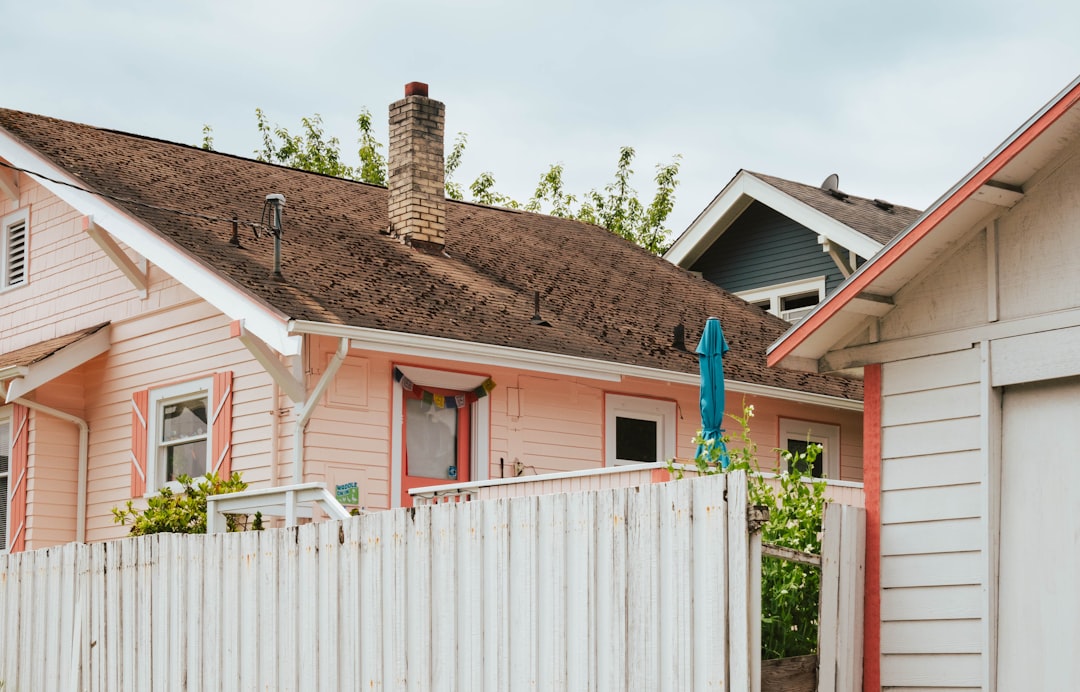
Roof Replacement with Financing: Your Complete Guide from a 15-Year Roofing Expert
My name is Mike, and I've been installing and replacing roofs in Texas for over fifteen years. I've personally supervised more than 2,500 roofing projects. I hold certifications from GAF, CertainTeed, and Owens Corning. This experience gives me a unique perspective on what truly matters for homeowners. I've seen the stress a failing roof can cause. I've also seen the relief when a family finds a good solution they can afford. This article exists to solve a very specific problem. Many homeowners know they need a new roof. They worry about the cost and the financing process. They feel overwhelmed by options and contracts. My goal is to give you clear, honest information. I want to help you make a confident decision about your roof and your budget.
The information here comes from real customer projects in our service area. It is based on manufacturer specifications, local building codes, and industry data. I will explain the methodology behind every recommendation. I will not just tell you what to do. I will explain why it matters from a contractor's perspective. This guide will save you time and reduce your stress. You will learn how financing works for roofing. You will understand the true costs and the best materials. You will get practical tips from hundreds of completed jobs. Let's begin with the most important question: why consider financing at all?
Why Roof Financing Makes Sense for Modern Homeowners
A new roof is a major investment. The national average cost is between $8,000 and $20,000. For many families, paying this amount in cash is not practical. Financing spreads this cost into manageable monthly payments. It allows you to address urgent roof damage immediately. Delaying a necessary replacement can lead to much more expensive problems. Water damage to your attic, walls, and belongings can cost tens of thousands to repair. Financing protects your home's structure and your family's safety without draining your savings.
The Real Cost of Waiting: A Contractor's View
I have been called to homes where a small leak was ignored. Months later, the ceiling collapsed. The repair bill included not just a new roof, but also new drywall, insulation, and flooring. The total cost was three times the price of the original roof replacement. Financing a roof on a planned schedule is always cheaper than an emergency repair. It also gives you time to choose the right materials and contractor. You are not forced to make a rushed decision during a storm.
Understanding Your Roof Financing Options
Not all financing is created equal. The terms and rates can vary dramatically. As a contractor, I help homeowners navigate these choices every week. Your options generally fall into three main categories. Understanding the differences is crucial for making a smart financial decision.
1. Contractor-Provided Financing Programs
Many reputable roofing companies partner with specialized lenders. These lenders understand home improvement projects. They often offer competitive rates and fast approval. The application is usually handled by your contractor. This can streamline the process. Look for programs with clear terms and no hidden fees. Reputable contractors work with lenders like GreenSky or HFS Financial. Always ask for the Annual Percentage Rate (APR). This number includes all fees and gives you the true cost of the loan.
2. Home Equity Loans and Lines of Credit (HELOC)
If you have built up equity in your home, this can be a good option. A home equity loan provides a lump sum with a fixed interest rate. A HELOC works more like a credit card with a variable rate. The interest on these loans may be tax-deductible if you use the funds to improve your home. You should consult with a tax advisor. These loans use your home as collateral. This means the lender can foreclose if you fail to pay. The application process is through your bank or credit union and can take several weeks.
3. Personal Loans and Credit Cards
Personal loans are unsecured, meaning your home is not collateral. Approval is based on your credit score and income. Interest rates are typically higher than secured loans. Using a credit card is usually the most expensive option. The interest rates are very high. This should only be considered for very small projects or as a last resort. For a full roof replacement, the cost of interest on a credit card would be enormous.
Key Point: Always get a detailed, written estimate from your contractor before applying for any financing. The loan amount should match the project cost exactly.
A Realistic Look at Roof Replacement Costs in 2025
Homeowners often ask me for a "ballpark" figure. While every job is unique, I can share averages from our recent projects. These numbers are for a standard 2,000 square foot, single-story home in our Texas service area. They include tear-off of old shingles, disposal, and installation of new materials. They do not include repairs to damaged decking, which is common and adds to the cost.
- 3-Tab Asphalt Shingles: $8,500 - $11,000. This is the most economical option. It provides solid protection but has a shorter lifespan and limited warranty.
- Architectural/Dimensional Asphalt Shingles: $11,000 - $16,000. This is our most popular choice. It offers better durability, wind resistance, and a more attractive appearance. Brands like GAF Timberline or CertainTeed Landmark are industry standards.
- Metal Roofing (Standing Seam): $22,000 - $30,000+. This is a premium, long-term investment. A quality metal roof can last 40-70 years. It offers excellent energy efficiency and fire resistance.
- Synthetic Slate or Tile: $25,000 - $35,000+. Products like DaVinci Roofscapes offer the look of slate or clay without the extreme weight. They are durable and beautiful but come at a higher cost.
These costs can be affected by several factors. The pitch (steepness) of your roof changes labor costs. The complexity of the design with valleys, dormers, and chimneys adds time. The need for new plywood decking (often called "sheathing") is a common extra cost. We find damaged wood on about 30% of our tear-off projects. Local disposal fees and building permit costs also vary.
Choosing the Right Roofing Material: A Hands-On Comparison
Your choice of material affects cost, appearance, longevity, and even your home's resale value. As an installer, I have worked with all these materials. Here is my practical, field-tested comparison.
Asphalt Shingles: The Workhorse
Asphalt shingles cover over 80% of homes in America. They are affordable and reliable. Modern architectural shingles are a huge improvement over old 3-tab styles. They have a layered design that creates shadow lines and depth. They are rated for higher wind speeds (often 130 mph). They come with strong warranties from manufacturers. The installation is straightforward for experienced crews. From my perspective, they offer the best balance of cost and performance for most homes.
Metal Roofing: The Long-Term Champion
Metal roofs are fantastic in our Texas climate. They reflect solar heat, which can lower cooling costs. They are impervious to fire, hail, and high winds when installed correctly. The key is the installation. The panels must be fastened precisely. The flashings around penetrations must be perfect. A poorly installed metal roof will leak. A well-installed one will outlast the homeowner. The upfront cost is high, but the lifetime cost can be lower when you consider its 50-year lifespan.
Synthetic and Composite Materials
These are polymer-based products designed to mimic wood shake, slate, or tile. They are much lighter than the natural materials they imitate. This means your home's structure may not need reinforcement. They are highly impact-resistant and often carry Class A fire ratings. Brands like Brava and DaVinci are leaders. The cost is premium, but the aesthetic result is stunning. They are a great choice for homeowners wanting a distinctive look without structural concerns.
Contractor Tip: Always ask for a full sample of the actual product, not just a brochure. Look at it in different lights—morning, noon, and evening. The color can look very different on your roof than in your hand.
The Roof Replacement Process: What to Expect Day-by-Day
Knowing what will happen reduces anxiety. Here is a typical timeline for a standard asphalt shingle replacement, based on hundreds of our projects.
Day 1: Preparation and Tear-Off
The crew arrives early. They lay tarps to protect your landscaping. They set up safety equipment and a dump trailer. The old shingles and underlayment are removed down to the wood decking. This is the loudest and messiest day. The crew will inspect every square foot of the decking for soft or rotten wood. Any damaged wood is marked for replacement. The site is cleaned up at the end of the day.
Day 2: Installation of New Components
Work begins with installing new plywood if needed. Then, a waterproof underlayment (like GAF Tiger Paw) is rolled out over the entire deck. This is a critical moisture barrier. Drip edge metal is installed along the eaves and rakes. The new shingles are then installed from the bottom edge up. Valleys are carefully woven or cut. The crew works methodically to ensure proper alignment and nail placement.
Day 3: Finishing and Cleanup
The final rows of shingles are installed at the roof ridge. Ridge vents or other ventilation components are added. All flashings around chimneys, skylights, and walls are installed and sealed. The crew does a thorough magnetic sweep of your property and driveway to pick up nails. They remove the dump trailer and all equipment. The project manager does a final walk-through with you to inspect the work.
Practical Homeowner Tips from Real Projects
Over the years, I've learned what makes a project go smoothly for the homeowner. Here is my best advice.
- Get Multiple Estimates: Always get at least three written estimates. Compare the scope of work, materials specified, and warranty terms—not just the bottom-line price.
- Verify Insurance and Licensing: Ask for proof of general liability insurance and workers' compensation. In Texas, check for a Texas Department of Licensing and Regulation (TDLR) roofing contractor license.
- Understand the Warranty: There are two warranties: the manufacturer's warranty on the materials and the contractor's warranty on the workmanship. Read them. A strong workmanship warranty is often 5-10 years.
- Prepare Your Home: Move vehicles out of the driveway. Secure loose items in your yard and on walls inside the house. The vibration can shake things loose. Cover items in your attic with sheets to catch dust.
- Ask About Ventilation: Proper attic ventilation is as important as the shingles. It prevents ice dams in winter and reduces cooling costs in summer. A good contractor will assess your current ventilation and recommend improvements.
Frequently Asked Questions (FAQ)
1. Will financing a roof hurt my credit score?
Applying for financing requires a "hard inquiry" on your credit report. This may cause a small, temporary dip in your score. However, making regular, on-time payments on the new loan will help build your credit history over time. The initial impact is usually minor and recovers quickly for most people with good credit habits.
2. Can I use my homeowner's insurance to pay for a new roof?
Insurance typically covers sudden, accidental damage like hail or a fallen tree. It does not cover wear and tear or old age. If you have storm damage, file a claim. Your insurance adjuster will determine if the damage exceeds your deductible. We often help homeowners document damage for their claim. The Insurance Information Institute is a good resource for understanding policies.
3. How long does the financing approval process take?
With contractor-partnered lenders, approval can often be obtained the same day, sometimes within minutes online. For home equity products through a bank, the process can take two to six weeks, as it requires a home appraisal and more documentation. Discuss the timeline with your contractor and lender upfront.
4. What is the typical term for a roof loan?
Terms vary widely. Contractor programs often offer 3, 5, 7, 10, or even 12-year terms. Home equity loans can have terms of 10, 15, or 20 years. A shorter term means higher monthly payments but less total interest paid. Choose a term that fits your monthly budget comfortably.
5. Are there tax benefits to financing a roof?
Generally, interest on a home improvement loan is not deductible on your federal taxes unless the loan is secured by your home (like a home equity loan) AND you use the funds to "substantially improve" your home. The rules are complex. You should always consult with a qualified tax professional for advice specific to your situation.
6. What happens if I sell my house before the loan is paid off?
This depends on the loan type. For a personal loan or contractor financing, the loan is tied to you, not the house. You would pay it off from the proceeds of the home sale. For a home equity loan, the loan is secured by the property. It must be paid off at closing, just like your primary mortgage. A new roof often increases your home's value and curb appeal, helping it sell faster.
7. How do I know if my contractor is using quality materials?
Ask for the exact brand and product line name. Look it up on the manufacturer's website. Reputable manufacturers have rigorous standards for their certified installers. Check if your contractor is a "Master Elite" (GAF), "Select ShingleMaster" (CertainTeed), or "Preferred Contractor" (Owens Corning). These designations require proper insurance, training, and a good business reputation.
Real Project Case Studies with Outcomes
Case Study 1: The Planned Replacement
The Johnson family had a 20-year-old roof with curling shingles. They had saved some money but not enough for a full cash payment. We provided three financing options. They chose a 7-year term with a low promotional rate. They selected GAF Timberline HDZ shingles in a charcoal color. The project took three days. Their monthly payment fit their budget. Two years later, a hailstorm hit their neighborhood. Their new roof had no damage, while many neighbors needed repairs. Their financing choice allowed them to be proactive and protected.
Case Study 2: The Storm Damage Scenario
The Garcia home suffered significant hail damage. Their insurance claim was approved, but the settlement check was $4,000 less than our estimate due to a depreciation holdback. They did not have $4,000 in available cash. We helped them secure a short-term, low-interest loan for the difference. They received the held-back funds from the insurance company after the work was completed and used that to pay off the loan early. Financing bridged the gap and allowed the project to proceed immediately.
Industry Statistics and Data
Understanding the broader context can be helpful. According to the National Roofing Contractors Association (NRCA), a properly installed and maintained roof should last 20-30 years. Remodeling Magazine's 2024 Cost vs. Value Report states that a new asphalt roof recoups about 60% of its cost in added home value at resale. The Federal Emergency Management Agency (FEMA) emphasizes that a sound roof is your home's first line of defense against weather. Financing helps maintain this critical barrier.
Your Step-by-Step Guide to Roof Replacement with Financing
- Assessment: Have a reputable contractor inspect your roof. Get a detailed written report on its condition.
- Estimate: Obtain 2-3 detailed, written estimates specifying materials, labor, warranty, and timeline.
- Financing Research: Discuss financing options with each contractor. Compare APRs, terms, and monthly payments.
- Application: Choose your contractor and financing path. Complete the application process.
- Scheduling: Once approved, schedule the project. Get a firm start date in writing.
- Preparation: Prepare your home and family for the construction process.
- Installation & Inspection: The work is completed. Do a final walk-through with the project manager. Ask questions.
- Payment & Warranty: Make your first payment as agreed. File all warranty paperwork in a safe place.
Conclusion: Taking the Next Step with Confidence
A roof replacement is a significant undertaking. Financing is a powerful tool that makes it accessible. It allows you to protect your largest investment—your home—on a schedule that fits your life and budget. The key is to partner with a knowledgeable, trustworthy contractor. They should guide you through both the technical and financial aspects of the project. Use the information in this guide to ask the right questions. Compare your options carefully. Remember, the cheapest price is not always the best value. Quality materials, expert installation, and strong warranties provide real, long-term value.
Your roof is more than just shingles. It is the system that shelters everything you own and everyone you love. Investing in it wisely is one of the most important decisions you will make as a homeowner. With the right plan and the right partner, you can achieve peace of mind and a beautiful, durable roof over your head for decades to come. Start by getting a professional inspection. Knowledge is the first step toward a smart solution.