
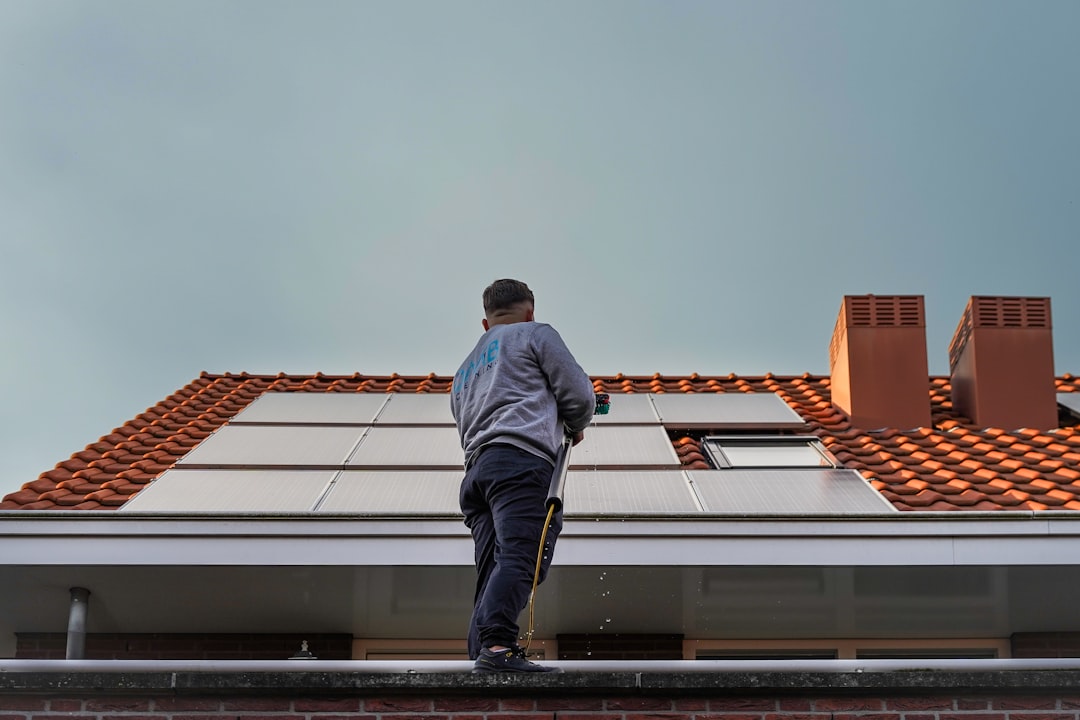
Roof Repair Loans Explained: A Contractor's Guide to Smart Financing
I have been a roofing contractor for over 15 years. Our team has completed more than 2,500 roofing projects across Texas. We hold certifications from major manufacturers like GAF and Owens Corning. I have seen countless homeowners struggle with the financial side of roof repairs. This article exists to solve that exact problem. We will answer the critical question: How can you pay for a necessary roof repair without financial stress? This guide pulls from real customer experiences, industry data, and my hands-on work with materials and building codes. My goal is to give you clear, trustworthy information so you can make a confident decision.
The information here comes from helping hundreds of homeowners navigate financing. We have reviewed loan terms, insurance claims, and contractor estimates. We reference manufacturer specifications and local building codes. Our recommendations are based on what has worked best for our clients. We will explain the methodology behind each financing option. You will get direct answers without fluff. This will save you time and help you avoid costly mistakes. Let's begin with understanding why roof repairs are urgent and how to assess your true need.
Why Roof Repairs Can't Wait: The Real Cost of Delay
A damaged roof is more than an eyesore. It is a threat to your home's structure and your family's safety. Water intrusion is the primary enemy. A small leak can lead to massive problems very quickly. Mold growth can start within 24-48 hours of water exposure. This creates health hazards, especially for those with allergies or asthma. Rotting wood framing compromises your home's integrity. Damaged insulation leads to higher energy bills year-round.
Common Roof Problems Homeowners Face
Storm damage from hail and high winds is very common in our region. Missing or cracked shingles are clear signs. Granule loss from asphalt shingles reduces their lifespan. Flashing failures around chimneys and vents are frequent leak sources. Ice dam damage in colder months can lift shingles and allow water behind them. Poor attic ventilation causes premature aging of roofing materials. These issues rarely fix themselves. They almost always get worse and more expensive over time.
Assessing Your Roof's Condition: A Simple Checklist
You can perform a basic visual inspection from the ground. Use binoculars for a safer view. Look for shingles that are curling, buckling, or missing entirely. Check for dark streaks or moss growth, which indicate moisture. Inspect your gutters for an excessive amount of granules. These look like coarse, black sand. Inside your home, check the attic with a flashlight. Look for stains on the wood, daylight through the roof boards, or damp insulation. If you see any of these signs, contact a professional roofer for a thorough inspection. The National Roofing Contractors Association (NRCA) provides excellent consumer resources on roof maintenance.
Understanding the True Cost of a Roof Repair
Roof repair costs vary widely based on many factors. The national average for a significant repair ranges from $650 to $2,000. A full roof replacement can cost between $5,000 and $15,000 or more. The size and pitch of your roof are major cost drivers. Steeper roofs require more safety equipment and labor time. The type of roofing material significantly impacts the price. Asphalt shingles are the most common and affordable option. Metal, tile, and slate roofs are more expensive to repair.
Cost Breakdown from Real Projects
Let me share examples from our recent work. A homeowner in Kingwood needed a repair after a wind storm. The project involved replacing a 10' x 10' section of shingles and damaged decking. The total cost was $1,850. This included materials, labor, and disposal of old materials. Another project involved repairing a leak around a chimney. The flashing had failed. The repair required custom metal work and sealing. That job cost $1,200. A third example was a repair for hail damage on a tile roof. Matching the existing tiles was challenging. The repair cost was $2,500 due to the specialty material. Always get at least three written estimates from licensed contractors. Compare the scope of work, materials, and warranty offered.
Factors That Influence Your Final Price
- Roof Accessibility: Is your home easy to access with ladders and equipment?
- Extent of Damage: Is it surface-level or is the underlying wood damaged?
- Local Labor Rates: Costs vary by region and season.
- Permit Requirements: Some municipalities require permits for roofing work.
- Waste Disposal: Hauling away old materials adds to the cost.
- Urgency: Emergency repairs often cost more than scheduled work.
Your Guide to Roof Repair Loans and Financing
Most homeowners do not have thousands of dollars saved for unexpected repairs. Financing is a practical solution. The key is choosing the right type of loan for your situation. We will explore the most common options. Each has pros and cons. Your credit score, home equity, and the loan amount will guide your choice. Always read the fine print on any loan agreement. Understand the interest rate, fees, and repayment terms completely.
Home Equity Loan or Line of Credit (HELOC)
This uses the equity in your home as collateral. Equity is the portion of your home you own outright. It is your home's value minus your remaining mortgage balance. A home equity loan provides a lump sum with a fixed interest rate. A HELOC works like a credit card with a variable rate. You draw funds as you need them. These loans typically offer lower interest rates than personal loans. The application process can be lengthy. It often requires a home appraisal. Closing costs may apply. This is a good option for larger projects if you have significant equity. The interest may be tax-deductible if you use the funds for home improvement. Consult a tax advisor.
Personal Loans for Home Improvement
Personal loans are unsecured. They do not require you to put up your home as collateral. You can often apply online and get funds quickly. Interest rates depend heavily on your credit score. Borrowers with excellent credit get the best rates. Loan terms usually range from two to seven years. The fixed monthly payment makes budgeting easier. Compare offers from multiple lenders. Check banks, credit unions, and online lenders. Look for loans with no origination fees. Read reviews from other borrowers. The Consumer Financial Protection Bureau is a great resource for understanding loan terms.
Financing Through Your Roofing Contractor
Many reputable roofing companies offer financing programs. They partner with third-party lenders. The contractor handles much of the application process. This can be very convenient. Approval can be fast, sometimes within minutes. These programs often feature promotional periods with low or no interest. Be very careful here. Read all terms thoroughly. What is the interest rate after the promotional period ends? Are there deferred interest charges? Make sure the roofing contractor is licensed and insured. Get everything in writing. A good contractor will be transparent about their financing partner.
Government and FHA Title 1 Loans
The Federal Housing Administration (FHA) insures Title 1 loans. These are for home improvements that do not require equity. You apply through an FHA-approved lender. Loan limits apply. These loans can be used for necessary repairs that protect the property. The application process has specific requirements. It may be slower than a personal loan. This can be a viable option if you have limited equity or credit challenges.
Credit Cards: A Cautionary Tale
Using a credit card is the easiest but often most expensive option. Standard credit card interest rates are very high. If you can pay the balance in full within a promotional 0% APR period, it might work. Otherwise, the interest can add significantly to your total cost. Some cards offer rewards or cash back. Weigh this against the potential interest charges. This should generally be a last resort for smaller repairs.
The Insurance Claim Path: When Does It Apply?
Homeowners insurance may cover your roof repair. This is typically true for sudden, accidental damage. Storms, falling trees, or hail are common covered events. Insurance usually does not cover repairs due to normal wear and tear or lack of maintenance. The first step is to review your policy. Understand your deductible. This is the amount you pay before insurance kicks in.
Navigating the Insurance Process
Document the damage thoroughly. Take clear photos and videos from multiple angles. Contact your insurance company to file a claim. They will send an adjuster to inspect the damage. It is highly advisable to have your own roofing contractor present during the adjuster's inspection. A contractor can point out damage the adjuster might miss. They can provide repair estimates. Do not sign anything with a contractor that assigns your insurance benefits to them without fully understanding the implications. Be persistent and keep detailed records of all communications. The Insurance Information Institute offers helpful guides for homeowners.
Practical Tips from a Roofer: How to Choose and Work with a Contractor
Choosing the right contractor is as important as choosing the right loan. A poor installation will waste your money, no matter how you financed it. Look for a licensed, insured, and locally established company. Ask for proof of both liability insurance and workers' compensation insurance. Check for manufacturer certifications. These show the contractor is trained to install specific products correctly.
- Get Everything in Writing: The estimate should be a detailed contract. It must include the scope of work, materials (brand, color, style), start and completion dates, payment schedule, and warranty information.
- Understand the Warranty: There are two types. The manufacturer's warranty covers defects in the materials. The contractor's workmanship warranty covers installation errors. A reputable contractor will offer a strong workmanship warranty.
- Never Pay in Full Upfront: A reasonable payment schedule ties payments to project milestones. A deposit to secure materials is standard. Final payment should be made only after you are satisfied with the completed work and a final walk-through.
- Check References and Reviews: Look at the contractor's website and third-party sites like Google and the Better Business Bureau. Ask for addresses of recent local projects you can drive by and look at.
Frequently Asked Questions About Roof Repair Loans
What credit score do I need for a roof repair loan?
Requirements vary by lender and loan type. For the best personal loan rates, a score above 720 is ideal. Some lenders offer loans to borrowers with scores in the 600s, but at higher interest rates. Contractor financing programs sometimes have more flexible credit requirements. Always check your credit report for errors before applying.
Should I use my home's equity or get a personal loan?
This depends on your financial picture. A home equity loan usually has a lower interest rate but uses your home as collateral. If you fail to pay, you could risk foreclosure. A personal loan is unsecured and often faster to obtain, but with a higher rate. If you have significant equity and need a large amount, home equity may be better. For smaller, quicker repairs, a personal loan might be simpler.
How long does it take to get approved for financing?
Online personal loan applications can provide approval decisions in minutes, with funding in 1-3 business days. Home equity loans involve more steps like an appraisal, taking 2-6 weeks. Contractor-sponsored financing can sometimes offer same-day approval, especially for smaller amounts. Plan ahead if possible to avoid emergency high-cost options.
Can I get a loan if I have bad credit?
Yes, but options are more limited and expensive. You may need a co-signer with good credit. Some specialized lenders work with borrowers with poor credit. Be extremely wary of predatory lenders offering loans with extremely high fees or interest rates. Improving your credit score even slightly before applying can save you thousands.
What is the difference between a loan and a roofing company's payment plan?
A loan comes from a bank, credit union, or online lender. You receive cash and pay the lender back. A contractor payment plan is an agreement directly with the roofing company to pay for the job over time. These are less common. Usually, the contractor is actually facilitating a loan through a third-party lender. Clarify who the actual lender is and get those terms in writing.
Does financing affect the warranty on my roof?
No, the method of payment should not affect the manufacturer's material warranty or the contractor's workmanship warranty. These are based on the products installed and the quality of the installation. A reputable contractor will honor their warranty regardless of how you paid. Ensure the warranty documentation is provided upon job completion.
What hidden fees should I look out for?
For loans, watch for origination fees, application fees, prepayment penalties, and late fees. For contractor agreements, ensure there are no hidden charges for permits, disposal, or unforeseen "additional work" that wasn't in the original estimate. A detailed, fixed-price contract protects you from surprise costs.
Real Project Case Studies: How Homeowners Made It Work
Case Study 1: The Storm Damage Family
A family in our community had severe hail damage. Their insurance claim covered most of a full roof replacement. However, their deductible was $2,500, which they did not have saved. They had good credit but little home equity. They applied for a personal loan online and were approved for $3,000 at a 7% interest rate. They used the loan to pay their deductible and some upgraded gutter guards. The loan term was 36 months, with a manageable monthly payment. They combined insurance and smart financing to get a new roof with no financial strain.
Case Study 2: The Proactive Homeowner
A homeowner noticed their 20-year-old roof was nearing the end of its life. There were no active leaks, but granules were loss was evident. They wanted to avoid an emergency. They had built up substantial equity in their home. They secured a home equity line of credit (HELOC) with a 5% interest rate. They used it to finance a complete roof replacement on their schedule. Because it wasn't an emergency, they could shop for the best contractor and material prices. They now have a new roof with a strong warranty and peace of mind.
Industry Statistics and Data
According to industry surveys, the average roof replacement cost in the U.S. increased by over 15% between 2020 and 2023 due to material and labor costs. A 2022 study found that nearly 40% of homeowners who replaced their roof used some form of financing. The most common method was contractor-arranged financing (approx. 22%), followed by personal loans (10%) and home equity products (8%). Proper maintenance can extend a roof's life by up to 50%, emphasizing the value of addressing small repairs early. Data from the U.S. Census Bureau shows consistent growth in home improvement spending, with roofing being a top category.
Step-by-Step Guide to Securing a Roof Repair Loan
- Assess the Damage: Get a professional inspection to understand the exact scope and cost of repairs.
- Review Insurance: Determine if your homeowner's insurance will cover any part of the cost.
- Get Multiple Estimates: Obtain at least three detailed, written estimates from licensed, insured contractors.
- Check Your Credit: Get a free copy of your credit report. Know your score before applying.
- Explore All Options: Research personal loans, home equity products, and contractor financing. Use online calculators to compare monthly payments.
- Apply for Financing: Choose the best option and complete the application. Have your income, identification, and project estimates ready.
- Review and Sign the Contract: Once financing is secured, sign a detailed contract with your chosen roofer before any work begins.
- Manage the Project: Make payments according to the agreed schedule. Conduct a final walk-through before making the last payment.
Conclusion: Your Path to a Secure Roof
A damaged roof is a serious issue, but financing a repair is an achievable goal. The key is to be informed and proactive. Understand the true cost of the repair. Explore all your financing options carefully. Choose a reputable, qualified roofing contractor who uses quality materials. Do not let financial worry force you into a cheap, quick fix that will fail. A properly financed, well-executed roof repair is an investment in your home's safety, efficiency, and value. It provides peace of mind for years to come. Start by getting a professional inspection. From there, you can build a solid plan using the information in this guide. Your home is your most important asset. Protect it wisely.