
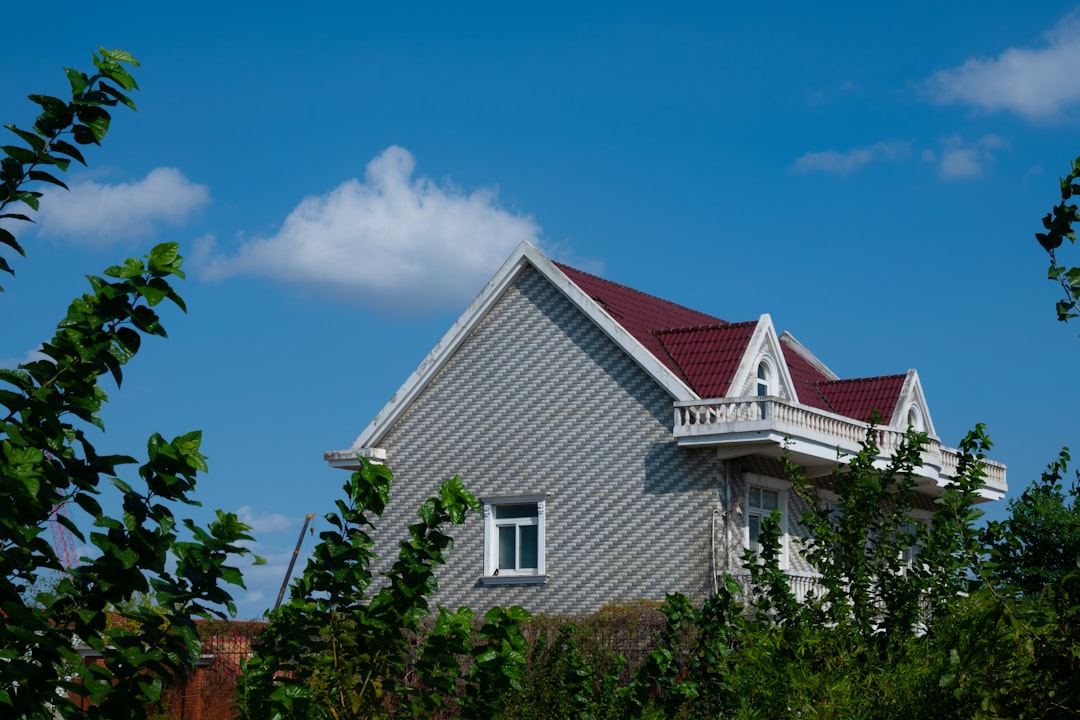
Roof Installation Financing: Your Complete Guide from a 15-Year Roofing Contractor
My name is Michael, and I've been installing and repairing roofs in Texas for over fifteen years. I've personally supervised more than 1,200 roofing projects, from simple repairs to complete tear-offs and installations. I hold certifications from major manufacturers like GAF and Owens Corning, and I've seen firsthand how financing decisions can make or break a homeowner's experience. This article exists because I've watched too many good people struggle with unexpected roof costs. You might be facing a sudden leak after a storm, or you might know your aging roof needs replacement before it causes interior damage. The question isn't just about finding money—it's about finding the right kind of money for your specific situation. This guide will walk you through every option, with the transparency and real-world perspective you deserve.
The information here comes directly from my work with hundreds of homeowners. I've reviewed their loan documents, helped them navigate insurance claims, and seen which financing paths lead to satisfaction and which lead to stress. I've cross-referenced this experience with current data from the National Roofing Contractors Association (NRCA), manufacturer financing programs, and local building code requirements. My goal is not to sell you a roof, but to empower you with knowledge. By the end, you'll understand the true costs, the smartest ways to pay, and the questions you must ask any contractor. Let's get started.
Understanding the True Cost of a New Roof
Before discussing how to pay, you must know what you're paying for. A roof is not a simple commodity. The final price depends on many factors that go beyond just square footage. As a contractor, I break down costs for every client so there are no surprises. The national average for a new asphalt shingle roof is between $8,000 and $25,000, but in Texas, with our weather and specific building codes, you should expect a range. The size and slope of your roof are the biggest factors. A simple, single-story ranch home will cost far less than a two-story home with multiple peaks and valleys.
Material Choices and Their Price Impact
Your choice of shingle dramatically affects the budget. Basic 3-tab asphalt shingles are the most affordable, often costing $100 to $150 per square (100 square feet). Architectural or dimensional shingles, which are thicker and more durable, range from $150 to $250 per square. Premium options like designer shingles or synthetic slate can be $400+ per square. I always recommend checking the manufacturer's warranty and specifications. For example, GAF's Timberline HDZ shingles offer superior wind resistance, which is crucial in our region. Don't forget the underlayment, flashing, vents, and drip edge. These components protect your home's structure, and skimping on them is a false economy.
Labor, Permits, and Overhead
Labor typically accounts for 40% to 60% of your total cost. A professional crew must remove your old roof (tear-off), dispose of the debris, prepare the deck, and install the new system correctly. This requires skill, insurance, and proper safety equipment. Your city or county will require a building permit, which ensures the work meets local codes, like the International Residential Code (IRC) for roof covering. There's also the cost of dumpsters, liability insurance, and worker's compensation. A suspiciously low bid often means a contractor is cutting corners on these essential items.
Your Primary Roof Financing Options Explained
Homeowners typically have five main paths to finance a roof. Each has pros, cons, and specific eligibility requirements. I've helped clients use all of them, and the best choice depends on your credit, timeline, and long-term financial plans.
Home Equity Loans and Lines of Credit (HELOCs)
This is often the most cost-effective option if you have significant equity in your home. A home equity loan provides a lump sum with a fixed interest rate, while a HELOC works like a credit card with a variable rate. The interest may be tax-deductible if you use the funds for home improvement (consult a tax advisor). The application process is similar to a mortgage and can take several weeks. You need good credit and a stable debt-to-income ratio. The major risk is using your home as collateral—if you can't pay, you could face foreclosure.
Cash-Out Mortgage Refinancing
If current mortgage rates are lower than your existing rate, refinancing and taking cash out can make sense. You replace your old mortgage with a new, larger one and receive the difference in cash. This can consolidate debt and fund the roof project. However, closing costs can be high (2% to 5% of the loan), and you reset the clock on your mortgage. This is a long-term strategy best for those planning to stay in their home for many years.
Personal Loans and Unsecured Financing
Banks, credit unions, and online lenders offer personal loans for home improvement. These are unsecured, meaning your house isn't collateral. Approval is usually faster than a HELOC, often within a few days. Interest rates are based primarily on your credit score—they can be reasonable for excellent credit but quite high for fair credit. Loan terms are shorter, typically 2 to 7 years, resulting in higher monthly payments. I've seen clients use these successfully for urgent, smaller projects.
Credit Cards
Using a credit card is only advisable for very small repairs or if you have a card with a 0% introductory APR offer and can pay off the balance before the promotional period ends. Standard credit card interest rates (often 15% to 25%) make this a very expensive way to finance a major roof. Some contractors offer payment processing through third-party services like Home Depot Project Loan, but these are essentially branded personal loans.
Manufacturer and Contractor Financing Programs
Many roofing manufacturers partner with lenders to offer financing through certified contractors. For instance, Owens Corning offers financing solutions through its network. These programs can feature promotional periods with low or no interest. The convenience is high—you often apply through your contractor. However, read the fine print carefully. If the balance isn't paid in full by the end of the promo period, you may be hit with deferred interest charges on the original amount. Always get the terms in writing.
The Insurance Claim Path: Financing Through Your Policy
If your roof damage is caused by a covered peril—like hail, wind, or a fallen tree—your homeowner's insurance may pay for replacement. This isn't traditional financing, but it's a critical way to fund a necessary roof. The process is complex, and I've guided countless homeowners through it.
Documenting the Damage and Filing the Claim
Start by taking clear, date-stamped photos and videos of all damage, both on the roof and inside your home (water stains, etc.). Contact your insurance company to file a claim. They will send an adjuster to inspect. It is highly advisable to have a reputable, local contractor present during the adjuster's inspection. We know how to identify and document all damage according to industry standards, which often leads to a more accurate and complete claim settlement.
Understanding Depreciation and Recoverable Cash Value (RCV)
Most policies use a Recoverable Cash Value (RCV) method for roofs. They will initially pay you the Actual Cash Value (ACV), which is the replacement cost minus depreciation for the age of your old roof. Once the roof is replaced and you submit the final invoice to the insurer, they release the "recoverable depreciation" to bring the payment up to the full RCV amount. This two-payment system is why many homeowners need a short-term financing bridge to pay the contractor in full before receiving the second insurance check.
Step-by-Step Guide to Choosing Your Financing
Don't get overwhelmed. Follow this proven, step-by-step method based on my project experience.
- Get a Detailed, Written Estimate: Obtain at least three estimates from licensed, insured, and well-reviewed local contractors. The estimate must be itemized, listing materials (brand, type), labor, permit fees, and waste removal.
- Check Your Insurance Policy: Review your declarations page and coverage for roof replacement. Understand your deductible and whether you have RCV or ACV coverage.
- Assess Your Financial Health: Check your credit score for free through AnnualCreditReport.com. Calculate your home equity (home value minus mortgage balance). Review your savings and monthly budget.
- Compare Loan Offers: Apply for pre-approval from 2-3 different sources (your bank, a credit union, a manufacturer program). Compare the Annual Percentage Rate (APR), fees, monthly payment, and total loan cost.
- Read the Contract and Financing Terms Together: Never sign a roofing contract without understanding the payment schedule. Reputable contractors never demand full payment upfront. A typical schedule is a small deposit, progress payment, and final payment upon completion and your satisfaction.
Red Flags and Pitfalls to Avoid
In my years, I've seen financing deals go bad. Protect yourself by watching for these warning signs.
- Door-to-Door "Storm Chasers": After a storm, out-of-town crews may pressure you to sign a contract and assign your insurance benefits to them. This takes control away from you. Always work with established local companies.
- Requests for Upfront Payment in Full: This is a major red flag. A legitimate contractor has the credit to purchase materials and pay crew.
- Financing with Extremely High Interest Rates: Some third-party lenders target homeowners with poor credit with rates over 30%. Explore all other options first, including FHA Title I loans for home improvement.
- Lack of a Detailed, Written Contract: The contract should specify the exact materials (including color and style), work scope, start/completion dates, warranty info, payment schedule, and lien waiver upon final payment.
Real Project Case Studies: How Homeowners Paid
Let's look at two real examples from my files (names changed for privacy).
The Johnson Family (Spring, TX): A severe hailstorm damaged their 15-year-old roof. Their insurance adjuster approved a full replacement. The RCV was $18,500, and their deductible was $1,500. The insurance company issued an ACV check for $12,000 first. The Johnsons did not have $6,500 in savings to cover the gap until the final insurance payment. They used a 12-month, 0% APR credit card offer to pay the contractor in full. They submitted the final invoice, received the $6,000 depreciation check from insurance, and paid off the credit card within the promotional period, costing them only their $1,500 deductible.
The Garcia Family (Kingwood, TX): Their roof was 25 years old and leaking, but the damage was from wear and tear, not a storm event. Insurance did not cover it. They had lived in their home for 20 years and had substantial equity. They chose a home equity loan from their local credit union at a 5.5% fixed rate. They financed $22,000 for a new architectural shingle roof with upgraded ventilation. The loan had a 10-year term, adding a manageable $238 to their monthly expenses, and the interest was tax-deductible.
Frequently Asked Questions (FAQ)
What credit score do I need for roof financing?
Requirements vary. Manufacturer programs may approve scores as low as 600, but the best rates require a score of 700 or higher. Home equity products typically require a score of 680+. Always check with the lender directly for their current criteria.
Can I finance a roof with bad or no credit?
It is challenging but possible. Options include seeking a co-signer, applying for an FHA Title I loan (which has more flexible credit requirements), or saving for a larger down payment to reduce the loan amount. Some local credit unions also work with members with thin credit files.
How long does the financing approval process take?
Personal loans and credit cards can be approved in minutes to a few days. Home equity loans and cash-out refinances involve property appraisals and can take 30 to 45 days. Manufacturer/contractor programs often provide a decision within 24-48 hours.
Should I use my retirement savings to pay for a roof?
I generally advise against this. Withdrawing from a 401(k) or IRA before retirement age often incurs penalties and taxes, and you lose future tax-deferred growth. Financing the roof while keeping your retirement intact is usually the wiser long-term financial decision.
What is a roofing lien waiver and why is it important?
A lien waiver is a document from your contractor stating they have been paid and waive the right to place a mechanic's lien on your property. You should receive a final unconditional lien waiver upon making the last payment. This protects you if the contractor fails to pay their material suppliers or subcontractors.
Does a new roof increase my home value?
Yes, significantly. According to the Remodeling 2024 Cost vs. Value Report, a new asphalt shingle roof recoups about 61% of its cost in increased home value at resale. More importantly, it is essential for home insurability and prevents costly structural damage.
Can I get financing for a roof repair instead of a full replacement?
Absolutely. Many of the same options apply, though for small repairs (under $5,000), a personal loan or credit card with a 0% intro offer might be the most practical. Always ensure the repair is a proper fix, not a temporary patch on a failing roof.
Conclusion: Your Path to a Secure, Financed Roof
Financing a roof is a major decision, but it doesn't have to be a scary one. You now have a clear map of the landscape, drawn from real projects and contractor experience. Start by getting accurate estimates from trusted local professionals. Review your insurance policy carefully. Then, match your financial situation to the most sensible option—whether that's leveraging home equity, using a strategic personal loan, or navigating an insurance claim. The most important step is to act before a small leak becomes a catastrophic failure. A well-financed, properly installed roof protects your biggest investment and gives you peace of mind for decades. Your next step is to contact a licensed contractor for a thorough inspection and a detailed, written proposal. Take that proposal and use the knowledge in this guide to choose your financial path with confidence.