
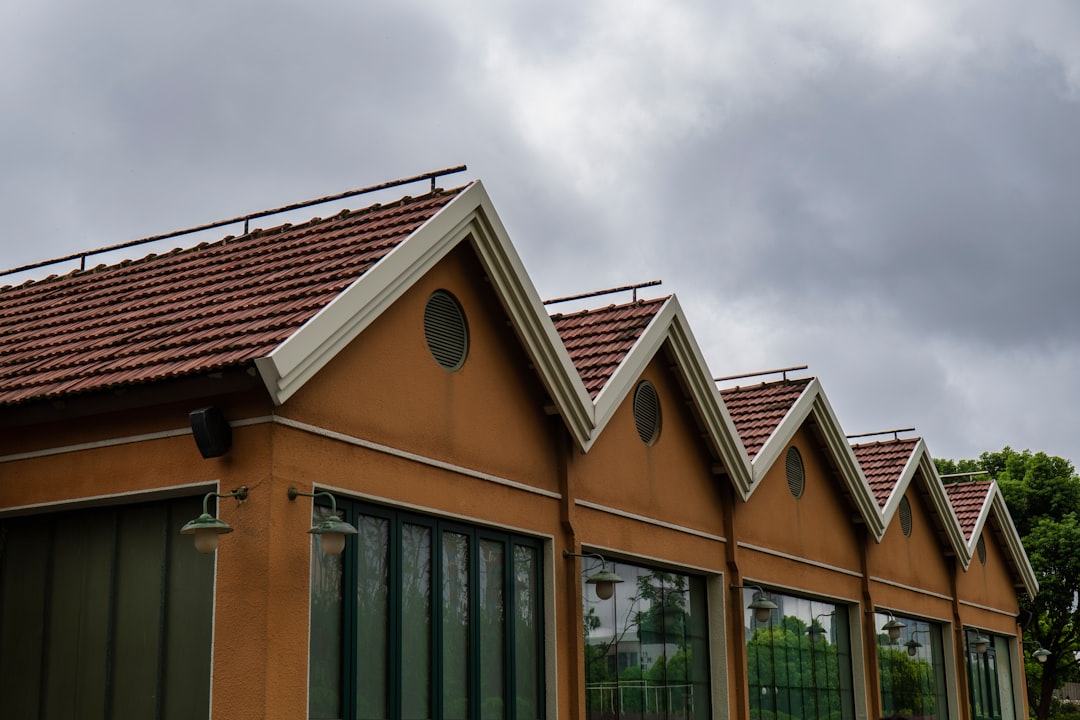
Roof Financing Options: Your Complete Guide from a Contractor Who's Been There
I've been installing and replacing roofs for over 15 years. I've completed more than 1,200 roofing projects across Texas. I hold certifications from GAF, Owens Corning, and CertainTeed. I've seen firsthand how a new roof transforms a home. I've also seen how the cost can stress homeowners. This article exists because I've sat at kitchen tables with families. They needed a new roof but worried about paying for it. They asked me the same questions about financing. I realized homeowners needed clear, honest information. This guide answers those questions. It helps you make smart financial decisions about your roof.
The information here comes from real customer projects. It comes from industry data and manufacturer specifications. I reference building codes and insurance resources. My recommendations are based on what I've seen work best for homeowners. I explain the methodology behind each option. My goal is to save you time and reduce your stress. You will learn about different financing paths. You will understand the pros and cons of each. You will feel confident talking to lenders and contractors. Let's begin with why financing matters for roofing projects.
Why Roof Financing is a Critical Homeowner Decision
A roof replacement is a major investment. The average cost in Texas ranges from $8,000 to $25,000. This depends on your home's size and the materials you choose. Most homeowners don't have this amount in savings. A leaking roof cannot wait. Delaying repairs causes more damage to your home's structure. It can lead to mold and ruined insulation. Financing allows you to address the problem immediately. It protects your biggest asset—your home.
From my experience, financing decisions impact the entire project. The right loan gives you flexibility. It lets you choose quality materials without cutting corners. The wrong loan can create long-term financial strain. I've helped customers navigate insurance claims after storms. I've guided them through FEMA assistance programs. I've seen how proper financing leads to better outcomes. A well-funded project ensures proper installation. It includes proper ventilation and high-quality underlayment. These details extend your roof's life. Let's explore the most common financing options available today.
Comprehensive Guide to Roof Financing Methods
Homeowners have several paths to finance a new roof. Each option has different requirements and benefits. Your choice depends on your credit, timeline, and financial goals. I will explain each method in detail. I will share insights from actual customer experiences.
Home Equity Loans and Lines of Credit (HELOCs)
A home equity loan uses your home's value as collateral. You receive a lump sum of money. You pay it back with fixed monthly payments. A HELOC works like a credit card. You have a credit limit based on your home's equity. You draw money as you need it. Both options typically offer lower interest rates. This is because they are secured by your property.
I recommend this option for homeowners with significant equity. It works well for planned replacements, not emergency repairs. The application process takes several weeks. You need a good credit score, usually above 680. The bank will order an appraisal of your home. Closing costs can be 2% to 5% of the loan amount. The interest may be tax-deductible if you itemize. Consult a tax advisor for details. This is a good choice for larger projects. It allows you to finance other improvements simultaneously.
Personal Loans for Roofing Projects
Personal loans are unsecured. They don't require using your home as collateral. You can apply online through banks, credit unions, or online lenders. Approval can happen in days. Funding often occurs within a week. Interest rates depend heavily on your credit score. Rates can range from 6% to 36% APR.
In my projects, customers use personal loans for urgent repairs. This is common after sudden storm damage. The process is faster than a home equity loan. There are no closing costs. The loan terms are usually shorter, from 2 to 7 years. Monthly payments can be higher. I advise getting quotes from multiple lenders. Compare the annual percentage rate (APR), not just the interest rate. The APR includes all fees. It gives you the true cost of the loan.
Credit Cards: When They Make Sense
Using a credit card for a roof is risky. High interest rates can trap you in debt. However, cards can be useful in specific situations. A new card with a 0% introductory APR offer can help. These offers typically last 12 to 18 months. You must pay the balance in full before the promotional period ends. Otherwise, high interest applies retroactively.
I've seen homeowners use this for smaller repairs. For example, fixing a leak or replacing a few damaged shingles. Never put a full roof replacement on a high-interest card. The math rarely works in your favor. If you go this route, have a solid repayment plan. Set up automatic payments. Pay more than the minimum each month. This avoids costly interest charges later.
Manufacturer and Contractor Financing Programs
Many roofing manufacturers partner with lenders. They offer special financing programs. For example, GAF offers financing through the GAF Finance Program. Owens Corning has similar partnerships. Contractors often have relationships with local lenders. They can offer streamlined applications. Sometimes they offer promotional rates like "no interest if paid in 12 months."
These programs can be convenient. The contractor handles much of the paperwork. Approval can be quick. Read the terms carefully. Understand the deferred interest clauses. If you don't pay the full balance by the promo end date, you owe all the accrued interest. Ask the contractor for the full disclosure documents. Compare the offer with loans from your bank. Don't assume it's the best deal without checking.
Government and FHA Title I Loans
The Federal Housing Administration (FHA) insures Title I loans. These are for home improvements. They are offered by FHA-approved lenders. You can borrow up to $25,000 for a single-family home. The loan is not based on home equity. Your home's value doesn't need to exceed the mortgage. This helps homeowners with little equity.
The application process is standardized. Interest rates are competitive. Loan terms can go up to 20 years. This keeps monthly payments manageable. The property must be at least 90 days old. You must occupy the home. The work must be done by a licensed contractor. I've helped customers use these loans. They provide a reliable, government-backed option. Learn more at the HUD website.
Cash-Out Mortgage Refinancing
Refinancing your mortgage can provide funds for a new roof. You replace your existing mortgage with a new, larger loan. You receive the difference in cash. This works well if current mortgage rates are lower than your existing rate. You can lower your monthly payment and get cash for the roof.
The process is lengthy and has significant costs. You'll pay closing costs, which can be thousands of dollars. It resets the clock on your mortgage. This option makes sense if you plan to stay in the home long-term. It's less ideal if you might move soon. Consult with a mortgage broker. Run the numbers carefully. Ensure the long-term savings outweigh the upfront fees.
Navigating Insurance Claims for Roof Replacement
Many roofs are replaced through insurance claims. This happens after hail, wind, or storm damage. Financing is different in this scenario. You may only need to cover your insurance deductible. Understanding the insurance process is crucial.
When Insurance Covers Roof Replacement
Homeowners insurance typically covers sudden, accidental damage. This includes damage from hail, fallen trees, or windstorms. It does not cover wear and tear or lack of maintenance. After a storm, contact your insurance company immediately. They will send an adjuster to inspect the damage. Hire a reputable roofing contractor to be present during the inspection. The contractor can point out damage the adjuster might miss.
The insurance company will provide an estimate. This estimate is often based on regional pricing databases. It may not reflect the full cost of a quality replacement. This is where supplementing comes in. Your contractor can submit a supplemental estimate for additional necessary work. This might include proper ice and water shield, upgraded ventilation, or code-required upgrades. The Insurance Information Institute provides good resources on coverage.
Financing Your Insurance Deductible
You are responsible for paying your insurance deductible. This is usually $1,000, $2,500, or 1% of your home's value. If you cannot pay the deductible upfront, financing options exist. Some contractors offer deductible assistance programs. These are essentially payment plans for your portion. Other homeowners use a personal loan or credit card for the deductible. This keeps the out-of-pocket cost manageable.
Never work with a contractor who offers to "waive" your deductible. This is illegal in most states, including Texas. It constitutes insurance fraud. It often leads to cut corners on materials or workmanship. A reputable contractor will help you find legal ways to manage the cost.
Real Project Costs and Financing Examples
Let's look at real-world numbers from my projects. These examples show how financing choices play out.
Case Study 1: Planned Replacement with Home Equity Loan
The Johnson family had a 25-year-old asphalt shingle roof. They planned ahead before leaks started. Their home was valued at $350,000. They owed $150,000 on their mortgage. They had $200,000 in equity. They took a $20,000 home equity loan at 5.5% APR for 10 years. Their monthly payment was about $217. They chose high-quality architectural shingles with a 50-year warranty. The project went smoothly. They financed the entire cost. They now have a durable roof with no monthly financial strain.
Case Study 2: Emergency Repair with Personal Loan
The Martinez home suffered major hail damage. Their insurance covered $15,000 of the $18,000 replacement cost. Their deductible was $1,000. They needed $4,000 total ($1,000 deductible + $3,000 for upgrades). They took a $4,000 personal loan at 8% APR for 3 years. Their monthly payment was $125. They financed quickly and repaired the roof before the next rain. The loan was paid off in two years with extra payments.
Case Study 3: Using Manufacturer Financing
The Lee family needed a new roof but had moderate credit. They qualified for a GAF financing program through my company. They received a $12,000 loan at 0% interest for 18 months. They set up automatic payments of $667 per month. They paid the loan in full before the promotional period ended. They avoided all interest charges. This required strict budgeting but saved them over $1,000 in interest.
Step-by-Step Guide to Securing Roof Financing
Follow this proven process to get the best financing for your project.
- Get a Detailed Roofing Quote First. You cannot shop for financing without knowing the exact cost. Hire a licensed, insured contractor for a thorough inspection. The quote should include materials, labor, removal, disposal, and permits. It should specify the brand and type of shingles, underlayment, and ventilation.
- Check Your Credit Report. Visit AnnualCreditReport.com for free reports. Dispute any errors. Know your FICO score before applying. This determines your rates and approval odds.
- Research Multiple Lenders. Get quotes from at least three sources: your bank, a credit union, and an online lender. Also ask your contractor about their financing partners. Compare the APR, loan term, monthly payment, and total repayment amount.
- Get Pre-Qualified. Many lenders offer soft credit checks for pre-qualification. This shows likely loan terms without hurting your credit score. It gives you negotiating power.
- Read the Fine Print. Look for origination fees, prepayment penalties, and deferred interest clauses. Ensure you understand all terms before signing.
- Coordinate with Your Contractor. Once financing is secured, provide a copy of the loan approval to your contractor. Schedule the work. Ensure the loan disbursement schedule matches the contractor's payment draw schedule.
- Keep All Documentation. Save your loan agreement, contractor contract, warranties, and proof of payment. This is important for taxes and future home sales.
Practical Tips from a Roofing Contractor
Here is advice I give every customer considering financing.
- Never finance through an unlicensed contractor. Always verify a contractor's license and insurance. Check their standing with the Texas Department of Licensing and Regulation.
- Prioritize roof health over loan terms. A cheaper monthly payment for 15 years is not a win if the roof fails in 10. Invest in quality materials and installation first.
- Consider the roof's impact on home value. A new roof can increase resale value and curb appeal. It's an investment that often pays for itself.
- Ask about energy-efficient options. Cool roofing materials can lower energy bills. Some utilities offer rebates. These savings can help offset loan payments.
- Get everything in writing. The financing terms and the roofing contract should be separate but clear documents. The contract should state the total price, scope of work, and payment schedule.
- Plan for the unexpected. Allocate 10-15% of the project cost for unforeseen repairs to decking or structure. Your financing should have some flexibility for this.
Frequently Asked Questions About Roof Financing
What credit score do I need for roof financing?
Requirements vary by lender. Home equity loans often need a score of 680 or higher. Personal loans might approve scores as low as 580, but with much higher rates. Manufacturer programs sometimes have more flexible criteria. Check with each specific lender for their minimum score.
Can I get financing with bad credit?
Yes, but options are limited and more expensive. You might need a co-signer. You may only qualify for high-interest personal loans. Some contractors offer in-house payment plans. These may not require a credit check but come with strict terms. Improving your credit score first is always the best strategy.
How long does it take to get approved?
Online personal loans can approve you in minutes and fund in 1-2 business days. Home equity loans and cash-out refinances take 30-45 days due to appraisals and underwriting. Contractor financing programs often take 1-3 days for approval. Plan accordingly based on the urgency of your roof repair.
Should I use my retirement savings to pay for a roof?
Generally, no. Tapping into a 401(k) or IRA often incurs penalties and taxes. It also jeopardizes your long-term financial security. Financing spreads the cost over time while your retirement savings continue to grow. Consult a financial advisor before using retirement funds for home repairs.
What is the difference between a loan and a line of credit?
A loan gives you all the money at once with a fixed payment schedule. A line of credit (HELOC) is a revolving account. You draw funds as needed, like a credit card. You only pay interest on what you use. Loans are better for known, fixed costs. Lines of credit are better for ongoing projects with uncertain totals.
Are there grants for roof replacement?
Grants are rare and usually for low-income homeowners, seniors, or veterans. Some local government programs or non-profits offer assistance. The USDA offers repair grants and loans for rural homeowners. Check with your city's housing department or Area Agency on Aging for local resources.
Does financing affect my roof warranty?
No. The manufacturer's warranty on materials and the contractor's workmanship warranty are separate from financing. As long as the roof is installed correctly by a certified installer, the warranty is valid. Keep your warranty paperwork regardless of how you paid.
Industry Statistics and Data
Understanding the broader market helps you make informed decisions.
- The average roof replacement cost in the U.S. is $8,000-$12,000, but can exceed $20,000 for larger homes or premium materials (Source: HomeAdvisor).
- Approximately 70% of roofing projects involve some form of financing or insurance claim (Source: Roofing Contractor Magazine industry survey).
- A new roof can provide a return on investment (ROI) of 60-70% at resale, one of the higher returns for home improvements (Source: Remodeling Magazine's Cost vs. Value Report).
- Proper installation and ventilation can extend a roof's life by 30-50%, making financing a quality job a wise long-term investment.
- Energy-efficient "cool roofs" can reduce cooling energy use by 10-15%, creating monthly savings that help offset loan payments (Source: U.S. Department of Energy).
Conclusion: Making Your Smartest Financial Move
A new roof is a significant but necessary expense. The right financing plan makes it achievable without financial panic. Start by getting a professional, detailed assessment of your roof's condition. Understand the full scope and cost of the work needed. Then, shop for financing like you would shop for any major loan. Compare rates, terms, and total costs. Consider your long-term financial picture and how long you plan to stay in the home.
Remember, the cheapest financing is not always the best if it leads to a substandard roof. Invest in quality materials and a certified, reputable installer first. Use financing as the tool to make that quality investment possible. Your roof protects everything underneath it. Protecting that investment with smart financing is a responsible homeowner decision. You now have the knowledge to navigate this process confidently. Take the first step today by contacting a trusted local roofer for an inspection.