
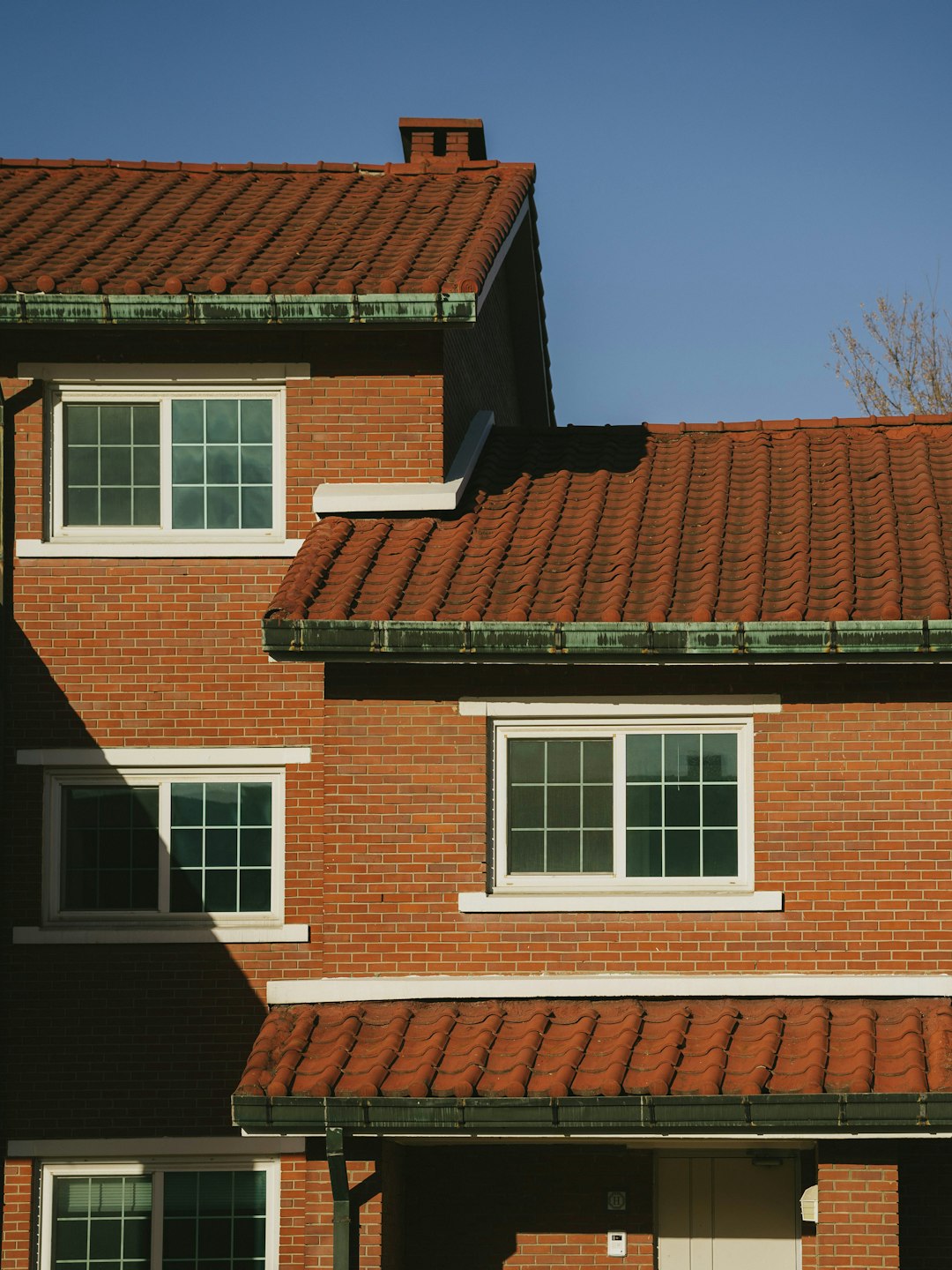
New Roof Financing: Your Complete Guide from a Roofing Contractor Who's Been There
I've been installing and replacing roofs for over 15 years. I've completed more than 1,200 residential roofing projects across Texas. I hold GAF Master Elite certification and am a CertainTeed SELECT ShingleMaster. I've seen firsthand how financing decisions impact homeowners for years to come. This article exists because I've watched too many good people struggle with the financial side of roofing. You need a new roof. That's a fact. But the question keeping you up at night isn't about shingles. It's about how to pay for it. This guide answers that exact question. I wrote this to give you the clarity I wish every homeowner had before signing a contract. The information here comes from my direct experience with hundreds of customer financing situations. It draws on real project data, manufacturer warranty requirements, and Texas building codes. My methodology is simple: show you all the options, explain the pros and cons from a contractor's perspective, and help you make a confident decision. No sales pitch. Just facts and experience.
Let's be honest. A new roof is a major investment. The national average cost ranges from $8,000 to $25,000. In Texas, with our weather extremes, quality materials and proper installation are non-negotiable. But that price tag can feel overwhelming. This guide will walk you through every financing path. We'll cover traditional loans, contractor programs, insurance claims, and even options you might not know exist. I'll share stories from actual homeowners I've worked with. You'll learn what worked for them and what they wish they'd known sooner. My goal is to save you time, stress, and potentially thousands of dollars. By the end, you'll understand your options as well as any contractor does. You'll be ready to have informed conversations and choose the right path for your family and budget.
Understanding the True Cost of a New Roof
Before discussing financing, you must understand what you're financing. A roof quote isn't just for shingles. It's a complete system. The cost includes several key components. First is material removal and disposal. We must safely tear off your old roof. This involves labor, dumpster fees, and hauling. Next is the deck inspection and repair. We check the wood sheathing underneath. Any rotten or damaged wood must be replaced. This is critical for a long-lasting roof. Then comes the underlayment. This is a water-resistant barrier installed over the deck. It provides a secondary layer of protection. After that, we install the primary roofing material. This could be asphalt shingles, metal, tile, or synthetic slate.
The cost also includes flashing and ventilation. Flashing seals joints and edges. Proper ventilation prevents heat and moisture buildup in your attic. Both are essential for performance and warranty compliance. Finally, there's labor, insurance, and overhead for the roofing company. A quality contractor carries proper liability and workers' compensation insurance. This protects you. They also pay their crew fair wages. These factors contribute to the final price. According to Remodeling Magazine's 2024 Cost vs. Value Report, a midrange asphalt shingle roof replacement averages $30,000 nationally with a 61% return on investment. In Texas, costs can vary based on size, pitch, and material choice.
Material Costs: Asphalt, Metal, and Tile Compared
Your material choice dramatically affects the total cost. Let's compare the three most common options. Asphalt shingles are the most popular. They are cost-effective and durable. A quality architectural shingle from GAF or CertainTeed can last 30 years or more. They come with strong warranties. Metal roofing is more expensive upfront. However, it offers superior longevity and energy efficiency. A standing seam metal roof can last 50+ years. It reflects solar heat, lowering cooling costs. Tile roofing, like concrete or clay, is common in certain Texas styles. It's very durable and fire-resistant. But it is heavy and requires a strong roof structure.
From a contractor's view, installation complexity differs for each. Asphalt is straightforward for trained crews. Metal requires precise measurements and specialized fasteners. Tile needs careful handling to avoid breakage. Your financing plan should consider not just the material cost, but the long-term value. A cheaper material with a shorter lifespan might cost more over time. I always advise homeowners to think in terms of cost per year. A $15,000 roof that lasts 15 years costs $1,000 per year. A $22,000 roof that lasts 30 years costs about $733 per year. Financing can help you afford the better long-term investment.
Hidden Costs and Necessary Line Items
Many homeowners are surprised by additional costs. These aren't hidden; they're just not always obvious. Permit fees are one example. Most municipalities require a permit for a reroof. The fee varies by location. It ensures the work meets local building codes. Another is chimney flashing repair. If your chimney flashing is old or damaged, it must be replaced. This is a separate material and labor cost. Skylight integration is another. If you have skylights, proper sealing is crucial. We might need special flashing kits.
Then there's the cost of upgraded components. For example, using synthetic underlayment instead of felt. It costs more but offers better protection. Using ice and water shield in critical areas, even in Texas, for added security against wind-driven rain. These items add to the project cost. A detailed, transparent quote should list them all. When evaluating financing, make sure the loan amount covers the full, detailed scope. You don't want to be short on funds mid-project. I've seen this happen, and it creates stress for everyone.
Traditional Financing Options for Homeowners
Traditional financing means going through established financial institutions. These are familiar paths for many homeowners. The most common is a home equity loan or line of credit (HELOC). You borrow against the equity in your home. Equity is your home's value minus what you owe on your mortgage. These loans often have lower interest rates. They are tax-deductible if you use the funds for home improvement. However, they use your home as collateral. This means if you can't pay, you risk foreclosure. You also need sufficient equity built up.
Another option is a personal loan from a bank or credit union. These are unsecured loans. They don't use your home as collateral. Approval is based on your credit score and income. Interest rates are typically higher than home equity loans. But the application process can be faster. The loan amount might be lower. A cash-out mortgage refinance is a third path. You refinance your existing mortgage for more than you owe. You take the difference in cash. This works if current interest rates are lower than your existing rate. It resets your mortgage term, however. You should consult a financial advisor for this option.
Home Equity Loans vs. Personal Loans: A Contractor's View
I've helped clients navigate both choices. Here's my practical perspective. Home equity loans are great for homeowners with strong equity and good credit. The process takes longer. You'll need an appraisal. Closing costs apply. But the low rate saves money over a 5-10 year term. It's ideal for a large, single expense like a roof. A HELOC works like a credit card. You have a draw period where you can take money as needed. This is useful if you're doing multiple projects. But the variable interest rate can be risky.
Personal loans are simpler. You can apply online. Funds can be available in days. There are no closing costs. The shorter term, often 3-7 years, means higher monthly payments. I've seen clients choose this for speed. They needed a roof quickly after storm damage. They didn't have time for a lengthy equity loan process. The key is to get pre-approved for an amount before getting roof estimates. Know your budget ceiling. This prevents the heartbreak of falling in love with a roof you can't finance. Always read the fine print on origination fees and prepayment penalties.
Using Credit Cards: The Pros and Cons
Some homeowners consider using credit cards. This is generally not advisable for a full roof. The interest rates are very high. It can quickly become unmanageable debt. However, there are two exceptions. First, if you have a card with a 0% introductory APR offer. You could charge the roof and pay it off during the promotional period. This requires discipline. You must pay it off before the high rate kicks in. Second, using a card for a small deposit. Some contractors require a deposit to schedule materials. Putting that on a card is fine if you pay the statement balance.
I once had a client put a $20,000 roof on a high-limit card. The interest rate was 22%. Their minimum payment barely covered the interest. After two years, they owed almost the same amount. They had to refinance into a personal loan at a lower rate. It was a stressful lesson. Credit cards are tools for convenience, not for major, long-term financing. If you go this route, have a solid, written plan to pay it off fast. Otherwise, the compounding interest will cost you far more than the roof itself.
Roofing Contractor Financing Programs
Many reputable roofing companies offer financing programs. They partner with third-party lenders. These are specialized loans for home improvement projects. The contractor handles much of the application process. It's convenient. You get a roof estimate and financing options in one place. These programs often feature promotional periods. You might see "0% interest for 18 months" or "low fixed rates." These can be excellent deals. But you must understand the terms completely.
These loans are typically installment loans. You borrow a set amount and make fixed monthly payments. The lender pays the contractor directly upon completion. This protects you. The contractor doesn't get paid until you're satisfied. From my experience, these programs are popular. They simplify the process for homeowners. However, not all contractor financing is equal. The interest rates and terms depend on the lender. Your credit score will determine your eligibility and rate. Always ask the contractor which lender they use. Research that lender's reputation independently.
How to Evaluate a Contractor's Financing Offer
Don't just look at the monthly payment. Dig deeper. First, ask for the full disclosure of terms. What is the Annual Percentage Rate (APR)? This includes interest and fees. It's the true cost of borrowing. Is the rate fixed or variable? Fixed rates are safer. They won't increase over the loan term. How long is the promotional period? What is the rate after that period ends? Sometimes a "0%" offer jumps to a very high rate later.
Second, ask about fees. Are there origination fees, application fees, or prepayment penalties? A prepayment penalty means you're charged for paying off the loan early. This is a red flag. Third, understand the payment schedule. When is the first payment due? Is it deferred? Sometimes payments don't start for 90 days. That can help with cash flow. Finally, ask about the impact on your credit. Will the lender do a soft or hard credit inquiry? A hard inquiry can temporarily lower your credit score. A trustworthy contractor will encourage these questions. They want you to be comfortable with the financial commitment.
The Reality of "Same-As-Cash" and Deferred Interest
"Same-as-cash" and "deferred interest" are common marketing terms. They are not the same as 0% interest. Here's the critical difference. With a true 0% interest loan, you pay no interest at all. With a deferred interest loan, interest is accruing in the background during the promotional period. If you pay the entire balance before the promotion ends, the interest is waived. If you have even $1 remaining when the period ends, you are charged ALL the accrued interest from day one. This can be a massive, unexpected bill.
I explain this to every client considering such offers. You must be 100% certain you can pay the full balance on time. Set reminders. Make a payment plan. Consider setting up automatic payments. These offers are beneficial if used correctly. They let you use the bank's money for free for a while. But they are dangerous if misunderstood. Always get the deferred interest terms in writing. Ask the lender to explain exactly what happens if the balance isn't paid in full. Clarity prevents financial shock later.
Navigating Insurance Claims for Roof Replacement
Sometimes, a new roof is not a planned upgrade but a necessary repair from damage. Storm damage from hail or wind is common in Texas. If your roof is damaged by a covered peril, your homeowner's insurance may pay for replacement. This is not "financing" in the traditional sense, but it's a crucial way to fund a roof. The process is specific. First, you file a claim with your insurance company. They send an adjuster to inspect the damage. The adjuster determines if the damage is covered and estimates the repair cost.
You then hire a roofing contractor. A good contractor will meet with the adjuster. They will provide a detailed estimate for the full scope of work. Often, the insurance company's initial estimate is low. It may not include all necessary code upgrades or full material replacement. Your contractor can negotiate with the adjuster for a fair settlement. This is called supplementing the claim. The goal is to get a settlement that covers a complete, code-compliant roof installation. You are responsible for paying your insurance deductible. The insurance company pays the rest directly to you or your mortgage company.
Working with a Roofing Contractor on an Insurance Claim
Choose your contractor carefully for insurance work. Look for a company experienced in insurance claims. They should be willing to work directly with your adjuster. They should provide a detailed, line-item estimate matching insurance claim forms. Be wary of contractors who offer to "waive your deductible." This is illegal in Texas and many states. It's insurance fraud. A reputable contractor will explain your deductible responsibility upfront.
The contractor's role is to be your advocate. They document the damage with photos and measurements. They write an estimate using software like Xactimate, which insurance companies use. They attend the adjuster's inspection. They point out damage the adjuster might miss. They ensure the estimate includes all Texas building code requirements. For example, if code now requires stronger nail patterns or ice and water shield in valleys, that cost should be included. A good contractor fights for you to get a full, fair settlement. This maximizes your insurance benefit and minimizes your out-of-pocket cost.
What to Do If Your Claim Is Denied
Insurance claim denials happen. The most common reason is "wear and tear." Insurance covers sudden, accidental damage, not deterioration over time. If your claim is denied, you have options. First, request a copy of the adjuster's report. Review it for errors. Ask your contractor to review it too. They might see technical mistakes. Second, you can request a re-inspection. Ask for a different adjuster or a supervisor. Provide additional evidence from your contractor.
Third, you can file an appeal with your insurance company. Follow their formal appeals process. Submit a letter with your contractor's report and photos. Fourth, you can contact the Texas Department of Insurance. They regulate insurance companies and can assist with complaints. As a last resort, you may need to hire a public adjuster. They work for you, not the insurance company. They charge a percentage of the settlement. Or you might consider an attorney specializing in insurance disputes. Denial doesn't always mean the end. Persistence and proper documentation can sometimes reverse the decision.
Government and Energy Efficiency Programs
Some financial assistance comes from government or utility programs. These are less common but worth exploring. The Federal Housing Administration (FHA) offers a Title I loan program. It's for home improvements that improve basic livability or safety. A roof replacement often qualifies. These are fixed-rate loans offered through FHA-approved lenders. They have specific loan limits. Your local city or county might have grant or loan programs for low-income homeowners or seniors. These are often for critical repairs. Contact your local housing authority.
Energy efficiency programs are another avenue. If you're installing a cool roof or adding solar-ready components, you might qualify for rebates or incentives. Cool roofs reflect more sunlight. They reduce cooling costs. Some utility companies offer rebates for installing ENERGY STAR® rated roofing products. Check with your local electric utility. Also, explore federal tax credits. While there isn't currently a direct federal tax credit for a standard roof replacement, there are credits for solar roofing systems or certain energy-efficient upgrades. The rules change, so consult a tax professional or the U.S. Department of Energy website for current programs.
PACE Financing: A Specialized Option
Property Assessed Clean Energy (PACE) financing is available in some areas. It allows you to finance energy-efficient, wind-resistant, or water-conserving improvements. The loan is repaid through a special assessment on your property tax bill. The key feature is that the obligation is tied to the property, not the person. If you sell the home, the remaining balance typically transfers to the new owner. This can be a pro or a con. It allows for longer repayment terms. This can make monthly payments lower.
However, PACE has critics. Because it's a tax assessment, it takes priority over your mortgage. If you fail to pay, you could lose your home to tax foreclosure. It also must be fully disclosed and paid off when you sell. This can complicate a home sale. If you consider PACE, read all documents carefully. Ensure the roofing improvements qualify under the program's guidelines. Understand the total financing cost over the full term. Compare it with other options. It's a niche product that can work in specific situations but requires thorough due diligence.
Creating Your Personal Roof Financing Plan
Now, let's build a practical plan. Start by assessing your situation. Get 2-3 detailed written estimates from licensed, insured, and reputable roofing contractors. Each estimate should have the same scope: materials, labor, warranty, and timeline. Don't choose based on price alone. Choose based on value, reputation, and clarity. Next, review your financial health. Check your credit score. You can get a free report from AnnualCreditReport.com. Know your debt-to-income ratio. Lenders will look at this.
Then, list all potential funding sources. This includes savings, potential insurance claim, available credit, and loan options. Be realistic. How much can you comfortably pay per month? Use online loan calculators to model different scenarios. A $15,000 loan at 7% for 10 years is about $174 per month. For 5 years, it's about $297 per month. Choose a term that fits your budget without straining it. Finally, talk to professionals. Discuss options with your contractor. Consult with a loan officer at your bank or credit union. If using insurance, communicate clearly with your agent. A plan reduces anxiety and leads to better decisions.
Case Study: The Johnson Family Roof Replacement
Let me share a real example from last year. The Johnsons had a 20-year-old roof with scattered hail damage from a spring storm. Their insurance adjuster approved a repair, not a full replacement. My inspection showed the repair wouldn't be sufficient. The shingles were at the end of their lifespan. We helped them supplement the claim with evidence of functional damage. The insurance company eventually approved a full replacement, minus their $1,500 deductible. The Johnsons didn't have $1,500 in cash readily available. They also wanted to upgrade to a better shingle with a longer warranty, which added $2,000 to the cost.
Their total out-of-pocket need was $3,500. They explored options. A home equity loan was too slow. A personal loan had a high rate due to their average credit. They chose our contractor's financing partner, which offered 0% interest for 18 months on amounts over $2,000. They financed the $3,500. They set up automatic monthly payments of $195. They paid it off in full in 17 months, avoiding all interest. The key was their discipline. They budgeted for the payment and stuck to the plan. They got a high-quality roof with a 50-year warranty, mostly paid by insurance, with a manageable financing plan for their share. This is a common successful path.
Case Study: The Garcia's Planned Upgrade
The Garcias had no storm damage. Their roof was simply old and leaking in one area. They planned the replacement. They got three estimates, ranging from $18,000 to $25,000. They chose a mid-range quote of $21,000 for a quality architectural shingle system. They had $8,000 in savings earmarked for home projects. They needed to finance $13,000. Their credit union offered a home improvement personal loan at 6.5% for 7 years. The monthly payment was about $193. However, they also had substantial equity in their home.
They applied for a HELOC. They were approved for $40,000 at 4.5% variable rate. They drew $13,000 for the roof. Their initial payment was interest-only, about $49 per month. They decided to pay $250 per month to pay it down faster. This gave them flexibility. They used the remaining HELOC line later to replace their HVAC system. By using their equity, they got a lower rate and kept their savings intact for emergencies. Their planning over a year in advance allowed them to shop for the best financing, not just the best roof. This is the power of a proactive approach.
Frequently Asked Questions (FAQ)
What credit score do I need for roof financing?
Requirements vary by lender. For the best contractor financing programs with 0% offers, you typically need a FICO score of 700 or higher. For standard programs, scores in the 640-680 range may qualify, but with a higher interest rate. Home equity loans often require scores above 680. It's always best to check your score before applying so you know what to expect.
Can I finance a roof with bad credit?
It is more difficult but not impossible. Some lenders specialize in loans for borrowers with lower credit scores. Be prepared for higher interest rates, possibly over 15-20%. You might need a co-signer. Another option is to save for a larger down payment to reduce the loan amount. Some contractors offer in-house payment plans, but these are less common. Improving your credit score by even 50 points before applying can save you thousands in interest.
How long does roof financing approval take?
For contractor partner financing, approval can be instant or within a few hours online. For home equity loans, the process takes 2-6 weeks because it involves an appraisal and more paperwork. Personal loans from banks or online lenders can take 1-7 business days. If you need a roof urgently due to a leak, discuss timeline with your contractor. They may start work with a deposit while financing is finalized.
Does financing affect my roof warranty?
No. The manufacturer's warranty on your roofing materials and the contractor's workmanship warranty are separate from your financing agreement. As long as the roof is installed correctly by a certified installer using the specified materials, the warranty is valid. Keep your warranty paperwork and proof of payment in a safe place. The financing company has no claim on your warranty.
Should I tell my contractor my budget?
Yes, being transparent about your budget is helpful. A reputable contractor can tailor the scope and material choices to fit your financial constraints. They can show you options at different price points. For example, they might suggest a 30-year shingle instead of a 50-year one to lower cost. Or they can phase certain optional items. Honesty prevents you from getting an estimate you love but can't afford, saving everyone time.
What happens if I can't make a payment?
Contact your lender immediately. Do not ignore missed payments. Most lenders have hardship programs. They may allow you to defer a payment or modify your plan. Ignoring it will damage your credit and may lead to late fees and default. If you financed through a contractor program, the contractor is not responsible for your loan. Your agreement is with the lender. Communication is key to finding a solution.
Is it better to pay cash or finance a roof?
It depends on your financial situation. Paying cash avoids interest and debt. It's the simplest method. However, it depletes your savings. Financing allows you to keep cash reserves for emergencies. If you can get a low interest rate, financing can make sense. Also, if you have high-interest debt, it might be better to pay that off first and finance the roof at a lower rate. There's no one right answer. Consider your overall financial picture and comfort with debt.
Conclusion: Taking the Next Step with Confidence
Financing a new roof is a significant decision. But it doesn't have to be a scary one. You now have a contractor's perspective on all the major options. You understand the costs, the loan types, and the insurance process. You've seen real examples of how other homeowners made it work. The most important step is to start with a professional roof inspection. Know exactly what you need. Then, gather your financial information. Review your credit, equity, and savings. Compare at least two financing paths. Get quotes in writing.
Remember, a roof is a long-term investment in your home's safety, efficiency, and value. The right financing plan makes that investment accessible. Don't let the upfront cost delay necessary protection for your family and belongings. Use this guide as a reference. Ask your contractor detailed questions. Choose a path that aligns with your budget and gives you peace of mind. A well-installed, properly financed roof will serve you well for decades. You've got this. Now, take that first step and get your roof evaluated. Your future, dry, secure home awaits.