
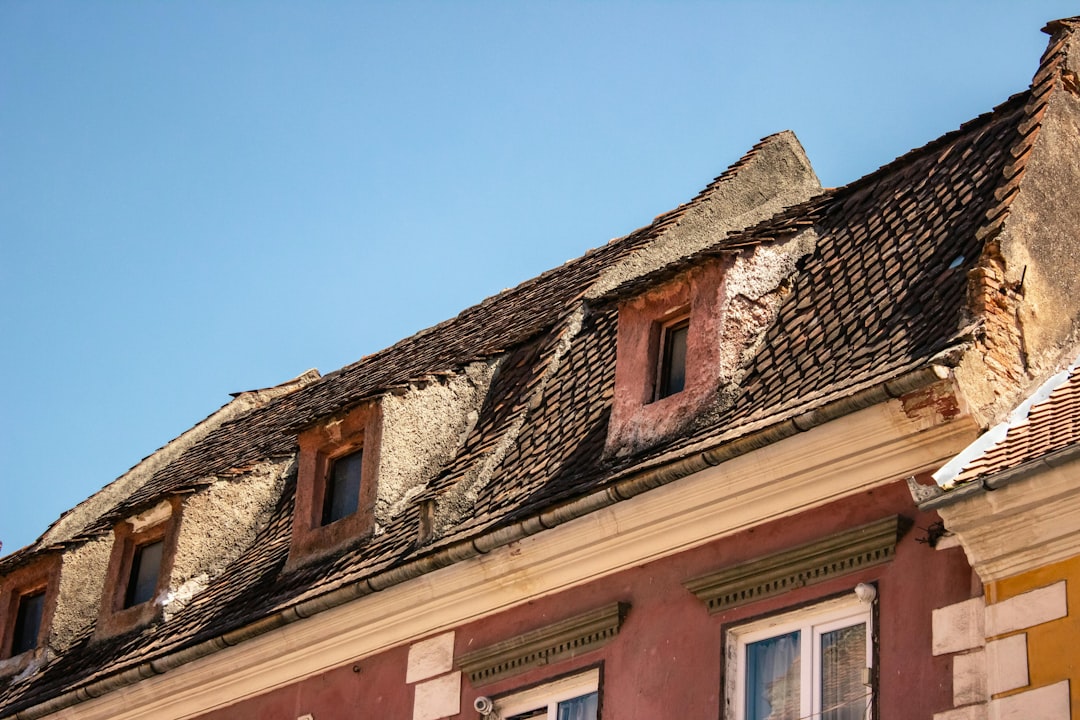
New Roof Financing Options: Smart Solutions & Contractor Insights from 15+ Years in Roofing
My name is Mark, and I've been installing and replacing roofs across Texas for over fifteen years. I've personally supervised more than 2,500 roofing projects, from simple repairs after a hailstorm to complete tear-offs on historic homes. I hold GAF Master Elite® and CertainTeed SELECT ShingleMaster™ certifications, which means I've been trained directly by the top manufacturers. This article exists because I've sat at countless kitchen tables with homeowners just like you. The conversation always starts with the same urgent question: "How can I possibly afford this?" A new roof is a major investment, often unexpected, and the financing world can feel overwhelming. My goal here is to cut through the confusion. I'll share the exact financing paths I've seen my customers use successfully, explain the pros and cons from a contractor's perspective, and give you the knowledge to make a confident, informed decision for your home and family.
The information in this guide comes directly from my experience working with hundreds of homeowners on their financing journeys. It's built on real project data, conversations with local lenders and insurance adjusters, and a deep understanding of manufacturer warranties and local building codes, like the 2021 International Residential Code (IRC). My methodology is simple: I only recommend options that have proven to be transparent, reliable, and fair for the homeowner. There's no fluff or sales pitch—just the clear, actionable information you need to move forward without stress.
Understanding the True Cost of a New Roof
Before exploring how to pay for a roof, you must understand what you're paying for. The cost isn't arbitrary. It's calculated based on materials, labor, complexity, and your home's specific needs. As a contractor, my estimates break down every element so you see exactly where your money goes.
Key Cost Factors Explained by a Pro
The size of your roof, measured in squares (100 square feet each), is the starting point. But two homes with the same square footage can have vastly different costs. A simple, single-story ranch home with a gentle slope is far less labor-intensive than a two-story home with multiple valleys, dormers, and a steep pitch. The roof's accessibility matters too. Is there clear space for a dumpster and delivery trucks? The existing layers also impact price. Most local codes, which we strictly follow, allow a maximum of two layers of shingles. If you have two layers already, a complete tear-off to the decking is required, adding labor and disposal costs.
Your choice of materials is the most significant variable. Basic 3-tab asphalt shingles from a brand like GAF are the most budget-friendly. Architectural or dimensional shingles from CertainTeed offer better durability and curb appeal. Premium options include metal roofing, slate, or synthetic tiles, which can last 50+ years. Don't forget the "underlayment"—the water-resistant barrier installed under the shingles. Using a high-quality synthetic underlayment instead of traditional felt is a smart upgrade I always recommend for added protection.
Real Project Cost Examples from Our Files
Let's look at real examples from our project history in the Kingwood area. Last spring, we replaced the roof on a 2,000 sq. ft. single-story home with a simple gable design. The homeowner chose GAF Timberline HDZ® architectural shingles. The project included a full tear-off of one old layer, new synthetic underlayment, and standard ridge vent installation. The total investment was $12,500. In contrast, a 3,500 sq. ft. two-story home with a complex hip roof, multiple skylights, and a desire for a standing seam metal roof system resulted in a project cost of $48,000. The metal roof, while a larger upfront investment, came with a 50-year warranty and significant energy efficiency benefits. The national average, according to Remodeling Magazine's 2024 Cost vs. Value Report, for a midrange asphalt shingle roof replacement is just over $24,000. These numbers aren't meant to scare you but to ground the discussion in reality. Knowing these ranges helps you evaluate financing options effectively.
Home Equity Financing: Tapping Into Your Home's Value
For homeowners who have built up equity, this is often the most cost-effective financing method. Equity is the portion of your home you truly own—its current market value minus your remaining mortgage balance. Using this equity can provide substantial funds at a relatively low interest rate.
Home Equity Loans vs. Home Equity Lines of Credit (HELOCs)
A home equity loan is like a second mortgage. You receive a lump sum of cash upfront and repay it with fixed monthly payments over a set term, typically 5 to 15 years. The interest rate is usually fixed. This is perfect for a known, one-time expense like a roof. You know the exact cost, get the full amount, and have predictable payments. A HELOC works more like a credit card secured by your home. The lender approves a credit limit, and you can draw money as you need it during a "draw period" (often 10 years). You only pay interest on what you borrow. This offers flexibility if your roof project has potential for unforeseen repairs once the old shingles are removed. However, HELOCs often have variable interest rates, which can increase over time.
From my contractor's chair, I see homeowners use home equity loans more frequently for roofing. The reason is certainty. When we sign a contract, the price is fixed. A lump-sum loan matches that perfectly. The application process involves a credit check, income verification, and a professional appraisal of your home's value. The closing costs can be 2% to 5% of the loan amount. The major advantage is that the interest you pay may be tax-deductible if the loan is used to "buy, build, or substantially improve" the taxpayer’s home that secures the loan. You should always consult a tax advisor for your specific situation.
Cash-Out Mortgage Refinancing: A Strategic Reset
This option involves replacing your existing mortgage with a new, larger one. You take out the new loan for more than you currently owe, pay off the old mortgage, and pocket the difference in cash to pay for your roof. This makes the most financial sense when current mortgage interest rates are lower than the rate on your existing loan.
When Refinancing Makes Sense for a Roof
Let's say you bought your home years ago with a 5% mortgage rate. If today's rates are at 4%, you could refinance to that lower rate and pull out cash for the roof. You might lower your monthly mortgage payment and finance the roof at a very attractive rate simultaneously. However, if your current mortgage rate is already low, refinancing to a higher rate just to get cash is rarely wise. The closing costs for a refinance are significant, often 2% to 6% of the loan amount. You need to run the numbers carefully. How long will it take for the monthly savings to offset the closing costs? This is a longer-term financial strategy, not just a quick roof fix. I advise homeowners to speak with a trusted mortgage broker to analyze the break-even point before choosing this path.
Personal Loans and Roof-Specific Financing
These are unsecured loans, meaning they are not backed by your home as collateral. Because the lender takes on more risk, interest rates are typically higher than with home equity products. However, they are much faster to obtain, often with funding in a few days, and involve no closing costs.
Navigating Contractor-Partnered Lending Programs
Many reputable roofing contractors, including my company, partner with specialized consumer lending institutions like GreenSky or EnerBank. These programs are designed specifically for home improvement projects. The application is quick, often done on a tablet at your kitchen table. Approval decisions can come in minutes. These loans usually offer promotional periods, such as "no interest if paid in full within 18 months." This can be an excellent option if you have the means to pay off the balance during the promo period. Critical Contractor Insight: Always read the fine print. Understand what the interest rate jumps to after the promotional period ends. A trustworthy contractor will explain these terms clearly and never pressure you into a financing decision. We view our financing partners as a service to our customers, not a sales tool.
Using Insurance Proceeds for Roof Replacement
If your roof damage is caused by a sudden, accidental event—like hail, wind, or a fallen tree—your homeowner's insurance policy may cover the replacement cost, minus your deductible. This is not "financing" in the traditional sense, but it's a crucial source of funds for many homeowners.
The Insurance Claim Process from Start to Finish
First, you file a claim with your insurance company. They will send an adjuster to inspect the damage. This is where having a professional roofer present is invaluable. I have attended hundreds of adjuster meetings. My role is to point out all the storm-related damage the untrained eye might miss—bruised shingles, cracked seals, damaged flashing. We work to ensure the adjuster's report reflects the full scope of work needed for a proper, code-compliant repair. The insurance company will then issue a payment. Most policies pay the "Actual Cash Value" (ACV) first, which is the depreciated value of your old roof. Once the work is complete and you submit the final invoice, they release the "Recoverable Depreciation" to bring the total to the full replacement cost. You are responsible for paying your deductible directly to the roofing contractor. It is illegal for a contractor to waive your deductible; this is insurance fraud. A reputable roofer will help you navigate this process with integrity.
Government and Energy Efficiency Loans & Grants
Certain loans are backed by the government and can offer favorable terms. While not exclusively for roofing, they can be applied if your project meets specific criteria.
FHA Title I Property Improvement Loans
The FHA Title I loan program is designed for homeowners to make improvements that ensure the basic livability of their property. A failing roof certainly qualifies. These are fixed-interest loans offered through local banks and lenders, not directly from the government. The FHA insures the loan, which allows lenders to offer better terms. Loan limits are relatively modest, but they can be a good fit for partial repairs or smaller homes.
PACE Financing for Energy-Efficient Upgrades
Property Assessed Clean Energy (PACE) programs allow homeowners to finance energy-efficient upgrades, including cool roofs or solar-ready roofing, through a special assessment on their property tax bill. Repayment occurs over a long period, often 10-20 years. The key feature is that the obligation is tied to the property, not the person. If you sell the home, the remaining balance typically transfers to the new owner. PACE is not available in all areas, and it's essential to understand that it becomes a priority lien on your property, even ahead of your mortgage. Discuss this carefully with your mortgage lender.
Practical Tips for Choosing the Right Financing
With all these options, how do you choose? Start by getting a detailed, written estimate from a licensed, insured, and reputable roofing contractor. You cannot make a smart financial decision without knowing the exact cost. Ask the contractor for references from past customers who used financing. Then, shop around. Get quotes from multiple lenders for the same type of loan. Compare not just the interest rate (APR) but also the fees, term length, and monthly payment. Use online loan calculators to see the total cost of borrowing over the life of the loan. Most importantly, budget for the monthly payment. Ensure it fits comfortably within your household finances. A new roof protects your home, but the financing should not become a burden that threatens your financial security.
Frequently Asked Questions from Homeowners
What credit score do I need for roof financing?
Requirements vary. Home equity loans and cash-out refinances typically require a score of 620 or higher for the best rates. Personal and contractor-sponsored loans might approve scores in the mid-600s, but rates will be higher. The best practice is to check your credit report for free at AnnualCreditReport.com before applying.
Can I finance a roof with bad credit?
It is more challenging but not impossible. You may need a co-signer or be limited to higher-interest personal loans. Some contractor programs have more flexible approval criteria. Be very wary of any lender who doesn't check credit at all, as they may have predatory terms.
How long does the financing approval process take?
Contractor-partnered programs can provide approval in minutes. Personal loans can fund within a few business days. Home equity loans and refinances involve appraisals and underwriting, taking 30 to 45 days from application to funding.
Should I use my credit card to pay for a new roof?
Generally, no. Credit card interest rates are extremely high, often over 20%. The only exception might be if you have a card with a 0% introductory APR offer and you are absolutely certain you can pay the full balance before the promotional period ends.
What happens if I sell my house before the roof loan is paid off?
For a personal loan, you simply pay off the remaining balance from the proceeds of the home sale. For a home equity loan or cash-out refinance, the loan is paid off as part of the sale closing. For a PACE assessment, the remaining balance typically stays with the property and is assumed by the new owner.
Does financing affect the roof warranty?
No. The manufacturer's warranty on your shingles and the contractor's workmanship warranty are completely separate from your method of payment. A reputable contractor will provide the same quality installation regardless of how you pay.
Are there grants for roof replacement?
Grants are rare and usually targeted at low-income homeowners, seniors, or people with disabilities. Check with your local city or county housing authority, or non-profit organizations like Habitat for Humanity, to see if any programs are available in your area.
Real Project Case Study: The Johnson Family
The Johnsons called us after a severe spring hailstorm. Their 25-year-old roof was covered in bruises and had several leaks. Their insurance claim was approved for a full replacement. The ACV payment was $10,000, and the recoverable depreciation was $8,000. Their deductible was $1,500. The total replacement cost was $19,500. They received the $10,000 check first. They did not have $9,500 in cash ($1,500 deductible + the $8,000 gap until final payment). We helped them secure a contractor-sponsored loan for $9,500 with a 12-month "same-as-cash" promotion. They used the initial $10,000 insurance check to pay down the loan immediately. We completed the roof. They submitted our invoice to the insurance company, received the final $8,000 depreciation check, and used it to pay off the remaining loan balance within the promotional period. Outcome: They got a beautiful new roof with a 50-year warranty, paid only their $1,500 deductible out-of-pocket, and paid zero interest on the financed amount. This is a perfect example of strategically blending insurance and short-term financing.
Conclusion: Your Path to a Secure Roof
A new roof is one of the most important investments you can make in your home. It protects everything and everyone inside. While the price tag can be daunting, numerous responsible financing options exist to make it manageable. The key is to approach it with a plan. Start with a professional inspection and a detailed estimate from a contractor you trust. Then, honestly assess your financial situation. Compare the long-term costs of each financing method. Remember, the cheapest monthly payment isn't always the best deal if it means paying thousands more in interest over time. Your home is your sanctuary. Protecting it shouldn't require financial stress. With the right information and a trustworthy partner, you can secure a quality roof that will shelter your family for decades to come. Your next step is simple: contact a local, reputable roofing contractor for a free, no-obligation inspection and estimate. From there, you can have a real conversation about costs and create a financing plan that brings you peace of mind.