
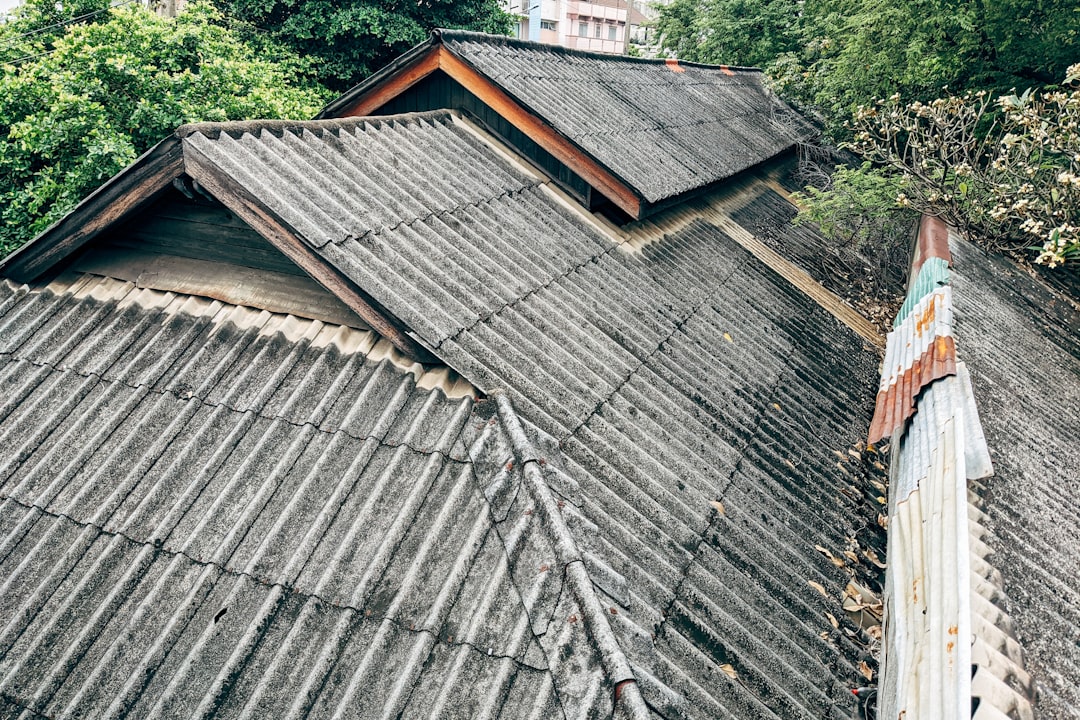
Loan for Roof Replacement: Your Complete Guide from a Texas Roofer with 18 Years of Experience
I have been a licensed roofing contractor in Texas for 18 years. My team and I have completed over 2,500 roofing projects. We hold certifications from major manufacturers like GAF and Owens Corning. This hands-on experience gives me a unique perspective on the real costs and challenges homeowners face. I have seen countless families struggle with the financial burden of a new roof. This article exists to solve that exact problem. It answers the critical question: How can you affordably finance a necessary roof replacement without making a poor financial decision? We will explore all your options with complete transparency. The information here comes from real customer projects, industry cost data, manufacturer specifications, and Texas building codes. My goal is to save you time, stress, and money. You will learn how to navigate loans, choose materials, and work with contractors confidently.
This guide is built on real-world experience, not just theory. I have helped hundreds of homeowners in Kingwood and across Texas secure financing. I have seen what works and what leads to regret. The methodology behind my recommendations is simple. I base them on successful project outcomes and customer satisfaction. We will cover everything from understanding different loan types to selecting the right shingles for our climate. You will get practical, actionable advice you can use immediately. This is the comprehensive resource I wish every homeowner had before starting their roof replacement project. Let's begin by understanding why a new roof is such a significant investment.
Understanding the True Cost of a Roof Replacement
A new roof is one of the largest investments you will make in your home. The cost is not just about shingles and labor. Many factors influence the final price. Your roof's size, pitch, and complexity are the biggest drivers. A simple, low-pitch roof costs less than a steep, multi-gabled roof with many valleys. The type of roofing material you choose has a massive impact on cost. Basic asphalt shingles are the most affordable option. Premium materials like metal, tile, or slate cost significantly more. The cost of removing and disposing of your old roof is also a major factor. This is called tear-off and disposal.
Breaking Down the Cost Components
Every roofing estimate should include several line items. The first is materials. This includes shingles, underlayment, nails, flashing, and ventilation components. Labor is the second major cost. A skilled crew needs to remove the old roof and install the new one properly. The third cost is waste disposal. Old shingles and nails must be hauled away to a certified facility. Permits are the fourth cost. Most cities in Texas require a permit for a full roof replacement. The final cost is often overhead and profit for the roofing company. A legitimate business has insurance, licensing fees, and equipment costs. A suspiciously low bid often cuts corners in these areas.
According to industry data from Remodeling Magazine's Cost vs. Value Report, the average roof replacement cost varies widely. In the South Central U.S. region, which includes Texas, the average cost for a mid-range asphalt shingle roof is around $30,000. A premium upgrade can exceed $45,000. These numbers are averages. Your specific project could be higher or lower. I recently completed a project for a family in Kingwood. Their home was 2,800 square feet with a moderately complex roof. The total cost for a quality GAF Timberline HDZ shingle roof was $28,500. This included full tear-off, synthetic underlayment, and new pipe flashings. Understanding these real costs is the first step in planning your financing.
Exploring Your Roof Replacement Loan Options
Most homeowners cannot pay for a new roof with cash. This is where financing becomes essential. There are several types of loans available. Each has different terms, interest rates, and qualification requirements. The right loan for you depends on your financial situation, credit score, and home equity. Let's examine the most common options in detail. I have helped customers navigate all of these paths. I will share the pros and cons from a contractor's perspective.
Home Equity Loan or Line of Credit (HELOC)
A Home Equity Loan provides a lump sum of cash based on your home's equity. You repay it with fixed monthly payments over a set term. A Home Equity Line of Credit (HELOC) works like a credit card. You have a credit limit to draw from as needed. Both options use your home as collateral. This means they typically offer lower interest rates than personal loans. The interest may also be tax-deductible if you use the funds for home improvement. However, there are significant risks. Since your home is collateral, you could face foreclosure if you fail to repay. The application process can be lengthy. It involves a credit check, income verification, and a home appraisal. This option is best for homeowners with substantial equity and strong credit.
FHA 203(k) Rehabilitation Loan
The FHA 203(k) loan is a government-backed mortgage program. It allows you to finance both the purchase of a home and its repairs. You can also use it for a major renovation on a home you already own. This loan rolls the cost of the roof replacement into your mortgage. The advantage is a potentially low interest rate and a long repayment period. The disadvantage is the complex process. All work must be done by a contractor approved by the FHA. The project must meet specific guidelines. This loan is ideal for homeowners doing a full-home renovation, not just a roof.
Personal Loans
Personal loans are unsecured loans from banks, credit unions, or online lenders. They do not use your home as collateral. This makes the application process faster. You can often get funds within a few days. However, because there is no collateral, interest rates are usually higher. Loan amounts may also be lower than with a home equity product. Your credit score is the primary factor in determining your rate. A personal loan is a good option if you need money quickly. It is also suitable if you do not have much home equity or want to avoid risking your home.
Roofing Contractor Financing
Many reputable roofing companies partner with lending institutions. They offer financing programs directly to customers. These are often personal loans or lines of credit facilitated by the contractor. The benefit is convenience. You can get an estimate and apply for financing in one place. Some contractors offer promotional rates like "no interest if paid in full within 12 months." You must read the fine print carefully. These deals often have very high deferred interest rates if you miss the promotional period. Always ask who the actual lender is. Check the Annual Percentage Rate (APR) and all fees. A trustworthy contractor will be transparent about these details.
How to Choose the Right Roofing Material for Your Loan
Your financing decision is closely tied to your material choice. A more expensive material requires a larger loan. You must balance upfront cost with long-term value. In Texas, we face harsh sun, heavy rain, and occasional hail. Your roof must withstand these elements. Let's compare the most common materials from a practical, cost-focused perspective.
Asphalt Shingles: The Cost-Effective Standard
Asphalt shingles are the most popular choice in America. They offer a good balance of affordability, durability, and aesthetics. Modern architectural or dimensional shingles are a huge upgrade from old 3-tab shingles. Brands like GAF Timberline HDZ and Owens Corning Duration are excellent. They have algae resistance and strong wind warranties. A quality asphalt shingle roof should last 25 to 30 years in Texas. This material is often the best fit for a financed project. It provides reliable performance without the extreme cost of premium options.
Metal Roofing: Long-Term Investment
Metal roofing costs about twice as much as asphalt shingles. However, it can last 40 to 70 years. It is highly resistant to fire, wind, and hail. Metal roofs are also energy-efficient. They reflect solar heat, which can lower cooling costs in our Texas summers. If you plan to stay in your home for decades, financing a metal roof can be a wise investment. The higher monthly loan payment may be offset by longevity and energy savings. Standing seam metal panels are the premium choice. Metal shingles that mimic the look of tile or wood are also available.
Tile and Slate: Premium Aesthetics
Clay tile and slate roofs are the most expensive options. They offer unmatched beauty and an extremely long life—often 50 to 100 years. The major drawback, besides cost, is weight. Your home's structure must be evaluated to support the heavy load. Financing a tile or slate roof requires a significant loan. This is typically only considered for high-value homes where the investment matches the property's worth. For most homeowners using a loan, asphalt or metal provides better value.
The Step-by-Step Process: From Loan to Finished Roof
Knowing the steps involved will make the process less stressful. A well-organized project runs smoothly. Here is a proven method based on hundreds of successful installations.
Step 1: Get a Professional Inspection and Detailed Estimate. Do not rely on satellite measurements. A reputable contractor will inspect your roof in person. They will check for decking damage, ventilation issues, and flashing conditions. The estimate should be detailed and in writing. It should list all materials by brand and type. It should include the scope of work, warranty information, and a projected timeline.
Step 2: Secure Your Financing. Once you have a firm estimate, apply for your chosen loan. Get pre-approval if possible. This shows contractors you are a serious buyer. Do not sign a loan agreement until you have a signed contract with your roofer.
Step 3: Sign a Comprehensive Contract. Your contract is your protection. It should include the total price, payment schedule, start and completion dates, and a detailed description of work. It must specify who is responsible for obtaining permits. It should include clauses about cleanup and debris removal. Verify the contractor's license and insurance information is on the contract.
Step 4: Prepare Your Home and Family. Roofing is loud and disruptive. Move cars away from the house. Secure loose items in your attic and on walls. Cover items in your garage from dust. Consider plans for pets and children during work hours. The crew will protect your landscaping with tarps.
Step 5: Installation and Final Inspection. A typical roof replacement takes 1 to 3 days. A project manager should be on-site. Once work is complete, do a walk-around inspection with the foreman. Check the gutters for nails. Look at the roof lines for consistency. Ensure all vents and flashings look properly sealed. The contractor should provide you with warranty paperwork and before/after photos.
Practical Tips from Real Roofing Projects
Here is wisdom gathered from 18 years in the field. These tips can save you money and prevent headaches.
- Get Multiple Estimates: Always get at least three detailed estimates. Do not automatically choose the lowest bid. Compare the scope of work, materials, and warranties. A very low price often means inferior materials or hidden costs.
- Check Credentials Thoroughly: Verify the contractor's license with the Texas Department of Licensing and Regulation (TDLR). Ask for proof of liability insurance and workers' compensation. Check their rating with the Better Business Bureau.
- Understand the Warranty: There are two warranties: the manufacturer's warranty on the materials and the contractor's warranty on the workmanship. The manufacturer's warranty often requires the contractor to be "certified" or "master elite" for full coverage. Ask for copies of both.
- Never Pay the Full Amount Upfront: A reasonable payment schedule is a deposit to secure materials (10-30%), a progress payment, and the final payment upon satisfactory completion. Never pay 100% before work begins.
- Consider Insurance First: If your roof damage is from a storm, file an insurance claim before seeking a loan. Your homeowner's insurance may cover the replacement cost, minus your deductible. A good contractor can help you navigate the claims process.
Frequently Asked Questions (FAQ)
What credit score do I need for a roof loan?
A good credit score (670 or above) will get you the best rates. Some lenders offer loans with scores in the 600s, but interest rates will be higher. Contractor financing programs sometimes have more flexible requirements. Check your credit report before applying to correct any errors.
Can I include roof repairs in a mortgage refinance?
Yes, a cash-out refinance is another option. You replace your existing mortgage with a new, larger one and take the difference in cash. This can make sense if current mortgage rates are lower than your existing rate. Closing costs can be high, so calculate the break-even point carefully.
How long does the loan approval process take?
Personal loans and contractor financing can be approved in 1-3 business days. Home equity loans and HELOCs take longer, often 2-6 weeks, due to the appraisal and underwriting process. Plan your timeline accordingly, especially if you have an active leak.
Will getting a roof loan increase my home's value?
Absolutely. A new roof is a major home improvement that directly increases curb appeal and property value. It is also a key item inspected during a home sale. According to the Cost vs. Value report, a mid-range roof replacement recoups about 60% of its cost in added home value immediately.
Should I replace my roof before selling my house?
This is a complex decision. A new roof can make your home sell faster and for a higher price. However, you may not recoup 100% of the cost. An alternative is to get a pre-listing inspection. Then you can offer a roofing credit to the buyer or negotiate a lower price. If the roof is visibly failing, replacing it is usually the best choice.
What is the difference between a roof repair and a full replacement loan?
Repair loans are typically smaller and shorter-term. If repairs are extensive (over 25-30% of the roof), most building codes and insurance companies recommend a full replacement. A full replacement loan is larger but finances a complete, warrantied solution that will last decades.
Are there grants or assistance programs for roof replacement?
Some local government programs or non-profits offer assistance for low-income homeowners or seniors. The USDA offers repair loans and grants for rural homeowners. These programs have strict income limits and waiting lists. Your local housing authority is the best place to inquire.
Real Project Case Study: The Johnson Family
The Johnsons live in a 1990s home in Kingwood. After a hailstorm, they discovered several leaks. Their insurance adjuster deemed the roof a total loss. However, the insurance payout was based on Actual Cash Value (ACV), not full replacement cost, due to the roof's age. The ACV payment was $14,000. The estimate for a full replacement with comparable materials was $26,000. This left a $12,000 gap. The Johnsons did not have that much in savings. We helped them explore loan options. They had good credit but limited equity because they had recently purchased the home. A personal loan was their best path. They secured a 5-year loan at a 7.5% APR. Their monthly payment was around $240. They chose a high-quality GAF shingle with a 50-year warranty. The project was completed in two days. The Johnsons now have a secure, leak-free roof. They have a manageable monthly payment and the peace of mind that comes with a long warranty. This is a common and successful outcome.
Industry Statistics and Data
Understanding broader trends helps contextualize your decision. According to HomeAdvisor, the typical roof replacement cost in the U.S. ranges from $5,700 to $12,000. However, in Texas and for average-sized homes, $20,000 to $35,000 is more realistic. A 2023 survey by the National Association of Realtors found that a new roof is among the top three projects for both customer satisfaction and value recovery. The National Roofing Contractors Association (NRCA) reports that proper installation is far more critical to roof life than material choice alone. This underscores the importance of hiring a qualified professional, even when using financing.
Conclusion: Making a Confident, Informed Decision
A roof replacement is a major project, but financing makes it achievable. The key is to be an informed homeowner. Start by understanding the true cost of your specific project. Then, explore loan options that fit your financial profile. Choose materials that balance upfront cost with long-term performance for the Texas climate. Most importantly, partner with a licensed, insured, and reputable roofing contractor. Your loan is an investment in your home's safety, efficiency, and value. Do not let the upfront cost delay necessary repairs. A small leak today can cause massive structural damage tomorrow. Use this guide as your roadmap. Get multiple estimates, ask detailed questions, and read all contracts and loan agreements carefully. Your home is your most valuable asset. Protect it wisely.
Your next step is to schedule a professional inspection. A trustworthy roofer will assess your roof's condition honestly. They will tell you if you need a repair, a replacement, or simply maintenance. From there, you can request a detailed estimate and begin exploring your financing options with confidence. You have the knowledge you need to move forward. Do not hesitate to protect your home and your family.