
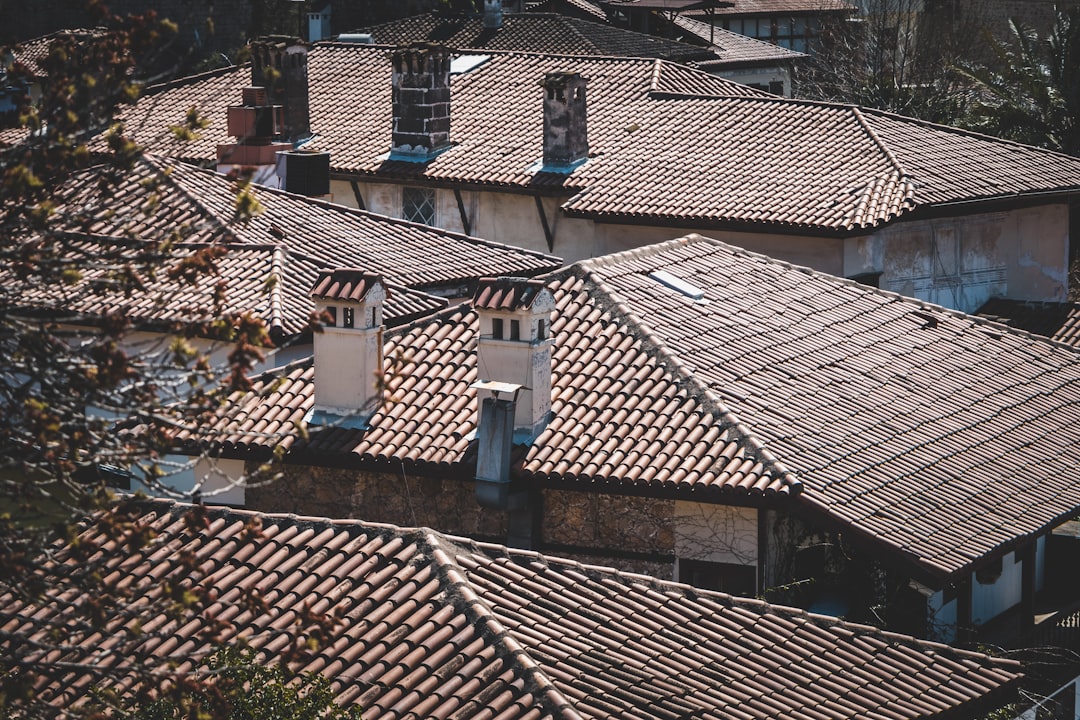
Home Roof Financing: Your Complete Guide from a Texas Roofing Contractor
My name is Michael, and I've been installing and repairing roofs across Texas for over 15 years. I've personally supervised more than 2,000 roofing projects, from simple repairs to complete tear-offs. I hold GAF Master Elite certification and am certified in Owens Corning roofing systems. I'm not a financial advisor, but I've helped hundreds of homeowners navigate the financial side of their roofing projects. This article exists because I've seen too many good people struggle with the cost of a necessary roof replacement. You need clear, honest information about how to pay for this major home investment. This guide will answer your real questions about financing options, costs, and smart decisions. I gathered this information from actual customer projects, manufacturer specifications, and building code requirements. My recommendations come from seeing what actually works for homeowners in our Texas climate. Let's get straight to practical help that saves you time and money.
Understanding Your Roofing Project Costs
Before discussing financing, you must understand what you're paying for. A roof is not just shingles. It's a complete system. The cost varies dramatically based on materials, labor, and your home's specifics. In the Houston area, including Kingwood, the average roof replacement costs between $8,000 and $25,000. This wide range depends on several key factors. A simple 2,000 square foot ranch-style home with asphalt shingles will cost less than a large two-story home with a complex roof design and premium materials. The pitch, or slope, of your roof significantly impacts labor costs. Steeper roofs require more safety equipment and skilled labor. The number of layers to be removed also adds to the disposal and labor fees.
Material Costs Breakdown
Materials typically account for 40-50% of your total project cost. Asphalt shingles are the most common choice in Texas. Basic 3-tab shingles cost $80-$100 per square (100 sq ft). Architectural shingles offer better durability and aesthetics for $120-$180 per square. Premium laminated shingles from manufacturers like GAF or Owens Corning can cost $200-$400 per square. Metal roofing is more expensive upfront but lasts longer. Standing seam metal panels cost $600-$1,200 per square installed. Underlayment, flashing, vents, and nails are essential components often overlooked in estimates. Always ask for a detailed line-item estimate. This transparency helps you understand exactly what you're financing.
Labor and Additional Costs
Labor represents the other major portion of your investment. A professional crew of 4-6 people typically completes a standard replacement in 1-3 days. Labor costs include tear-off, installation, cleanup, and disposal. Dump fees for old roofing materials add several hundred dollars. Permits are required by most municipalities, including Harris County. Permit fees ensure the work meets local building codes. Unexpected repairs to decking (the wood beneath shingles) are common. Water damage often hides until the old roof is removed. A good contractor will include a contingency for decking repair in their estimate, typically 10-15% of the project cost.
Primary Roof Financing Options Explained
Homeowners have several pathways to finance a new roof. Each option has distinct advantages, requirements, and costs. The best choice depends on your financial situation, credit score, and timeline. I've helped customers use all these methods. Let's examine each one with real project examples from my experience.
Home Equity Loans and HELOCs
A home equity loan uses your home's value as collateral. You receive a lump sum with a fixed interest rate. Payments are predictable over 5-20 years. A Home Equity Line of Credit (HELOC) works like a credit card against your home's equity. You draw funds as needed during a draw period. Both options typically offer lower interest rates than personal loans. They are tax-deductible if you use the funds for home improvement, according to IRS guidelines. You need substantial equity in your home, usually at least 15-20%. The application process involves a credit check and home appraisal. Closing costs can be 2-5% of the loan amount. This option is ideal for homeowners with strong credit and equity who want predictable payments.
Personal Loans and Credit Cards
Unsecured personal loans don't require home equity. Lenders approve them based on your credit score and income. Funding is often faster than home equity products, sometimes within days. Interest rates are higher, typically 6-36% APR. Loan terms are shorter, usually 2-7 years. This results in higher monthly payments. Credit cards offer immediate access to funds but carry very high interest rates, often 15-25% APR. Some cards offer 0% introductory APR periods for 12-18 months. This can be useful if you can pay off the balance before the promotional period ends. I had a customer in Atascocita who used a 0% card offer for a $12,000 roof. He paid it off in 14 months and saved on interest. This requires strict financial discipline.
Roofing Contractor Financing Programs
Many reputable roofing companies partner with third-party lenders. These programs offer specialized loans for home improvement projects. Approval can be quick, sometimes same-day. Terms vary widely, from 6 months to 20 years. Interest rates depend on your creditworthiness. Some contractors offer promotional rates like 0% for 12-24 months. Read the fine print carefully. Understand what the rate jumps to after the promotional period. Ask about origination fees or prepayment penalties. A legitimate contractor will be transparent about the lending partner. They should provide all loan documents for your review before signing. This convenience comes at a cost, often higher rates than traditional bank loans.
FHA Title I Property Improvement Loans
The Federal Housing Administration insures these loans through approved lenders. They are specifically for home improvements that don't require equity. Loan limits are up to $25,000 for single-family homes. Terms go up to 20 years. Interest rates are fixed and competitive. The application process is more involved than a personal loan. It requires proof of income, credit check, and contractor estimates. The contractor must be licensed and insured. Work must meet local building codes. This is a good option for homeowners with moderate credit scores who don't have substantial equity. It offers government-backed security and reasonable terms.
Working with Insurance for Storm Damage
In Texas, storm damage is a common reason for roof replacement. Hail, wind, and fallen trees can cause significant damage. Homeowners insurance may cover these repairs. The process requires careful documentation and persistence. Start by reviewing your policy's declarations page. Understand your deductible, coverage limits, and exclusions. Most policies cover "sudden and accidental" damage, not wear and tear. After a storm, document all damage immediately. Take clear photos and videos from the ground and, if safe, from a ladder. Contact your insurance company to file a claim. They will send an adjuster to inspect the damage.
The Insurance Claim Process
The adjuster's job is to assess damage and determine coverage. Be present during their inspection. Point out all areas of concern. Provide your documentation. The adjuster will write an estimate for repairs. This estimate often uses software like Xactimate with regional pricing. Insurance companies typically pay Actual Cash Value (ACV) initially. ACV is the replacement cost minus depreciation. After repairs are complete, you submit receipts to receive the Recoverable Depreciation portion. This two-payment system is standard. If you disagree with the adjuster's estimate, you can hire a public adjuster. Public adjusters work for you, not the insurance company. They charge a percentage of the final settlement, usually 10-20%. For complex claims, this can be worthwhile.
Supplementing Insurance Payments
Insurance rarely covers 100% of a roof replacement cost. Deductibles apply first. Most Texas policies have wind/hail deductibles of 1-2% of your home's insured value. On a $300,000 home, that's $3,000-$6,000 out of pocket. Depreciation reduces the initial payment. Upgrades to current building codes may not be fully covered. If your roof needs to meet new code requirements, you pay the difference. This is where financing bridges the gap. Many homeowners use a combination of insurance proceeds and a small loan. I worked with a family in Spring after a hailstorm. Their insurance paid $14,000. Their deductible was $2,500. They needed an additional $3,000 for code upgrades. They used a personal loan for that amount, keeping their payments manageable.
Practical Tips for Choosing the Right Financing
Selecting financing is a major decision. Follow these steps based on my experience with hundreds of homeowners. First, get multiple detailed estimates from licensed contractors. Compare not just price, but materials, warranties, and scope. Second, review your financial situation honestly. Check your credit score through AnnualCreditReport.com. Calculate your debt-to-income ratio. Third, shop around for loan offers. Get pre-qualified with multiple lenders to compare rates. Fourth, read all terms and conditions. Look for hidden fees, prepayment penalties, and rate increase triggers. Fifth, consider the total cost of borrowing, not just the monthly payment. A longer term means lower payments but more interest paid over time.
- Get everything in writing. Your loan agreement and contractor contract should align perfectly.
- Never sign a blank contract. All amounts, dates, and materials should be specified.
- Avoid contractors who pressure you to sign immediately. Reputable companies give you time to review financing.
- Verify contractor licensing and insurance. Check with the Texas Department of Licensing and Regulation.
- Understand warranty coverage. Manufacturer warranties cover materials. Contractor warranties cover workmanship.
Real Project Case Studies with Financing Outcomes
Real examples show how financing works in practice. These are actual projects from our service area, with details changed for privacy.
Case Study 1: The Planned Replacement
The Johnson family in Kingwood had a 20-year-old roof showing wear. They planned ahead, saving for two years. They still needed $8,000 beyond their savings. Their credit score was 720. They obtained a home equity loan at 5.5% APR for $10,000. The loan covered the roof and some gutter upgrades. Their monthly payment was $200 for 5 years. They paid $2,000 in interest over the loan term. Because they used equity, the interest was tax-deductible. Their roof was architectural shingles with a 50-year warranty. The project completed in three days with no surprises. They were pleased with the predictable payments and long-term value.
Case Study 2: Emergency Storm Repair
The Garcia home in Humble suffered major hail damage. Their insurance claim paid $18,000. Their deductible was $4,000. They needed immediate repairs before the rainy season. Their credit cards were near limit. They used contractor financing through a partner lender. They received 0% interest for 18 months on $6,000. They paid $333 per month and cleared the balance in 18 months. The contractor handled insurance coordination. The project included new synthetic underlayment and ice/water shield in valleys. The Garcias avoided interest by paying on time. This option provided speed and convenience during a stressful time.
Case Study 3: The Budget-Conscious Upgrade
Mr. Chen, a retiree in Atascocita, needed a new roof but lived on fixed income. His roof was leaking in multiple areas. He had limited savings and a 680 credit score. He qualified for an FHA Title I loan of $15,000 at 7% APR. His monthly payment was $130 for 15 years. The longer term kept payments low. He paid more interest over time but maintained his budget. The project used quality 3-tab shingles appropriate for his single-story home. We reinforced the decking in damaged areas. Mr. Chen was relieved to solve his leak problems without financial strain. He appreciated the government-backed security of the loan.
Frequently Asked Questions (FAQ)
What credit score do I need for roof financing?
Requirements vary by lender. Home equity loans typically need 620-680+. Personal loans require 580-720+. Contractor financing programs may accept scores as low as 550, but with higher rates. FHA Title I loans consider overall credit history, not just score. A higher score always gets better terms. Check your score before applying to know where you stand.
Can I finance a roof with bad credit?
Yes, but options are limited and more expensive. Some contractor programs work with subprime lenders. Interest rates can exceed 30% APR. You might need a co-signer. Consider saving for a larger down payment to reduce the loan amount. Improving your credit score by paying down debts first can save thousands in interest.
How long does financing approval take?
Home equity loans take 2-6 weeks for appraisal and underwriting. Personal loans can be approved in 1-7 days with funding shortly after. Contractor financing often provides same-day or next-day decisions. FHA Title I loans take 2-4 weeks. Emergency repairs may qualify for expedited processing. Always ask about timeline when applying.
Should I use my savings or finance a roof?
If you have sufficient savings without depleting emergency funds, paying cash avoids interest. However, maintaining liquidity is important. Financing preserves savings for other needs. Compare the loan interest cost to potential investment returns on your savings. Many homeowners use a combination: partial cash, partial financing.
What happens if I can't make payments?
Contact your lender immediately to discuss options. They may offer forbearance, payment plans, or loan modification. For home equity loans, default could lead to foreclosure. For unsecured loans, it damages your credit score and may lead to collections. Never ignore payment problems. Early communication is key.
Are there grants for roof replacement?
Limited programs exist for low-income homeowners, seniors, or veterans. Texas has weatherization assistance through the Texas Department of Housing. USDA offers rural repair grants. These have strict income limits and waiting lists. Most homeowners don't qualify for grants. Financing is the primary solution.
Does financing affect my taxes?
Interest on home equity loans used for home improvement may be tax-deductible, subject to limits. Consult a tax professional. Personal loan interest is generally not deductible. Insurance proceeds for repairs are typically not taxable income. Keep all loan documents and receipts for tax purposes.
Industry Statistics and Data
Understanding broader trends helps contextualize your decision. According to NAHB remodeling data, roof replacement is among the top five home improvement projects. The average return on investment for a midrange roof replacement is 60-70% at resale. Metal roofs can return 85% or more. Financing volume for home improvements has grown 15% annually since 2019. Approximately 65% of roofing projects involve some form of financing. Insurance claims account for 40% of roof replacements in storm-prone areas like Texas. The average loan term chosen is 7.2 years. These statistics show you're not alone in needing financing solutions.
Step-by-Step Guide to Securing Roof Financing
Follow this proven method based on successful customer experiences. Step 1: Get a professional roof inspection. Know exactly what work is needed. Step 2: Obtain 3-4 detailed written estimates from licensed contractors. Step 3: Review your financial position. Check credit reports and scores. Step 4: Research all financing options. Get pre-qualified estimates from multiple sources. Step 5: Compare total costs including interest, fees, and terms. Step 6: Choose the best option for your situation. Consider both monthly payment and total interest. Step 7: Complete the loan application with required documentation. Step 8: Review and sign final loan documents and contractor agreement. Step 9: Schedule the work once funding is secured. Step 10: Make payments on time and keep all records. This systematic approach reduces stress and ensures informed decisions.
Conclusion: Making Your Smartest Investment
A new roof protects your largest investment: your home. Financing makes this necessary project achievable. The key is choosing the right option for your unique situation. Consider your timeline, credit, equity, and budget. Work with reputable contractors who provide transparent estimates. Read all financing terms carefully. Remember that quality installation matters as much as materials. A poorly installed premium roof fails faster than a well-installed basic roof. Your roof should last decades with proper maintenance. Financing spreads the cost over those years of protection. Take your time, ask questions, and make confident decisions. Your home deserves the best protection you can afford. Start with a professional inspection to understand your needs. Then explore financing options with clarity and purpose. You can achieve a secure, dry home without financial stress.