
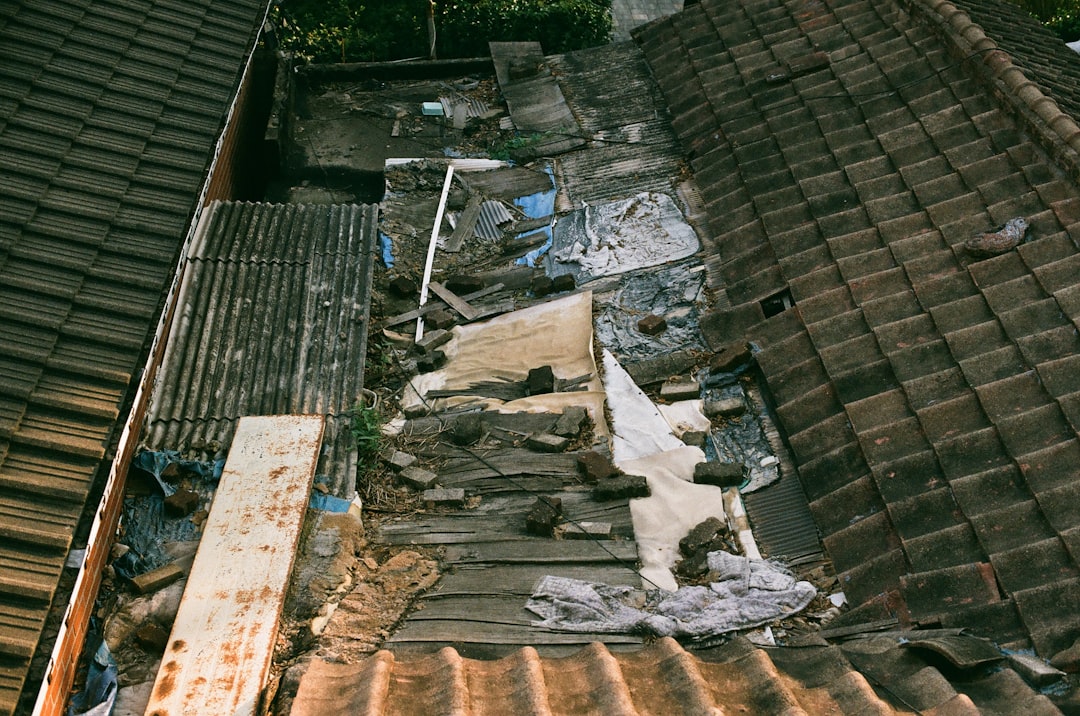
Finance a Roof Near Me: Your Complete Guide from a Texas Roofer with 15+ Years Experience
I have been installing and repairing roofs across Texas for over fifteen years. I have completed more than two thousand roofing projects. I hold certifications from major manufacturers like GAF and Owens Corning. I have seen countless homeowners struggle with roof financing. This article exists to solve that exact problem. Many homeowners need a new roof but worry about the cost. They search for "finance a roof near me" without clear answers. This guide provides those answers based on real customer experiences and industry knowledge. I gathered this information from hundreds of customer projects. I studied manufacturer specifications and local building codes. I will explain the methodology behind every recommendation. My goal is to save you time and provide direct, useful information. You will learn how to finance your roof project wisely.
Understanding Your Roof Financing Needs
First, you must understand why you need a new roof. A roof is a major investment in your home. It protects your family and your belongings. The need often comes from age, storm damage, or leaks. Knowing the exact reason helps you choose the right financing. It also helps you communicate with contractors and lenders.
Assessing Roof Damage and Urgency
Not all roof problems require immediate full replacement. Some issues can be repaired. A professional inspection is crucial. Look for missing shingles, water stains on ceilings, or granules in gutters. Storm damage from hail or high winds is common in Texas. Check the National Roofing Contractors Association (NRCA) for signs of roof failure. If you have active leaks, the project is urgent. Financing options for emergency repairs differ from planned replacements.
Determining the True Project Scope
A roof replacement involves more than just shingles. The scope includes decking, underlayment, flashing, and ventilation. You must also consider drip edge and ice and water shield. The project scope directly impacts the total cost. A detailed contractor estimate should list all these items. Understanding the scope prevents surprises during financing.
Common Ways to Finance a Roof Replacement
Homeowners have several options to pay for a new roof. Each option has pros and cons. Your choice depends on your credit, home equity, and timeline. I have helped customers use all these methods. Here is a breakdown from my experience.
Home Equity Loan or Line of Credit (HELOC)
A home equity loan uses your home's value as collateral. You receive a lump sum with a fixed interest rate. A HELOC works like a credit card against your home's equity. These options often have lower interest rates than personal loans. They are good for homeowners with significant equity. The application process involves a credit check and home appraisal. Closing costs may apply. This is a secured loan, so your home is at risk if you default.
Roofing Contractor Financing Programs
Many reputable roofing companies offer direct financing. They partner with third-party lenders like GreenSky or Hearth. These programs are convenient. You can often get approved quickly. Special promotions like "same-as-cash" or low APR for a period are common. Always read the fine print. Understand the full terms before signing. Ask your contractor about their preferred lenders and any fees.
Personal Loans from Banks or Credit Unions
Personal loans are unsecured. You do not need to use your home as collateral. Approval depends heavily on your credit score and income. Interest rates are typically higher than home equity loans. The loan amount and term are fixed. This is a good option if you need funds fast and have good credit. Check with your local bank or credit union first. They may offer better rates to existing customers.
FHA Title I Property Improvement Loan
The Federal Housing Administration (FHA) insures these loans. They are for homeowners who want to improve their property. You can borrow up to $25,000 for a single-family home. The loan term can be up to 20 years. The property must be at least 90 days old. You apply through an FHA-approved lender. This is a viable option for those who may not qualify for other financing. Learn more on the official HUD Title I page.
Credit Cards
Using a credit card is the easiest but often most expensive option. Interest rates on credit cards are very high. It should only be used for small repairs or as a last resort. Some cards offer a 0% introductory APR period. If you can pay the full balance before that period ends, it might work. Otherwise, the interest will add significant cost to your project.
Real Project Costs and Financing Examples
Let's talk about real numbers from my Texas projects. Costs vary based on size, materials, and complexity. These examples will help you budget and choose financing.
Case Study: Asphalt Shingle Replacement
A typical 2,000 square foot home in Kingwood needed a new roof. The existing asphalt shingles were 20 years old. The project included tear-off, new synthetic underlayment, and architectural shingles. The total cost was $12,500. The homeowner used contractor financing with a 60-month term at 7.99% APR. Their monthly payment was approximately $253. They chose this for the convenience and fixed payment.
Case Study: Metal Roof Installation
Another homeowner wanted a long-lasting metal roof. Their home was 2,500 square feet with a complex hip roof design. The cost for a standing seam metal roof was $28,000. They took out a home equity loan at 5.5% interest for 10 years. Their monthly payment was about $303. The higher upfront cost was offset by the 50-year warranty and energy savings.
Case Study: Storm Damage Repair with Insurance
After a major hailstorm, a homeowner had significant damage. Their insurance company approved a claim for a full replacement. The insurance check was for $15,000. Their deductible was $1,500. They only needed to finance the deductible amount. They used a personal loan from their credit union for the $1,500. This kept their out-of-pocket cost minimal.
Navigating Roof Financing with Insurance Claims
If your roof damage is from a covered peril like hail or wind, insurance may help. This changes the financing equation dramatically. You might only need to cover your deductible.
Understanding Your Insurance Policy
Review your homeowner's insurance policy carefully. Look for the section on roof coverage. Some policies have Actual Cash Value (ACV) for older roofs. Others have Replacement Cost Value (RCV). ACV pays the depreciated value. RCV pays the full cost to replace. Know your deductible amount. This is what you will likely need to finance.
The Insurance Claim Process
Document the damage with photos and videos. Contact your insurance company to file a claim. They will send an adjuster to inspect. It is wise to have your own contractor present during the inspection. The contractor can point out all damage the adjuster might miss. Once approved, the insurance company issues a payment. The first check is often for the ACV amount. After the work is complete, they release the recoverable depreciation. Work with a contractor experienced in insurance claims.
Choosing Roofing Materials Within Your Budget
The material you choose is a major cost factor. I have hands-on experience with all common materials. Here is a practical comparison to guide your choice.
Asphalt Shingles: The Cost-Effective Standard
Asphalt shingles are the most popular choice. They are affordable and come in many styles. Basic 3-tab shingles are the least expensive. Architectural or dimensional shingles cost more but look better and last longer. They typically have a 30-year warranty. They are a good balance of cost and performance. Check manufacturer websites like GAF or Owens Corning for specifics.
Metal Roofing: Long-Term Investment
Metal roofs cost two to three times more than asphalt. However, they can last 40-70 years. They are excellent for energy efficiency and durability. They are also fire-resistant. The higher initial cost can be financed over a longer term. The long lifespan often justifies the investment. Consider it if you plan to stay in your home for many years.
Synthetic Slate and Tile: Premium Look
Synthetic materials mimic slate or clay tile at a lower cost. They are lighter than real slate, so they don't need extra roof support. They are durable and impact-resistant. The cost is between premium asphalt and metal. They offer a high-end aesthetic without the extreme weight or price of natural materials.
Step-by-Step Guide to Getting Roof Financing
Follow this proven method based on successful customer projects. This process saves time and reduces stress.
- Get a Professional Inspection and Estimate: Hire a licensed, insured roofer. Get a detailed, written estimate. It should include labor, materials, and warranty information.
- Check Your Credit Score: Know your credit score before applying. You can get a free report from AnnualCreditReport.com. A higher score gets you better rates.
- Research All Financing Options: Compare contractor programs, bank loans, and credit union offers. Calculate the total cost of each loan, including interest.
- Get Pre-Qualified: Many lenders offer pre-qualification with a soft credit check. This shows you the loan amount and rate you might get. It does not affect your credit score.
- Choose the Best Option for Your Budget: Select the loan with the lowest total cost and a comfortable monthly payment. Avoid stretching your budget too thin.
- Read the Contract Thoroughly: Before signing, understand all terms. Look for origination fees, prepayment penalties, and the APR.
- Schedule the Work: Once financing is secured, schedule the installation with your contractor. Ensure the loan funds are available when payment is due.
Red Flags and Pitfalls to Avoid
From my experience, homeowners sometimes make costly mistakes. Be aware of these common pitfalls.
- Door-to-Door "Storm Chaser" Contractors: After a storm, unlicensed contractors may pressure you. They often offer "free" roofs or ask for large upfront payments. Always verify local licenses and insurance.
- Financing with Extremely High Interest Rates: Some financing offers have deceptively high APRs. If an offer seems too good to be true, it probably is. Compare rates from multiple sources.
- Not Getting a Detailed Written Contract: The contract should specify materials, work scope, timeline, and payment schedule. Never agree to a verbal-only contract.
- Using All Your Home Equity: Be cautious about borrowing too much against your home. Leave a buffer for other emergencies or needs.
- Ignoring Building Permits and Codes: Roofing work usually requires a permit. Your contractor should pull it. The work must meet local building codes. In Texas, refer to the Texas Department of Licensing and Regulation (TDLR) for contractor rules.
Frequently Asked Questions (FAQ)
What credit score do I need to finance a roof?
Most traditional lenders prefer a credit score of 660 or higher for good rates. Some contractor financing programs may accept scores as low as 580. A higher score always gets you a better interest rate and terms. Check your score before you apply to know where you stand.
Can I finance a roof with no money down?
Yes, many financing options require no down payment. Contractor programs and personal loans often have $0 down. However, for an insurance claim, you will need to pay your deductible. That deductible amount may require a small loan or payment plan.
How long does roof financing approval take?
Approval times vary. Contractor financing can sometimes provide an answer in minutes. Home equity loans or HELOCs can take several weeks due to appraisals and underwriting. Personal loan approvals from online lenders often happen within 24-48 hours. Plan ahead to avoid delays in your project.
Is roof financing tax deductible?
Generally, interest on a personal loan for home improvement is not tax deductible. However, interest on a home equity loan or HELOC may be deductible if you use the funds to "buy, build, or substantially improve" the home that secures the loan. Always consult a tax professional for advice on your specific situation.
Should I use my retirement savings to pay for a roof?
I strongly advise against using retirement savings. You may face early withdrawal penalties and taxes. You also lose future investment growth. Financing the roof is usually a better long-term financial decision. Protect your retirement fund for its intended purpose.
What happens if I sell my house before the roof loan is paid off?
If you have a home equity loan or HELOC, the loan must be paid off from the sale proceeds at closing. For a personal loan or contractor financing, the loan is not tied to the house. You are still responsible for paying it off after the sale. Factor this into your selling plans.
Can I get financing for a roof repair instead of a full replacement?
Absolutely. Many financing options work for repairs as well as replacements. The loan amount will simply be smaller. Some lenders have minimum loan amounts, often around $1,000 to $2,500. Check with the lender about their minimum requirements for smaller projects.
Industry Statistics and Data
Understanding the broader market helps you make informed decisions. Here are key statistics from reliable sources.
The average cost to replace a roof in the United States is between $8,500 and $14,500 (HomeAdvisor 2024). Metal roofing can increase a home's resale value by up to 6% (Remodeling Magazine's Cost vs. Value Report). Over 70% of roofing contractors offer some form of financing to their customers (Roofing Contractor Magazine survey). Proper attic ventilation can extend shingle life by up to 20% and reduce cooling costs (Asphalt Roofing Manufacturers Association). Always verify data with original sources like the National Association of Home Builders (NAHB).
Conclusion and Your Next Steps
Financing a roof is a manageable process with the right information. You now understand the common options, costs, and pitfalls. Start by getting a professional inspection from a trusted local roofer. Obtain a detailed written estimate. Then, review your financial situation and research your financing choices. Choose the option that fits your budget and long-term plans. Do not let cost delay a necessary roof replacement. A failing roof can lead to much more expensive interior damage. Taking proactive, informed steps protects your biggest investment—your home. You are now equipped to make a smart decision and move forward with confidence.