
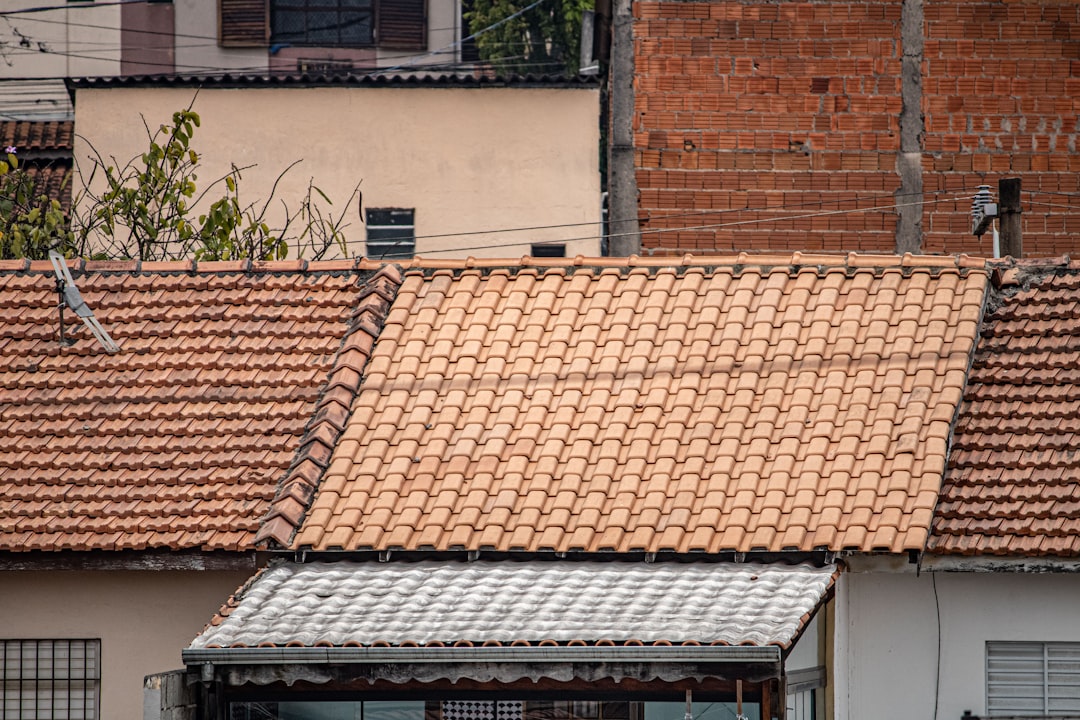
Best Way to Finance a New Roof: A 25-Year Contractor's Honest Guide
My name is Michael, and I've been installing and replacing roofs across Texas for over twenty-five years. I've personally supervised more than 3,500 roofing projects, from simple repairs after a hailstorm to complete tear-offs on historic homes. I hold certifications from major manufacturers like GAF and CertainTeed, and my crew follows the strict guidelines of the National Roofing Contractors Association (NRCA). This article exists because I've sat at countless kitchen tables with homeowners just like you, watching the stress build as they try to figure out how to pay for a necessary, major home improvement. The question isn't just about shingles or underlayment; it's about finding a smart, manageable path forward without financial panic. My goal here is to share everything I've learned from those conversations and projects, giving you a clear, trustworthy roadmap based on real-world experience, not just theory.
This guide was built from the ground up using data from hundreds of customer financing decisions, direct conversations with local lenders and insurance adjusters, and a deep understanding of material and labor costs. I'll explain the methodology behind each recommendation, showing you not just the "what" but the "why." We'll cover everything from tapping home equity to navigating insurance claims for storm damage. You'll get practical tips that have worked for my clients, warnings about common pitfalls I've seen, and a step-by-step plan to make this significant investment with confidence. Let's replace that roof and your financial worry with a solid, lasting solution.
Understanding the True Cost of a New Roof
Before discussing financing, you must know what you're financing. A roof is not a commodity; its price varies dramatically based on your home's specifics, your material choices, and your local market. I've seen projects range from $8,000 to over $50,000. The national average often quoted is between $9,000 and $16,000, but in our Texas climate with frequent severe weather, costs can lean higher for proper, durable installations. The biggest factors are square footage (roofing is priced per "square," which is 100 square feet), roof pitch and complexity, material type, and the cost of removing the old roof.
Material Costs: Asphalt, Metal, and Tile Compared
Your material choice is the single largest cost driver. Asphalt shingles are the most common and affordable. Basic 3-tab shingles might cost $100-$150 per square for materials alone. Premium architectural shingles from brands like GAF Timberline or IKO Dynasty offer better durability and aesthetics for $150-$400 per square. Metal roofing is a fantastic long-term investment, with standing seam panels costing $700-$1,200 per square installed. Concrete or clay tile is beautiful and extremely durable but heavy, often requiring reinforcement and costing $1,000-$2,000 per square. Always factor in the complete system: underlayment, ice and water shield in valleys, proper flashing, and high-quality ventilation components.
Labor, Permits, and Unexpected Costs
Labor typically accounts for 60% of your total bill. A skilled crew is worth every penny. They ensure proper installation per manufacturer specs, which is critical for your warranty. Don't forget permit costs, which vary by municipality but are non-negotiable for code compliance. Dump fees for disposing of your old roof material add up. The most common unexpected cost I encounter is decking repair. Once we tear off the old layers, we often find rotted or damaged wood sheathing that must be replaced before the new roof can go on. Budgeting an extra 10-15% for these surprises is a wise move.
Your Primary Financing Options Explained
Homeowners typically have five main avenues to fund a roof replacement. Each has distinct pros, cons, and ideal scenarios. My advice is always to get multiple quotes from reputable contractors first. Then, with a firm price range, you can evaluate these options with real numbers in hand.
Home Equity Loan or Line of Credit (HELOC)
This is often the most cost-effective option if you have significant equity built up. A home equity loan provides a lump sum at a fixed interest rate, using your home as collateral. A HELOC works like a credit card with a set limit, allowing you to draw funds as needed. Interest rates are usually lower than personal loans or credit cards because the loan is secured. The interest may also be tax-deductible if you use the funds to "buy, build, or substantially improve" the home that secures the loan (consult a tax advisor). The downside is that you're putting your home on the line, and the application process can be lengthy with appraisal and closing costs.
Cash-Out Mortgage Refinance
If current mortgage rates are lower than your existing rate, a refinance that pulls out equity can make sense. You replace your old mortgage with a new, larger one and receive the difference in cash. This can consolidate debt and lower your monthly payment while funding the roof. However, refinancing comes with significant closing costs (often 2-5% of the loan amount) and resets the clock on your mortgage. This option is best considered as part of a broader financial strategy, not just for a roof.
Personal Loans from Banks or Credit Unions
Unsecured personal loans don't require using your home as collateral. Approval is based on your credit score and income. Funding is typically faster than home equity products. Interest rates for borrowers with good credit (FICO 670+) can be reasonable, though higher than secured loans. Terms are usually 2-7 years. This is a solid choice for homeowners who don't have enough equity or want to avoid a lien on their property. Check with local credit unions first; they often offer more favorable terms to members.
Financing Through Your Roofing Contractor
Many established roofing companies partner with third-party lenders to offer financing plans. This can be convenient, as you handle the project and payment through one point of contact. These are often promotional plans with deferred interest (like "0% APR for 18 months"). Caution is essential here. Read the fine print meticulously. If the balance isn't paid in full by the promotional period's end, you may be hit with retroactive interest on the entire original amount at a very high rate. Only choose this if you are 100% confident you can pay it off within the promotional window.
Credit Cards: A Last-Resort Option
Using a credit card should be your final option. Standard credit card interest rates are prohibitively high, often 15-25% APR. This can turn a $15,000 roof into a $20,000+ debt quickly. The only exception might be using a new card with a 0% introductory APR offer and a plan to pay it off completely before the rate jumps. This requires extreme discipline. For most, the risk of accruing high-interest debt makes this a poor choice.
The Insurance Claim Path: Financing Through Your Policy
If your roof damage is caused by a sudden, accidental event like a hailstorm, windstorm, or fallen tree, your homeowner's insurance may cover the replacement, minus your deductible. This is not "financing" in the traditional sense, but it's a crucial way to fund a necessary repair. Navigating an insurance claim is a process I help clients with regularly.
When to File a Claim: Understanding Covered Perils
Insurance covers sudden, accidental damage, not wear and tear or age. If a hailstorm creates functional damage (bruised shingles, granule loss that exposes the matting), that's typically covered. If your 25-year-old roof is simply at the end of its life and leaking, that is maintenance, not an insurance event. Review your policy's declarations page to understand your covered perils and deductible amount. In storm-prone areas like Texas, policies often have a separate, higher deductible for wind/hail damage (e.g., 1-2% of your home's insured value).
The Step-by-Step Claims Process
First, document the damage safely. Take clear photos and videos from the ground. Contact your insurance company to start a claim. They will assign an adjuster. This is critical: hire a reputable, local roofing contractor to be present for the adjuster's inspection. A good roofer can point out damage the adjuster might miss and ensure the estimate includes all necessary items per local building codes and manufacturer requirements. The insurance company will issue a payment for the Actual Cash Value (ACV) first, which is the depreciated value. Once the work is complete and you submit the final invoice, they release the Recoverable Depreciation, bringing the total to the Replacement Cost Value (RCV).
Government and Energy Efficiency Programs
Don't overlook potential assistance programs. Some local or state governments offer grants or low-interest loans for essential home repairs, especially for seniors or low-income homeowners. Check with your city's housing department. Furthermore, if you're installing a energy-efficient roofing product, like a cool roof or adding solar-ready components, you may qualify for federal tax credits. The Department of Energy provides resources on qualifying products. Some utilities also offer rebates for energy-efficient upgrades that reduce cooling loads.
Creating Your Personal Financing Action Plan
Now, let's build a plan tailored to you. Follow these steps in order to make a confident decision.
- Get a Professional Inspection and Detailed Quotes: Have 2-3 licensed, insured, and well-reviewed contractors inspect your roof. Get written, detailed quotes that break down materials, labor, waste removal, permits, and warranty terms. This is your foundational number.
- Check Your Insurance Policy: Review your coverage and deductible. If storm damage is suspected, call your contractor for an inspection before filing a claim to get their professional opinion.
- Assess Your Financial Position: Calculate your available savings, home equity, and credit score. Be honest about your monthly budget and what payment you can comfortably afford.
- Shop for Loans: Get pre-qualification estimates from your bank, credit union, and online lenders for both home equity and personal loan products. Compare Annual Percentage Rates (APR), which includes fees, not just the interest rate.
- Run the Numbers: Use online loan calculators. Compare the total cost of the loan (principal + interest) across different options. A slightly lower monthly payment might mean paying thousands more in interest over time.
- Make Your Decision and Schedule the Work: Choose the option that offers the best balance of total cost, monthly affordability, and risk level. Then, schedule your project with your chosen contractor, ensuring all financing is secured first.
Real Project Case Studies: How Homeowners Paid
Let me share three anonymized examples from my own client files to illustrate how this works in practice.
Case Study 1: The Storm Damage Claim. The Johnson family had a 15-year-old roof. A severe spring hailstorm caused widespread functional damage. We documented it thoroughly, met with their insurance adjuster, and secured approval for a full replacement. Their out-of-pocket cost was only their $1,500 deductible. We installed high-quality architectural shingles with upgraded synthetic underlayment. The insurance process took about six weeks from claim to completion.
Case Study 2: The Planned Replacement with HELOC. The Garcias knew their 22-year-old roof was nearing end-of-life. They had over 40% equity in their home. They obtained a $20,000 home equity loan at 5.5% APR from their credit union. The loan had a 10-year term, giving them a manageable monthly payment of about $215. They chose a premium metal roof for its 50-year lifespan and energy efficiency, viewing it as a long-term investment in their property.
Case Study 3: The Emergency Repair with Personal Loan. Mr. Chen discovered a major leak during heavy rains, with significant decking rot. He needed a $12,000 repair immediately but had limited savings. With a strong credit score of 720, he secured an unsecured personal loan at 7.9% APR for 5 years. His monthly payment was around $240. He avoided high-interest credit card debt and fixed his home quickly.
Frequently Asked Questions (FAQ)
What credit score do I need to finance a roof?
For the best rates on personal loans or home equity products, a FICO score of 670 or higher is generally considered good. Scores above 740 will qualify you for the most favorable terms. Some contractor financing partners may approve applicants with scores in the low 600s, but the interest rates will be much higher. It's always wise to check your credit report for free at AnnualCreditReport.com before applying.
Is it better to pay cash or finance a new roof?
If you have sufficient savings without draining your emergency fund, paying cash is almost always the most cost-effective option. You avoid all interest and finance charges. However, if using cash would leave you financially vulnerable, financing a portion is a smarter move. The goal is to protect your home without jeopardizing your overall financial security.
How does financing affect the roof warranty?
Your method of payment does not affect the manufacturer's material warranty or the contractor's workmanship warranty. These are separate agreements based on the products installed and the quality of the installation. Always ensure your contractor provides a written warranty and registers the manufacturer's warranty for you.
Can I finance a roof with bad credit?
It is more challenging but sometimes possible. Options may include an FHA Title I loan (for home improvements), seeking a co-signer, or finding a contractor willing to work with a lender specializing in lower credit scores. Be prepared for higher interest rates and fees. Improving your credit score by even 50 points before applying can save you thousands.
Should I use my retirement savings to pay for a roof?
I strongly advise against this. Tapping into a 401(k) or IRA often comes with heavy penalties and taxes, and you lose future tax-deferred growth. It is almost always better to finance the roof through other means than to raid your retirement, which is your long-term financial safety net.
How long does contractor financing approval take?
Approval through a contractor's third-party lender can be very fast, sometimes within minutes or hours during business days. This speed can be helpful for urgent repairs. Remember, speed shouldn't replace careful review of the loan terms. A traditional bank loan may take several days to a couple of weeks for full approval and funding.
What is the most common mistake homeowners make when financing a roof?
The biggest mistake is focusing only on the monthly payment. A longer loan term lowers the monthly bill but dramatically increases the total interest paid. Always calculate the total cost of the loan over its full life. The second mistake is not budgeting for the inevitable supplementary repairs (like decking) discovered during the tear-off process.
Conclusion: Your Path to a Secure Home
Financing a new roof is a significant decision, but it shouldn't be a frightening one. With the right information, you can choose a path that protects your home and your budget. Remember, a quality roof is an investment in your property's value, your safety, and your peace of mind. Start with a professional assessment from a trusted contractor. Gather your financial facts. Compare your options carefully, weighing both the short-term affordability and the long-term total cost. Whether through insurance, a home equity loan, or a personal loan, a solution exists that fits your situation. My twenty-five years in this field have taught me that an informed homeowner is a confident homeowner. You now have the knowledge to take the next step. Reach out to local professionals, ask detailed questions, and move forward with the assurance that you're making a wise choice for your home's future.